
Blue tits are gorgeous birds, and you can attract them in a variety of different ways
06:00, 08 May 2026Updated 08:38, 08 May 2026
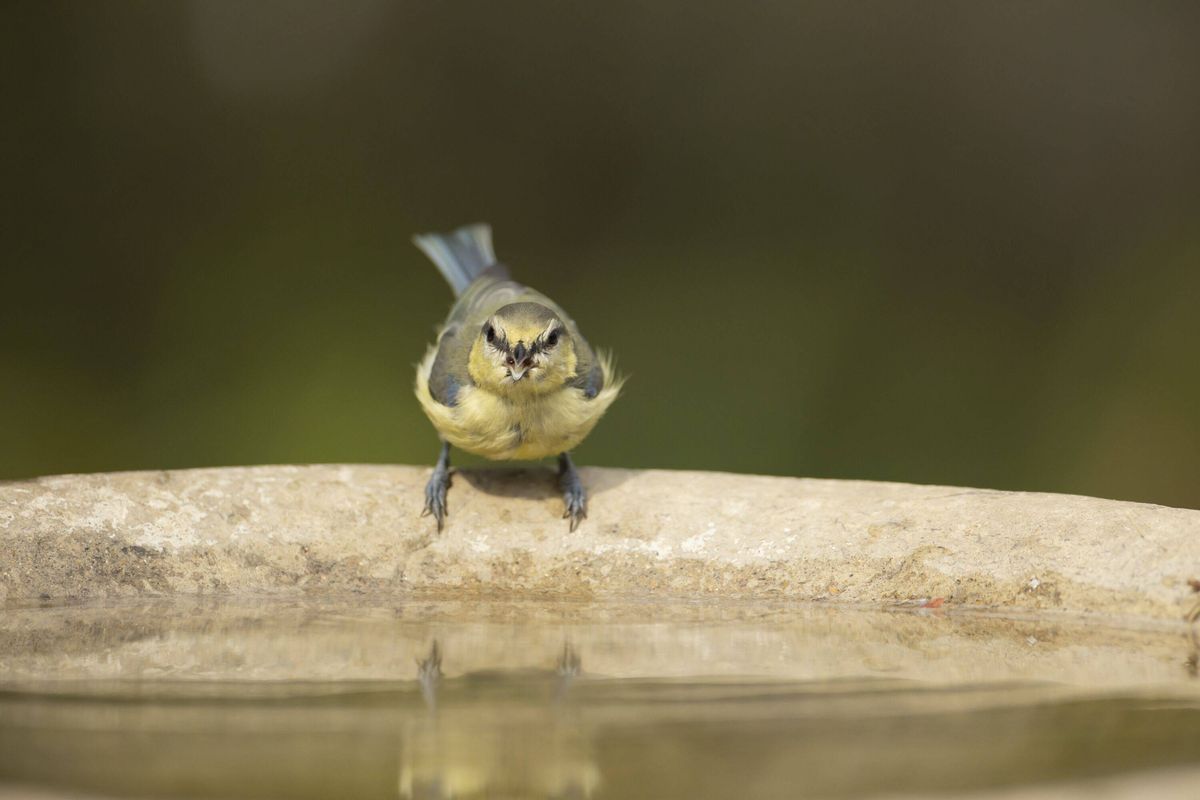
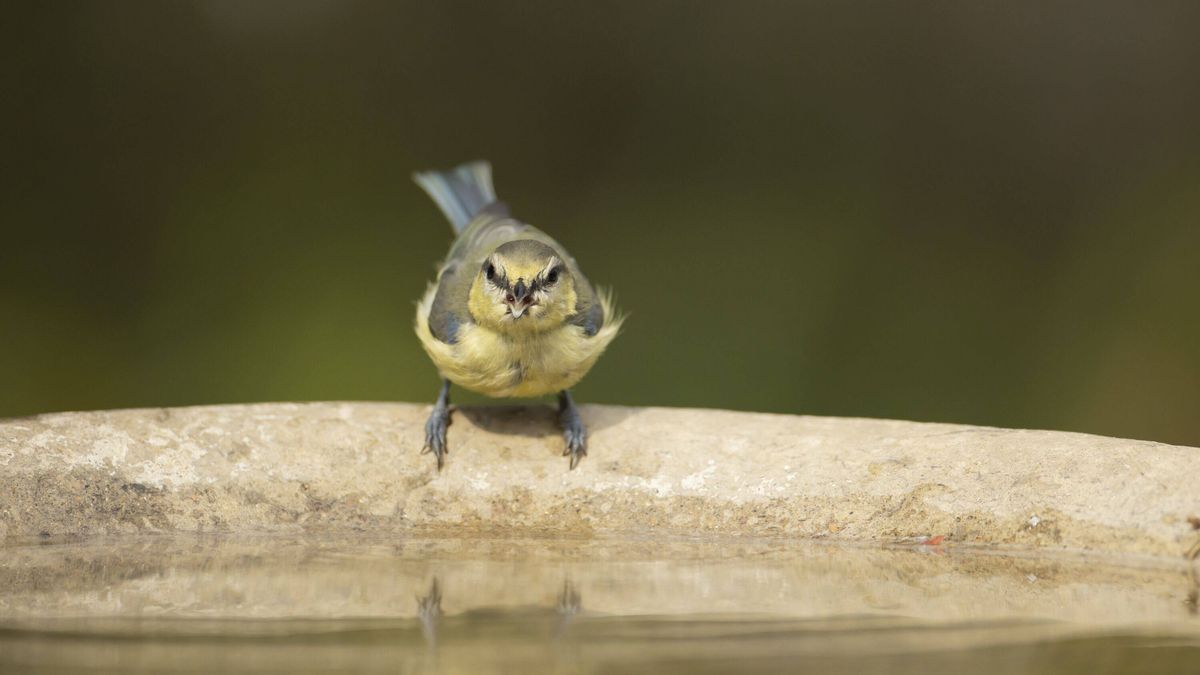
Blue tits love water(Image: Getty)
Blue tits are amongst the most familiar and well-loved visitors to gardens across the UK. Instantly recognisable by their striking blue and yellow plumage and their distinctive trilling call, they are a firm favourite with gardeners up and down the country. With their breeding season getting underway in mid-April, spring is the ideal time to give them a helping hand.
I recently managed to attract a regular group of blue tits to my own garden, and remarkably, it didn’t cost me a single penny. While investing in pricey feeders or elaborate nesting boxes can certainly help, that wasn’t what did the trick for me.
All I did was put out fresh water for the birds to enjoy — and it was the blue tits that took full advantage.
Birds require water every day, not merely for drinking but for bathing as well.
Clean feathers are vital for insulation and flight, as well as for keeping birds cool during warmer spells, reports the Express.
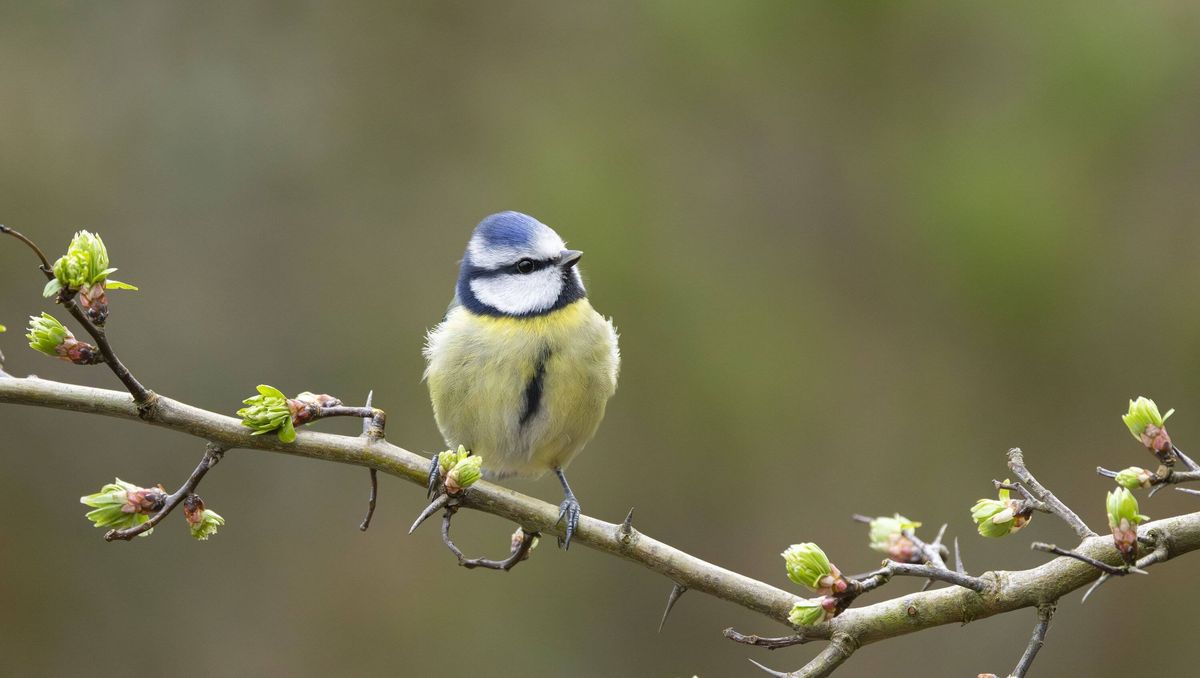
Blue tits flocked to my garden when I made 1 simple change to my garden(Image: Getty)
Within just a few days of setting out fresh water in a shallow bird bath, blue tits began arriving each morning in pairs or groups of three, making enthusiastic use of it.
These days, they rarely stray from the garden for long. In fact, I’ve since provided nesting boxes and food for them as well.
Occasionally, other birds such as pigeons will also drop by, though blue tits remain the predominant visitors.
I’ve also noticed a handful of robins, which is rare in my garden, as they tend to appear during the winter months.
If you do choose to put out food, blue tits are particularly fond of suet balls and suet pellets.
It’s equally important, however, to provide water alongside any feeders, so the birds don’t need to venture too far afield.
Cultivating specific plants and foliage in your garden can also attract a variety of birds, including robins and blue tits.
This encompasses dense shrubs such as juneberry, which can provide shelter from the elements. They also produce fruit that birds can feed upon.
Comments are closed.