
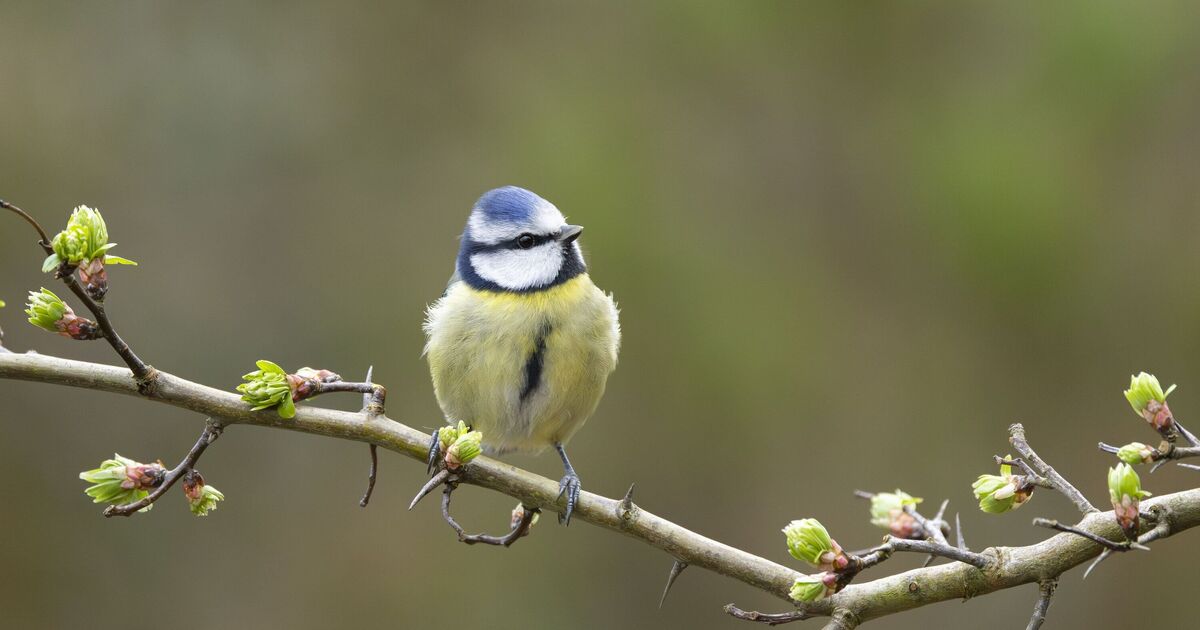
Blue tits are among the most common and recognisable visitors to UK gardens. They’re recognised for their blue and yellow markings as well as their trilling chirp, which makes them a favourite amongst gardeners. Their breeding season begins in mid-April, making springtime a perfect time to look after them.
I recently managed to attract a regular flock of blue tits to my garden, and surprisingly, it didn’t cost me any money. While providing expensive feeders or elaborate nesting boxes can be beneficial, this isn’t what I provided.
I simply provided fresh water for all the birds to enjoy, but it was the blue tits who made the most use of it.
Birds need water every single day, not just for drinking but also for bathing.
Clean feathers are essential for insulation and flight, but also to keep birds cool when the weather is warm.
Within days of putting out fresh water in a shallow bird bath, the blue tits arrived every morning in pairs or in threes, making use of the bird bath.
Now, they rarely leave the garden for long. In fact, I’ve since provided nesting boxes and food for them.
I’ll also occasionally get other birds in the garden, like pigeons, but it is primarily blue tits.
I’ve also spotted a few robins, which is rare in my garden, as they usually appear in winter.
If you do provide feed, blue tits absolutely love suet balls and suet pellets. But, it’s also important to provide water if you have feeders in your garden, so the birds don’t have to travel too far.
Growing certain plants and foliage outside can also help attract various birds, such as robins and blue tits.
This includes dense shrubs such as juneberry, which can shelter them from the weather. They even grow fruit that birds can eat.
Comments are closed.