
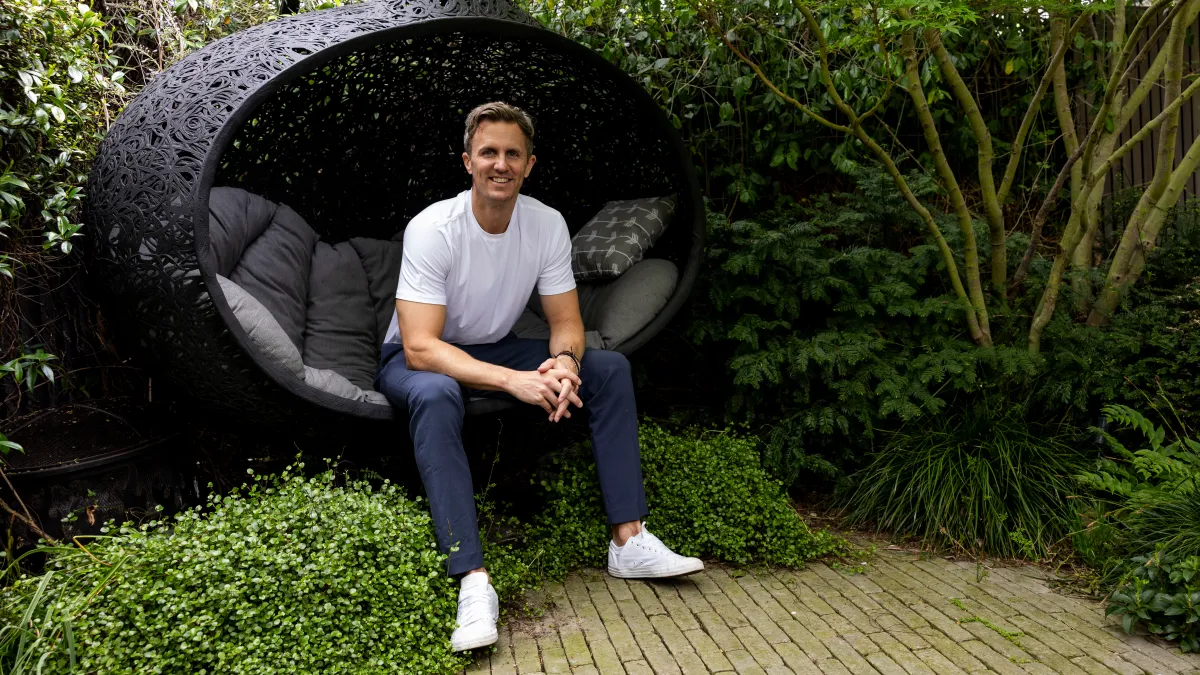
At first glance, the three gardens that Matt Keightley is exhibiting at RHS Chelsea this year appear to have nothing in common. One prioritises “outdoor living”, another evokes an exotic woodland and the third showcases a minimalist balcony terrace where every inch counts. What unites all three is that Keightley, a double silver-gilt medallist, used AI to design them.
He has created an AI-powered garden design app, Spacelift, that relies on design rules and principles he has developed while designing award-winning gardens — including two People’s Choice winners at Chelsea — over the past 25 years.
“The goal is to try to democratise garden design: to make my level of experience and knowledge available to people like never before,” he says. “Most spaces could be better planned. This will help people so when they go through the design process, it’s not intimidating.”
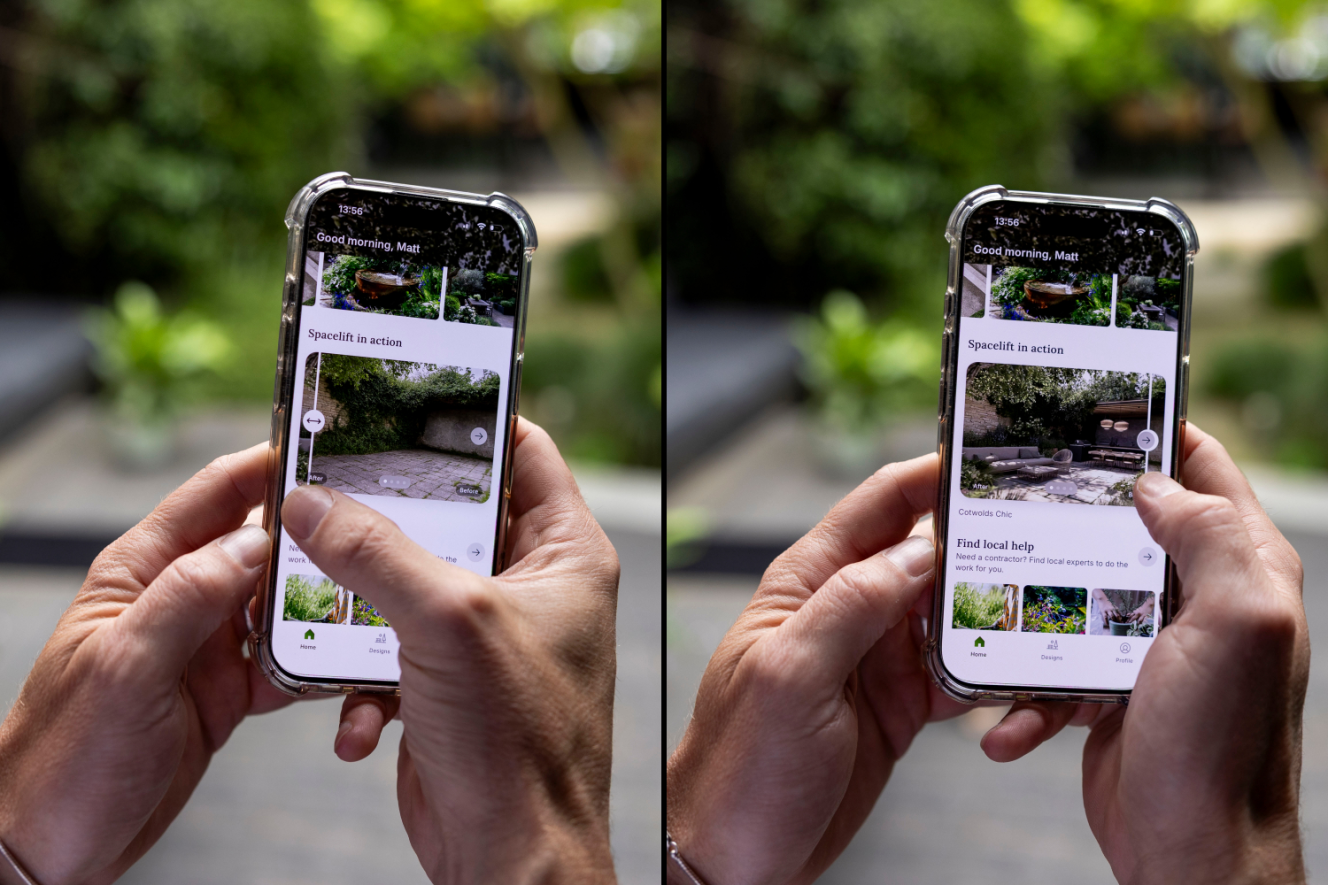 Keightley’s Spacelift app can generate AI garden designs in secondsVicki Couchman FOR THE sunday TIMES
It is the speed of the AI-assisted design process that has enabled Keightley to show three gardens at Chelsea simultaneously. “It makes the whole process more efficient and super-enjoyable.”
Spacelift will launch at the annual flower show, which starts on May 19, and is primarily aimed at do-it-yourself garden designers and lower budget projects. Minutes after using the app to upload a photo or scan the space they want to redesign, users will be able to see a realistic AI vision of how their new garden will look.
“That’s a game-changer, to be able to do that,” Keightley says. He hopes his show gardens will give people confidence in the AI-powered design process. “They’re going to see super-inspiring ideas they can imagine in their own space.”
Each show garden represents one of the ten design styles you can select in the app, which also enables users to “shop the look”: “The styles manifest in a fixed shape and size at Chelsea, but with the app, you can — if you like that style — apply it to your own space, and achieve a similar look and feel.”
Calm in the Cotswolds
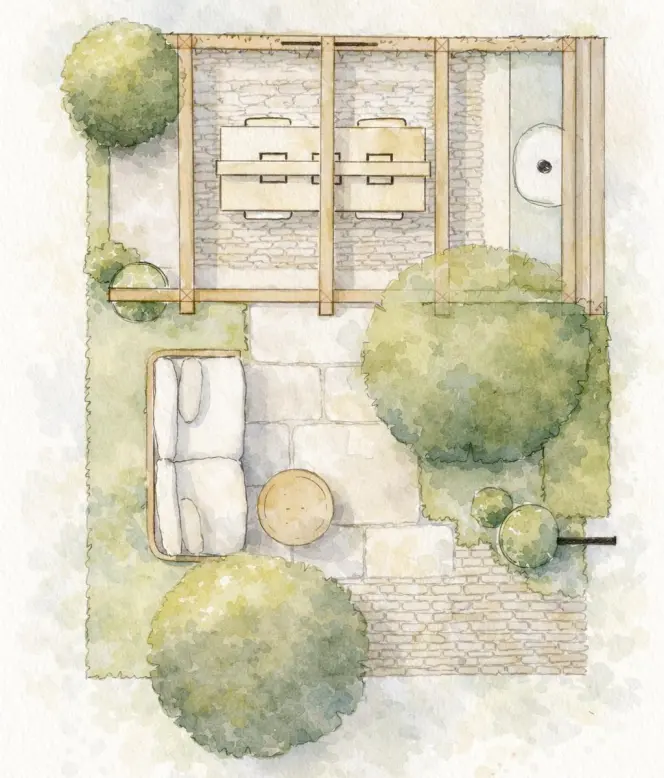 “Calm in the Cotswolds” reimagines a modern rear garden
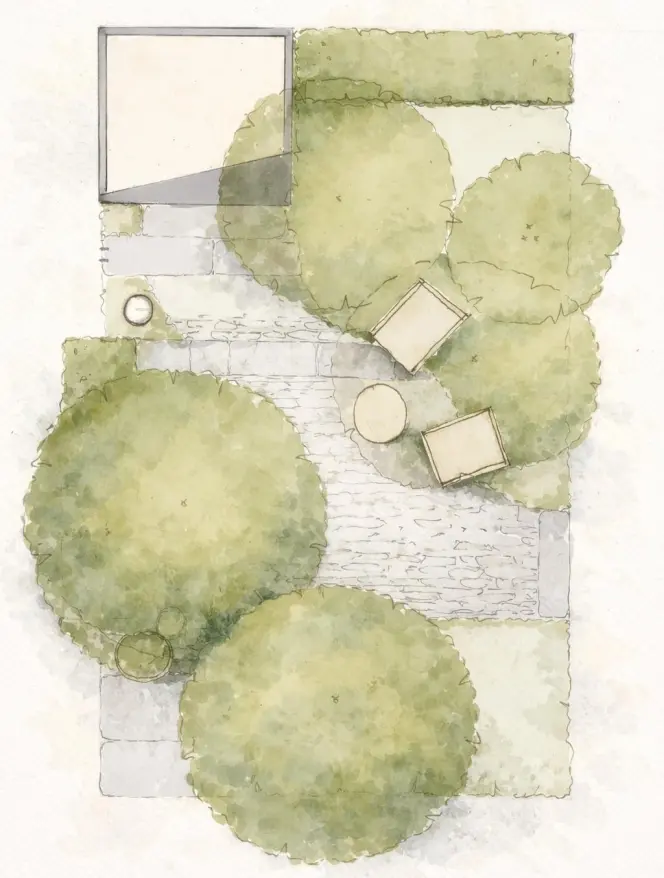
The first show garden, called “Calm in the Cotswolds”, represents a typical back garden with an outdoor sofa, a patio table and chairs, outdoor lighting, a pizza oven and a barbecue. “The inspiration was outdoor living — it’s almost another room outside,” Keightley says.
Importantly, he says the AI design process has considered how people will move through the space and how a furniture-filled garden will look from inside the house. Plants are placed in visitors’ sight lines to frame important areas and create intrigue, while the configuration of the furniture “came as a nice surprise” to Keightley.
“The way the app set out the furniture was something I probably wouldn’t have done myself — I would have put the dining area where the sofa is, among the plants and under a tree, and the sofa at the back of the garden so that when you’re socialising, you’re looking back at the house. But having it the other way round is effective. The app has understood scale and proportion, and how a space should be zoned.”
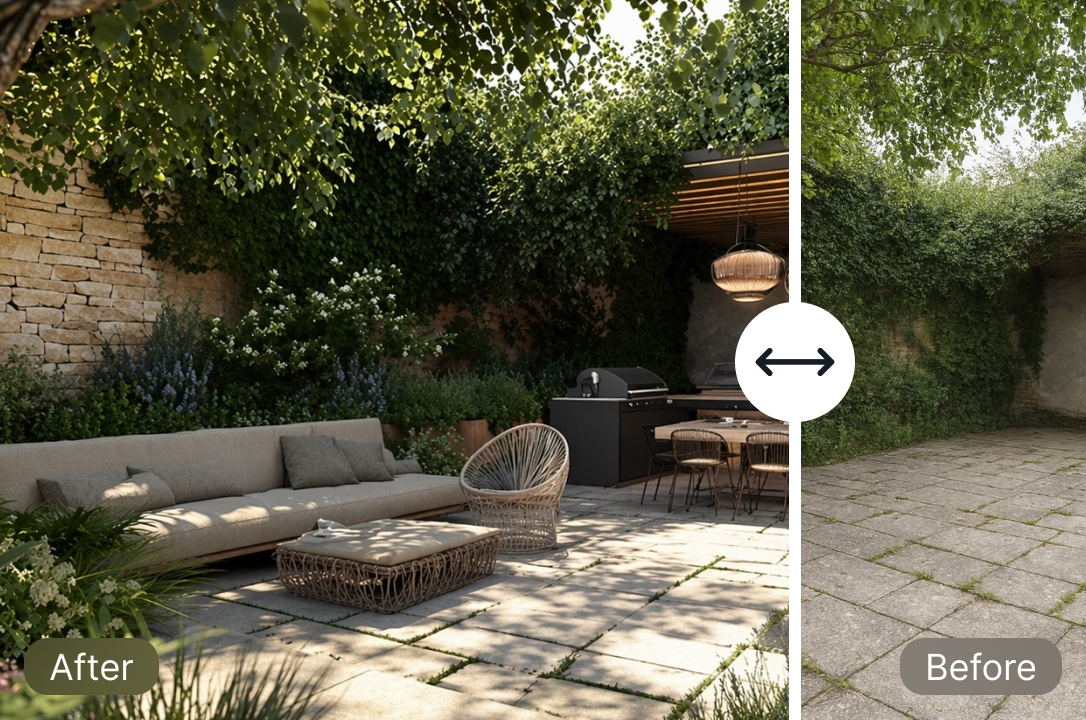 The app has transformed this empty paved space into a sociable retreat
The sofa — which is right in the heart of the garden — is an inviting space. “If you go to that sofa, you know you’re going to be surrounded and enveloped by plants. The design is placing the trees and the plants in the right places to compel you to move into and through the garden.”
The unusual layout of the furniture has given the entry point to the garden a panoramic feel and demonstrates the AI’s “deep design knowledge”, he says. “It blew me away, seeing it. I’ve got 25 years of experience in this industry and to have the app show me something that I was really pleased with —that was the success point for me.”
This Cotswolds-style garden is planted with beds of the semi-evergreen tufted grass anemanthele to add movement, viburnum to add height and rosemary bushes to add aroma as visitors brush past them. “Everything about this garden is fun and exciting, it makes you want to be there and hang out by the pizza oven.”
Win the Garden: £50,000 transformation giveaway
To celebrate its launch, Spacelift is offering one homeowner the chance to win the “calm in the Cotswolds” garden — worth £50,000 — redesigned and installed in their own outdoor space by Matt Keightley and the Spacelift team. The competition runs throughout Chelsea week (May 19-23) across the gardens, Spacelift’s social channels and partner media.
Find out more: Spacelift Times giveaway
Although Keightley revised the AI’s suggested planting scheme, to ensure the garden would look its best in mid-May at Chelsea, he says the app “got close” to what he wanted first time.
Being able to swap plants in and out, and see how that changes the look and feel of a garden, is part of the fun, he says. “Instead of going through a process and getting one or two garden designs, which are fixed, you have the ability — before implementing anything — to move things around.” He compares it to playing with a doll’s house. “You can try different styles, different furniture — you can explore before you commit.”
Woodland inspired
 A “woodland-inspired” garden featuring a sauna and cold shower
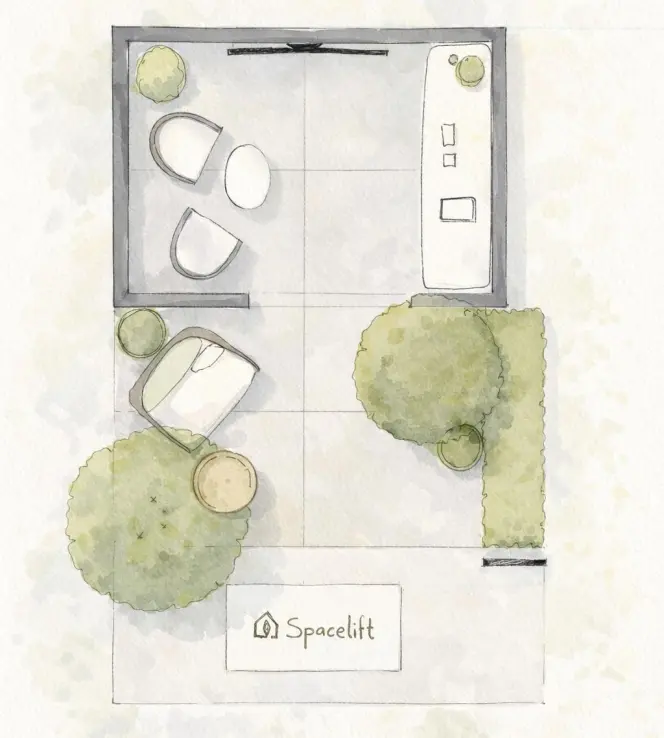
The second show garden he is exhibiting is a “woodland-inspired” paradise that has a sauna and cold shower at the bottom of the garden: “This is for people who may be starting with an overgrown garden, with weeds and bushes everywhere. This design almost leans into that, suggesting you don’t have to do as much as you think — just carve out the right path or seating area, and you can create something beautiful.”
Even in this garden, however, there is an exhibition of restraint in the selection of just a handful of key plants. “I think the trap that DIY garden design enthusiasts often fall into is going to a garden centre, picking one of everything they like — and hoping it’s going to work. Actually, what we’re trying to show them is, if you use a more considered and restrained palette of plants, the lasting effect is much more impactful and creates a better experience of the garden. It puts you at ease.”
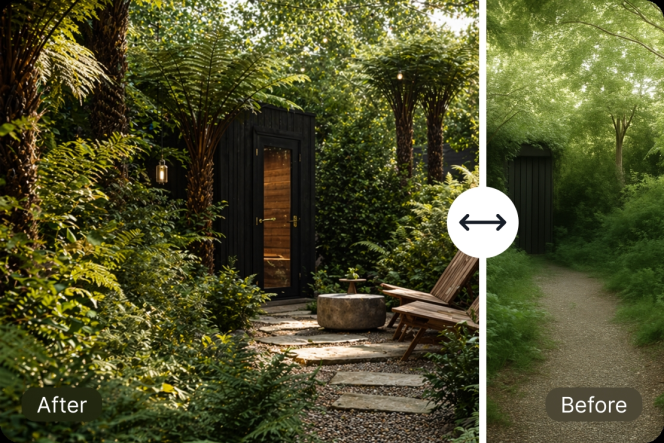 This redesign leans into the garden’s overgrown character
To create a layering effect, the garden will include Dryopteris atrata (a low, elegant wood fern that can cope with underwatering, deep shade and drought), osmanthus (a tall evergreen shrub that thrives in the shade and flowers in winter) and sarcococca (a sweet-fragranced mid-height evergreen bush with dark glossy leaves). “Especially in a small space, layering your choice of plants is important because it provides a change in texture and tone and gives an exaggerated depth and perspective through the garden,” he says.
“People might have a preference about the types of plants they want to use — such as evergreen or perennial — and then the app, because of the design rules embedded in it, will help steer them into creating layering effects and choosing the right amount of each species.”
Minimalist balcony
 This balcony garden uses evergreen and trailing plants
The third garden he is showing is a minimalist balcony terrace garden in a modern luxe style. The AI recommended a planting scheme that is 70 to 80 per cent evergreen and 20 to 30 per cent perennial, with lots of trailing plants. “The more greenery you have on your balcony, the more beautiful it’s going to look, and trailing plants help soften the hard surface of all the planters you need to use,” Keightley says.
The design also suggested investing in “sculptural, artistic” furniture, which Keightley says is key for this sort of garden: “You’ve got no choice but to look at what you put on the balcony when you are inside, looking out, so the selection of the furniture is much more important than usual.”
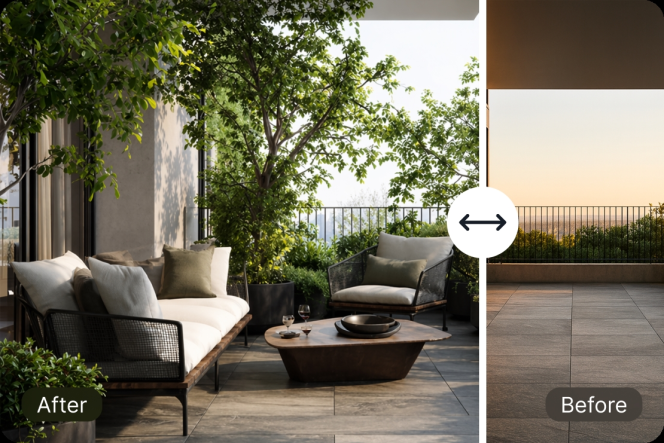 A Spacelift design introduces “sculptural, artistic” furniture to a bare space
To keep the view interesting, amelanchier — a small ornamental tree that blossoms in spring, has rich green leaves in summer and goes “a shocking orange and red in the autumn” — is planted in one of the pots. “It gives you an incredible display and is pretty bombproof, because up on a terrace, the wind dries everything out.”
By sharing his knowledge and experience via the app, he hopes he will empower more people to create beautifully designed gardens. “The whole point is to help roll out thousands more well-planned, well-considered spaces, with the right planting schemes, that wouldn’t exist without the app. The technology is there to inform, influence and steer the process — but ultimately the outcome we want is for more humans to feel capable of building and nurturing their gardens, and embracing wildlife and nature.”
Comments are closed.