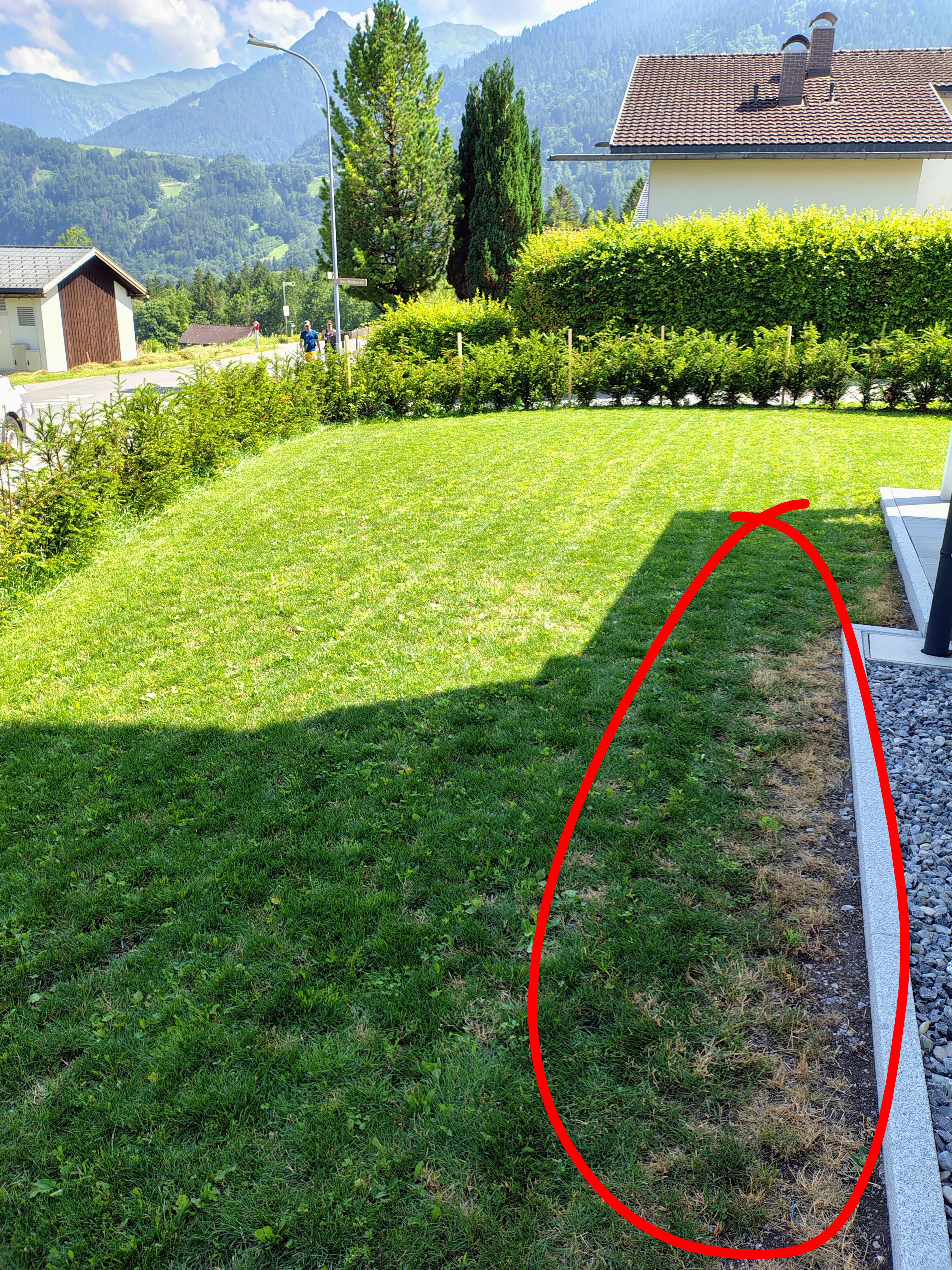
What to do about this area, so it doesn't die within a few days of neglected care? (central Europe)
by largpack

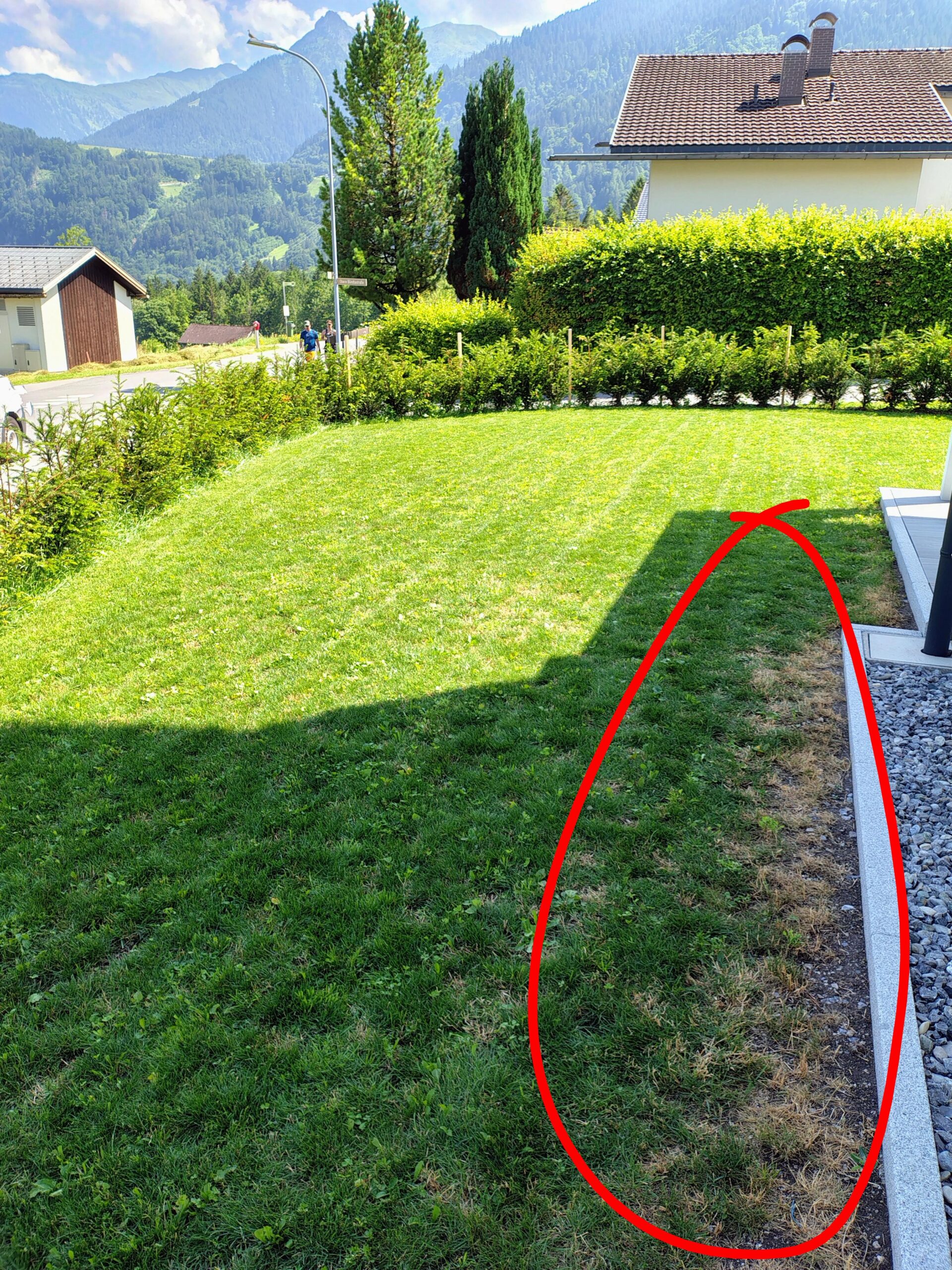
What to do about this area, so it doesn't die within a few days of neglected care? (central Europe)
by largpack
17 Comments
Have you tried digging a little to see if there is only a small layer of soil and maybe rubble / concrete underneath?
The stone barrier likely retains and radiates heat
I bet if you dig down there, you won’t find much topsoil. My bet is a layer of gravel or even concrete about 2-4 inches down that was placed during the construction of that border
Can we talk about your view first?! Holy smokes thats beautiful!
You can see that there are a ton of rocks right there in the ground. Grass can’t grow on top of rocks so you are going to have to remove that if you want success. Rocks under the soil will also be a problem.
That view wow. Where do you live?
It’s really rocky and along that edge so heats radiating like crazy especially with the rock bed right there as well. With rocks at the surface like that it boils the roots. You can dig down a few inches and put in fill dirt or top soil then reseed it’s that. That should help out. That area does look
i’ve been through this today and the answer is something is buried there, most likely cement.. go about 20cm deep
As others have said, near concrete and possibly rock underneath is the problem.
You could try regrading up to the concrete. That should be a few more inches of dirt to work with. Or you can put a small flower bed in between the concrete and grass.
Your grass type matters too. For example KBG has rhizomes and can spread further out filling in those areas.
1. Concrete gets hot, stays warm without direct sun
2. Concrete sucks up water and the soil gets dry. You could paint it with bitumen or similar. And/or you bury a drip hose to keep it humid.
Some things to consider:
* If you have sprinklers, check the pattern/adjustment. It’s not uncommon for edges to get less water. In my yard, I have to overwater beyond some edges in order to actually get enough water on the edges. A bit wasteful, but I don’t know of any other way with regular sprinklers.
* From the photo, this appears to be the high spot in that part of the yard so it will always have less water (water in the soil migrates downhill). As water needs rise when the temperature goes up, this area gets stressed first.
* If there’s a roof nearby (which seems like that may be the case based on the shadows), this may get less exposure to natural precipitation
* As others have said, there could also be a soil issue here since this was likely very disturbed during construction and it’s right next to hardscape.
Possible Solutions:
* If you’re relying on sprinklers, see if they can be adjusted for better coverage.
* Hand watering when it’s warmer
* Install a strip of drip irrigation along the concrete border on a separate control so you can dial in exactly how much water that top edge needs. These can be installed above or below grade though they don’t last forever so installing them below grade will inevitably need some more involved maintenance. My neighbor did an entire underground drip system for his lawn. That was about 5 years ago and it’s still going great so I’m not sure how long they last.
* Extend the hardscape a bit more so that you don’t have grass as close to the roof and the grass at the new edge will get enough natural precipitation and make sure the ground next to the new hardscape boundary is good for growing.
Maybe if the sun burns those edgers for a while it might be too hot
I live in Munich and had similar a similar problem. Before you start digging around you can overseeding with a different (or mix of different) seed mix.
When I first moved in I seeded with a shade lawn mix but the first summer I had a lot of brown patches July-august. I mixed together a bag of playground and full sun/drought tolerant seed and seeded on top and it worked well.
Concrete can burn plants if too hot and close, also it looks like rocks are spilling out of the concrete area and getting mashed into the soil.
Hallo Nachbar lol
Make a nice little border of mulch or stone there. Easier to maintain.
Concrete leaches Calcium carbonate and salts that make the soil far too alkaline, hindering nutrient and water absorption. Grass is not recommended up against concrete. A flower/shrub bed with mulch is preferred.