
 4 min read
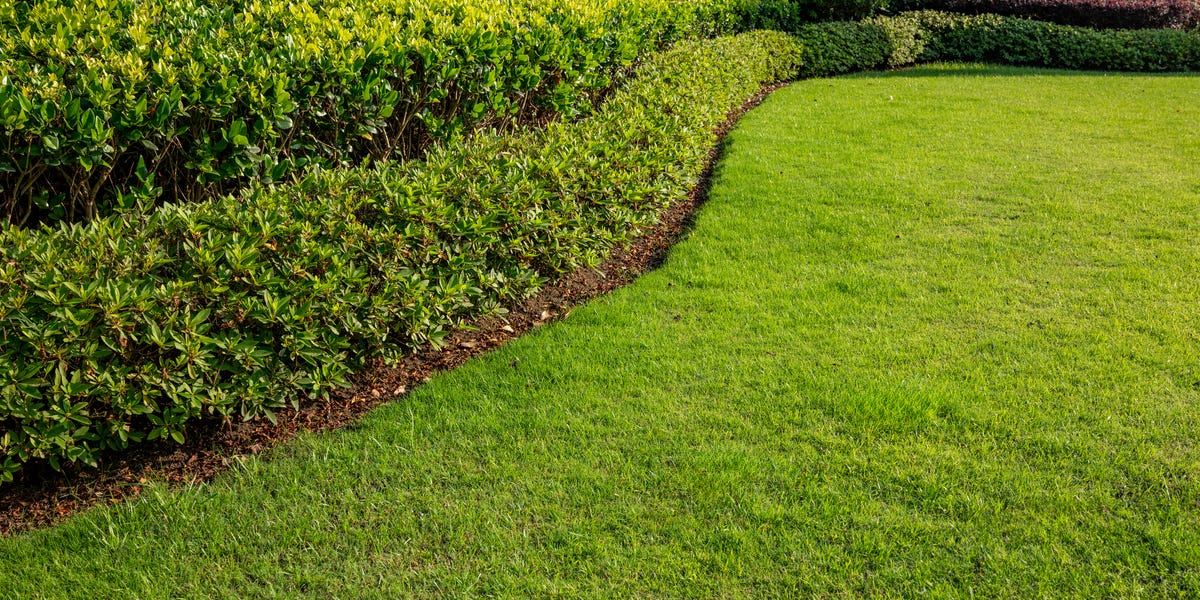
You might dream of having a lush, perfectly green lawn without a single weed or patch of clover in sight, but the truth is, achieving that kind of yard takes effort and a solid game plan. A flawless lawn doesn’t happen by accident. The good news is that there are simple steps you can take during spring to help keep your grass healthy and vibrant all summer long.
The first thing you need to do is figure out what type of grass you’re working with. Lawn grasses generally fall into two categories: warm-season and cool-season varieties. Warm-season grasses—including bermudagrass, zoysiagrass, centipedegrass, and St. Augustinegrass—thrive during the hottest months of the year, typically from May through September, and are most common in Southern regions.
Cool-season grasses, on the other hand, such as Kentucky bluegrass and tall fescue, grow most actively during the cooler parts of the year, especially spring and fall. These varieties are typically found in northern areas, though some regions in the middle of the country may contain a mix of both types. If you’re unsure which kind of grass is growing in your yard, your local university co-op extension service (find yours here) can help identify it.
After you know what you’re dealing with, you can start taking the right steps to prepare your lawn for the months ahead. Here, Clint Waltz, Ph.D., turfgrass scientist and researcher at the University of Georgia College of Agricultural & Environmental Sciences, shares his best advice for getting your lawn in shape now so it stays green and healthy through summer.
Related Stories:Aerate Your Lawn
Roots need oxygen. If soil becomes compacted (from kids, pets, or vehicles), aeration can open up the soil and create larger pores for air to fill, allowing roots to breathe and stimulating new growth, says Waltz. There’s no single recommendation on how often to do it; lawns may need to be aerated annually or every few years (or not at all), depending on the soil type and lawn usage. Aerate only when your type of grass is actively growing.
Sharpen Your Mower Blades
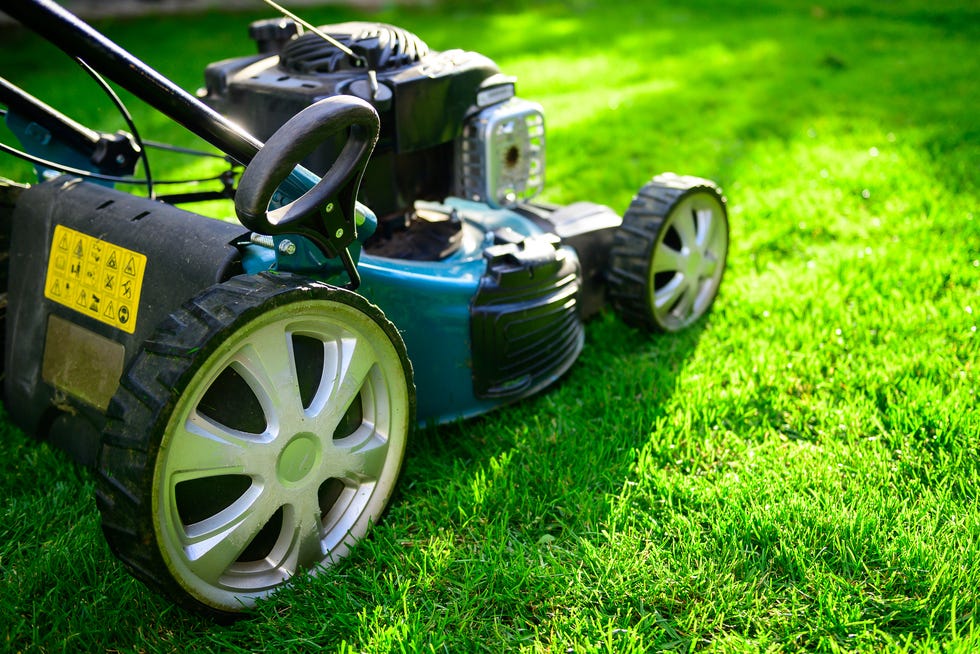
Dull blades tear, rather than cut, grass.
“A poor quality cut compromises the appearance of the lawn and opens the plant up for stress from disease and insects,” warns Waltz. Dull blades? No worries! Most mower blades can be removed and taken to a small engine repair shop for sharpening.
Stefan Cristian Cioata//Getty Images
Mow at the Proper Height
Many people mow their grass super-short, hoping their lawns will look like a putting green. But that’s actually one of the absolute worst things you can do to your grass.
“There’s an optimal mowing height for each grass species,” advises Waltz. “When you mow at the proper height, you give the grass a competitive advantage because you optimize canopy density, root depth, and volume.” Turf can pull water from a greater depth to withstand drought, and a dense lawn makes it less likely for weeds to pop up.
Cut Your Grass When It Needs It
Mow your lawn when it needs it, not on a weekly schedule, says Waltz. For example, if there’s a dry spell, cool-season grasses may need mowing more frequently (every four or five days in spring when it’s actively growing) or less frequently (maybe every few weeks in the summer). Also, try not to mow right after irrigating or heavy rains because the mower can make ruts in the ground, and you’re more likely to compact the soil.
Let Grass Clippings Stay Put
If you have a mulching mower, it’s not necessary to pick up clippings; leaving them to decompose adds nutrients to the soil and can reduce the need for fertilizer by up to 30 percent.
Get a Soil Test
This will help you figure out what your turf actually needs—or doesn’t. It also can determine soil pH, which can guide you as to whether or not you need to lime your yard. Applying lime to make adjustments to the soil pH fosters more efficient use and uptake of nutrients (fertilizer), but it requires several months to have an effect.
Ali Majdfar//Getty Images
Use Pre-Emergent Weed Control
Apply before soil surface temperatures reach 55 degrees, which is when crabgrass germinates. Don’t watch the calendar; do it when environmental conditions are right in your area (find current soil temperatures here).
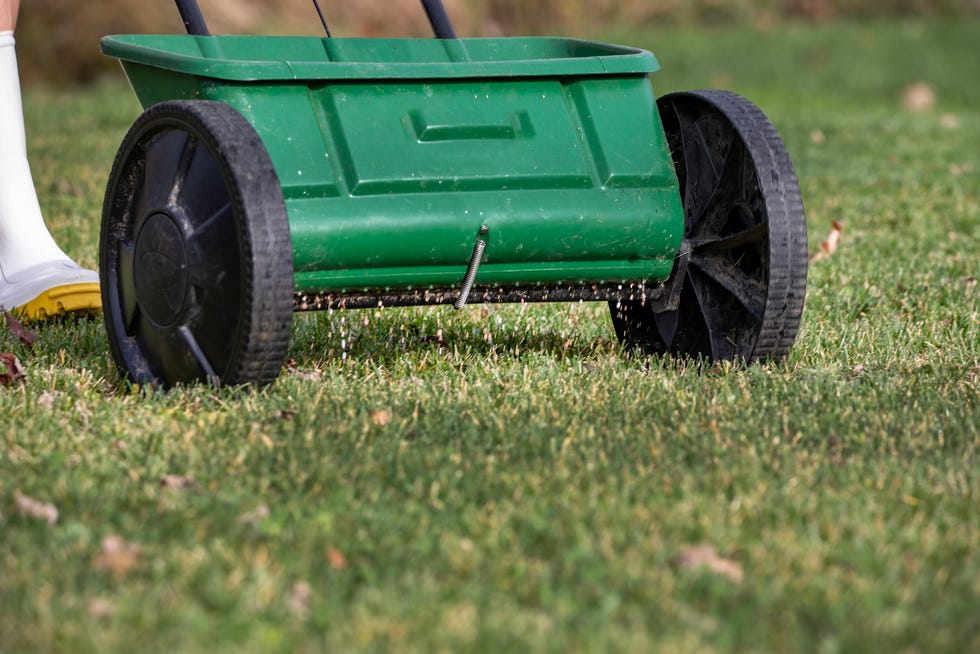
Grass can’t use fertilizer before root activity starts, so don’t put nitrogen down too early, or it just gets wasted, leaching into groundwater. Late spring is typically the right time to fertilize warm-season grasses. Mid-spring (after the snow melts) is good for cool-season grasses. Check with your co-op extension service if you’re not sure what timing is ideal for your region.
Mow in Alternating Directions
Mow in a different pattern each time you cut. If you’re taking the same path, odd patterns form over the grass in time.
Follow House Beautiful on Instagram and TikTok.
Comments are closed.