
As homeowners look for ways to combat climate change and rising water costs, Nebraska gardening experts say some are shifting from manicured lawns to native plants.
Carol Rustad and Karna Cronn, both master gardeners with the University of Nebraska- Lincoln Extension, have seen an increase in inquiries about native plants and pollinator lawns.
“The movement is out there to get back to native things. We want to feed the bees. Because if we don’t have bees, we don’t eat,” Cronn said.
While some are driven by environmental concerns, many residents are turning to native species for practical reasons.
Native plants are better equipped to handle Nebraska’s harsh wind and fluctuating temperatures.
“The main thing that frustrates people is planting things that don’t do well,” Rustad said. “If you buy something from North Carolina and try to plant it, it probably won’t grow.”
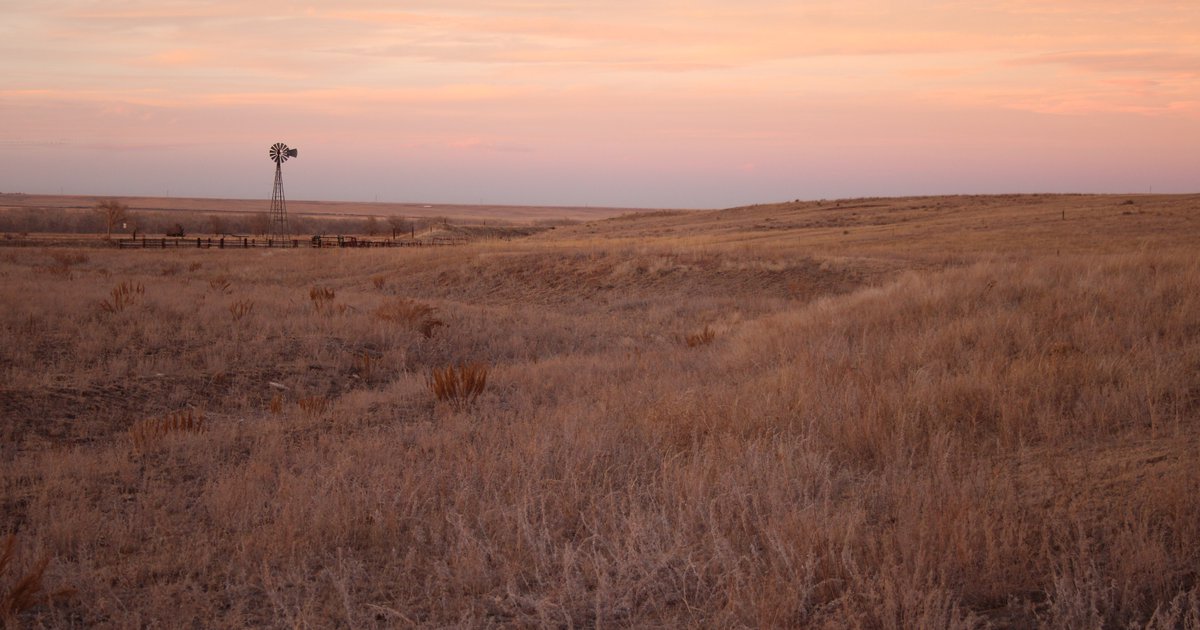
For those looking to transition, they recommend starting with native grasses like big and little bluestem. The species are foundational to the region’s virgin prairies, native grasslands that haven’t been plowed or heavily disturbed, and are resilient and low maintenance.
Cronn warned that having a successful pollinator lawn requires homeowners to welcome species often considered weeds, such as violets and wild strawberry plants.
“You have to not have the idea of a beautiful bluegrass yard,” Cronn said. “Grass, I think, is overrated.”
Cronn also advised residents to avoid herbicides and insecticides to further protect local pollinator populations.
Beyond just ground plants, Rustad noted the need for planting trees because many have recently been removed due to disease and drought stress. Native trees such as the bur oak provide shade, reduce soil erosion, provide shelter and food for wildlife and add overall beauty to Nebraska.
“We need more trees,” Rustad said. We’re losing our trees so fast, it just makes me sick. I get ill when I see the trees being taken out and they’re just old. We need to plant more trees.”
For more local advice, contact your local UNL Extension office or call the Nebraska Extension Master Gardener hotline.
Comments are closed.