
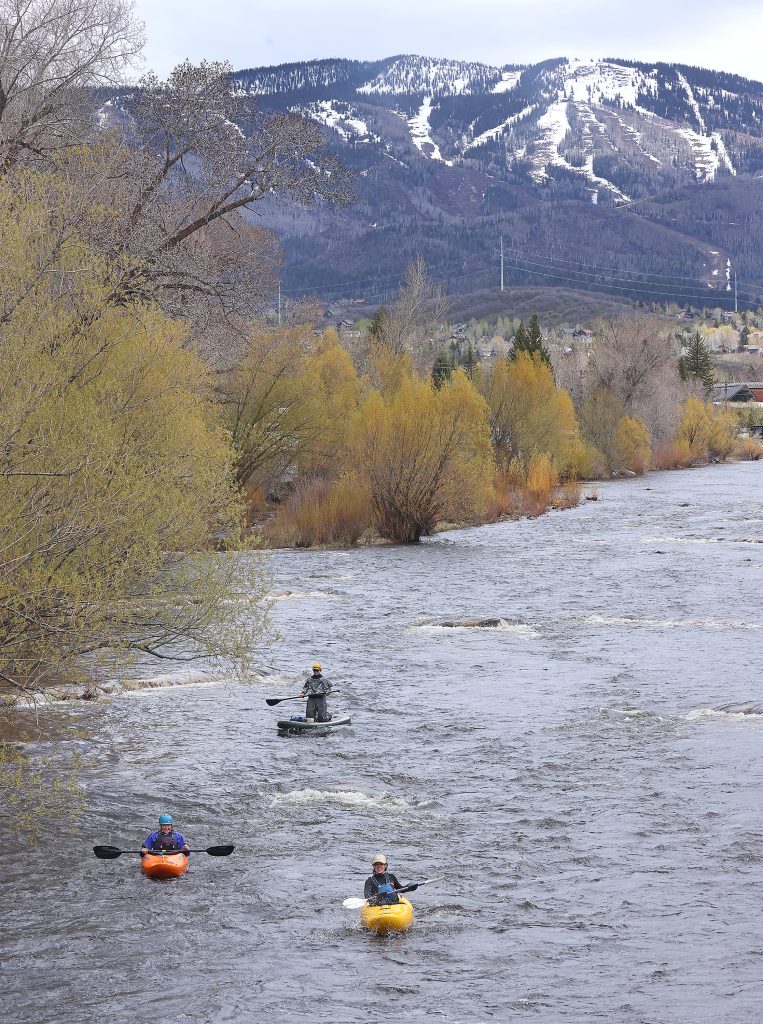
In Northwest Colorado, snow has always been more than a scenic backdrop for winter postcards. It’s been the quiet business partner of gardeners, ranchers, and farmers alike. Each spring, melting snow seeps into the soil, refills groundwater reserves, and sets the stage for our growing season.
But as winters grow shorter and less predictable, the rhythm of gardening in the Yampa Valley is changing too. Understanding the link between snowpack and soil health helps us adapt, not just our calendars, but our expectations.
Snowpack simply refers to the layers of snow that accumulate over the winter in our mountains and valleys, acting as a natural reservoir that stores water until it slowly releases it during spring melt.
In years with deep, steady snow cover, meltwater is released slowly, soaking into the soil and nourishing plants well into early summer. Gardeners benefit from moist seedbeds and fewer hose-dragging sessions in June.
When snowpack is thin or melts too quickly, however, the story changes. Soils dry out earlier, leaving vegetables, ornamentals, and even hardy perennials more vulnerable to spring winds and summer heat. In drought years, many gardeners notice they’re watering sooner and more often.
Local Steamboat gardeners have long joked that planting season officially begins “when the snow finally melts off Emerald Mountain.” While that rule of thumb still works some years, it has become far less reliable. April thaws followed by late-May snowstorms can lure seedlings into false confidence before a surprise frost sends them back to square one.
A smarter approach is to follow soil temperature rather than the calendar. Most vegetables prefer consistent soil temperatures of 50–60°F before planting. A simple digital soil thermometer can save gardeners from wasted seed, stunted growth, and a whole lot of colorful words in the garden.
With earlier snowmelt and hotter summers, soil moisture vanishes quicker than optimism during fourth mud season. That makes organic matter more valuable than ever. Compost improves water retention, mulch reduces evaporation, and cover crops protect soil structure while building long-term fertility.
Some gardeners are even experimenting with “snow capture.” Strategic placement of windbreaks, fencing, or raised beds can help trap drifting snow where it does the most good, right in the garden, instead of melting away in the driveway.
Looking ahead, resilience is the new green thumb. Successful gardeners are diversifying plantings with early-, mid-, and late-season crops, choosing drought-tolerant varieties, rethinking irrigation with drip systems and moisture sensors, and extending the season with cold frames and row covers that give plants a head start regardless of snow timing.
The future of snowmelt gardening may look different than it did a generation ago, but it’s far from bleak. By paying closer attention to soil conditions, water management, and seasonal patterns, Routt County gardeners can continue to grow thriving gardens and a little extra character along the way. After all, adapting has always been part of gardening here. We’re just doing it with a bit more intention.
Sarah Storm is a Master Gardener in Steamboat Springs who helps local gardeners understand how shifting snowpack, soil health, and water use shape the future of growing in the Yampa Valley.
Have gardening questions? The CSU Routt County Extension Office and Master Gardener Help Desk are available Thursdays, 10 a.m.–1 p.m., May through September. Call (970) 879-0825 or email rcextension@co.routt.co.us.
Comments are closed.