
 2 min read
Of all the types of hydrangeas, one stands above the rest in my book. No, it’s not the blue and pink showstoppers that take over Instagram in summertime. The beauty of oakleaf hydrangea (Hydrangea quercifolia), native to the Southeastern United States, is a little quieter—but it’s worth a closer look.
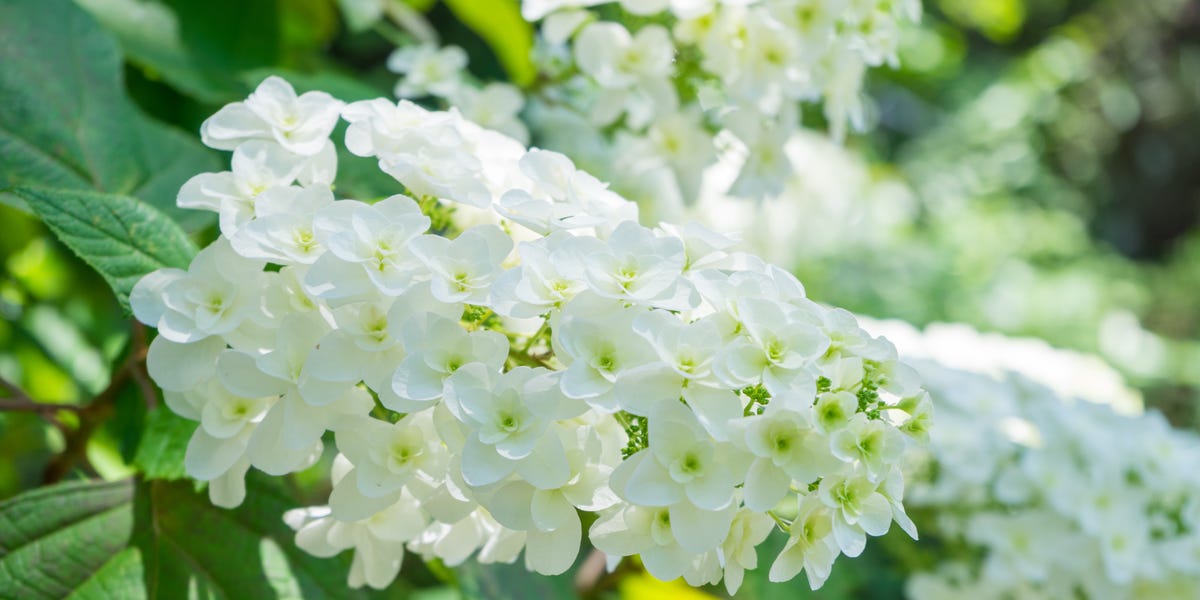
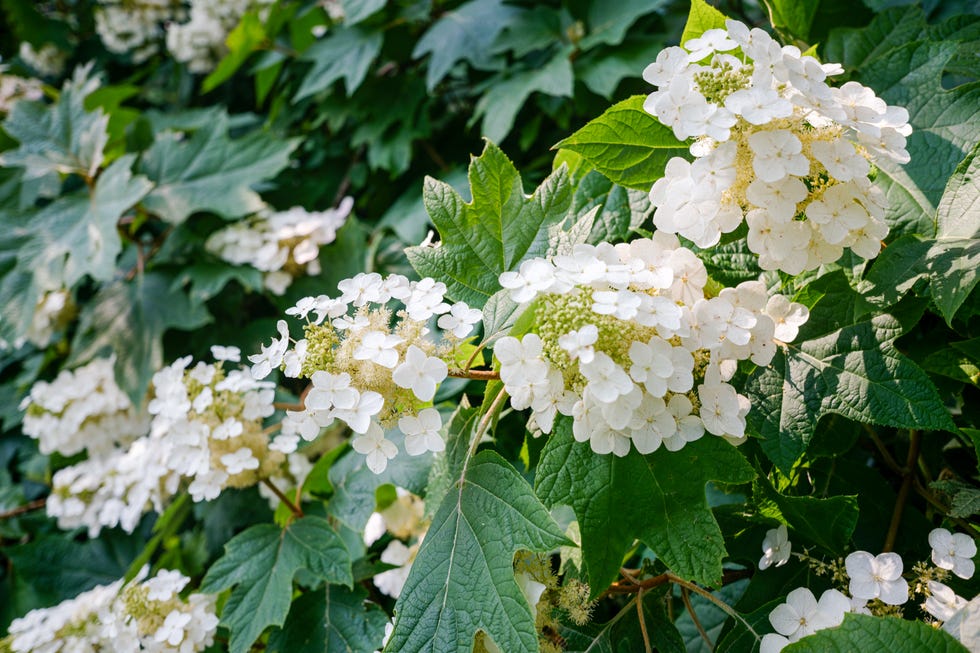
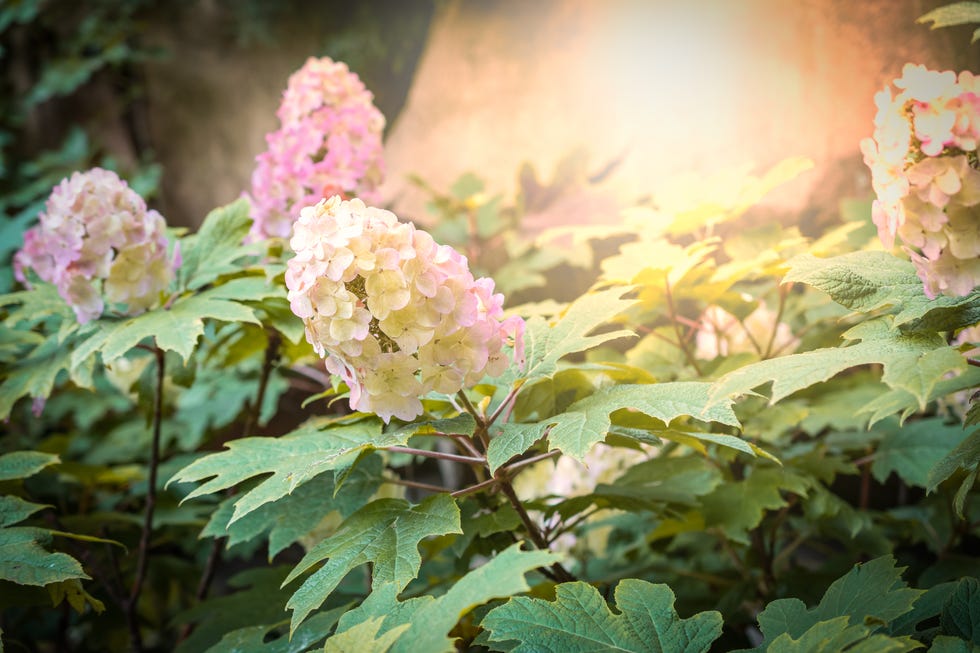
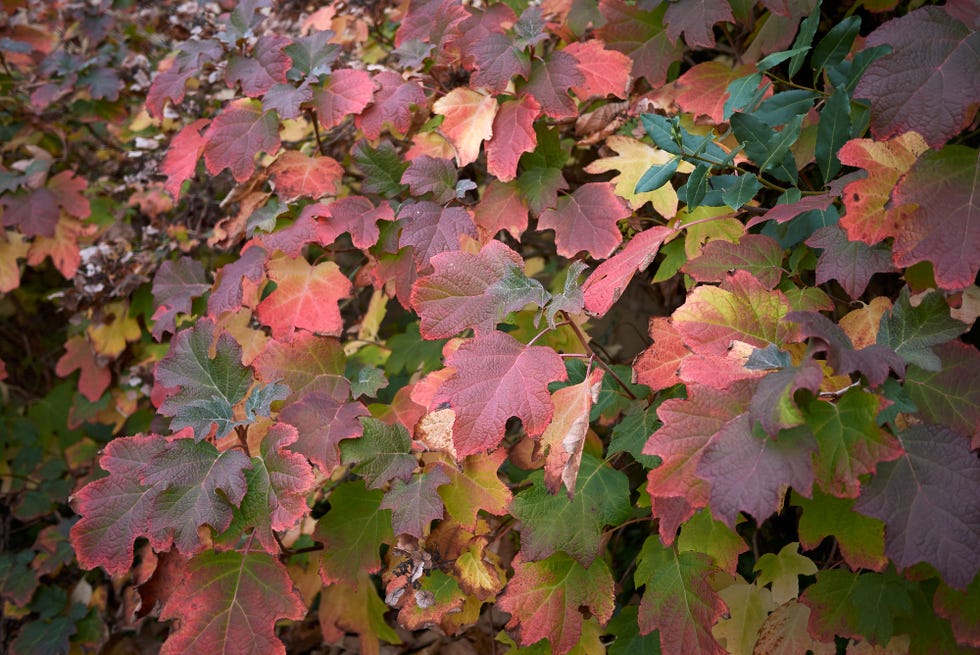
This deciduous plant blooms earlier than many other hydrangeas, producing cone-shaped white flowers that gradually turn pink or green as the season goes on. Its large, oak-shaped leaves add texture through spring and summer, then shift to deep red and orange in the fall. Even in winter, its peeling bark gives it visual interest.
Here’s why it stands out:
• Four-season appeal—blooms, foliage, fall color, and winter bark.
• Relatively low-maintenance—especially once established.
• Flexible size—typically 4 to 8 feet tall, with compact varieties available.
• Pollinator-friendly—attracts bees and butterflies.
• Adaptable—handles a range of conditions with the right placement. It’s hardy in USDA plant hardiness zones 5a to 9b (find yours here).
Oakleaf hydrangea grows best in well-draining soil and prefers consistent moisture, especially while getting established. It does well in part shade and morning sun—especially in warmer climates—though it can tolerate more sun in cooler regions. In southern climates, it can handle more shade, but flowering may be reduced in deeper shade.
While it prefers slightly acidic soil, it can adapt to different soil types, including neutral soils.
 Grace Cary//Getty Images
Lobed foliage resembles oak leaves.
 NANCY PAUWELS//Getty Images
White blooms turn pink or green with age.
 seven75//Getty Images
In the fall, the foliage turns beautiful colors.
Planting TipsPlant in fall or early spring after frost riskSpace plants 4 to 8 feet apart to allow for mature spreadLoosen roots before planting if pot-boundCare Basics
Prune in summer after blooms fade to shape the plant, but avoid pruning too late in the season or you risk cutting off next year’s flowers. It spreads by suckers, so trim those back if you want to control its size. It’s also easy to propagate by cuttings or by burying a branch if you want more plants.
If you want a shrub that actually pulls its weight in your yard—bringing color, structure, and interest through every season—oakleaf hydrangea is one you’ll be glad you planted.
Comments are closed.