
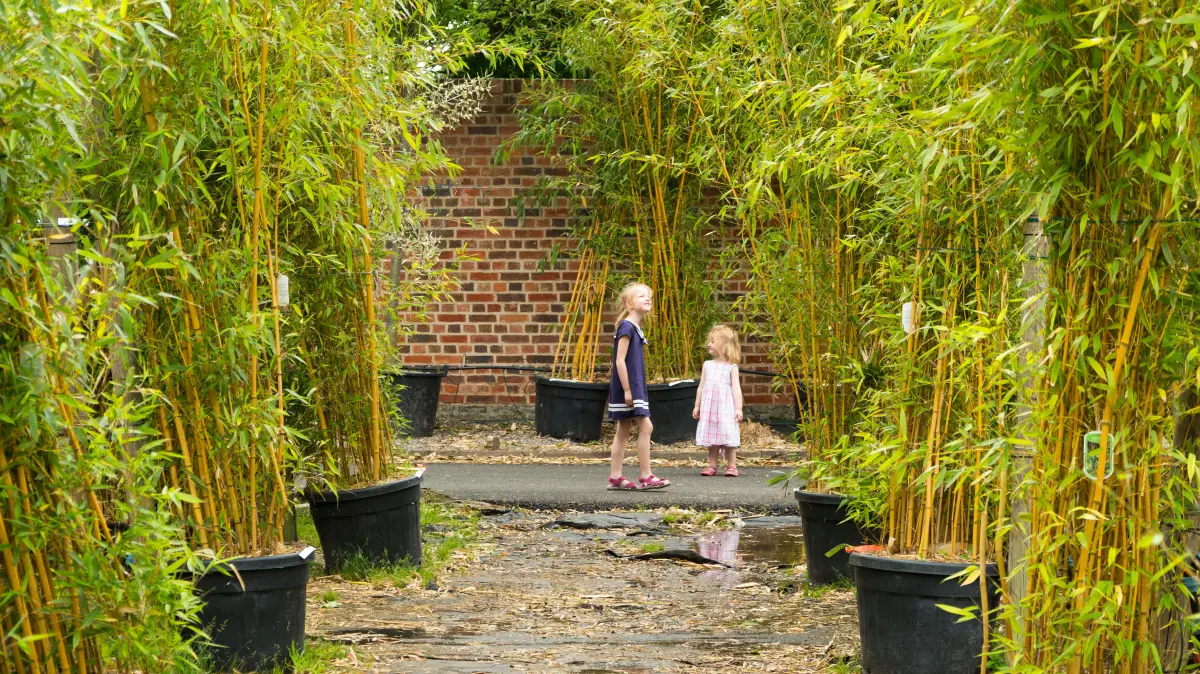
It’s Japanese knotweed season, and many buyers and surveyors will be on the lookout for those devilish reddish-purple shoots. But perhaps less on people’s radar will be bamboo, which despite having a tamer reputation can actually spread further and quicker.
The fast-growing, hollow, woody plant has become staple in British gardens in recent years, the ideal choice for a border or privacy screen. But as it has become more popular, its invasive growth is increasingly causing boundary disputes and damage to property.
Despite the dangers, it is still possible to plant bamboo responsibly. Bamboo species are categorised as either running or clumping. Running varieties are the most aggressive, sending out rhizomes (underground stems) metres away from the main plant; species such as Phyllostachys can grow up to a metre in a day.
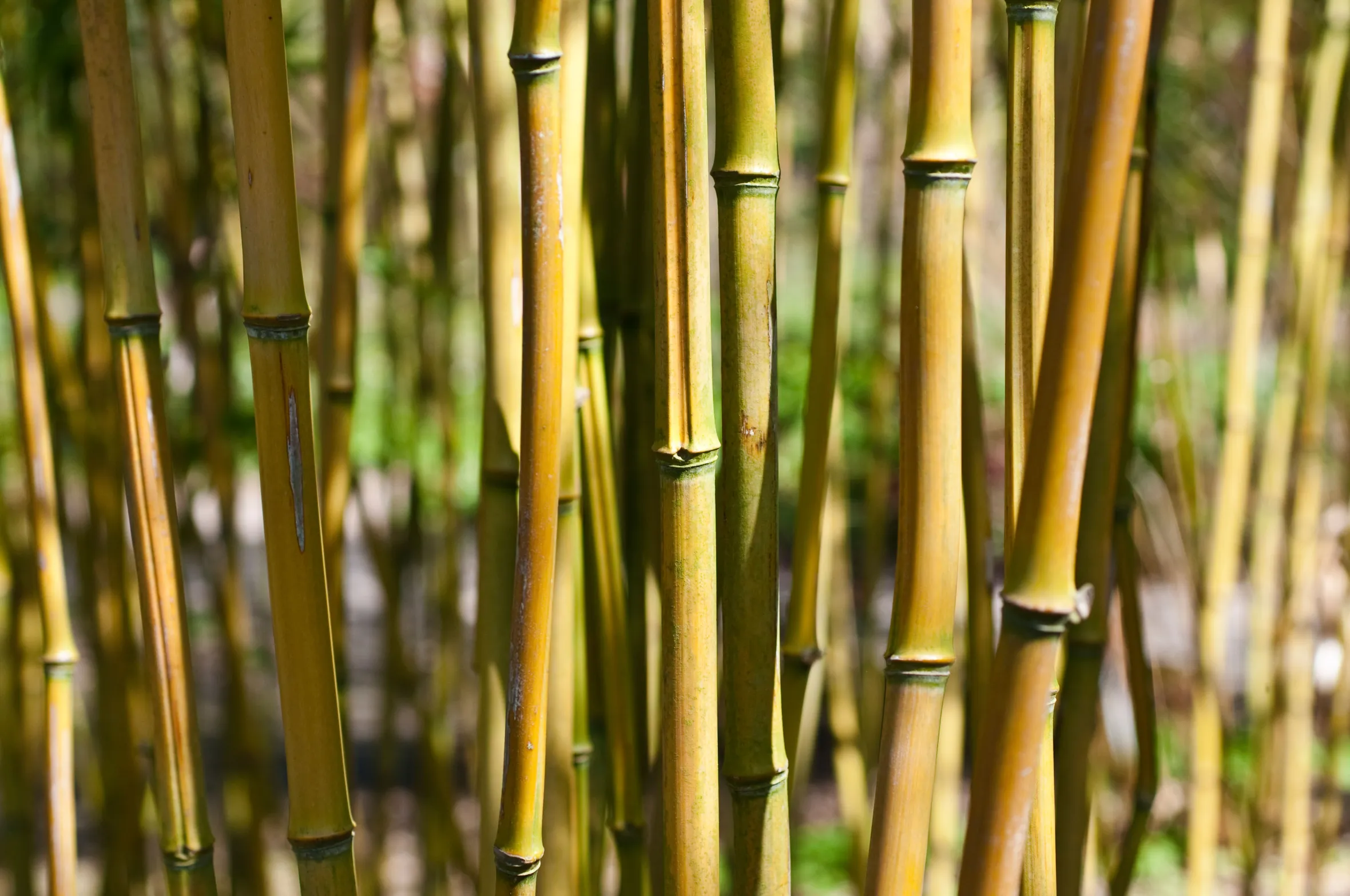 Bamboo Phyllostachys can grow up to a metre a dayAlamy
Clumping forms are much more manageable and the safe choice for any amateur gardener to add to their patch.
Property newsletter
Inside Britain’s most exclusive homes, plus what’s really going on in the property market.
Sign up with one click
Non-invasive and easy to manage
B&Q has spent the past three years working closely with specialist growers to develop and scale up production of Fargesia rufa, a form of clumping bamboo that produces new shoots close to the parent plant, resulting in slower, more controlled growth.
Typically it reaches about 3m in height and its dense habit combined with its tolerance for partial shade makes it a great screening option without becoming unmanageably tall.
Mark Sage, the horticultural lead buyer at B&Q, which has brought nine non-invasive variants to its stores this year, recommends Fargesia rufa, also known as dragon head bamboo, to get the look and feel of bamboo without the worry of it spreading out of control.
 Fargesia rufa bambooAlamy
“Fargesia rufa are clump-forming and non-invasive,” he says. “Traditional bamboo are able to travel metres underground, so [for these] it is recommended to plant a strong root barrier — but this is not required in Fargesia rufa.
“Both are evergreen with tall canes and narrow leaves. However, Fargesia rufa tend to be dense and bushy from the base, forming a tight, tufted clump with U-shaped rhizomes that grow in clusters an inch or so from the main clump.”
There are several other varieties of clumping bamboo available, such as Bambusa and Chusquea, but they tend to be less hardy in the UK weather or simply not as widely available.
“With growing awareness around the challenges of running bamboo, it’s not unrealistic to see clumping types becoming the go-to choice for hedging and screening in UK gardens,” Sage says. “For most gardens, especially in more built-up areas, it offers a really practical solution. You still get that lush, evergreen privacy and structure without the worry of it taking over.”
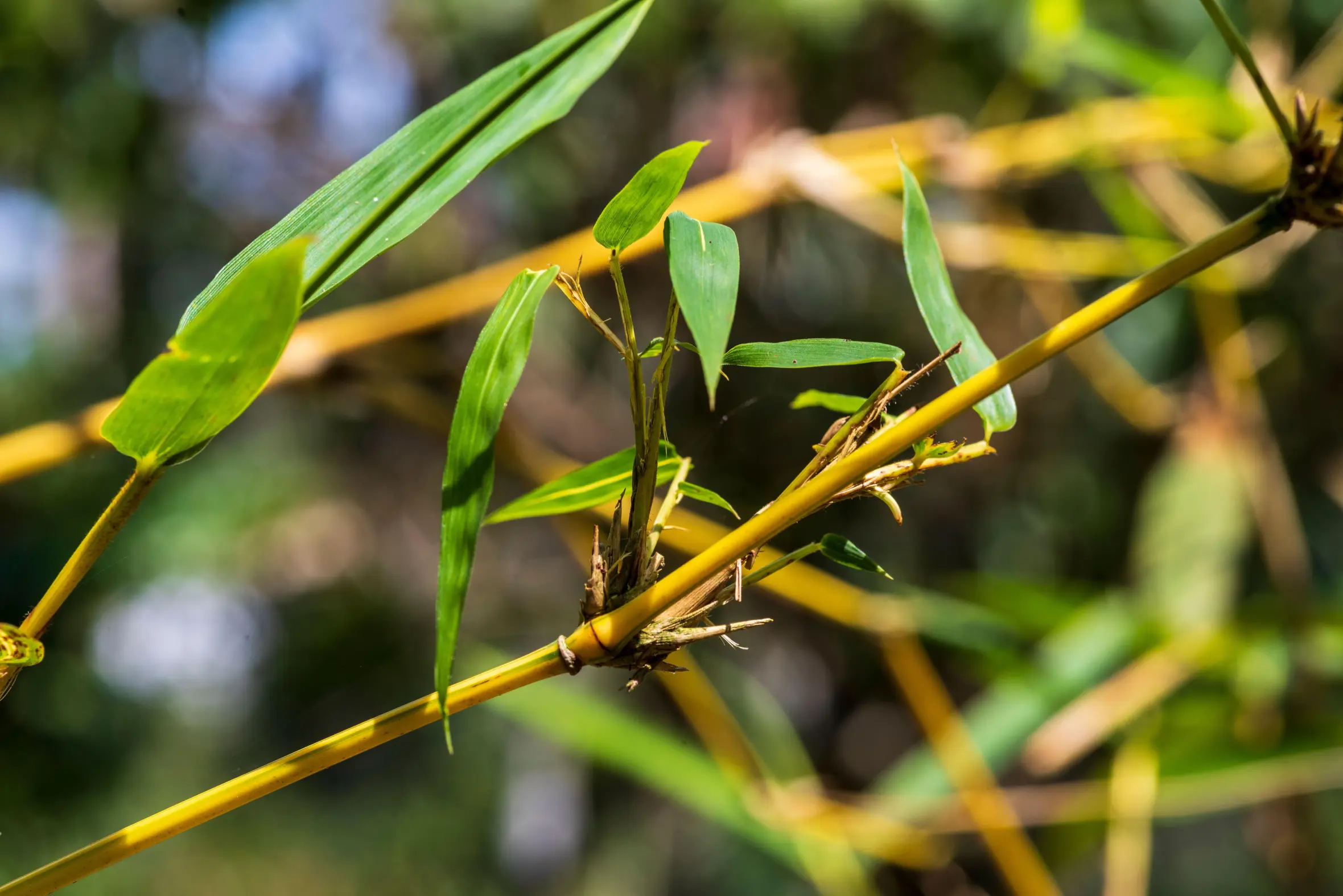 Bamboo BambusaAlamy
What to know about running varieties
Sage believes that traditional running bamboo can still be safe and effective in gardens if proper control measures are put in place, such as root barriers. “The reality is that for today’s hobby gardener who wants to plant bamboo, a lack of awareness of associated issues may not be apparent until it is too late.”
Britain’s first culm of bamboo arrived in 1826 as part of a Victorian-era obsession with importing exotic plants, especially from China and Japan. The Phyllostachys nigra (black bamboo) was tested at Kew Gardens for its hardiness. By 1891 it had 40 different species.
“Phyllostachys have culms [canes] which are more spaced out, run much further away from the main clump and are thicker and often coloured, including black, yellow or striped.”
Sage adds, “When managing running bamboo, it’s important to continuously assess the development of these stems, so you can avoid any damage to gardens and neighbouring property due to excessive growth. We also include planting guidance on our site across every plant, accessible to everyone.”
Comments are closed.