
In zone 6b. We bought this house not long ago and the mulch beds have a lot of plants that seem like they arrived on their own or propagated on their own cause they’re not organized. I was hoping someone could help me identify them and figure out which ones are beneficial to the environment and which aren’t. I’m also wondering what I should do about all the moss in the area. Thank you!
by Timely_Head976
15 Comments
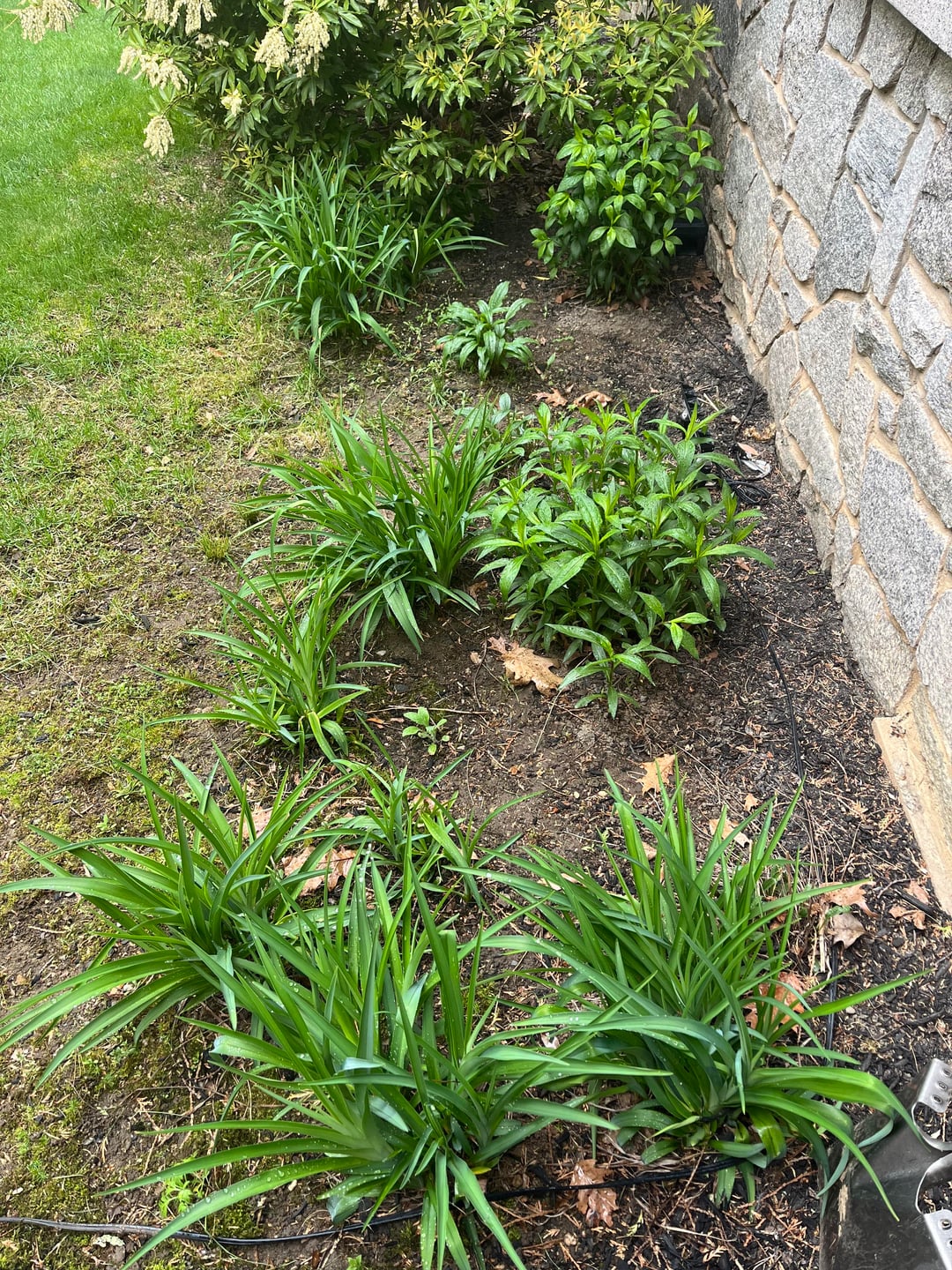
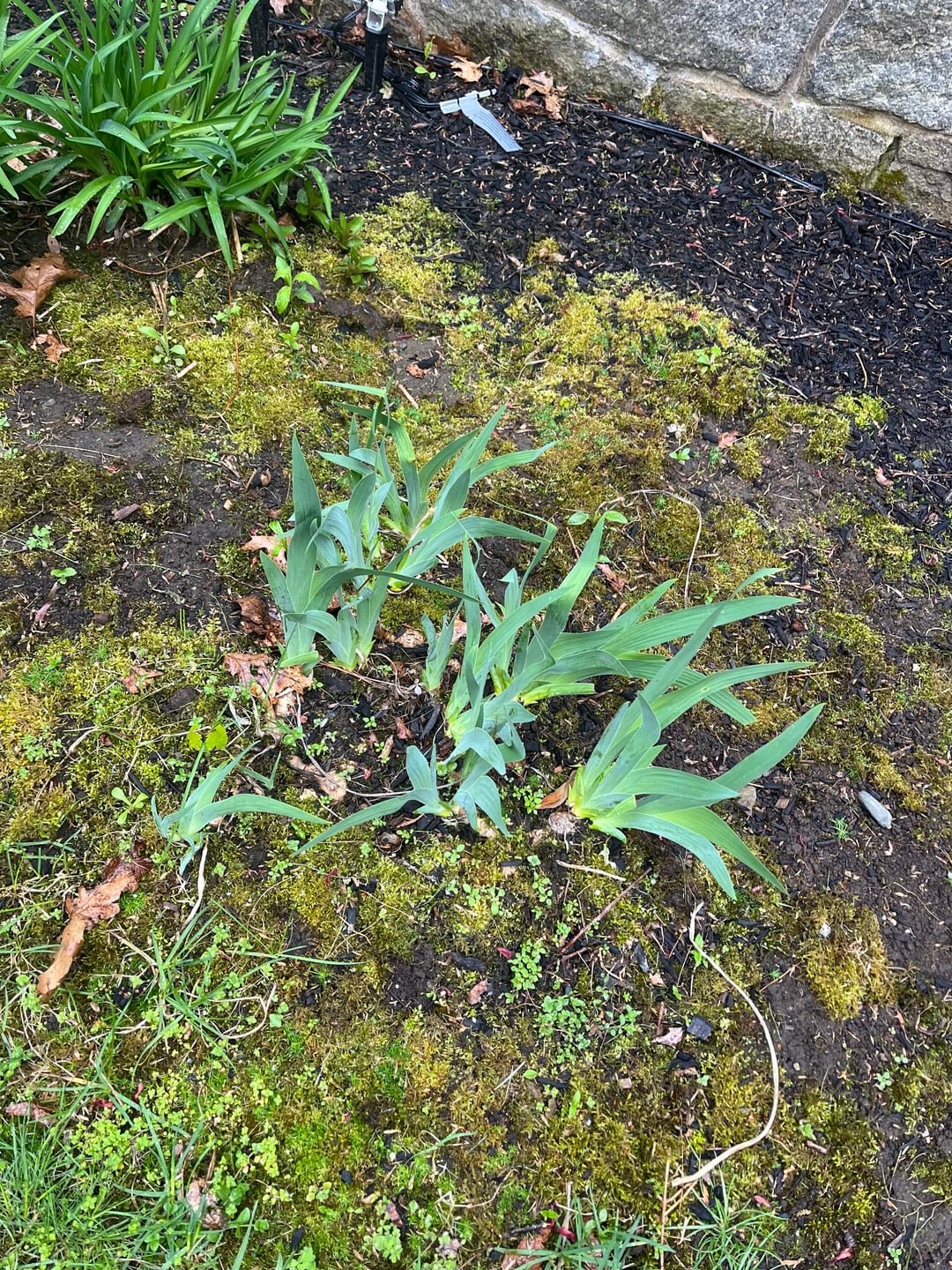
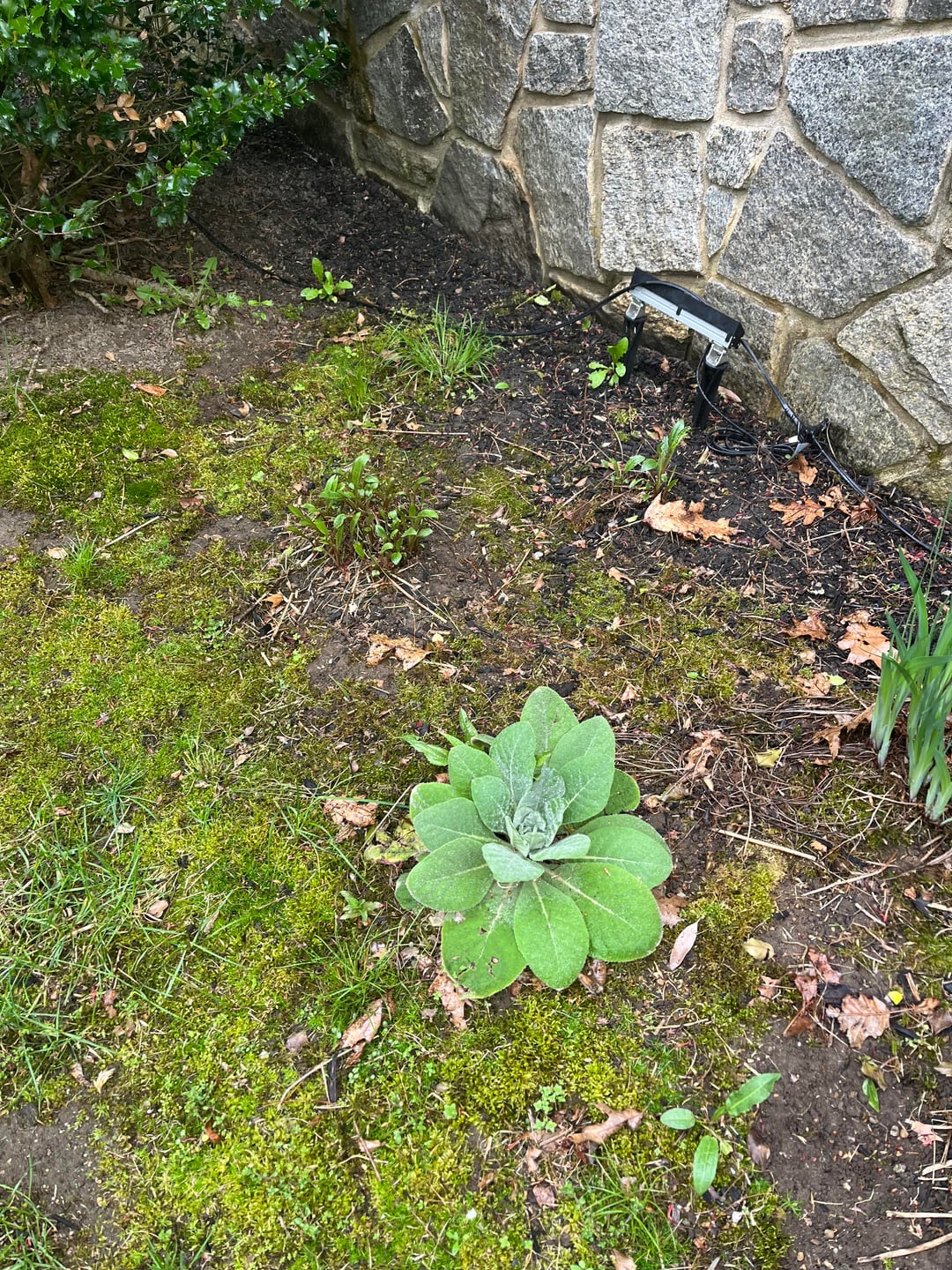
It’s hard to tell because the photos are a bit zoomed out and most isn’t flowering. But #1 looks like it has Leucothoe and summer phlox. #3 is irises.
Let them go until they flower and then make a positive identification.
PlantNet is pretty good with leaf identification
Seek app by inaturalist
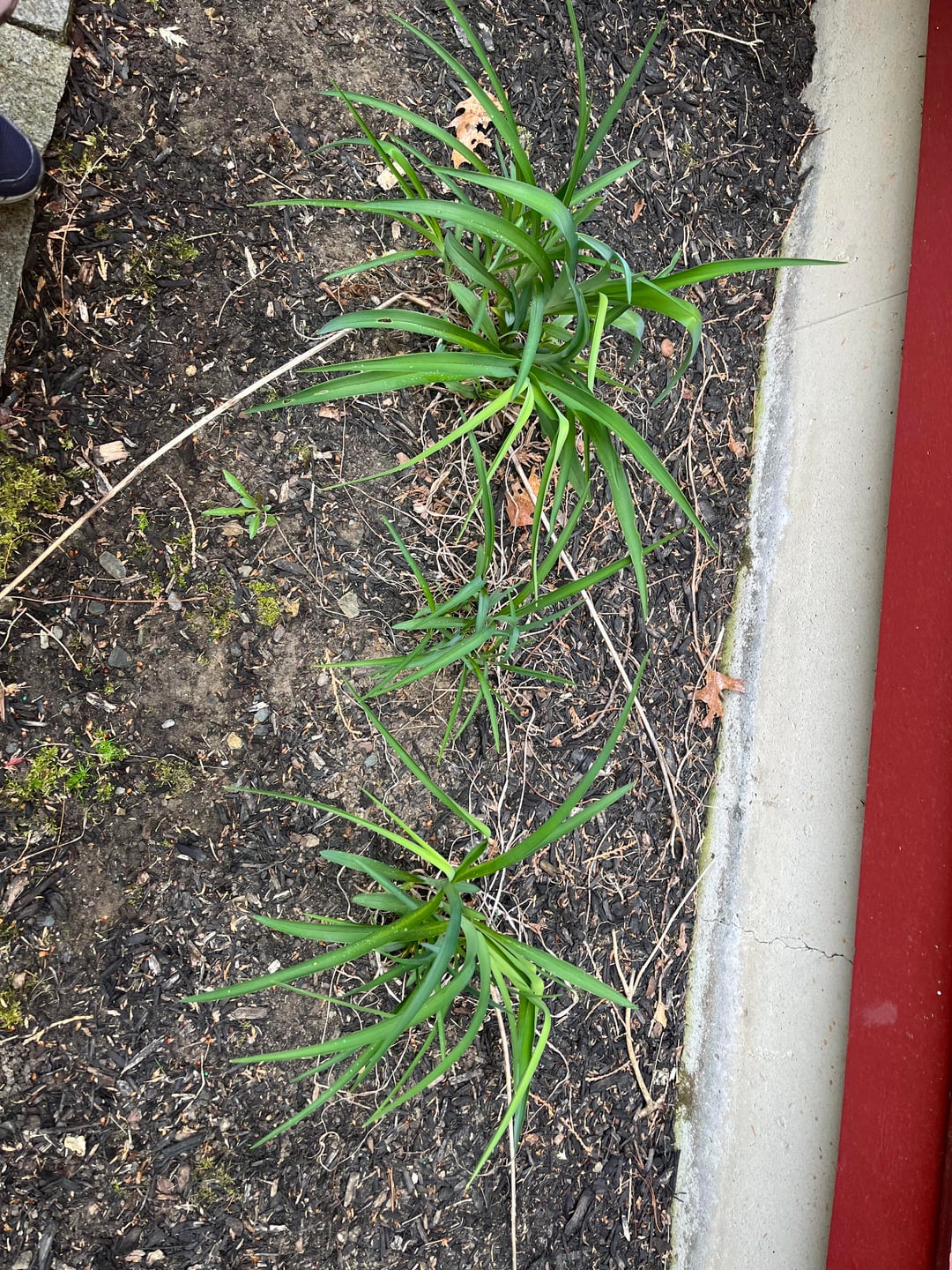
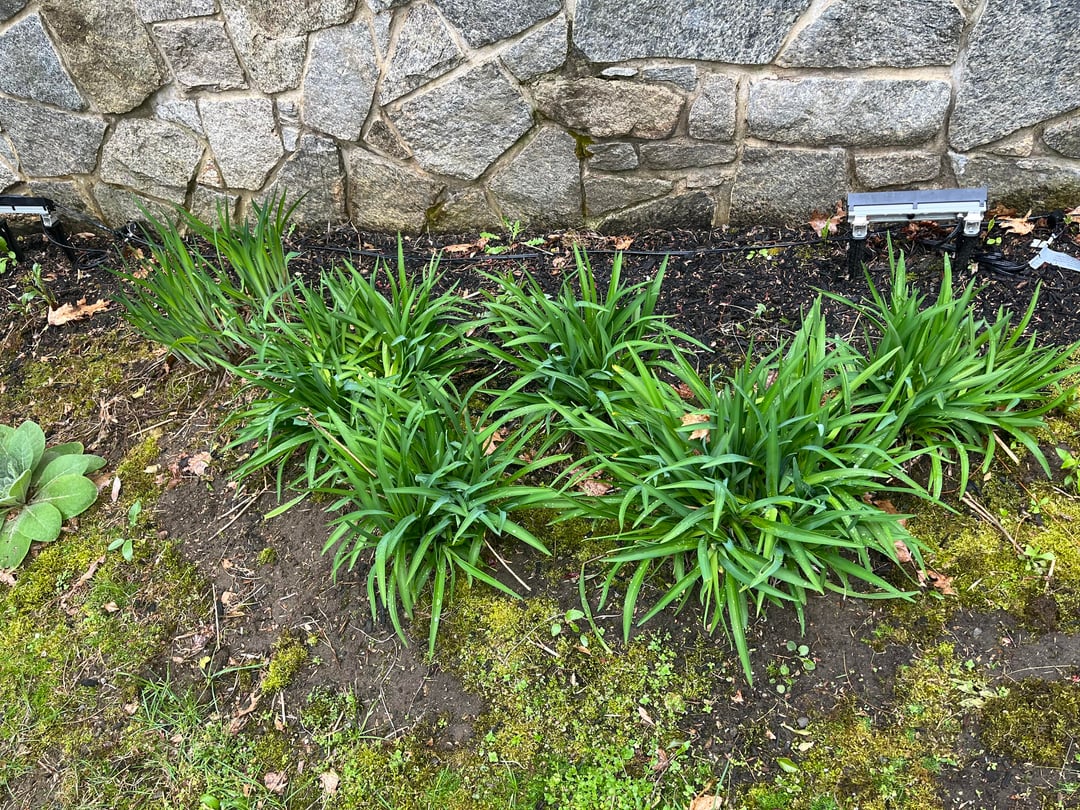
Day Lillies
Iris
Phlox
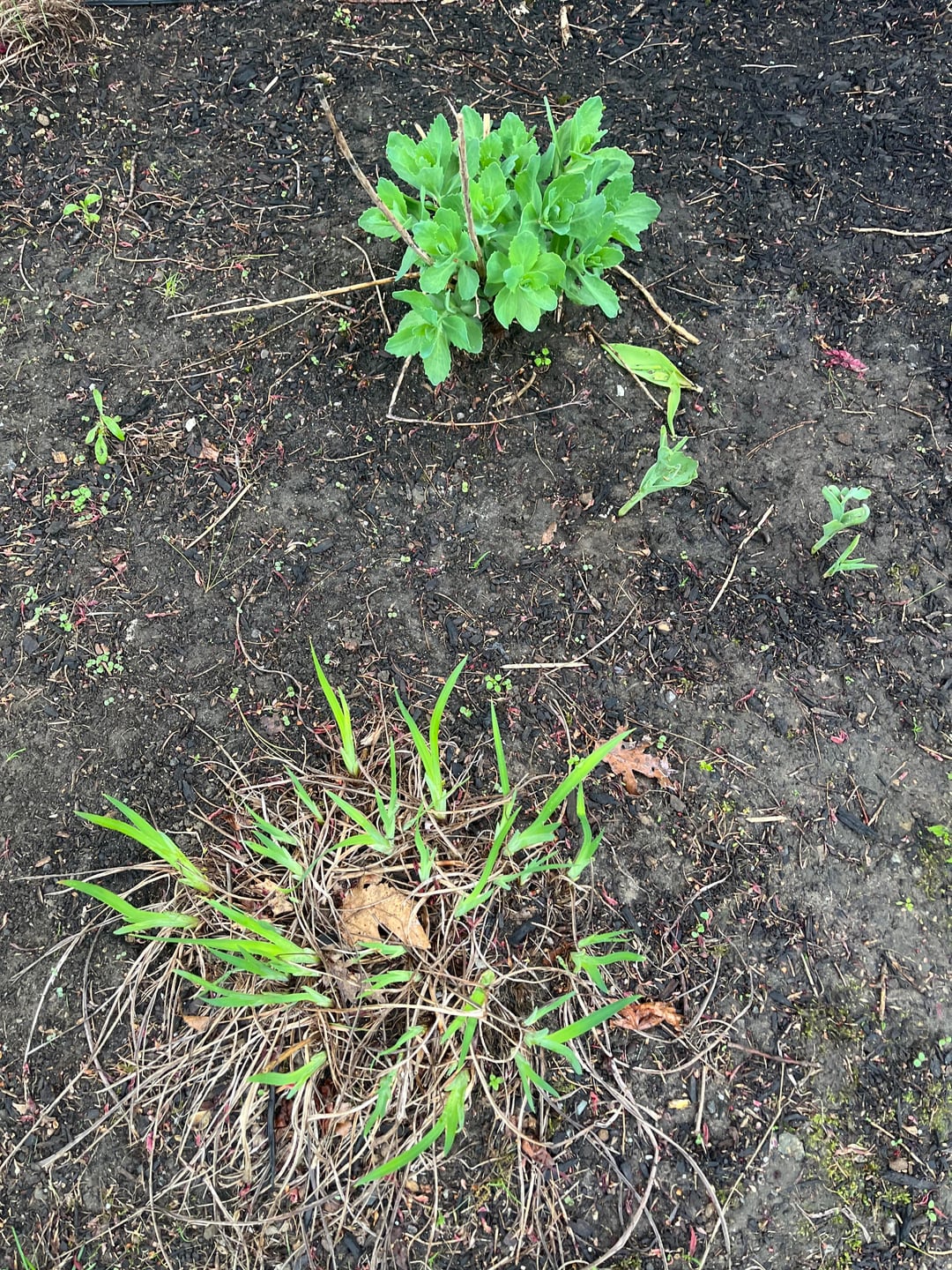
Sedum
Hosta
Japonica
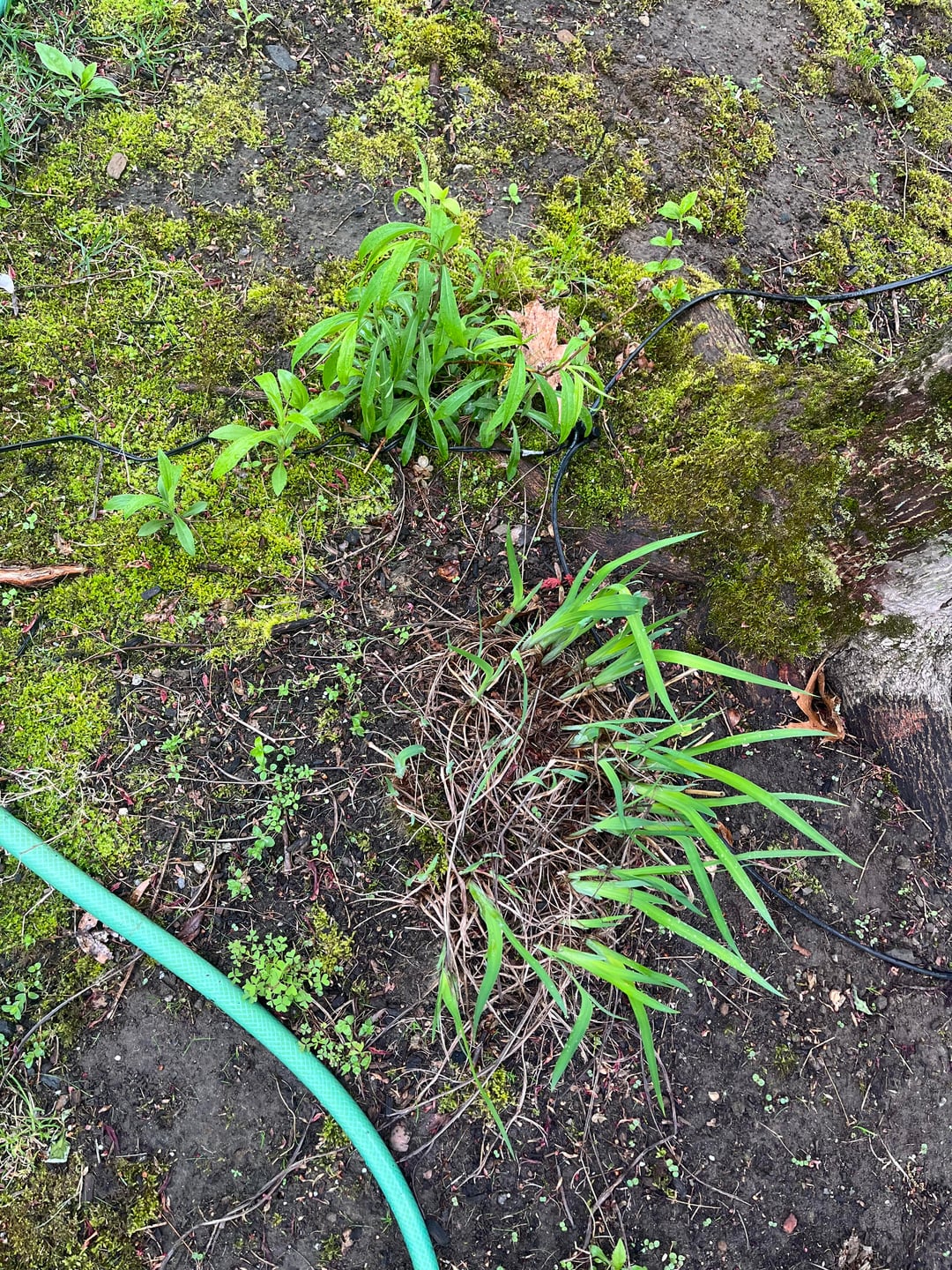
I think the plants people are calling irises may be spiderwort. The others in the middle right and upper right look like phlox.
iNaturalist app
Plant identification apps are really fun but not always correct. Yesterday it told me something was lemon balm mint so I chopped it down. Then I felt the root ball. Big and established. I’d just lost one of my natives for a season. Watch and wait is the best, in my opinion. I need to start flagging plants in the fall so I know what’s what.
If you still have the MLS number you can google the address with the number and find the listing (which would have pictures of all of these in bloom) unless the realtor was inexperienced
Hello from 6b! Most of these look like ornamental, non-native perennials that thrive best in full sun. None that I could identify are considered aggressively invasive. Overall the soil looks quite wet, which is typical for this time of year, but some of areas you showed look quite shady. I’d recommend a light mulch and just watch how the plants do during the upcoming growing season to see what you might want to keep or change.
1 — daylilies (spiky ones) and Shasta daisies. Bush in the back with dangly white flowers looks like a Japanese andromeda
2,4 — more daylilies
3 — irises 100%, likely German bearded iris
5 – not sure
6 — more irises. In the back is a sedum, likely “Autumn Joy”
7 — top left looks like iris, possibly Siberian iris
Hello from 6b! Most of these look like ornamental, non-native perennials that thrive best in full sun. None that I could identify are considered aggressively invasive. Overall the soil looks quite wet, which is typical for this time of year, but some of areas you showed look quite shady. I’d recommend a light mulch and just watch how the plants do during the upcoming growing season to see what you might want to keep or change.
1 — daylilies (spiky ones) and Shasta daisies. Bush in the back with dangly white flowers looks like a Japanese andromeda
2,4 — more daylilies
3 — irises 100%, likely German bearded iris
5 – not sure
6 — more irises. In the back is a sedum, likely “Autumn Joy”
7 — top left looks like iris, possibly Siberian iris
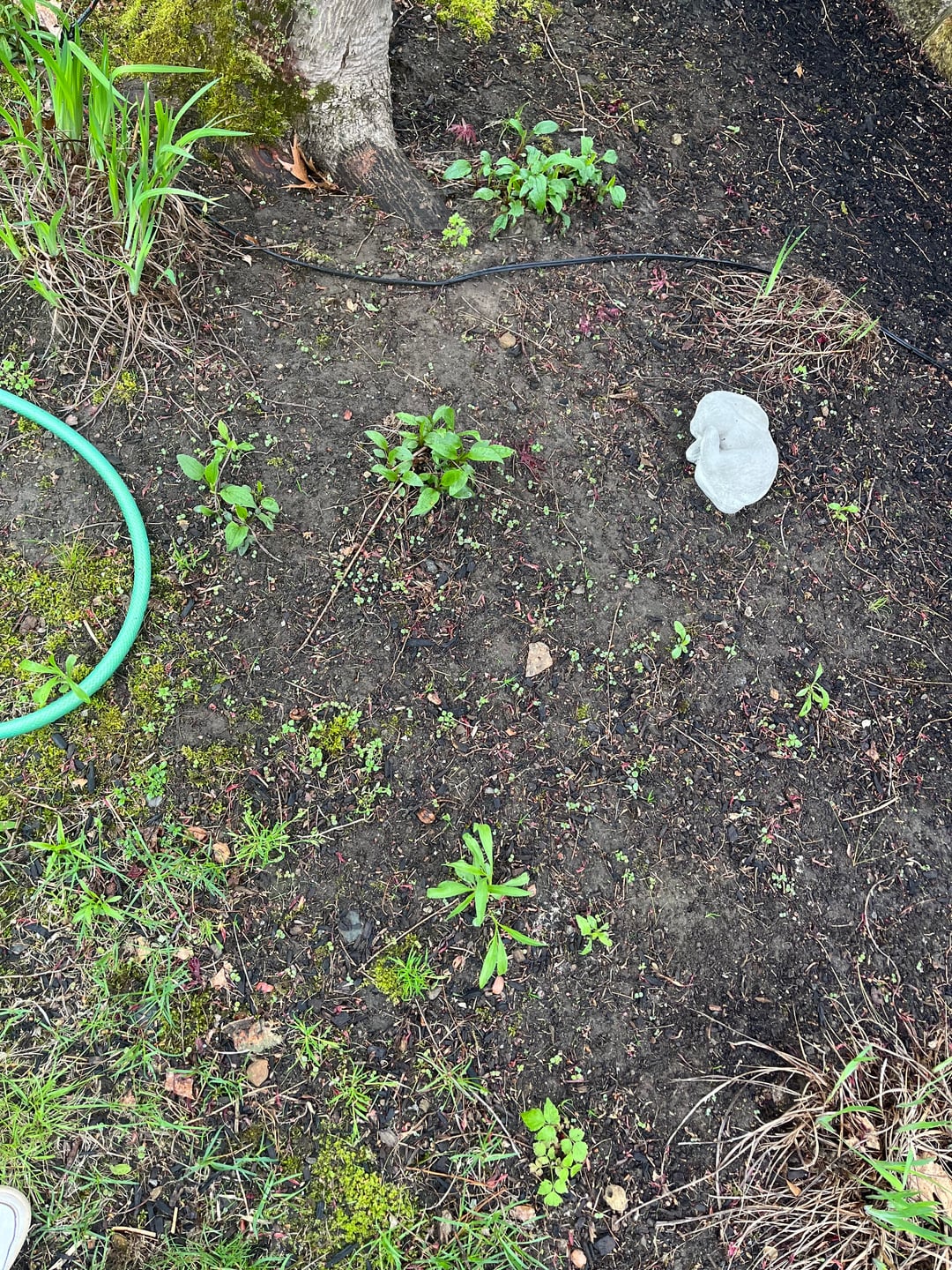
In pic 7 – the plant to the right of the tree trunk, the one below it, and the one to the left of that one look like they could be some kind of coneflower. Looks kinda like the rudbeckia fulgida I have coming up.
5 might be wooly mullein according to plantnet
I think I see a Pieris japonica in the background.
I see mainly daylilies and irises