
Spring has finally arrived and with it comes a renewed sense of excitement to try something new. If you have been thinking about starting a garden, this is a great time to give it a try.
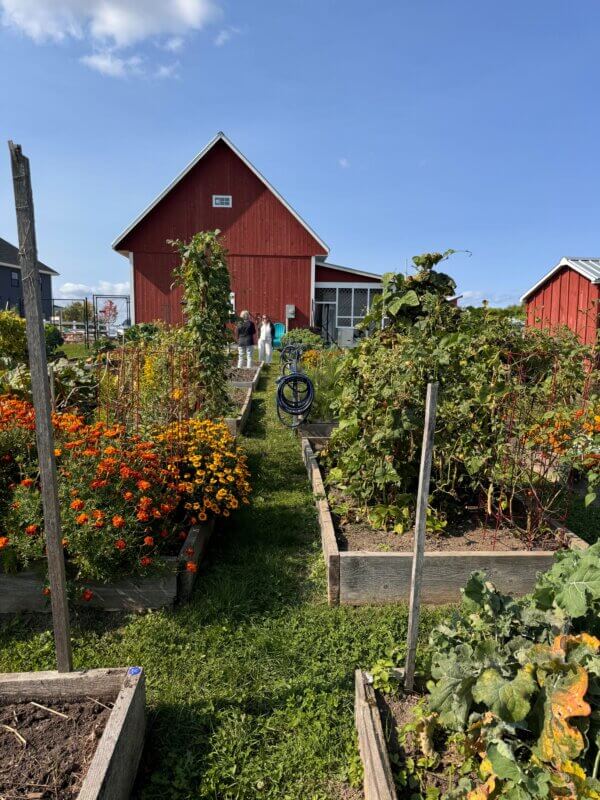 Photo by Debra Heleba
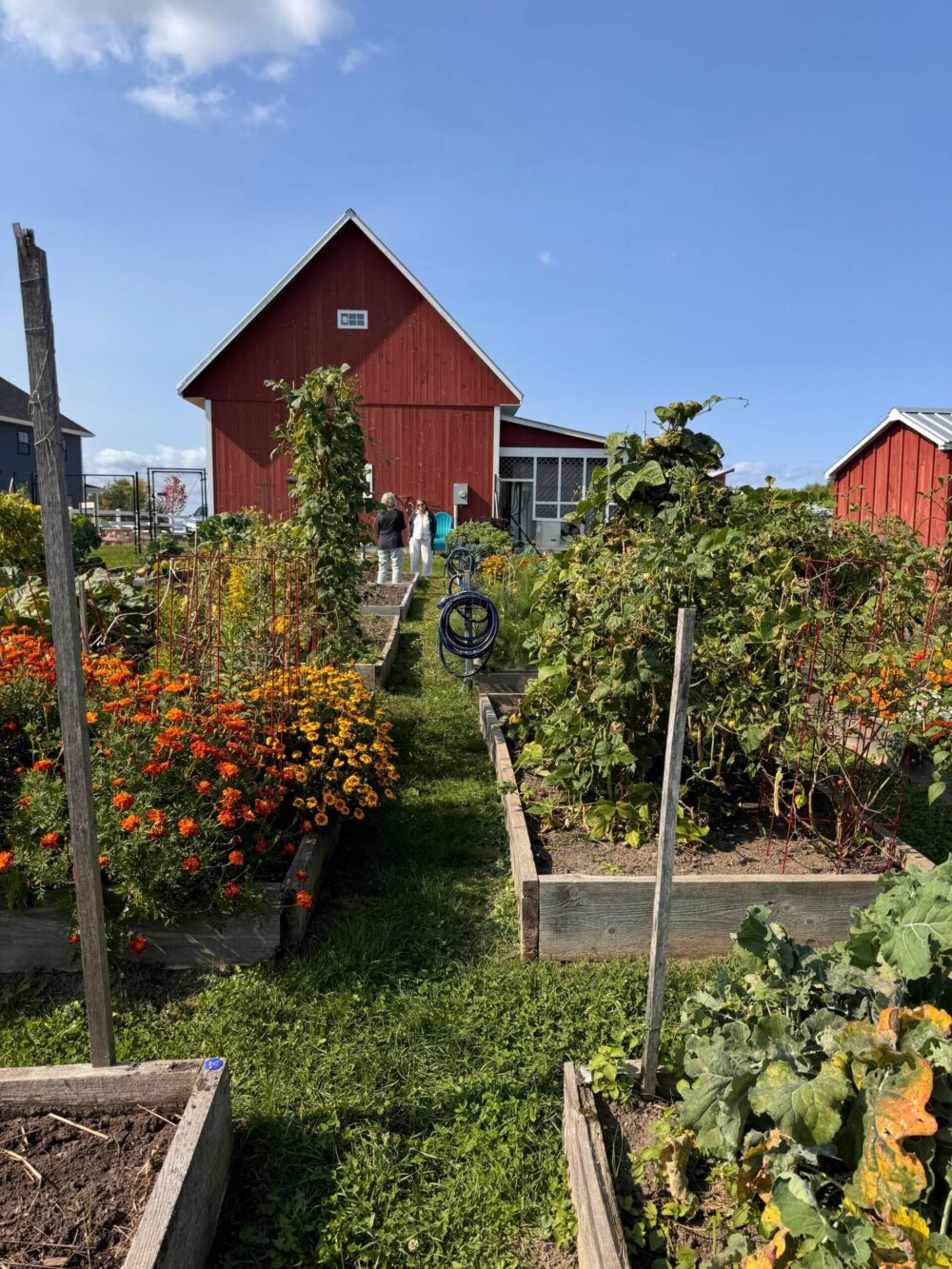
Community garden plots offer space for new and seasoned gardeners alike. This community garden plot in South Burlington provides a raised bed for each gardener; an Extension master gardener volunteer keeps gardeners informed about insect and disease pests.
Whether you want to transform a corner of your backyard, build a raised bed or grow food in pots on the porch, turn that interest into your first harvest.
Start by observing your space. The success of your garden depends on the sun as most vegetables need at least six to eight hours of direct sunlight to thrive. Once you identify your sunniest spot, assess your soil; it is your garden’s best asset. There is still time before the season begins to submit a soil test and adjust soil pH and fertility if needed. If you start your new garden in raised beds or containers, look for a high-quality raised bed or potting soil mix.
You do not need expensive tools to get started. A few basics will get you through your first season. A sturdy hand trowel is essential for digging and transplanting. Gardening gloves protect your hands from the soil and come in a wide variety of styles. Try on a few at your local garden supply or hardware store to discover your preference. To take care of weeds in your garden, a hand cultivator is useful but may not be necessary if you’re working in containers. Finally, a watering can or hose nozzle will keep your garden hydrated.
When selecting vegetable plants for your garden, focus on high-yielding and fast-growing options. This will maximize your harvest with fewer plants and give quick results. Radishes are a fun choice for new gardeners. They go from seed to harvest in less than a month. Another rewarding choice that continues to grow all season is cut-and-come-again lettuce. Snip the outer leaves for dinner and the plant will keep growing.
What would summer be without fresh tomatoes? With hundreds of varieties available, there is a tomato plant for every garden. Look for a determinate variety to keep the size manageable. These tomato plants will generally reach 3 to 4 feet in height and require a cage or support structure. If space is a limitation, look for varieties bred specifically for growing in pots. The plant tag will provide the specific information needed to make an informed choice.
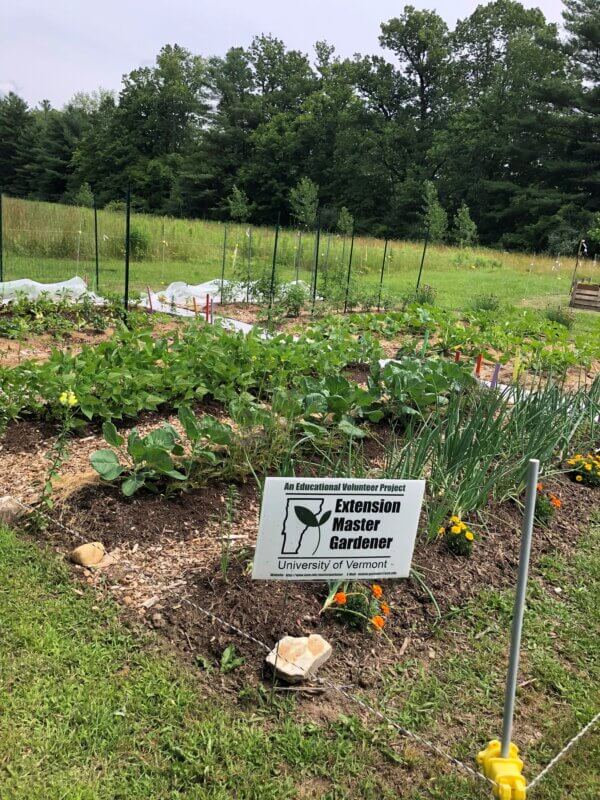 Photo by Debra Heleba
This demonstration garden in Arlington teaches new gardeners how to raise vegetables.
Basil, oregano, thyme and chives all grow well in containers and grow quickly, making them a valuable addition to your garden. These hardy herbs are convenient, taking up very little space and providing an accessible harvest easily within reach.
Whatever you decide to include in your garden, consistent care ensures the best results. Check your plants daily for pests and disease. Water them at their base at the soil line, to keep the moisture where it’s needed most.
Remember, gardening is a learning process. Keeping some basic notes will help you notice patterns and remember what worked over the season. Note what grew well and what didn’t. These notes will be your best resource when planning for next year’s garden.
Start with a few of your summertime favorites, keep it simple and enjoy the satisfaction of a harvest you grew yourself.
(Andrea Knepper is a University of Vermont Extension master gardener volunteer from Fayston.)
Comments are closed.