

TV garden designer Joe Swift has been sharing his garden design secrets and says May is the perfect time to start creating the perfect outdoor space
Joe shared his garden makeover secrets(Image: Jeff Spicer, Getty Images)
Garden designer Joe Swift has been crafting beautiful gardens for nearly three decades on TV shows such as the BBC’s Gardeners’ World, Small Town Gardens and Alan Titchmarsh’s How to be a Gardener series.
He’s now revealed his six essential tips for achieving the perfect garden, and suggests that this month is the optimum time to tackle all of them.
Joe notes that, even if you’re content with your outdoor space as it stands, there’s always scope to make a minor enhancement that will breathe fresh life into it.
Plants
Speaking to the I, Joe explains that planting a garden isn’t a one-off task you complete and leave behind. It’s an ongoing process of renewal and rejuvenation. He encourages gardeners to focus planting efforts on spots you’ll encounter daily, such as near windows and seating areas.
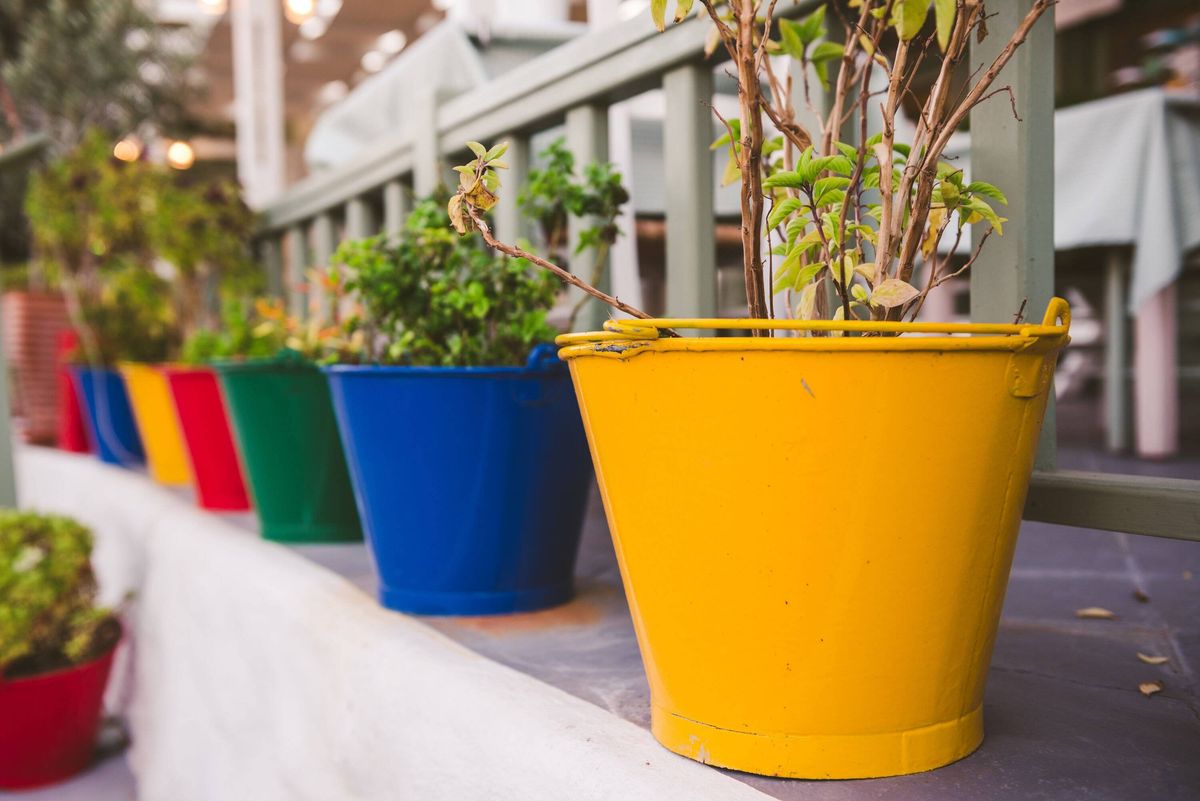
A splash of colour can freshen up plant pots(Image: Getty)
Plants in pots and containers can prove particularly striking, enlivening seating spaces. May-flowering shrubs, such as cornus, lilac, deutzia and viburnums, alongside perennials such as peonies, iris, aquilegia, geum and poppies are excellent options for small gaps in your garden, Joe explains.
Joe adds: “We’re fast approaching the time for planting tender annuals and herbs too. Buy them from the garden centre and nurseries now but, depending where you live, perhaps don’t plant out for another two weeks. If you do, watch out for a cold snap.”
For quick results, Joe suggests annual climbers. Varieties including sweet peas, morning glory, Spanish flag, black-eyed Susan and climbing nasturtiums grow rapidly, and will bring additional colour to your garden throughout summer.
To add extra height to a border, or to conceal an unsightly wall, you can create a wigwam using simple materials like bamboo or hazel canes, secured together with twine or gardeners’ wire, and guide your climbers along it.
Joe notes that now is also the moment to think about revitalising your herb garden: “Annual herbs – such as basil, chervil, coriander, dill and lemongrass – and hardy herbs (such as sage, oregano, mint and chives) can go in now,” he says. “Many are ornamental as well as tasty.”
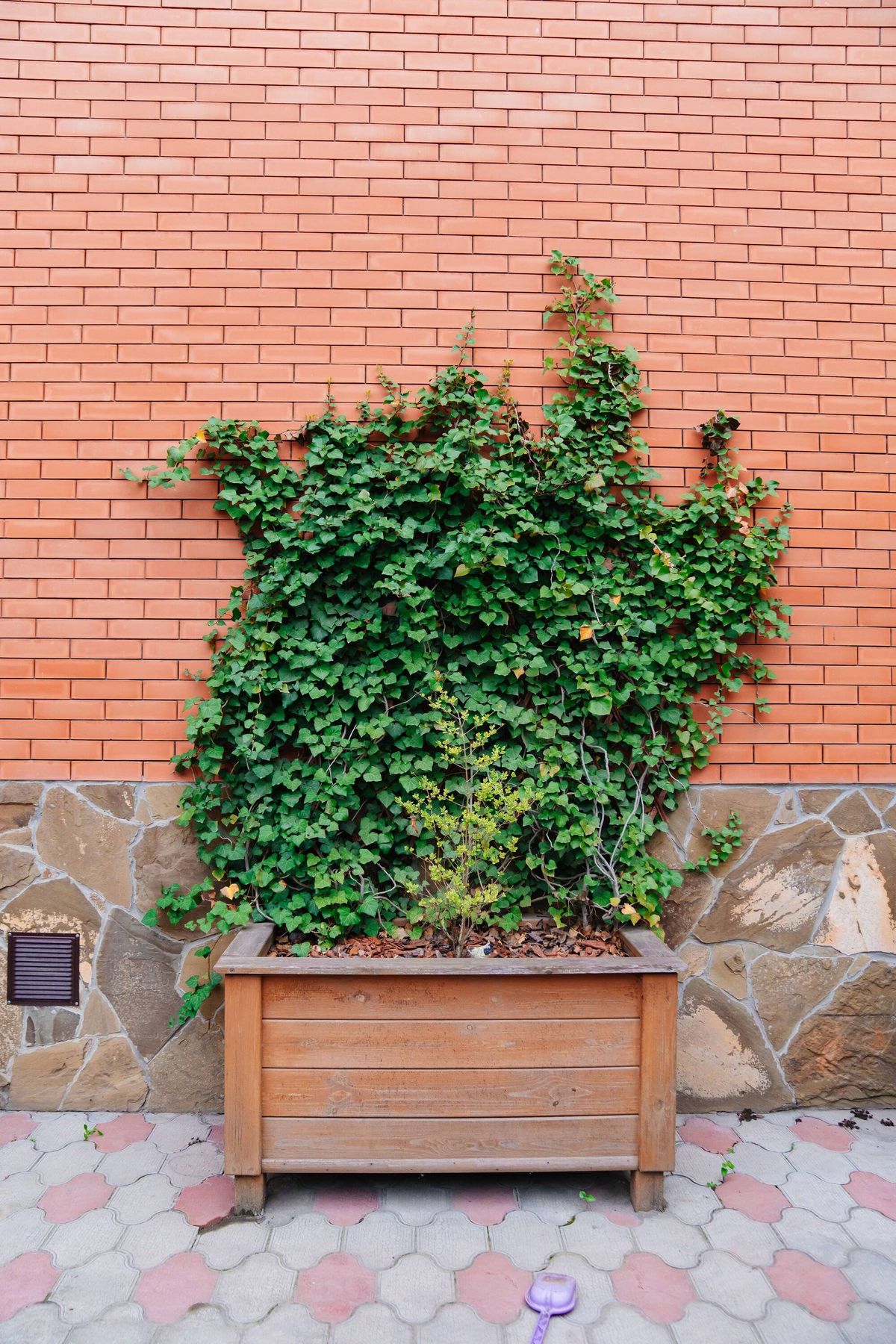
Climbing plants are a great way to hide an ugly wall(Image: Getty)
Walls and boundaries
Not everyone has pristine garden fencing, and if you’ve got a wall that’s unsightly, Joe suggests concealing it with affordable materials such as bamboo, willow or heather, attached to screw eyes and mounted on the wall. Build a straightforward frame that’s anchored in the ground to provide your climbers with support.
However, it’s worth thinking about a coat of paint before you begin planting, Joe advises: “Some gardens – especially small ones or courtyards – benefit from permanent colour, which sets off the colours of the planting in front.” Colour selection is crucial — consider what you’ll be planting nearby and choose your scheme accordingly: “Cool blues and greys may work well in summer but feel cold in winter,” Joe says. “I prefer warm, earthy colours, such as off-whites and ochres.
“Tonally light colours help lift shady spaces and, while black may sound scary, it recedes and can look superb, a bit Scandi-cool, intensifying the colours (especially green) of what’s grown in front to great effect.”
While masonry paint is perfect for stone walls, a wood stain is worth considering for timber garden furniture, as touching it up in subsequent seasons will require considerably less effort than sanding and repainting.
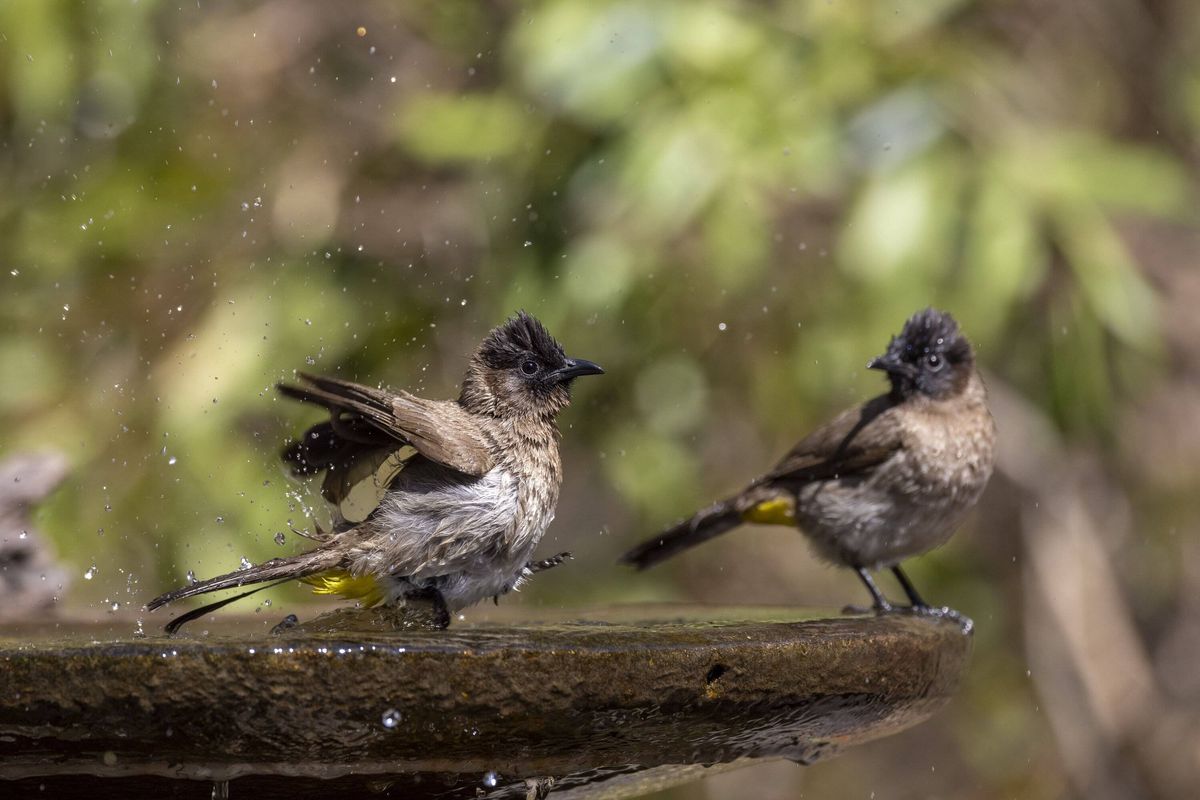
Most birds enjoy a bath – and a birdbath’s a decorative garden feature too(Image: Getty)
Ornamental features
Bird-baths make a wonderful addition to any garden, though bear in mind they’ll require periodic cleaning and topping up. A well-chosen sculpture can offer a delightful surprise for visitors to your outdoor space. Joe recommends elevating features and ornaments to eye level, using a wooden block or an old tree stump to bring them closer to your line of sight.
Weeding and mulching
It’s a task nobody relishes, but thoroughly clearing your beds and borders of weeds is absolutely essential, Joe says. He advises: “It’ll save you plenty of time in the long run.” Ensure you remove the roots using a fork or hoe to stop those unwanted plants from making a comeback next year. After the weeding is complete and you’ve given the area a thorough watering, it’s time to mulch the soil to prevent weed growth and retain moisture: “From a makeover perspective, it helps with aesthetics too, bringing borders together and showing off new plants pushing through,” Joe says.
You can create mulch yourself by collecting fallen leaves and placing them in a bin bag with several air-holes punched through it, or it’s straightforward enough to purchase some well-rotted horse manure, chipped bark or, in certain areas, council waste compost.
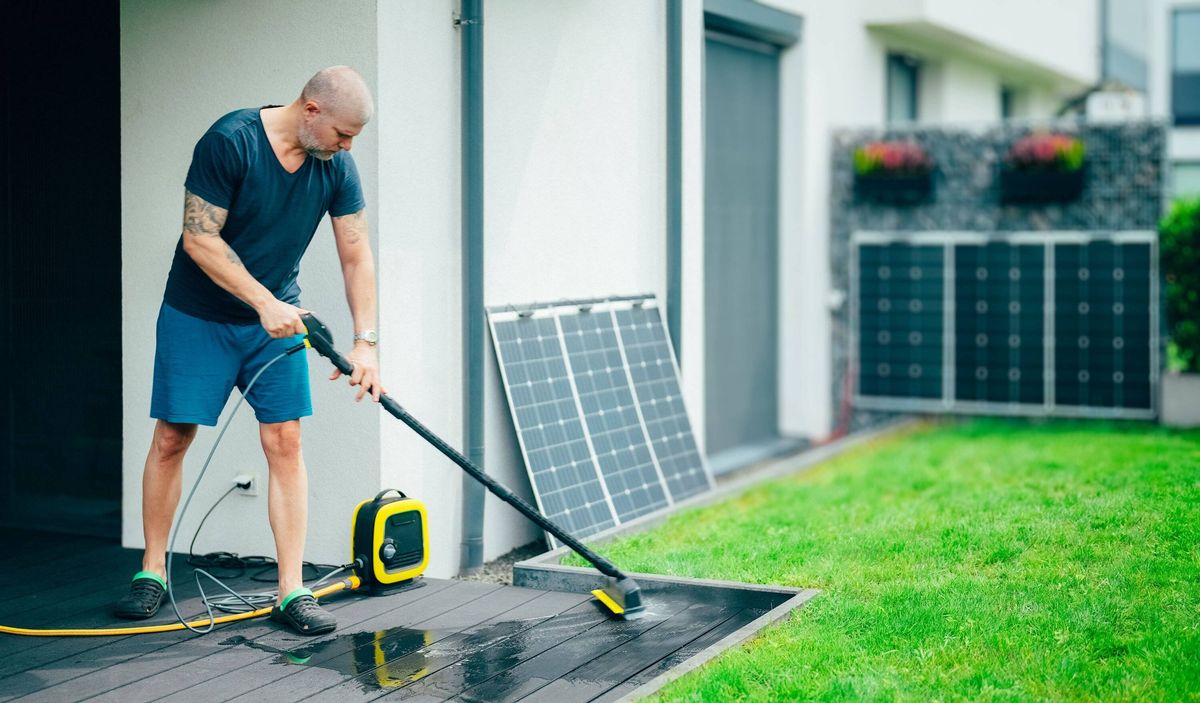
Once you’re done, it’s just a case of cleaning up (stock)(Image: Getty)
Refreshing lawns
A lawn needn’t be a basic square, Joe says. Strong geometry is the key, he advises, so think about circles or connected arcs. Mark out the space with string and stakes, then use a hoe or edging tool to define and sharpen the edges. A clear border, constructed from bricks or treated timber, will maintain a tidy appearance.
Cleaning up and the finishing touch
Once your garden transformation is finished, ensure you’ve hosed down patios and paths, or used a pressure-washer if available. Rake up loose leaves on the lawn and sweep any stray bits of mulch back to their proper place.
To complete your garden makeover, Joe says, it’s always a good idea to add an eye-catching detail to make the “big reveal” that little more dramatic: “How about a fire pit, a new piece of garden furniture, a few candles or some solar lighting?”
Comments are closed.