
Key Points
Many landscape features seem simple, but demand significant time, resources, and maintenance.
Understand plant behavior, climate suitability, and long-term upkeep before committing.
Smart planning and lower-maintenance alternatives can create a more manageable landscape.
While every landscaping choice comes with trade-offs, the key is understanding the demands before you commit. With thoughtful planning, research, and realistic expectations, you can create a garden that not only looks great but also suits your available time and climate.
We spoke to an expert about six common landscape choices that can be surprisingly demanding, along with easier alternatives worth considering.
Meet the Expert
Scott Curry is an assistant professor of landscape design and contracting at the Colorado State University Department of Horticulture and Landscape Architecture.
Lawns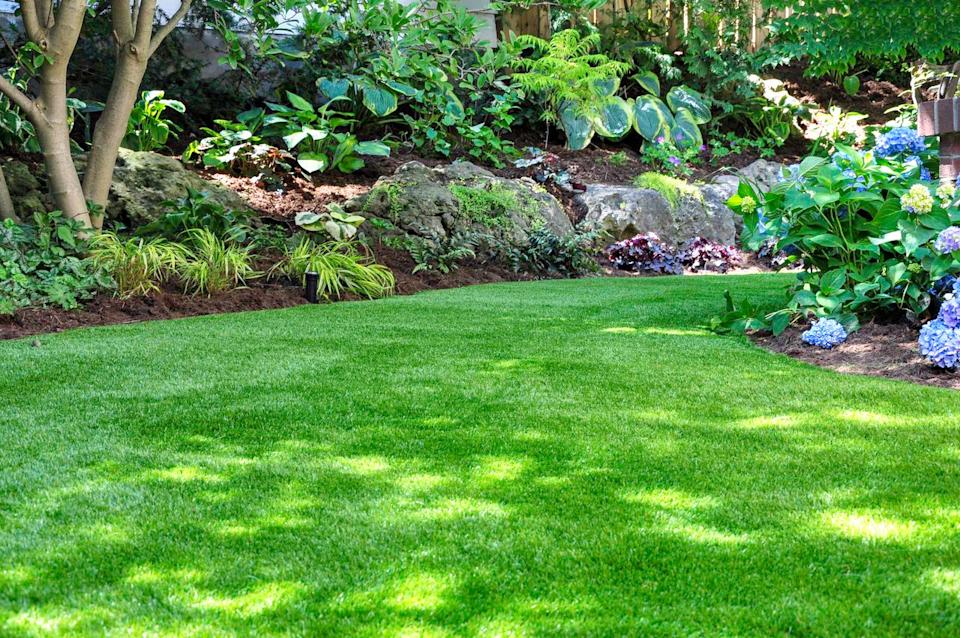
Credit: Joanne Dale / Getty Images
A lush lawn is often viewed as the foundation of a fabulous garden. According to landscape designer professor Scott Curry, lawns are predictable and require less skill to maintain than some landscape features.
Advertisement
Advertisement
“You mow it, you water it, and it does the same thing over and over,” Curry says. “It’s not a dynamic thing you have to tend, and it doesn’t take much horticultural knowledge.”
However, he explains that this cycle of mowing, fertilizing, and watering can be time-consuming and requires significant resources.
Allowing grass to grow longer reduces stress on the turf, lowers water needs, and offers ecological benefits. You can also consider native grass mixes, no-mow turf, or warm-season rather than cool-season grasses. They are more resilient choices that require less intervention.
“Warm-season grasses green up later and go dormant earlier, but they use a fraction of the water—around 30% less than Bluegrass,” Curry says.
Advertisement
Advertisement
He explains that the most important thing is educating yourself on the alternatives, the resources they require, and their suitability for your climate.
Formal Hedging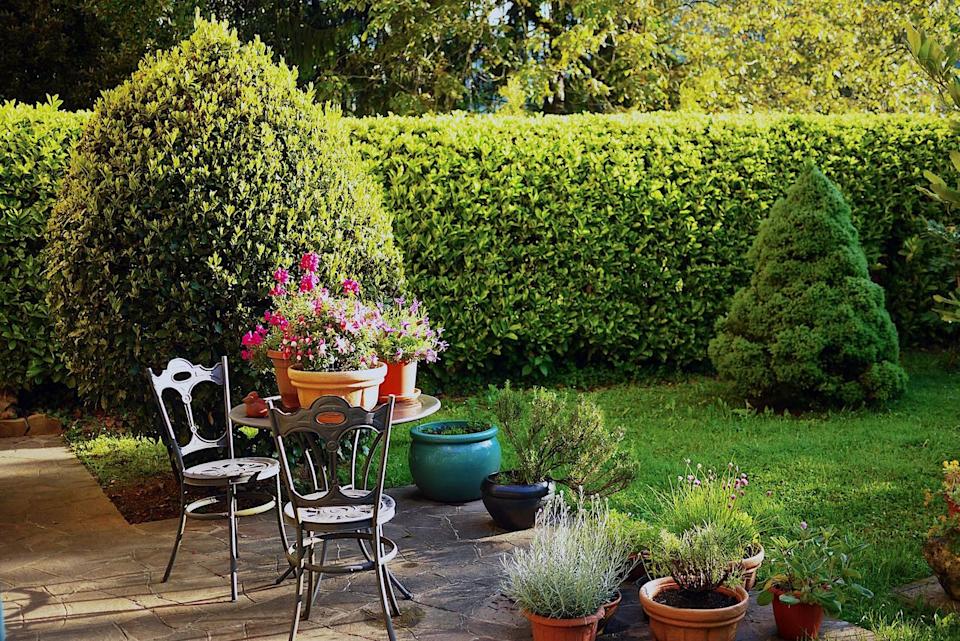
Credit: Rosmarie Wirz / Getty Images
Nothing looks more elegant than a perfectly pruned hedge. However, those crisp lines require constant clipping during the growing season.
“If we’re talking shapes that people associate with classical cottage style gardens, like privet hedges or boxwoods, you may need to get in there weekly with hand pruners,” Curry says.
He explains that you also need to know the hedge’s specific growth habits, as cutting too far back into species like arborvitae or juniper can leave bare wood that will never regrow.
Advertisement
Advertisement
According to Curry, a lower-maintenance option is to embrace a more natural look rather than forcing plants into rigid shapes.
You can also choose shrubs that naturally grow to your desired height and width, as well as slower-growing varieties. This allows the hedges to form organically with minimal intervention, while still providing structure and privacy.
Annual Flower Beds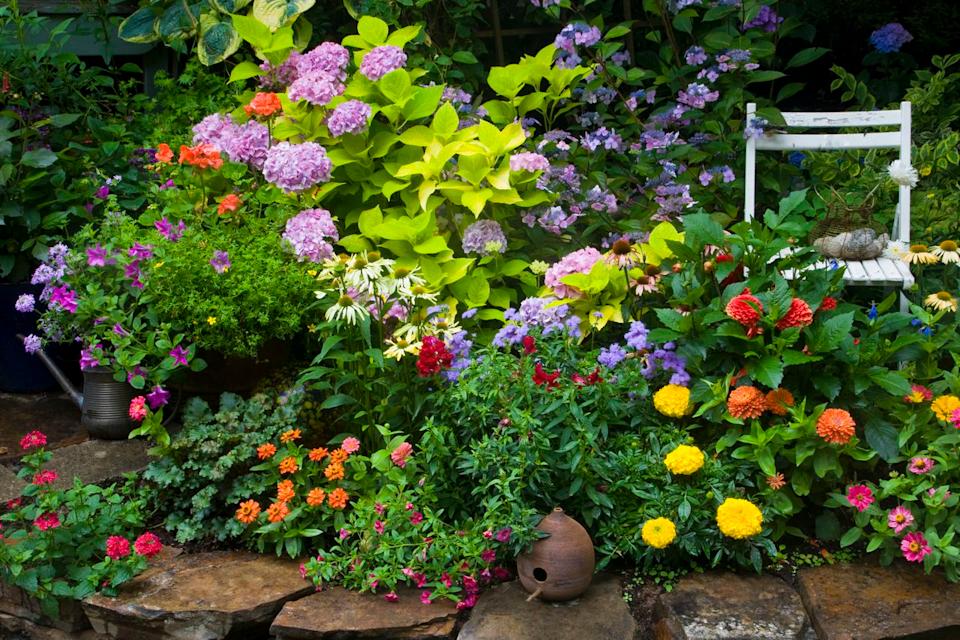
Credit: Darrell Gulin / Getty Images
Annual beds are ideal for delivering vibrant, season-long color in your yard. However, they can be pretty labor-intensive.
“It’s a big push to do annual flowers, from the bed prep that goes into starting it out, turning over the soil, planting, fertilizing, and, depending on the species you pick, deadheading if you want them to rebloom,” Curry says.
Advertisement
Advertisement
He highlights the importance of understanding plant species behavior. Some varieties, like petunias, naturally rebloom and are less work-intensive.
Native, low-maintenance perennial plants or self-seeding flowers can also provide long-lasting color and less intervention once established.
Large Water Features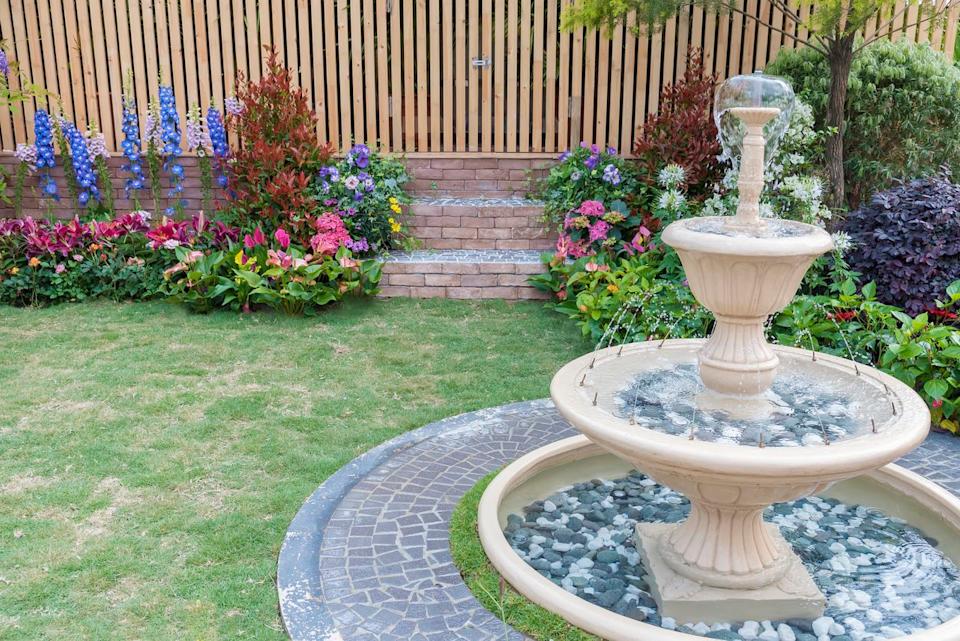
Credit: LeeYiuTung / Getty Images
Advertisement
Advertisement
Ponds, fountains, and waterfalls can be an attractive, soothing focal point in your outdoor space. However, Curry compares intricate, large landscape features like this to luxury cars.
“If you have a very expensive, high-performance landscape, you also have a very fancy maintenance plan that’s going to be associated with it in order to keep it up,” he says.
Algae control, debris removal, and water quality management are all part of owning a large water feature, and pumps and filtration systems require ongoing attention; not to mention winterizing.
Alternatively, embracing a naturalistic garden design with dry creek beds or wildlife-friendly planting can create a calming atmosphere without the demands of a fanciful water feature.
Wood Decking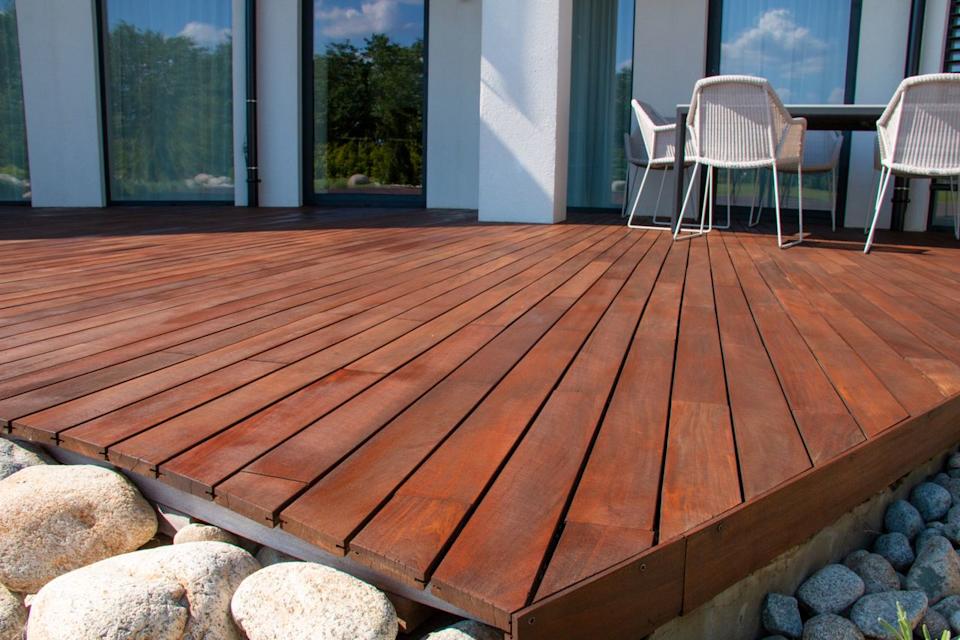
Credit: Radoslav Cajkovic / Getty Images
Wood decking can add practical outdoor living space and value when done right. However, substandard installation or wood deck materials can result in a poor return on investment and lead to costly repairs or premature replacement. Regular sealing, staining, and inspection are necessary to help prevent untimely rot, warping, or insect damage.
Advertisement
Advertisement
“If you’re not sure, call a professional to make sure it’s going to be done right and use high-quality materials,” Curry says.
For a lower-maintenance alternative, he recommends composite decking. While they can be more expensive upfront, they often come with generous warranties and require less upkeep.
Vegetables Gardens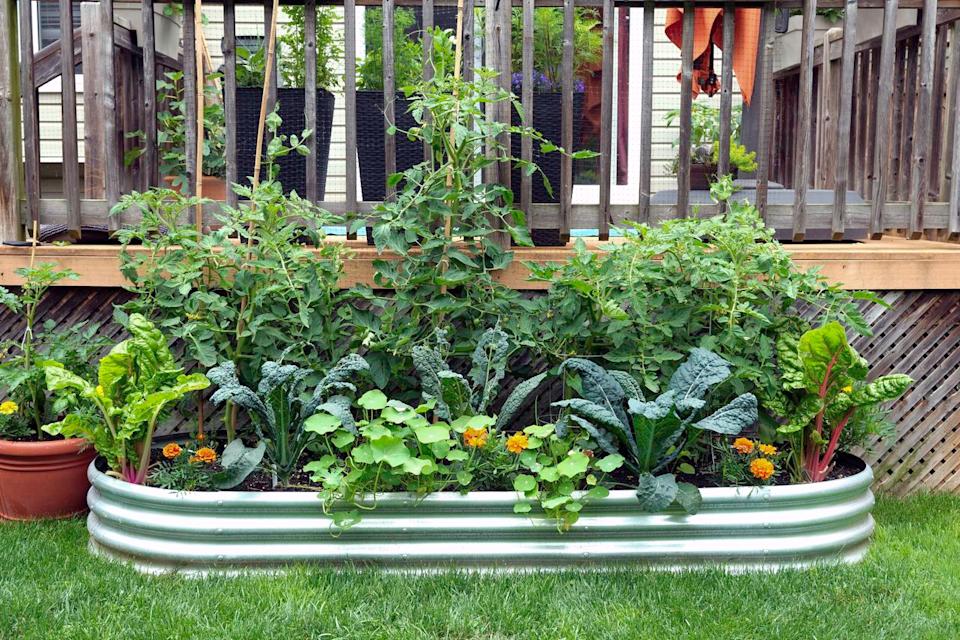
Credit: Joanne Dale / Getty Images
Growing your own food is rewarding, but vegetable gardens require consistent watering, thinning, pest management, and harvesting.
Maintaining productivity requires knowledge and planning. To make things easier, Curry recommends integrating an irrigation system and starting small with raised beds.
“It’s easier to turn over soil and control quality,” he says. “In-ground beds are a lot more work and there’s more weed pressure.”
Advertisement
Advertisement
By selecting a few reliable crops instead of a large variety, you can keep your workload more manageable.
Read the original article on The Spruce
Comments are closed.