
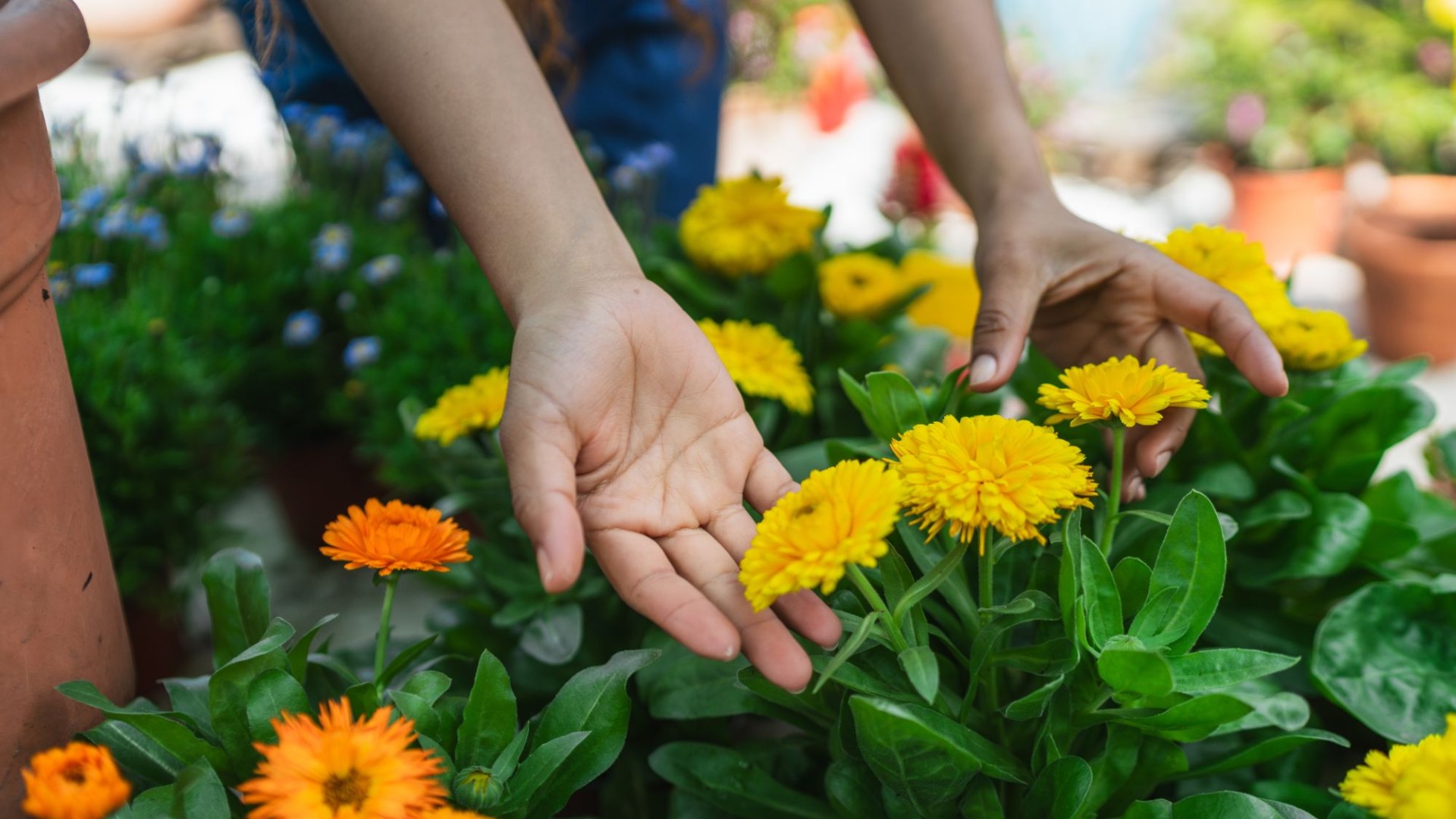
PROTECTING your garden against pests doesn’t have to involve chemicals.
Not only can you use beautiful plants to give your outdoor space a makeover this spring, but they can act as an insect and slug repellent.
Sign up to The Irish Sun’s daily newsletter
Thank you!
Some beautiful plants can make your garden look amazing as well as deter pests Credit: Getty
Slugs can leaves holes in your plants, but using a natural repellent can help Credit: Getty
It means you can avoid using harsh pesticides in your garden, and avoid harming the animals.
Here are seven of the best plants to use as natural repellents.
Lavender
Not only will this fragrant plant make your garden smell wonderful, it can help deter a number of pests including moths, fleas, and wasps.
The strong scent acts as a natural repellent that masks food odors and disrupts their hunting. So your area is protected without harming beneficial pollinators.
Mint
Mint is a great herb to add into your food, as well as to keep away annoying pests Credit: Getty
Mint’s strong aroma is a natural deterrent for many insects, including wasps.
It’s menthol compound also helps repels aphids, flea beetles and moths.
However it can spread aggressively, so the best approach is to plant it in containers sunk into the ground near vegetables you want to protect.
Plus, mint is easy to grow and can be a great addition to summer meals and refreshing drinks.
French marigold
According to Mosh Latifi, co-owner of EcoCare Pest Management, French marigolds are one of the “most well-evidenced” natural pest deterrents.
He explains that the strong scent of the foliage confuses and deters aphids and whiteflies above ground, luring them away from vegetables,
Chives
As well as being a great addition to plenty of dishes, chives can act as a great garden repellent too.
The plant’s sulphur compounds and strong scent naturally deter slugs, snails, aphids and carrot flies.
Chives work especially well alongside tomatoes and carrots, and can easily be integrated into most vegetable beds.
Allium
The onion-like scent of this plant disrupts the ability of pests to locate host plants.
Slugs generally avoid areas where alliums are growing; their strong aroma acts as a barrier, protecting nearby, more delicate foliage from these slimy pests.
Mosh Latifi says: “Ornamental alliums carry the same pest-deterrent sulphur compounds as their edible relatives, garlic and onions, but are more practical to use as companion plants in a mixed vegetable bed due to their upright form and longer growing season.”
The benefits of this stinky repellent also extend below the soil – and keep subterranean pests such as grubs and nematodes at bay.
Rosemary
Rosemary’s strong scent puts pests off disturbing your crops Credit: Getty
The bush’s pine-like aroma and attractive flowers make it a plant that can enhance your garden aesthetics while keeping the air clear of wasps, slugs and snails.
Using the plant as a repellent can be effective in protecting your garden vegetables.
“The strong volatile oils in rosemary mask the smell of carrot foliage, making it harder to find the crop,” Latifi explains.
Nasturtium
This plant can help deter aphids, blackfly, ladybird, cabbage white butterflies, and whitefly.
It also acts as a sacrificial plant that draws pest pressure away from your groups.
Latifi explained: “They attract aphids and blackfly so strongly that the pests colonise the nasturtium instead of the vegetables nearby.”
“Plant them at the edges of your vegetable beds.”
You should check and remove the nasturtiums if they become heavily infested.
Comments are closed.