
Peace lilies can be quite tricky to keep alive in spring and summer unless you get into the habit of doing a simple gardening task each week that only takes a few seconds of your time.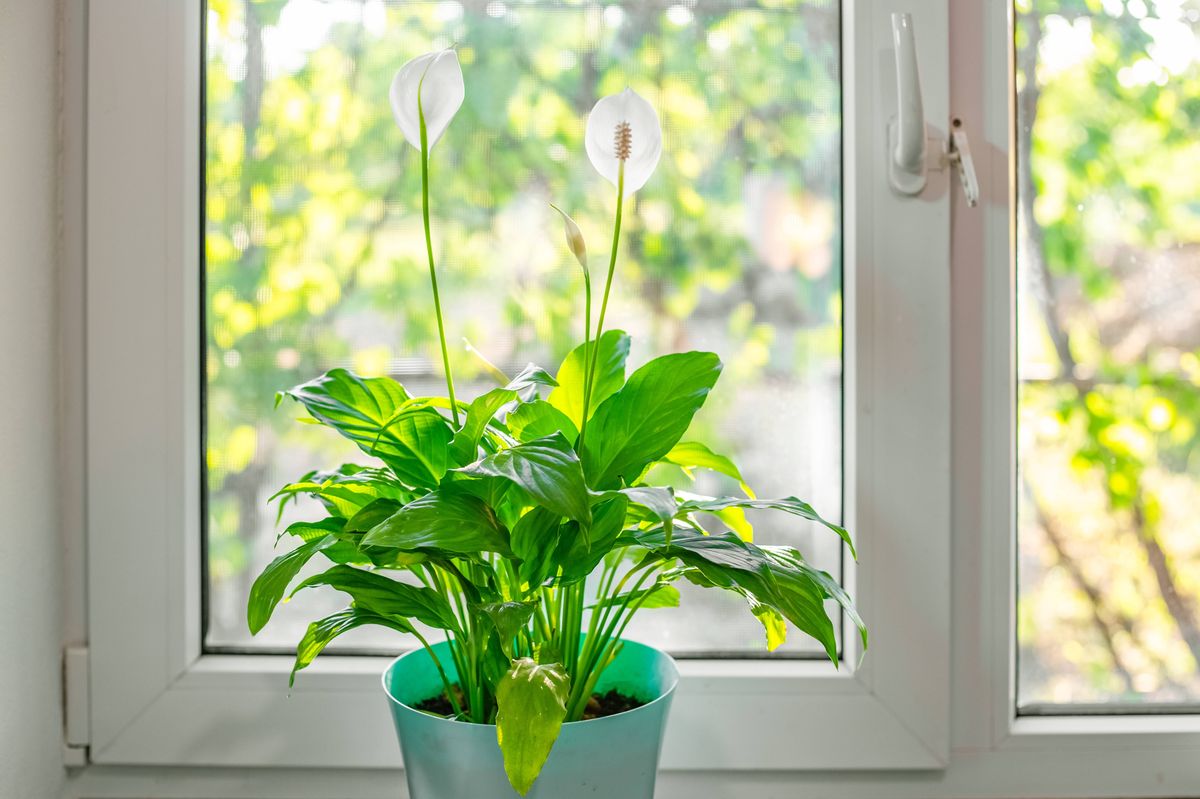
Peace lilies often die in spring as most houseplant owners forget to do a simple task that takes a few seconds to do (Image: Natalia Kokhanova via Getty Images)
Peace lilies are frequently regarded as relatively straightforward to maintain, but plant enthusiasts should note that spring is typically when owners inadvertently cause their demise. They resume growth across the UK from late March through to early May, coinciding with rising temperatures and extended daylight, meaning they’ll require considerably more hydration than during the winter months.
That said, peace lilies are theatrical specimens and have a tendency to wilt at the merest suggestion of requiring moisture, which frequently prompts owners to panic and provide excessive water. Anna Shpomer from Intuitive Plants is urging peace lily owners to exercise caution and dedicate a few moments weekly to conduct a simple soil check when watering plants during this period.
She said: “Peace lilies grow actively during spring and summer when they need more water to support their growth and nutrient uptake. During these seasons, water your Peace lily thoroughly, but don’t let the soil get soggy or waterlogged. A good rule of thumb is to water your Peace lily once a week or whenever the soil feels dry to the touch.”
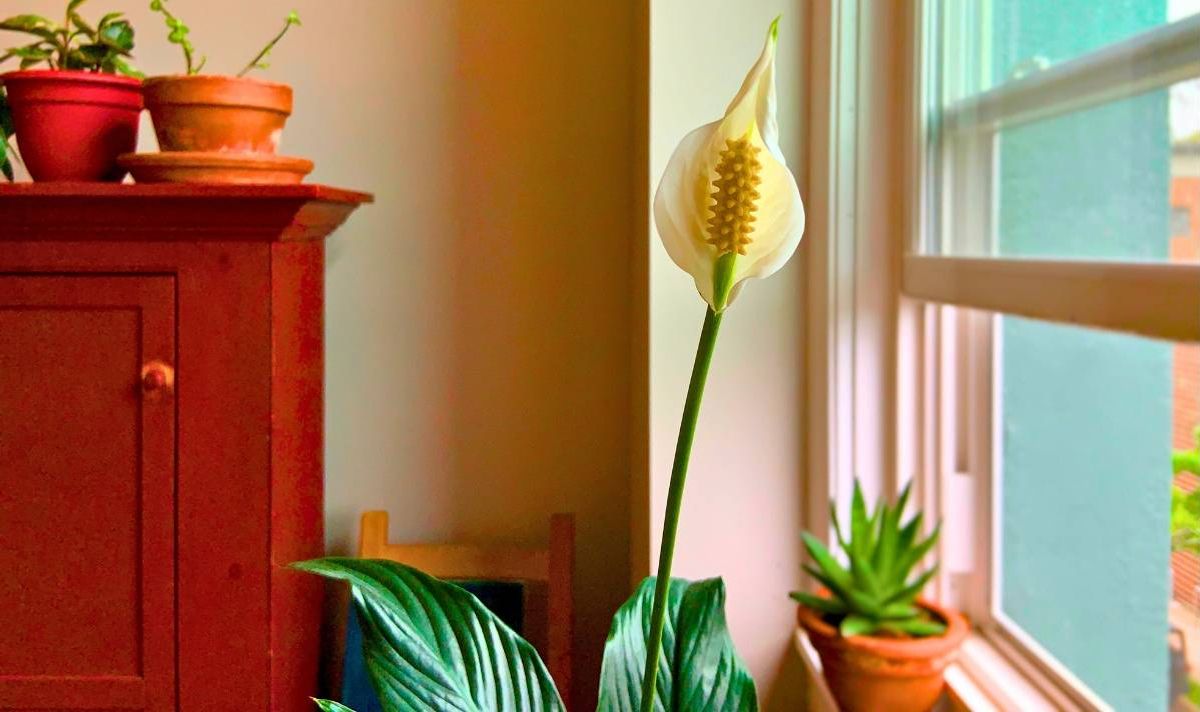
Peace lilies might not grow or flower if houseplant owners do not check a simple thing in spring(Image: Getty)
Why do houseplant owners often overwater their peace lilies in spring?
Peace lilies are brilliant for those just beginning their plant ownership journey, as they’ll signal when they require watering by becoming droopy, but it’s remarkably simple to confuse this with the plant perishing.
This frequently leads people to add far too much water into a peace lily’s container, drenching the soil and allowing standing water to remain without proper drainage.
Overwatering can trigger root rot, causing the foliage to turn yellow, emitting an unpleasant, sour odour, and ultimately preventing the peace lily from producing new blooms before it eventually dies.
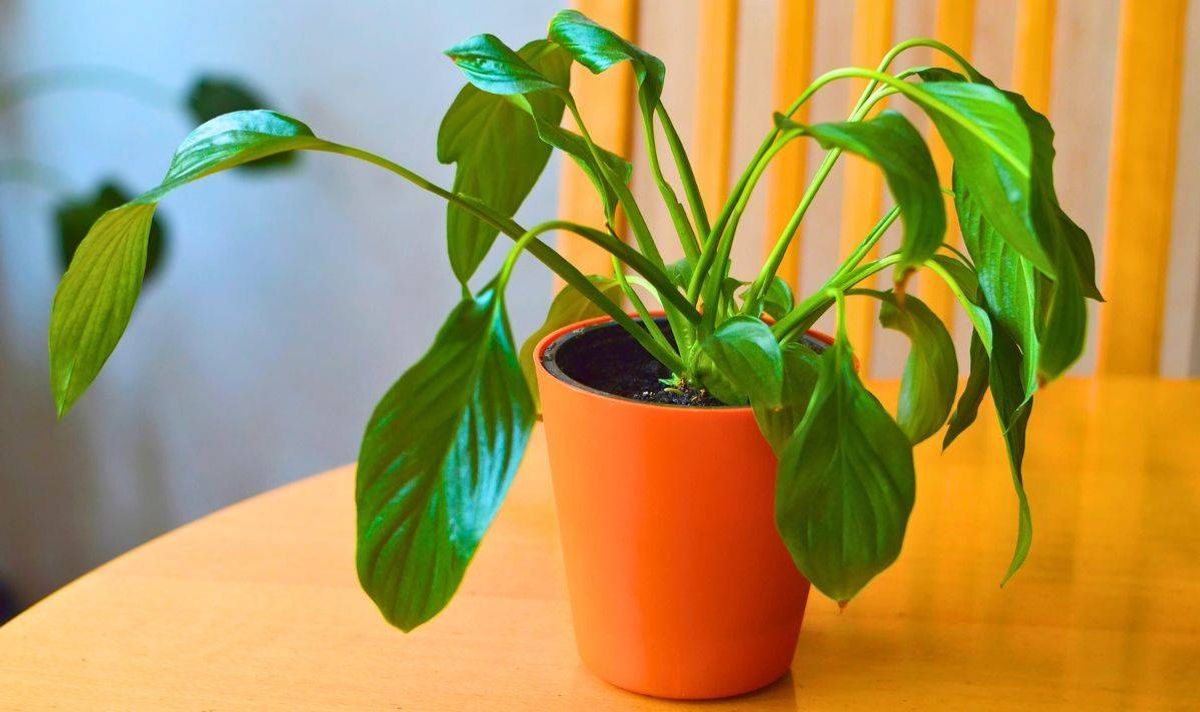
Do not worry if a peace lily starts to droop a little(Image: Getty)
Once you understand that peace lilies demand a degree of attention, maintaining their health becomes relatively straightforward, as they typically require watering approximately once a week throughout spring and summer.
That said, rigidly sticking to a watering schedule isn’t advisable, as the frequency may need to increase depending on the size of the pot and the humidity levels in the room where the plant is kept.
To ensure your peace lily remains in good health and has sufficient hydration to produce flowers, a weekly soil moisture check is essential.
How to do a soil test for peace lilies
Simply push your finger into the compost in your peace lily’s pot to assess the top few centimetres.
If the soil feels even slightly moist, leave the plant undisturbed for a couple more days. If it feels dry to the touch, it’s time to water it.
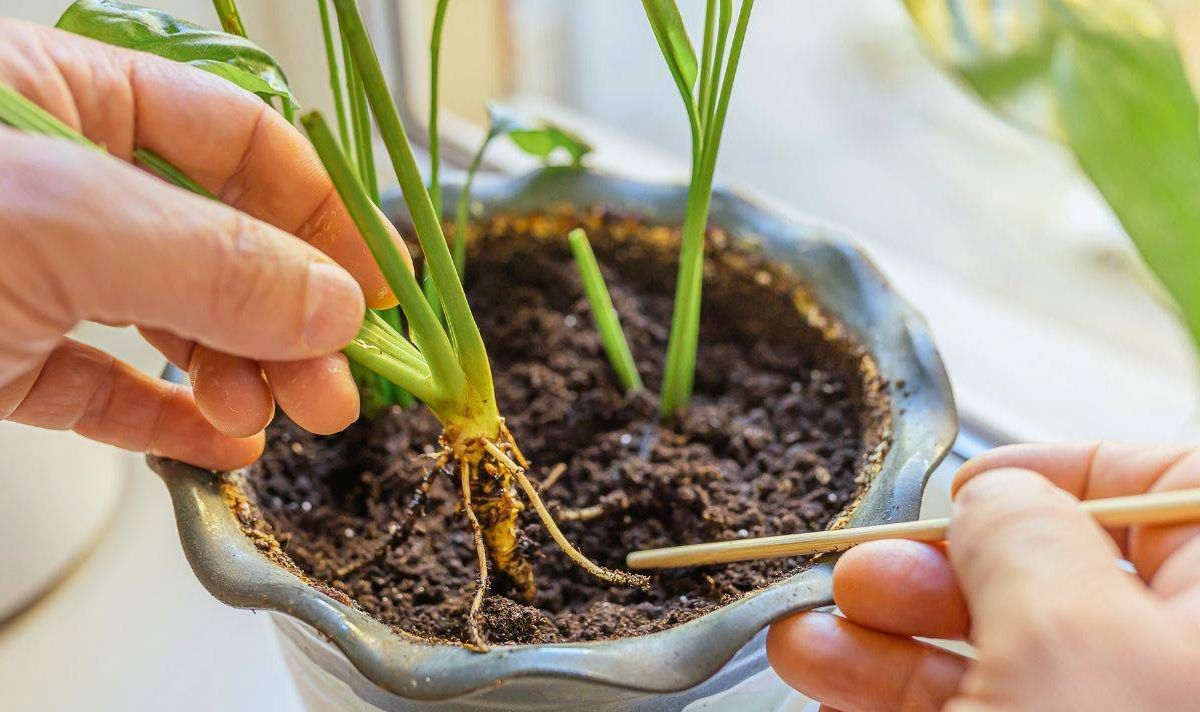
Make sure to doa soil test before watering peace lilies(Image: Getty)
For those who prefer not to handle the soil directly, a chopstick or wooden skewer makes an ideal alternative. If it comes out clean, the peace lily requires watering, but if soil clings to it, it’s best left for a little longer.
How to water a peace lily properly
When the time comes to water your peace lily, avoid pouring water directly onto the flowers or leaves, concentrating instead on the surface of the soil.
Thoroughly water the plant until liquid begins emerging from the drainage holes at the base of the pot. Avoid watering peace lilies too hastily, as this will promote superficial root development that won’t retain moisture effectively and increases the likelihood of the plant drying out during warmer months.
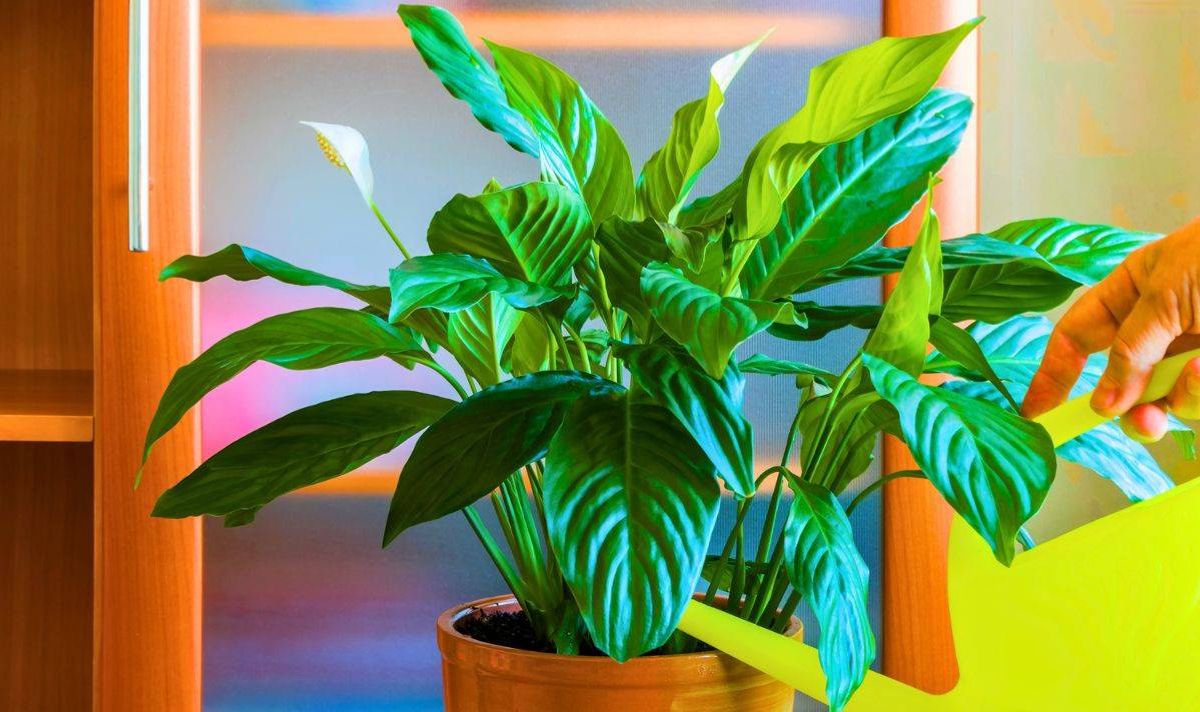
Peace lilies need watered roughly once a week in spring and summer(Image: Getty)
Allow several minutes following watering for complete drainage, confirming the peace lily’s root network has received adequate hydration.
Ensure peace lilies are never left standing in water-filled sinks or saucers, as this can result in root rot. The proper watering process for a peace lily should take approximately 10 minutes.
While conducting weekly checks on a peace lily may seem tedious, it remains the most effective method for maintaining the plant’s wellbeing and guaranteeing it produces those striking white blooms this year.
Comments are closed.