
Key Takeaways
Younger, fast-growing annuals outgrow pots quickly, while slower-growing perennials can wait longer.
Keep plants in partial shade, maintain consistently moist soil, and protect from cold temperatures.
Make sure new plants are acclimated to outdoor conditions and transplant during mild weather to minimize shock.
Who hasn’t come home from the nursery or garden center with something they didn’t plan for? We’ve all been there. You fell head over heels for a plant, brought it home, and then realized you can’t plant it right now. Maybe you’re fresh out of potting mix for filling a container, or you still need to clean out a garden bed to make space, or a monsoon is coming.
Where is this plant going to go, and how long can freshly purchased annuals and perennials hang out in their nursery pots? The type of plant, pot size, timing, and your local weather each play a role. Here’s how to figure out how long you can wait to plant, plus tips to extend that time as long as possible.
Annuals vs. Perennials
The younger the plant is, the more vulnerable it is. Also, the faster a plant grows, the quicker it will outgrow its pot. In general, annuals are faster-growing because they’ll only last until winter. Slower-growing perennials, which live for years, can usually wait longer for planting, potentially months, depending on the size of the plant and pot.
Advertisement
Advertisement
Within each category, there are faster and slower growers. But all of this can be superseded by the pot the plant is in. If allowed to outgrow their pots, any of these types of plants can become stunted.

Credit: Dean Schoeppner
Pot Size Matters
Consider not only the size of the pot, but the plant’s relative size within the pot. Larger pots give you more time between waterings and reduce stress on the plants. Soil acts as an insulator from temperature and holds moisture to protect the roots. A 2-inch-deep six-pack of sweet alyssum can dry out in one hot day. The same plants in a gallon pot may be able to go two or three days between waterings, if it’s not too hot.
Relative size is important, too. When roots fill the pot, they begin to lose resources and decline in vigor. Does the plant have room to spread its roots, or is it at capacity?
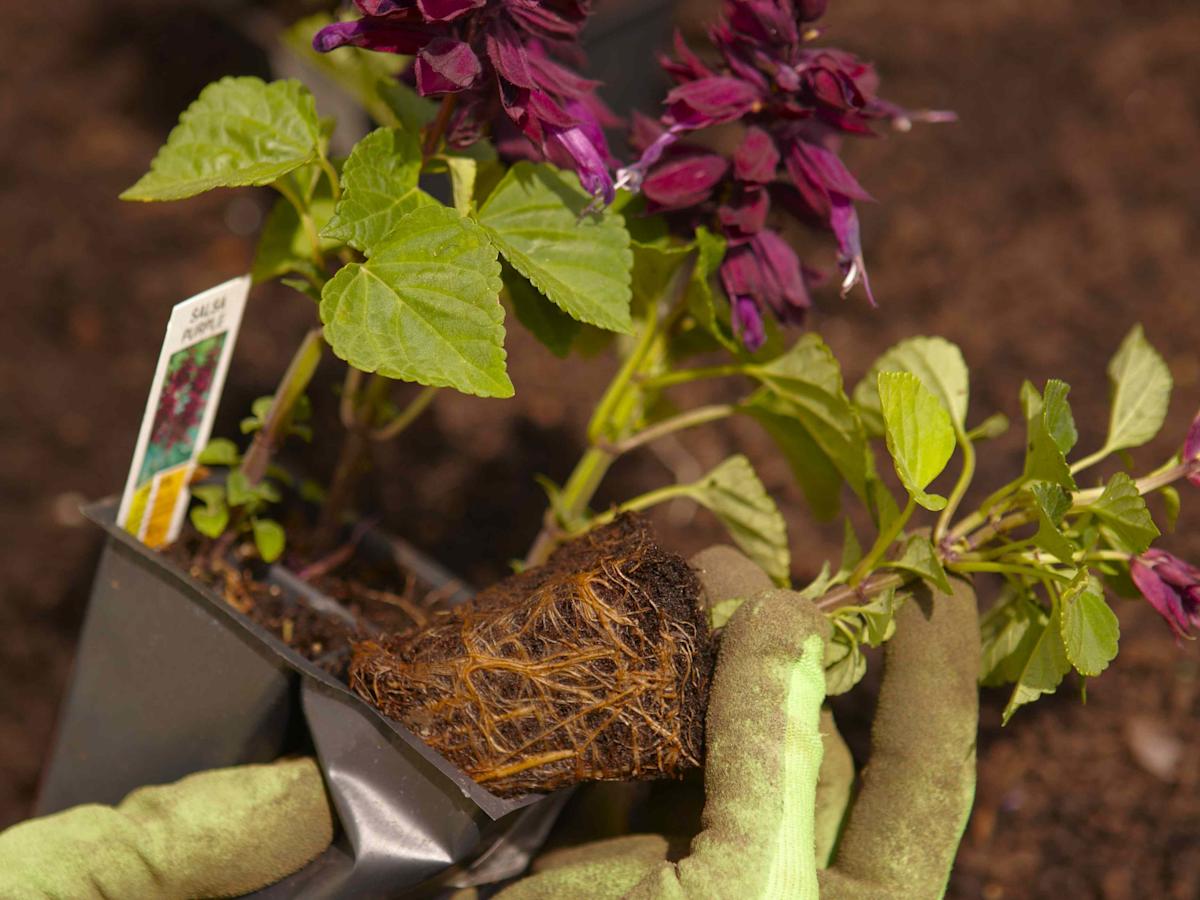
Gently take the plant out of its container and inspect the root-to-soil ratio. If you see plenty of soil, you’ve got some time. How much time depends on the plant’s growth rate and your growing conditions, from the weather to watering frequency.
Tips
One Hail-Mary strategy is to pot up your plant to give it some more room. In general, going one size up is safest: more can result in overly wet soil that could cause root rot.
Weather Windows
Transplanting is a major event for plants. Younger plants generally rebound faster than older ones, but to minimize stress, try to pick a time with mild, overcast weather, in the morning or evening, to transplant or pot up. Avoid planting right before heat spells or frosty nights.
Advertisement
Advertisement
If you bought your plant before your weather is warm enough for them to go out in the garden in spring, you’ll need to provide protection from cold temperatures. In this case, it may be easiest to wait to plant them and just bring the plants indoors during frosts. This is especially true for very cold-sensitive plants, like basil, tomatoes, and florists’ cyclamen or hydrangeas.
For veggie and flower starts, it’s also smart to ask the seller if the plants have been “hardened off,” which means they’ve been acclimated to outdoor temperatures at night. If not, be sure to do this yourself so your plants don’t get shocked and overly stressed when you finally do plant them outside.
While You Wait: Staging Safely
Too much sun or wind will easily dry out your plants, but they also need some light to stay health. When looking for a holding area, the best spots will be in partial shade (seedlings especially will need bright light) and in plain view so you’ll check them regularly. Near your water source is handy, too.
Keep plants in that sweet spot of “consistently moist” to avoid them wilting. The soil will ideally be like a wrung-out sponge, not dripping or soggy. Temper the watering for each plant’s moisture preferences (less for sedums, more for fuchsias).
When to Plant Right Away
Sometimes your new plant can’t wait until conditions are perfect. Here’s when time is of the essence.
Advertisement
Advertisement
Annuals: Time- or weather-sensitive ones need your attention first. In regions with short growing seasons, missing the cool window for sweet peas, half-hardy annuals, or cold-tolerant vegetables like peas or bok choy can mean losing the chance entirely. The same urgency applies in reverse for heat-lovers like tomatoes, which need the earliest start you can give them.
Bare-root plants: These should be planted promptly before they come out of dormancy. Soak the roots for 24 hours before planting, and if planting must be delayed, store them in damp organic material like wood shavings or compost.
Mail-ordered potted plants: Though they have a more flexible window of time than bare-root plants, they are often stressed from travel. Open packaging immediately to allow more air and light to reach the plants, check for damage, and water if dry. Then let them acclimate in a shady spot outdoors for a few days before planting.
Tips
If your plants are showing signs of distress, such as yellowing leaves, smaller than normal leaves, or premature flowering, it’s best to take the plunge and plant or at least pot them up.
Best Planting Practices
Pick a time with mild weather, then dig your hole first. Dig the hole to the same depth as the nursery pot and twice as wide. Water the hole and your plant. Gently remove the nursery soil from your new plant’s roots and reserve it on a tarp or in a bucket. Backfill with your native garden soil. Top-dress with the fertilizer-rich nursery soil and any desired compost or necessary amendments. Water well to help soil settle around the roots.
Advertisement
Advertisement
Read the original article on Better Homes & Gardens
Comments are closed.