

Lavender is a popular plant, but, it can become leggy and woody if not cared for properly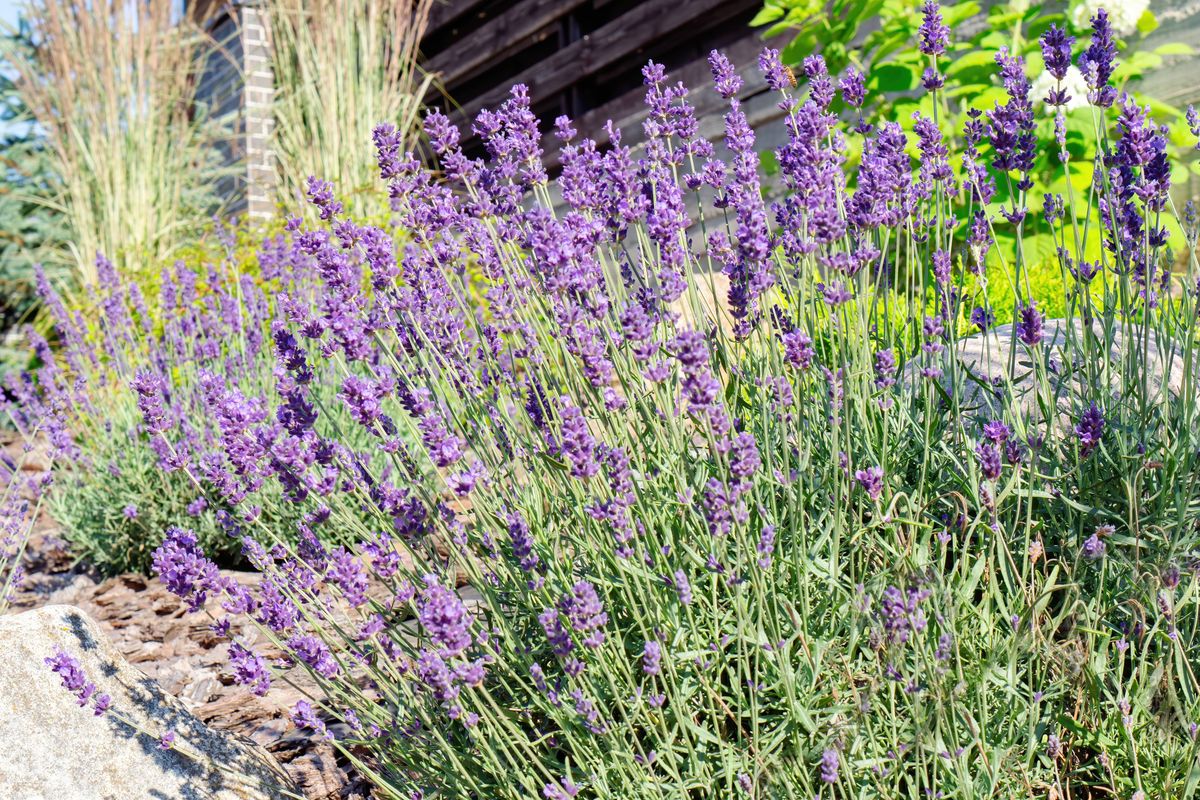
Lavender is a popular plant, but, it can become leggy and woody if not cared for properly (Image: IRINA NAZAROVA via Getty Images)
Lavender is a stunning addition to any garden, bringing a vibrant splash of colour and a distinctive fragrance. However, without proper care, it can quickly become leggy and woody.
Gardening enthusiast and TikTok creator Michael Griffiths recently shared a comprehensive guide outlining all the essential tasks gardeners should be tackling in their gardens this month. For those growing lavender, May presents an ideal opportunity to take action.
Lavender can be planted in May, or if your plant is already well-established, you may begin to notice flowers forming at this stage. However, if you neglected a crucial step last year, your lavender could be at risk of becoming leggy.
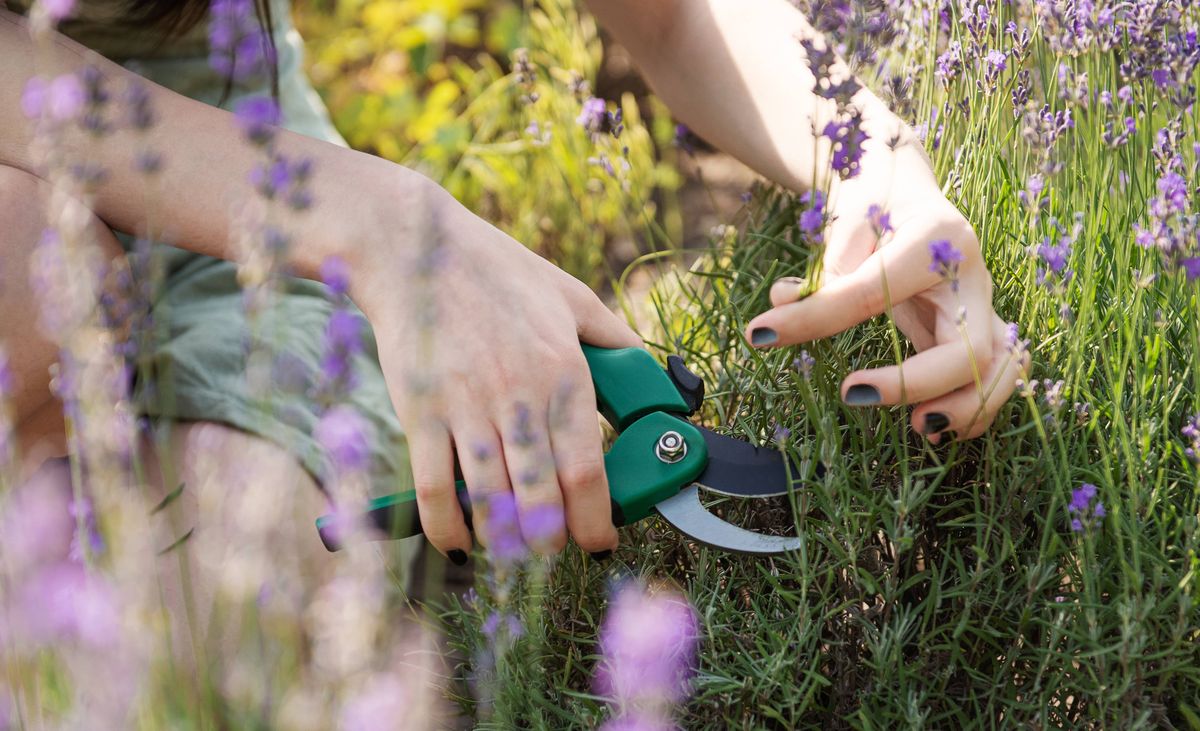
A quick prune in May will prevent lavender from going leggy(Image: Getty Images)
A leggy lavender plant is one that has developed long, sparse, and often woody stems with fewer leaves and blooms than a healthy specimen. To prevent this occurring during the flowering season, Michael advised fellow gardeners to carry out a last-minute prune.
Ideally, lavender should be pruned in late summer, preferably during August or September. Nevertheless, Michael suggested that May is perfectly suitable for a last-minute trim, reports the Mirror.
A spring prune will help keep the plant from turning leggy and woody. Cutting it back will maintain a neat, attractive appearance while encouraging fresh, vigorous new growth.
Failing to prune correctly, or at the appropriate time, risks leaving your lavender looking sparse and overgrown. When pruning lavender in spring, it’s important to distinguish between old and new wood. The old wood appears brown, displaying “almost white foliage”, while the new growth shows a vibrant green colour.
Content cannot be displayed without consent
Rather than trimming at the base, cut just above the old wood. He recommended reducing the lavender by approximately a third.
For proper lavender planting, ensure it’s positioned in a sunny location with free-draining soil. Typically, occasional watering and rainfall can maintain adequate hydration for the lavender.
To guarantee your lavender receives all necessary nutrients, it’s advisable that gardeners apply a quality compost on top of the soil.
Gardeners’ World cautioned: “Lavender can become very leggy, bearing few flowers. The reason for this is lack of, or poor, pruning. Many gardeners just deadhead hardy types, which also leads to leggy plants and not many flowers. Looked after in this way, the plant will be very short-lived.”
As the season progresses, gardeners should perform a substantial prune after the summer flowering period. In an earlier video, Michael clarified that you can prune “as hard as you like” but must ensure some new growth remains beneath your cutting point.
Cutting too deeply into old wood risks preventing regrowth and new lavender blooms. The lavender will produce several inches of regrowth which should remain untrimmed, as this helps protect the plant during winter months.
The newly compact shape will then be prepared by the following spring to produce fresh flower buds.
Comments are closed.