
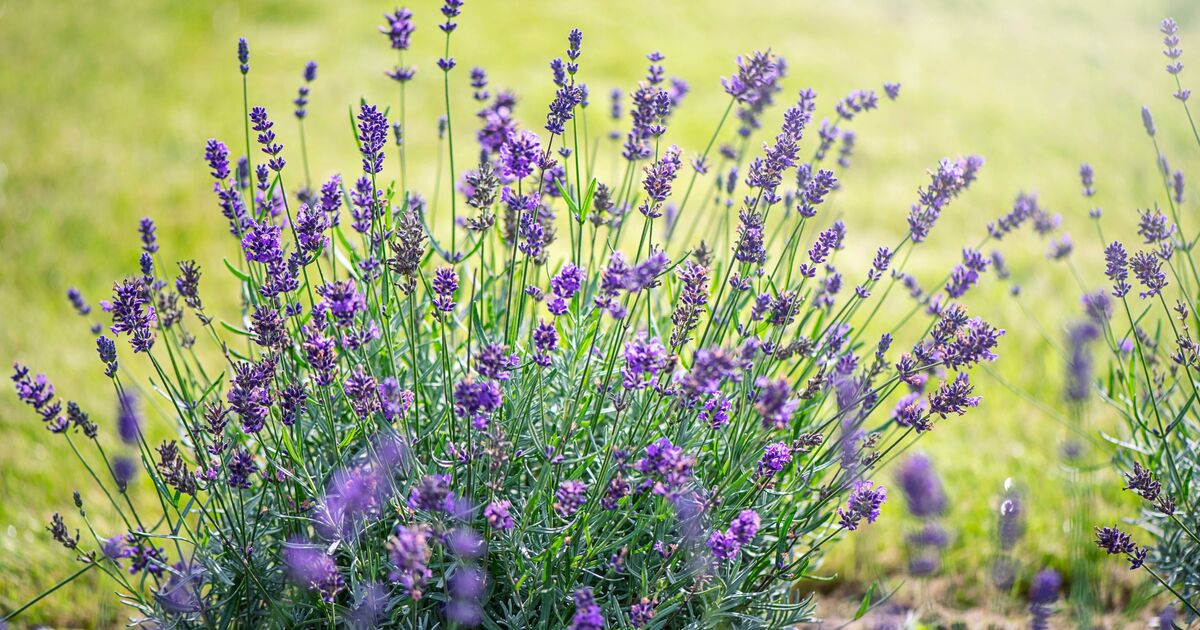
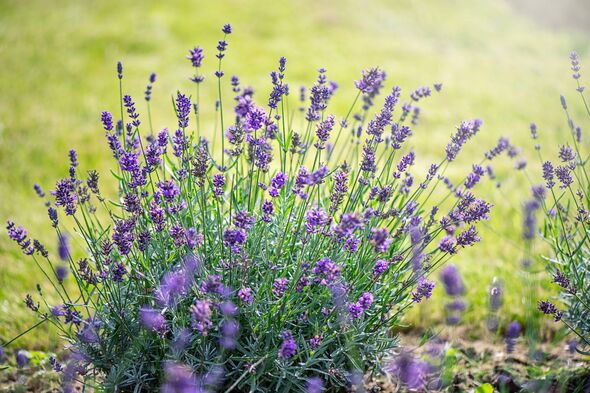
May is the last chance you’ll have to stop lavender becoming leggy during the summer (Image: Jacky Parker Photography via Getty Images)
Lavender is a stunning addition to any garden, bringing a burst of vibrant colour and a distinctive fragrance. However, without proper care and attention, it can quickly become leggy and woody.
Gardening expert and TikTok creator Michael Griffiths recently shared a comprehensive list of all the tasks gardeners should be tackling in their garden this month. If you happen to be growing lavender, then May is the ideal time to take action. Lavender can be planted in May, or if your plant is already well established, you may begin to notice flowers forming around this time.
READ MORE: Lawns will turn extra green in May if fed 1 kitchen scrap
READ MORE: Gardeners urged to sprinkle egg shells in gardens this May
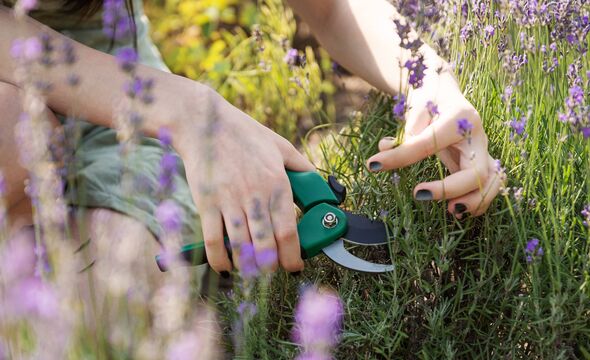
A quick prune in May will prevent lavender from going leggy (Image: Getty Images)
However, if you overlooked a crucial step last year, you risk the lavender turning leggy.
When a lavender plant is described as leggy, it means it has developed long, sparse, and frequently woody stems with fewer leaves and blooms than a healthy plant.
To prevent this from occurring during the flowering season, Michael advised fellow gardeners to give their lavender a last-minute prune.
Ideally, lavender should be pruned in late summer, preferably in August or September. However, Michael noted that May is perfectly suited for a last-minute trim, reports The Mirror.
A spring prune will help prevent the plant from growing leggy and woody. Cutting it back will keep the plant tidy and visually appealing, while also encouraging fresh new growth to flourish.
Failing to prune correctly or at the appropriate time can leave the lavender looking leggy and unkempt. When pruning lavender in spring, it is essential to distinguish between old and new wood.
The old wood will appear brown, displaying “almost white foliage”, while the new growth will be a vibrant green.
Steer clear of trimming at the base, and instead cut just above the old wood, taking care to reduce the lavender by roughly a third.
When it comes to planting lavender correctly, ensure it is positioned in a sunny spot with free-draining soil. Generally, the occasional watering and rainfall will be sufficient to keep the lavender adequately hydrated.
@themichaelgriffiths
May is where your garden really takes off… don’t miss these ???????????? A few simple jobs now can make a massive difference going into summer From pruning and lawn care to planting and pest control, this is the month everything starts moving Get on top of it now and your garden will thank you later
♬ original sound – themichaelgriffiths
To ensure your lavender receives all the nutrients it requires, gardeners are advised to apply a good quality compost on top of the soil.
Gardeners’ World warned: “Lavender can become very leggy, bearing few flowers. The reason for this is lack of, or poor, pruning. Many gardeners just deadhead hardy types, which also leads to leggy plants and not many flowers. Looked after in this way, the plant will be very short-lived.”
As the seasons progress, gardeners will want to give lavender a thorough prune once it has finished flowering during summer.
In a previous video, Michael explained that you can prune “as hard as you like” but you have to make sure you leave some new growth beneath the point where you’ve cut.
Cutting too far down into old wood risks preventing regrowth and new lavender blooms. The plant will produce several inches of new growth, which should be left intact, as this will help safeguard it throughout the winter months.
The newly compact form will then be prepared by next spring to generate fresh flower buds.
Comments are closed.