
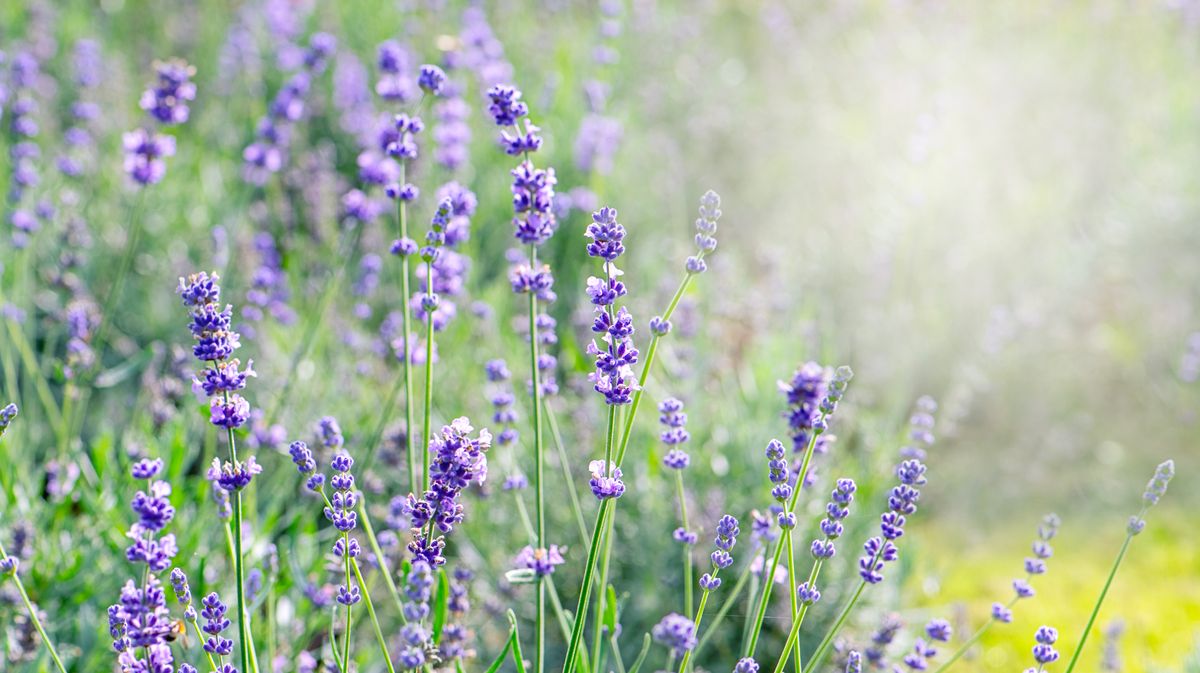
To stop lavender going leggy, there’s a simple task every gardener should be doing this month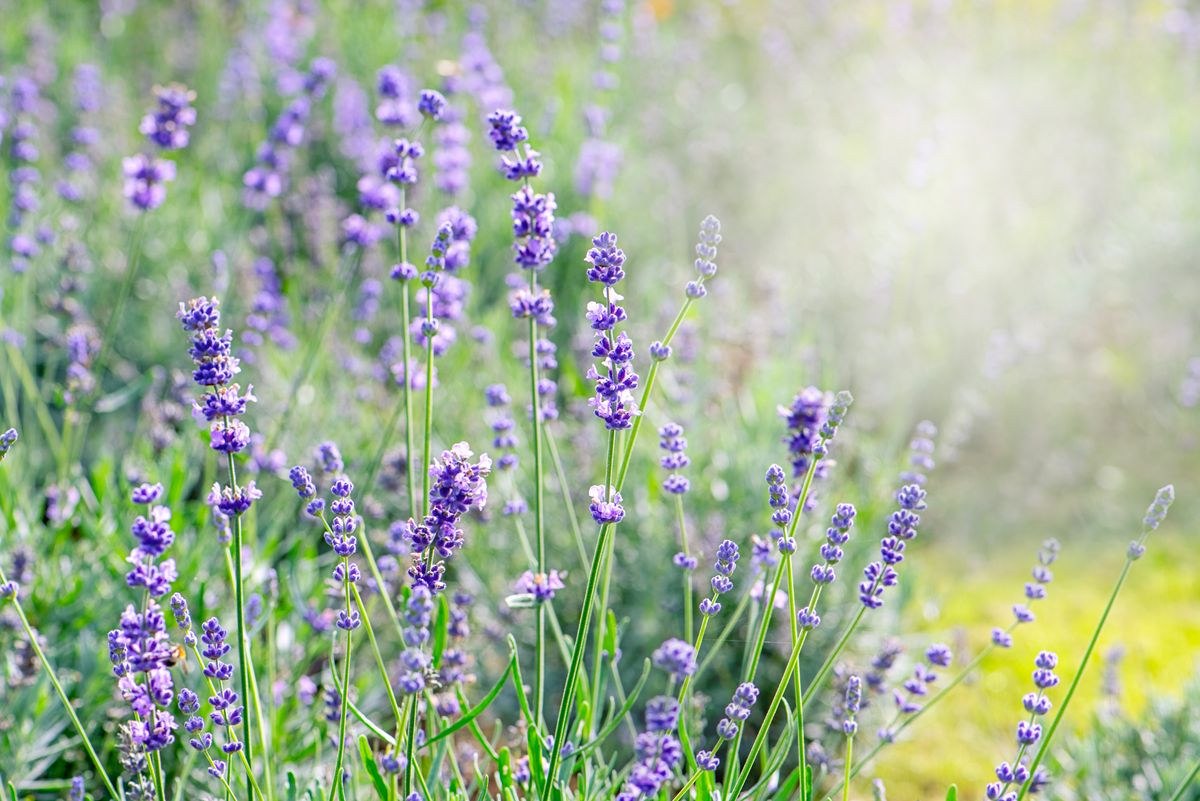
To stop lavender going leggy, there’s a simple task every gardener should be doing this month(Image: Getty Images)
Lavender is a gorgeous plant to grow in the garden, adding a pop of colour and pungent aroma. However, if you’ve not looked after it properly, it could become leggy and woody.
Gardening expert and TikTok creator Michael Griffiths recently shared an extensive list of all the tasks gardeners need to be doing in their garden this month. If you happen to be growing lavender in your garden, then May is the perfect time to take action.
Lavender can be planted in May, or if your plant is already established, you may start to see flowers forming by now. However, if you skipped over an important step last year, you may run the risk of the lavender becoming leggy.
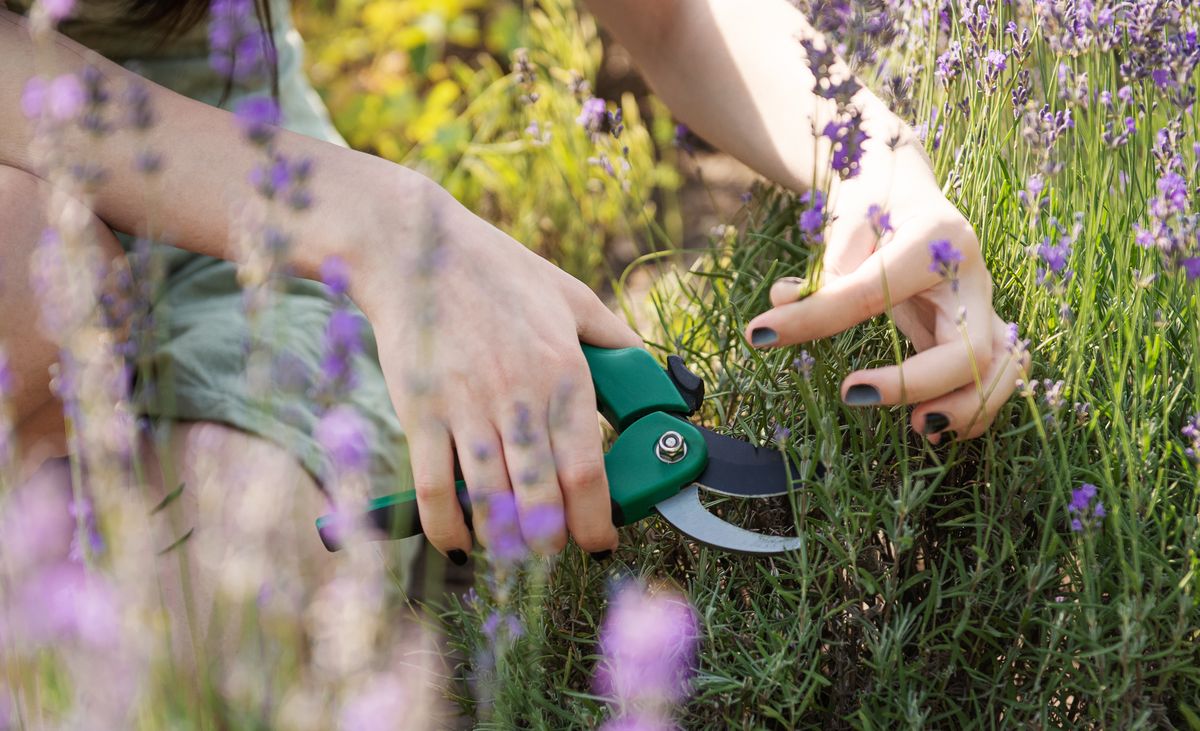
A quick prune in May will prevent lavender from going leggy(Image: Getty Images)
When a lavender plant is described as leggy, it means the plant has developed long, sparse, and often woody stems with fewer leaves and flowers than a healthy plant. To avoid this happening during the flowering season, Michael advised fellow gardeners to give the lavender a last minute prune.
Ideally, you should prune your lavender in late summer, preferably in August or September. However, Michael said that May is the perfect time for a last minute prune.
A spring prune will help prevent the plant from becoming leggy and woody. A trim will help keep the plant neat and aesthetically pleasing, and will encourage the fresh growth to thrive. Not pruning correctly or at the right time can leave the lavender leggy and woody.
When pruning lavender in spring, you want to identify the difference between old and new wood. The old wood will be brown, displaying “almost white foliage”, while the new growth will be a bright green.
Content cannot be displayed without consent
Avoid trimming at the base, and instead trim just above the old wood. He advised cutting the lavender back by about a third.
When it comes to planting lavender correctly, make sure it’s placed in an area with plenty of sun and use free-draining soil. Usually the occasional water and rain can help keep the lavender hydrated.
To make sure your lavender has got all of the nutrients it needs, it’s recommended that gardeners use a healthy compost on top of the soil.
Gardeners’ World warned: “Lavender can become very leggy, bearing few flowers. The reason for this is lack of, or poor, pruning. Many gardeners just deadhead hardy types, which also leads to leggy plants and not many flowers. Looked after in this way, the plant will be very short-lived.”
As the year moves along, gardeners will want to give lavender a heavy prune after it has flowered in the summer. In a previous video, Michael explained that you can prune “as hard as you like” but you have to make sure you leave some new growth beneath the point where you’ve cut.
If you cut too far down into old wood, you run the risk of it not re-growing and blooming new lavender. The lavender will produce some regrowth of a few inches which you should avoid cutting back, as this will help protect the plant throughout winter.
The new compact shape will then be ready in the next spring to produce some new flower buds.
Comments are closed.