
Source: Royal Botanic Gardens Cranbourne

–
Jr. Staff Writer
·
May 5, 2026
Royal Botanic Gardens Cranbourne is digging deeper into the art of home gardening, unveiling a new immersive space designed to help everyday Australians grow thriving native gardens.
The newly opened ‘How to Garden’ precinct invites visitors to rethink their backyards through an Australian lens, blending practical education with sensory experiences.
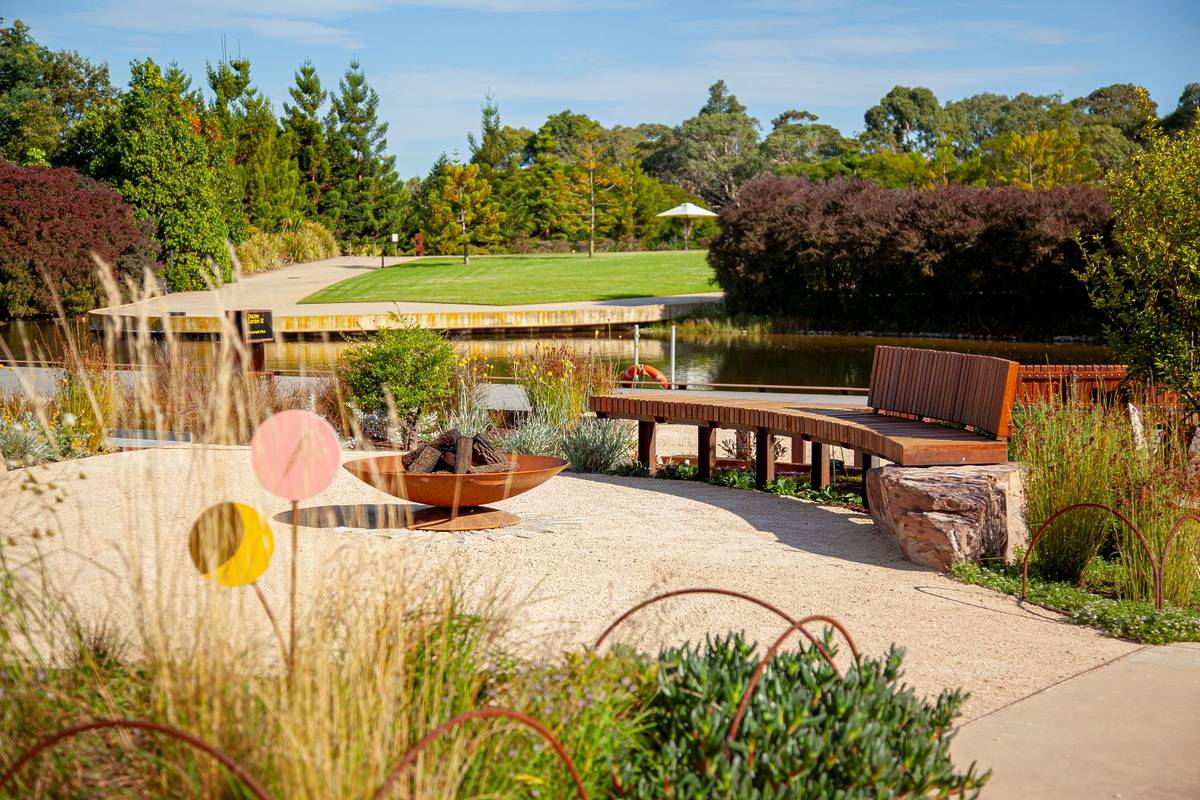
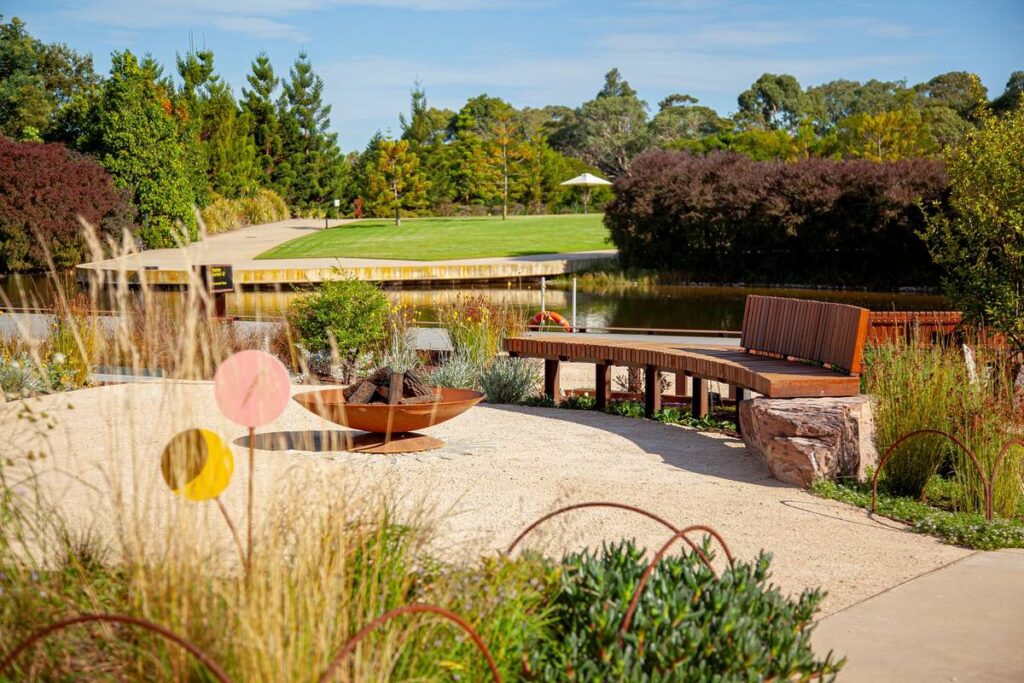
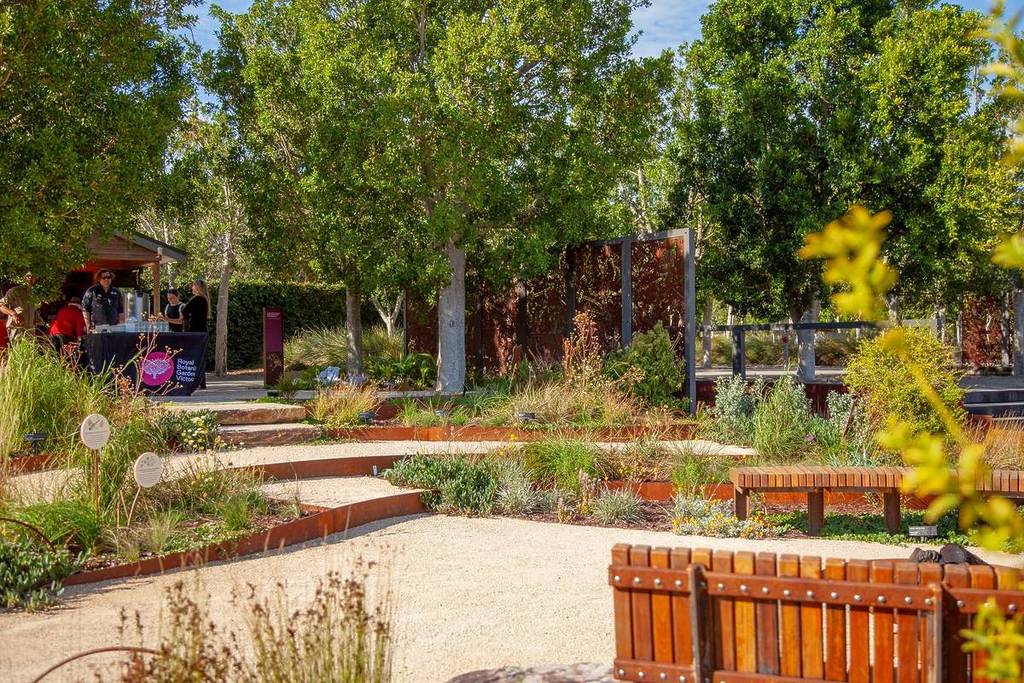
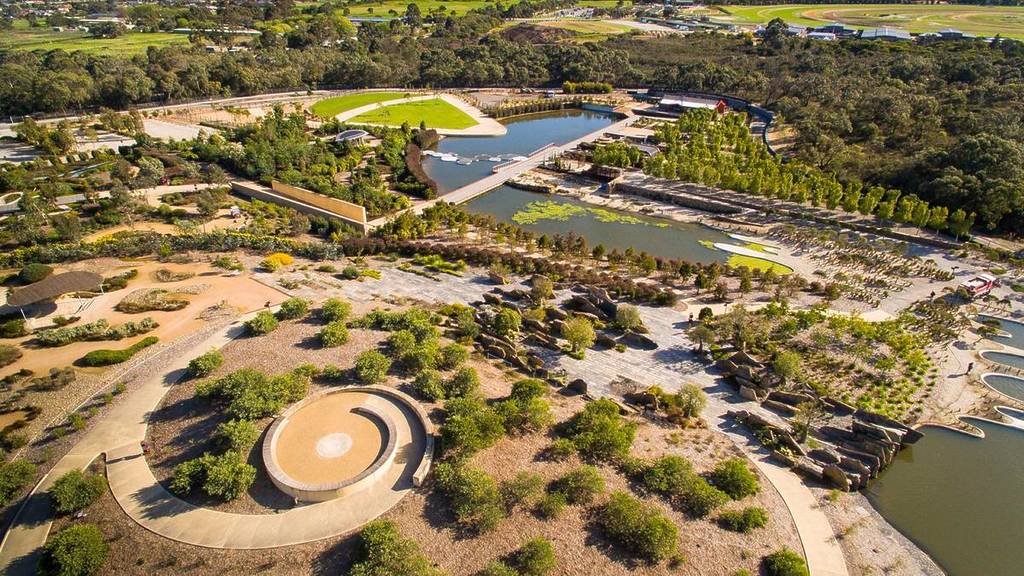
Set within the award-winning Australian Garden, the space pairs hands-on learning with thoughtful design—complete with a teaching circle, a fire pit, and sweeping bench seating that encourages visitors to slow down and stay awhile.
Designed for real backyards
 Source: Royal Botanic Gardens Cranbourne
At the heart of the project is veteran landscape architect Andrew Laidlaw, whose 25-year tenure at the Gardens has helped shape some of Victoria’s most celebrated green spaces.
Fresh off receiving the Australian Institute of Landscape Architects’ President’s Award, Laidlaw has designed the precinct to reflect a modern, biodiversity-first approach to gardening.
He explains that the garden goes beyond aesthetics, showing how thoughtful planting can actively support wildlife. Visitors can expect to learn how native gardens can attract everything from bandicoots to native bees and birds—turning suburban plots into small but vital ecosystems.
Practical tips you can actually use
 Source: Royal Botanic Gardens Cranbourne
The space also demystifies concepts like microclimates and plant placement, offering practical guidance for gardeners working with everything from shaded courtyards to root-heavy soils. Rather than prescribing a one-size-fits-all approach, the garden demonstrates how to work with your environment, not against it.
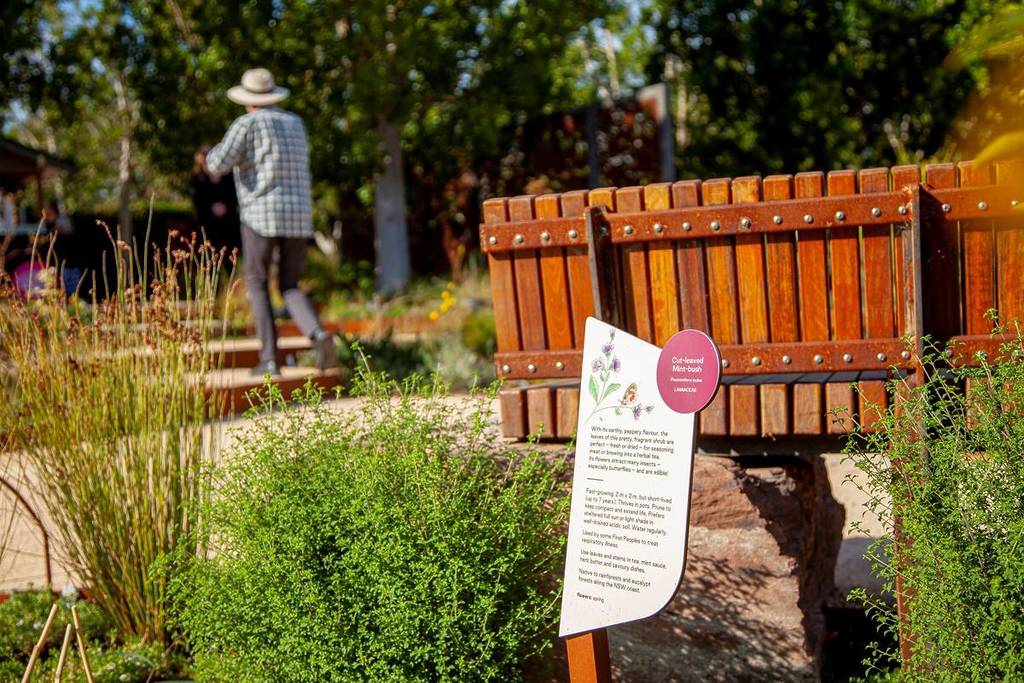
There’s a strong focus, too, on the cultural and culinary value of native plants. Species like Emu Bush, Native Mint and Kangaroo Grass are showcased for their resilience, but also for their medicinal uses and role in bush foods.
The experience encourages visitors to touch, smell, and engage with the plants up close—a far cry from the typical “look but don’t touch” garden.
 Source: Royal Botanic Gardens Cranbourne
Importantly, the project team has shaped the project in consultation with the Bunurong Land Council Aboriginal Corporation, with signage and digital content highlighting traditional plant uses and Indigenous knowledge systems.
It’s a layer that adds both depth and context, connecting modern gardening practices with tens of thousands of years of cultural heritage.
The inclusion of a fire pit and gathering space—large enough to host around 30 people—nods to the idea of gardens as social spaces. Inspired by traditional yarning circles, the design brings people together for learning sessions and casual catch-ups alike.
A growing reason to visit Cranbourne
 Source: Royal Botanic Gardens Cranbourne
The redevelopment was supported by the Helen Macpherson Smith Trust and philanthropists Dr Philip Moors AO and Debbie Moors. Dr Moors, who played a key role in the original Australian Garden two decades ago, describes the new precinct as a lasting gift to the community—one that invites people to reconnect with nature and with each other.
The opening gives visitors another reason to head to Cranbourne Gardens, recently named one of the world’s must-see gardens by The New York Times.
Located about an hour from Melbourne and en route to destinations like Phillip Island and the Mornington Peninsula, it continues to cement its place as one of Victoria’s most compelling outdoor attractions.
You can find the ‘How to Garden’ space at the northern end of the Australian Garden, near the Ian Potter Lakeside Precinct—and it might even inspire you to finally tackle that patch of backyard.
Comments are closed.