
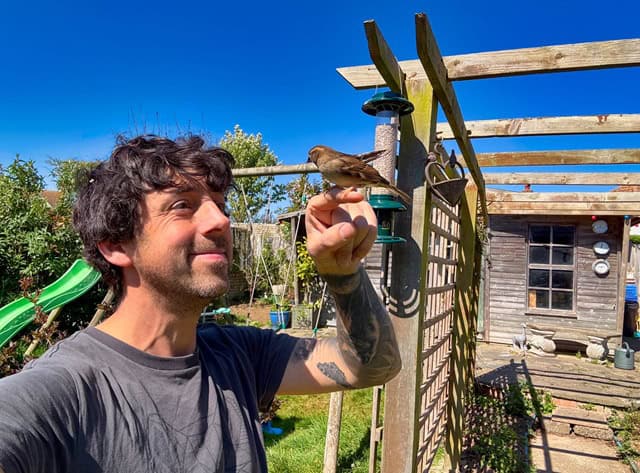
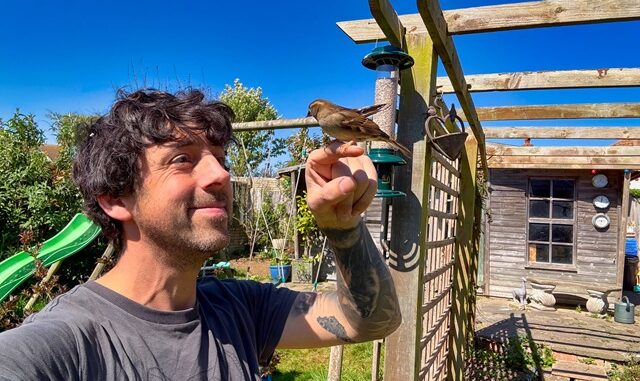
 Nik supporting birds in his garden
There is a lot of joy in sharing our homes with garden birds, after all they desperately need and deserve our help and watching a blue tit navigate a feeder or a robin wait patiently for a mealworm provides a massive boost to our mental wellbeing.
However, the RSPB has issued a vital update that every local nature lover needs to hear. The new message is clear: we do not need to stop feeding our feathered friends, but we must rethink our approach.
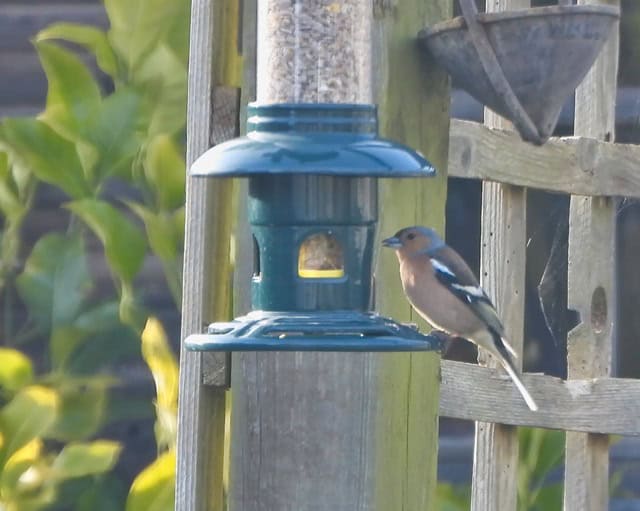
At the heart of this announcement is an important bit of information and to sum it up hygiene is now just as important as the food itself.
With species such as the Greenfinch seeing a staggering 67% decline, our gardens must be managed as genuine safe havens rather than unintended “infection zones.”
Fundamentally, we should always be focusing on building true, self-sustaining ecosystems in our gardens and feeding them comes second, but not everyone has a garden.
The Seasonal Shift: “Feed Seasonally, Feed Safely”
The RSPB’s new guidance, “Feed Seasonally, Feed Safely,” shifts the focus from merely providing calories to maintaining a clinical standard of cleanliness. One of the most significant changes is the Summer Pause. From May to October, the RSPB suggests a pause on traditional seeds and peanuts. In the summer heat, these can facilitate the spread of diseases like Trichomonosis. Instead, offer only small, controlled amounts of suet or mealworms and keep your feeders clean and move them around.
Identifying the Three Danger Zones
To keep our local wildlife thriving, we must address the three primary areas where disease takes hold:
The Feeder: A communal spot where birds congregate and share saliva, avoid feeding on flat surfaces especially bird tables
The Ground Below: This is a massive “disease hotspot.” Droppings mix with discarded food and damp soil, creating a breeding ground for bacteria.
The Bird Bath: Dirty water is a primary way diseases like Avian Pox and Trichomonosis spread.
The Hygiene Action Plan
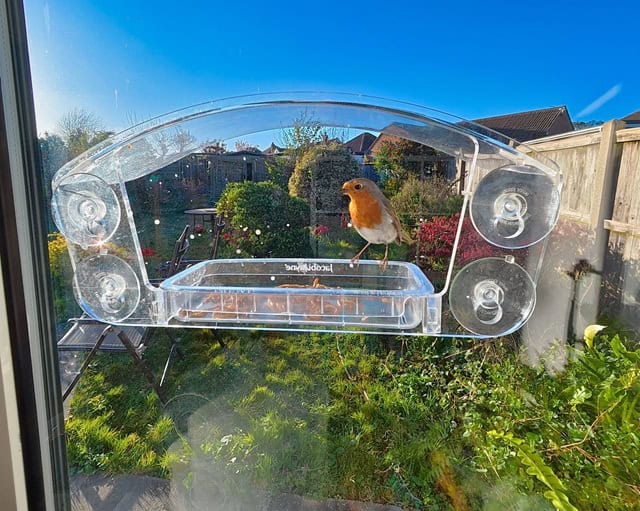
To combat these risks, the RSPB suggests a “Move-It Rule.” Residents should shift their feeders to a new spot every single week. This simple act allows the grass or soil underneath to recover and prevents a build-up of toxic pathogens. Furthermore, bird baths require more than a simple top-up. They should be emptied daily and cleaned weekly.
If you spot a sick bird, remove the bath and feeders entirely for at least two weeks to break the infection cycle.
Quality Over Quantity
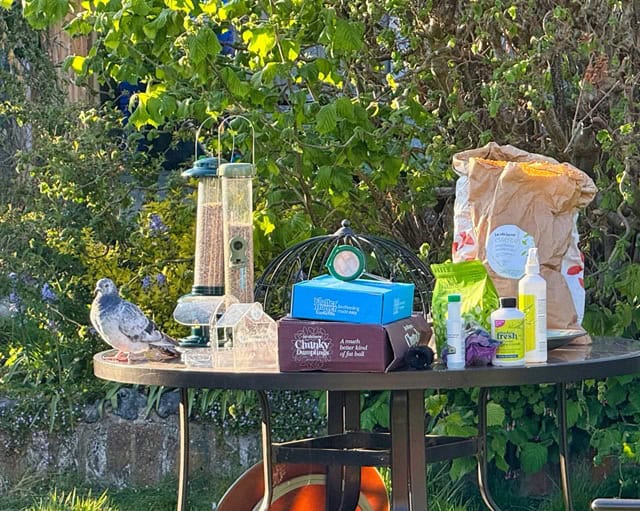
The “Small Feeder” Strategy – When it comes to equipment, the design matters. High-quality feeders that come apart easily are essential; if a feeder is a “faff” to dismantle, it won’t get cleaned properly. I also like to suggest using smaller feeders that empty in one or two days. This creates a natural “cleaning window.”
Never “top up” old seed; wait until it is empty, clean it, and then refill to stop old, mouldy seed from sitting at the bottom.
Avoiding the “False Economy”
Cheap seed often contains “fillers” like wheat that birds toss to the floor. This waste sits on the ground or clogs up in the feeder, rots, and attracts vermin. Its really important to get premium, “no-waste” seed meaning it all gets eaten, keeping the ground clean and actually saving you money while protecting bird health.
Building the Natural Buffet
While we love the proximity of feeders, the ultimate goal is to create an ecosystem. Planting for birds provides a “clean” food source that doesn’t rely on plastic tubes.
Here are six fantastic options for your garden:
Teasels: Their architectural seed heads are a magnet for Goldfinches.
Sunflowers: A high-energy snack that provides entertainment as you watch birds cling to the large heads.
Hawthorn: Provides vital “living larders” of berries in the autumn and nesting cover in the spring.
Rowan (Mountain Ash): Known as the “Wayfarer’s Tree,” its bright berries are a favourite for Thrushes and Waxwings.
Ivy: Often overlooked, its late-season berries are a crucial energy source during the coldest months.
Honeysuckle: Not only does it smell divine, but its berries are prized by many species, and its dense growth offers excellent protection.
Chicks cannot live on seeds alone
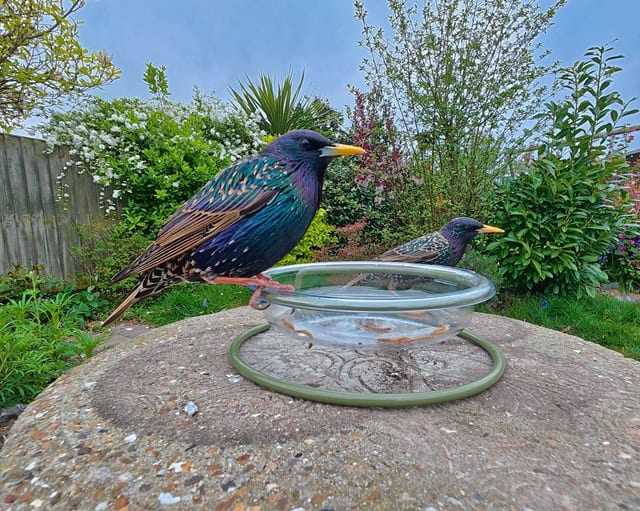
Most garden bird chicks require a diet almost entirely made up of protein-rich insects and caterpillars to grow. By focusing on building an ecosystem that supports insect life—rather than just putting out fat balls—we are providing the essential “baby food” birds need during the breeding season.
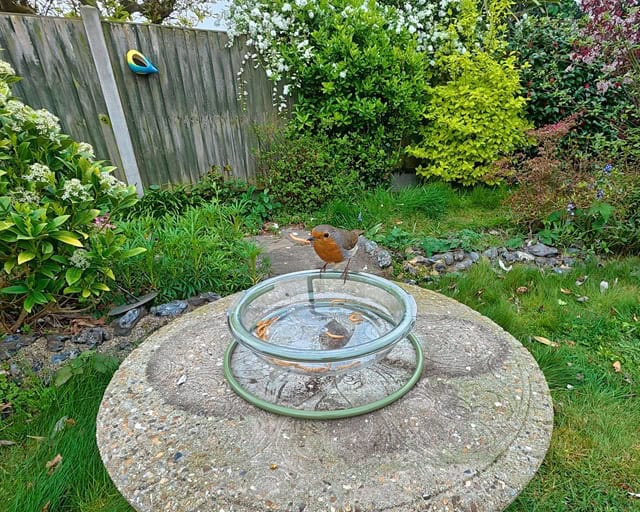
Not everyone has a sprawling garden, but everyone can focus on quality and hygiene. By feeding smarter, we ensure that the birds we share our homes with today will still be here for generations to come.
Follow Nik on his Get Wild page at: https://www.facebook.com/GetWildwithNik
Comments are closed.