
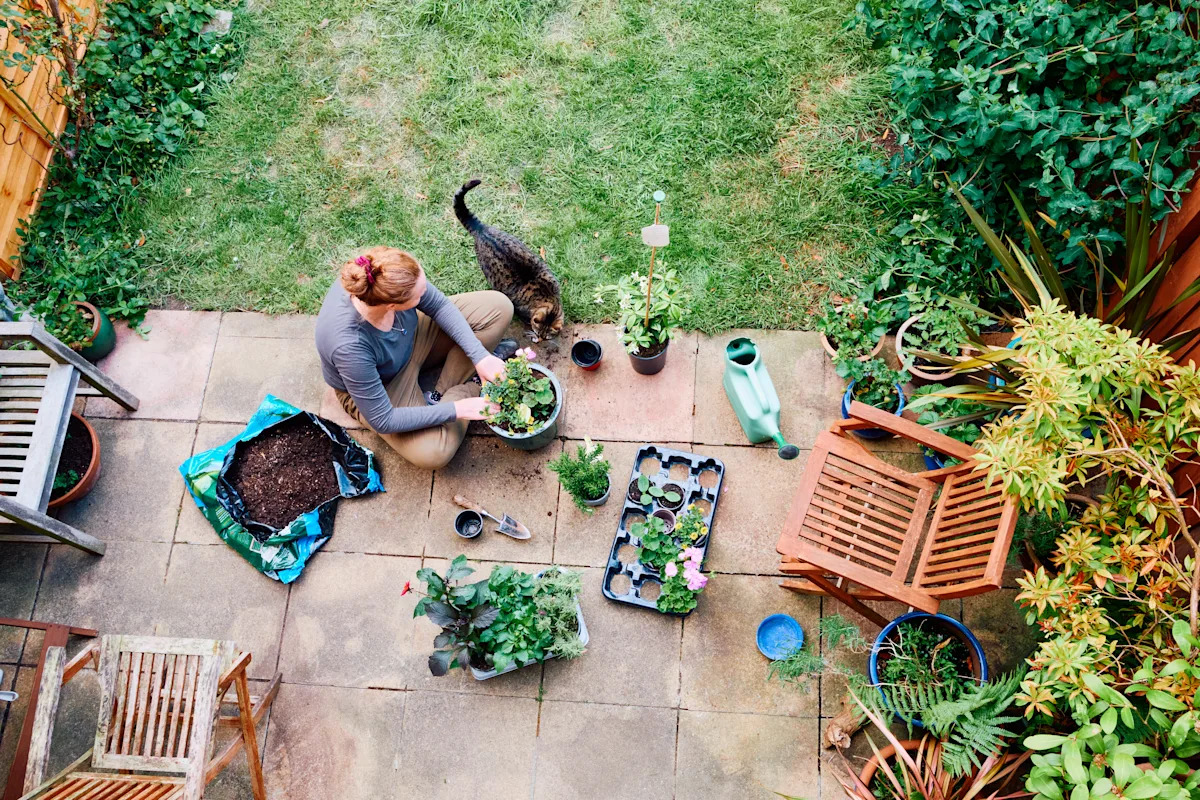
Have you been keeping up with your gardening? From its many health benefits to getting to spend some time outdoors, gardening is a great way for Canadians to get out of their homes and flex their green thumbs.
Quick Overview
See 12 more
If you haven’t already started tending to your outdoor space, there’s still time to get things in tip-top shape. However, there are some mistakes that — if you don’t avoid them — can lead to harsh outcomes for your crops. Read on to learn all the gardening errors you shouldn’t make to help you grow the best plants this spring and summer.
Gardening guide for spring 2026
A step-by-step guide to get the best garden — from what you need to what steps you shouldn’t forget with preparing your soil and sowing seeds.
1. Not assessing any damage or mess from winter
Before you actually start gardening this year, take a walk around your property and see if any damage occurred over the winter months. For instance, you might have to repair any planter boxes that were damaged in a recent storm, or it might be a good idea to patch up any fencing that was impacted over the past few months.
Moreover, you’ll likely need to do a light cleaning of your yard and garden beds once the snow has melted. Branches, garbage and other debris could be obstacles in your path to having a great garden, so — like any project — clear up your workspace before you begin.
2. Pruning the wrong parts of your plants
The ideal time to start pruning the foliage around your home is early spring. Before your plants come out of dormancy, give them a good trim so they can grow into their new shape. But don’t just go around pruning every tree and shrub in sight; understand what you’re using your shears to clip — and why.
A general rule is that in early spring, you can prune shrubs that have yet to grow any flowers. If there are flower buds on any branches, you’ll want to avoid cutting these, as you’d be chopping off any of this year’s growth. Instead, wait until the plant has finished flowering to prune it.
Spring bloomers, vines and shrubs thrive if pruned after they bloom: After producing buds and helping them bloom, the plant can redirect its energy into healing
Summer bloomers should be trimmed in the fall, six weeks before the local frost date
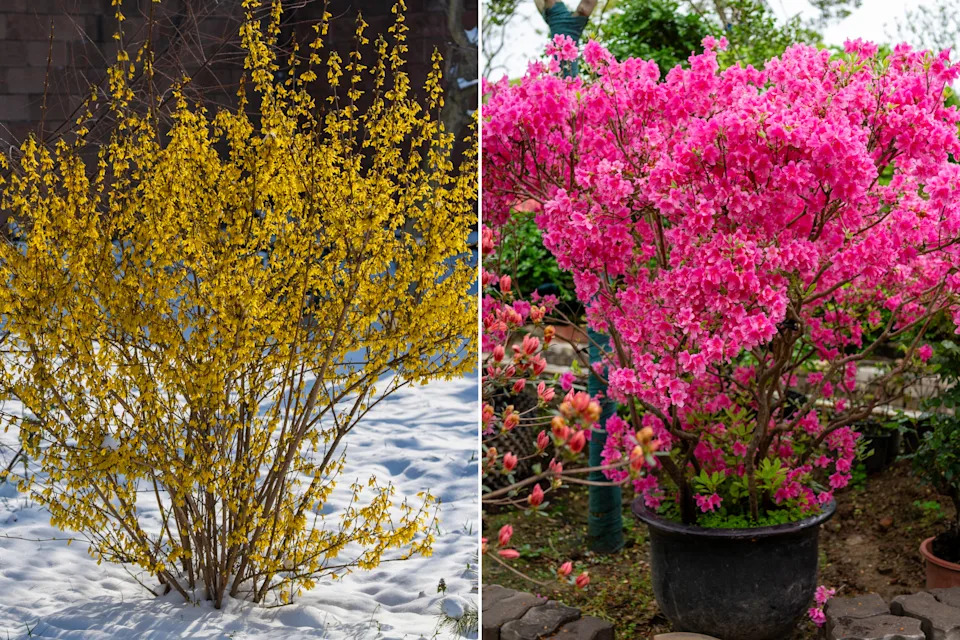 How do I prune trees and shrubs?
There are various pruning methods, but in general, it’s best to properly cut back to the bud to prevent damage and encourage proper regrowth. To properly prune, cut just above the bud at a 45-degree angle. Avoid common mistakes, like cutting too close to the bud, pruning too high above the bud or trimming at too much of an angle.
For trees, you’ll generally want to wait to prune until late fall or early winter. In some cases, you might need to hire a professional arborist to handle tree pruning.
For bushes, it’s best to only prune them to a third of their size each year. Additionally, always prune inward-growing branches to help your plant get air and sunlight.
3. Incorrectly preparing your garden’s soil
If you want a beautiful garden, you’ll need to have healthy soil. Oftentimes, if a plant isn’t doing too well, it’s because the soil is preventing it from properly growing.
First, Agriculture and Agri-Food Canada (AAFC) suggests doing a quality check on the soil you’re using. Grab chunks of the soil and toss it between your hands. Good soil should be dark, crumbly and smell fresh or “alive.” If it smells wet or like rotten eggs, it’ll need some compost or manure.
If your soil is already healthy, you don’t need to till it. But AFFC adds that tilling can be done when you’re planting new seeds or when you’re starting a new garden bed and need to work in compost or manure. For new garden beds, mix two to three inches of compost into the top six to eight inches of soil. For established garden beds, top-dress with one to two inches of compost.
4. Starting to garden without a layout plan
Planning ahead pays dividends for many projects, including gardening. If you’re starting to garden this spring, you’ll want to think about which plants you want to grow and which ones will thrive in your garden. For instance, you might want to avoid sun-loving plants if you have a shady property (consider creating a sun map to see where plants should go), or you might not have enough space for certain large plants.
It’s also important to think about whether your plants can withstand colder temperatures if you’re starting to plant earlier in spring. According to Landscape Ontario, some good options for gardening early in the year include:
Caladiums (elephant ears)

Pansies are a good option if you’re gardening in early spring, as these flowers typically flourish in cooler weather. Seedlings will tolerate outside temperatures averaging 15 degrees and nighttime temperatures around 4 degrees. (Getty Images)
(Feifei Cui-Paoluzzo via Getty Images)
Other things you’ll want to consider include starting seeds indoors in a greenhouse and placing raised garden beds on your property if you live in a cooler climate. Some vegetables — like tomatoes, peppers and herbs — benefit greatly when you initially plant their seeds indoors, while raised garden beds warm up and dry out more quickly and are recommended for cold places.
5. Forgetting to check if your toolkit is fully stocked
As with cooking or baking, it’s a good idea to make sure you have all the tools in your arsenal before you get to work. Do you have everything you need to dig holes and make new homes for plants? What about everything to upkeep their care throughout the spring and summer? Some gardening essentials may include:
A trowel to dig holes and transplant plants
A shovel or spade for bigger digging jobs
A hand rake for tilling small areas of soil
A wheelbarrow for transporting soil and other goods
Gardening gloves for protection
A watering can for hydrating your plants
A garden hose for watering larger areas
6. Picking the wrong time to start gardening
Once you’ve fully prepped your toolbox, planned your garden layout and bought your seeds or plants, it’s time to get outdoors and get to work. But when exactly should you start gardening — is it too early? Can you start too late?
The Old Farmer’s Almanac offers a planting calendar that shows the best planting dates for your local postal code. The spring planting calendar looks at the earliest time you can start your garden, according to your area’s final frost of the season.
For instance, many crops in Toronto — such as beets, carrots, kale and lettuce — can likely be planted outdoors as early as April 6. But in cities with milder climates, hardy vegetables can be planted in the coming days: Vancouver’s calendar says spinach, potatoes and parsley can probably be planted starting March 24, while people in Halifax should likely wait until April 10.
Additionally, check the information on your seed packets to see what category your seeds or plants fall under. Toronto Master Gardeners indicate there are four categories — frost hardy, semi-frost hardy, semi-frost tender and tender — to let you know when seeds can be sown.
Let us know what you think by emailing us or threading us @yahoocanada. Follow us on TikTok, WhatsApp and Instagram.
Comments are closed.