
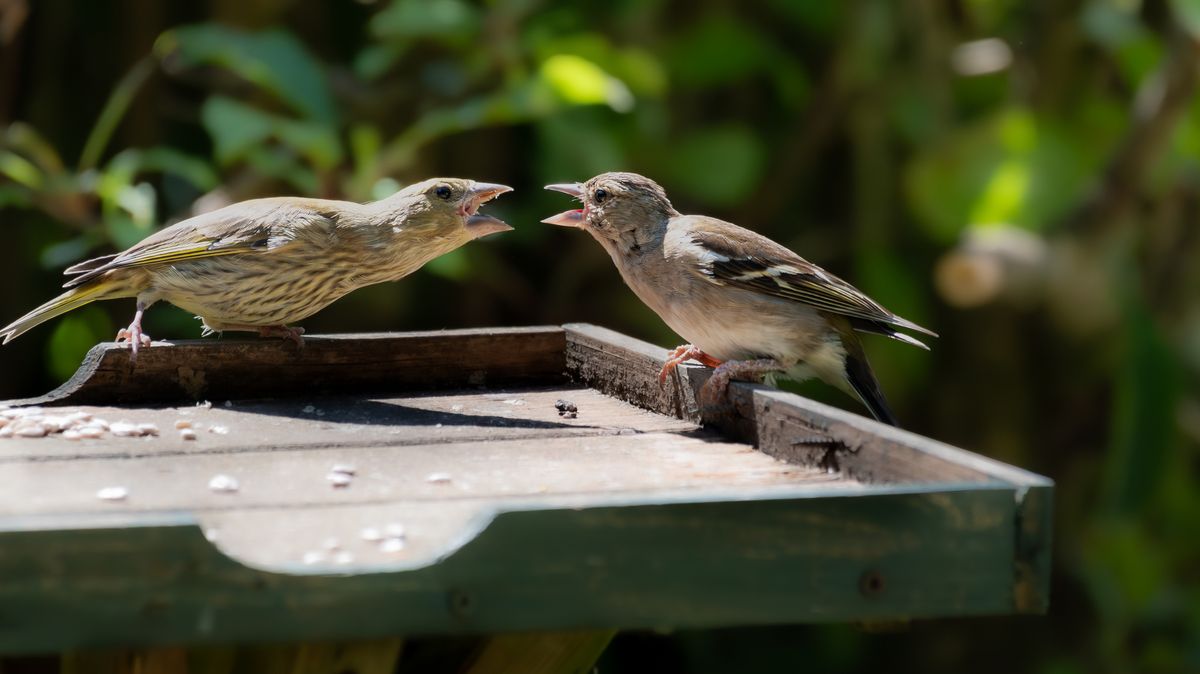
RSPB bird feeding advice urges gardeners to avoid flat feeders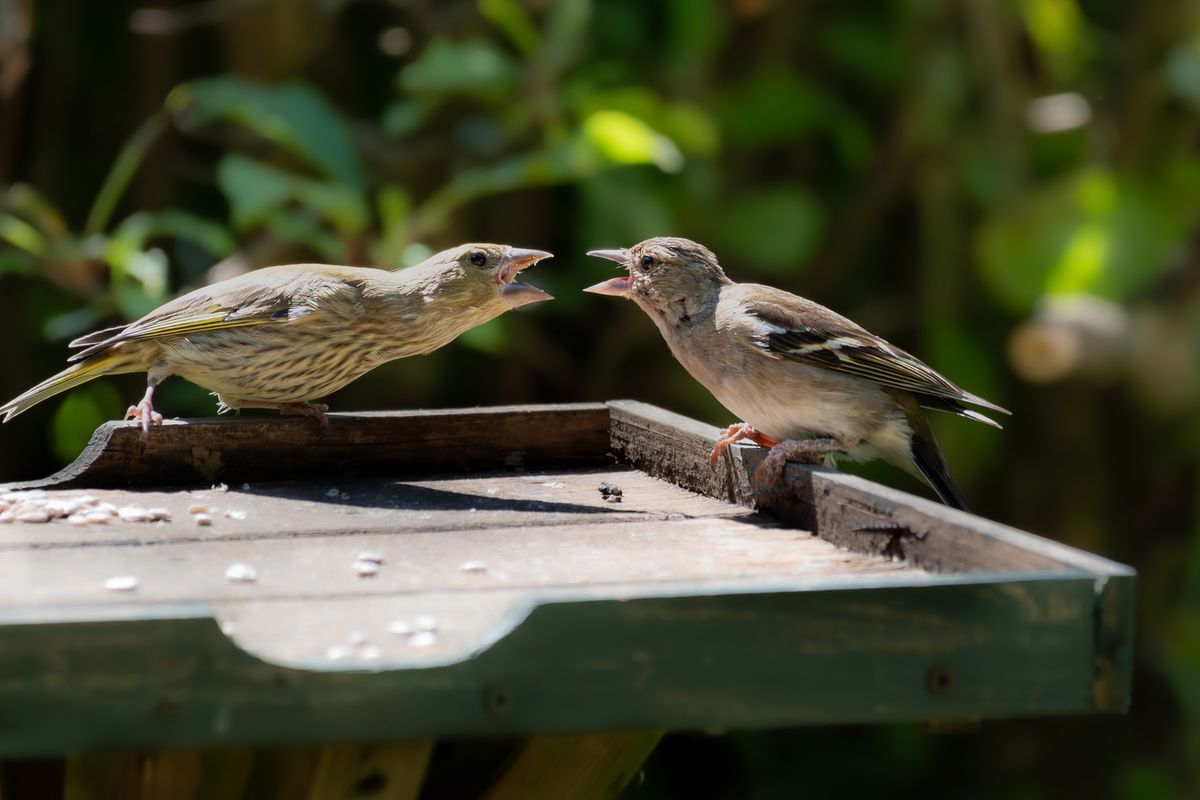
Three bird species are at risk according to RSPB (stock image)(Image: Getty)
Anyone with a flat bird feeder or bird table in their garden is being urged to switch to alternative types of feeders for a vital reason. According to the Royal Society for the Protection of Birds (RSPB), three species of common garden birds are at risk from a disease that can be readily spread through flat feeders.
On its website, the RSPB’s latest guidance reveals that trichomonosis is causing a significant decline in the populations of greenfinch, chaffinch and bullfinch. Trichomonosis is a disease caused by the parasite Trichomonas gallinae, which affects the throat and gullet, making it difficult for birds to swallow food.
The RSPB says: “Across the UK, trichomonosis has caused serious declines in Greenfinch and Chaffinch populations and may now be causing a rapid decline amongst Bullfinches. The scientific evidence shows that the risk of trichomonosis outbreaks is highest in summer and autumn.”
Research by the RSPB has established that bird tables and other flat feeders carry the greatest risk of transmitting the disease. Birds suffering from trichomonosis typically perch on flat surfaces when attempting to eat. The illness makes swallowing extremely difficult, causing them to regurgitate contaminated food back onto the flat surface, where it can then be consumed by healthy birds.
The RSPB warns that even with daily cleaning of feeders, healthy birds can still consume food that was brought back up earlier. That’s why the charity advises against using any flat-surface feeders, such as bird tables and window feeders, for feeding birds, reports the Liverpool Echo.
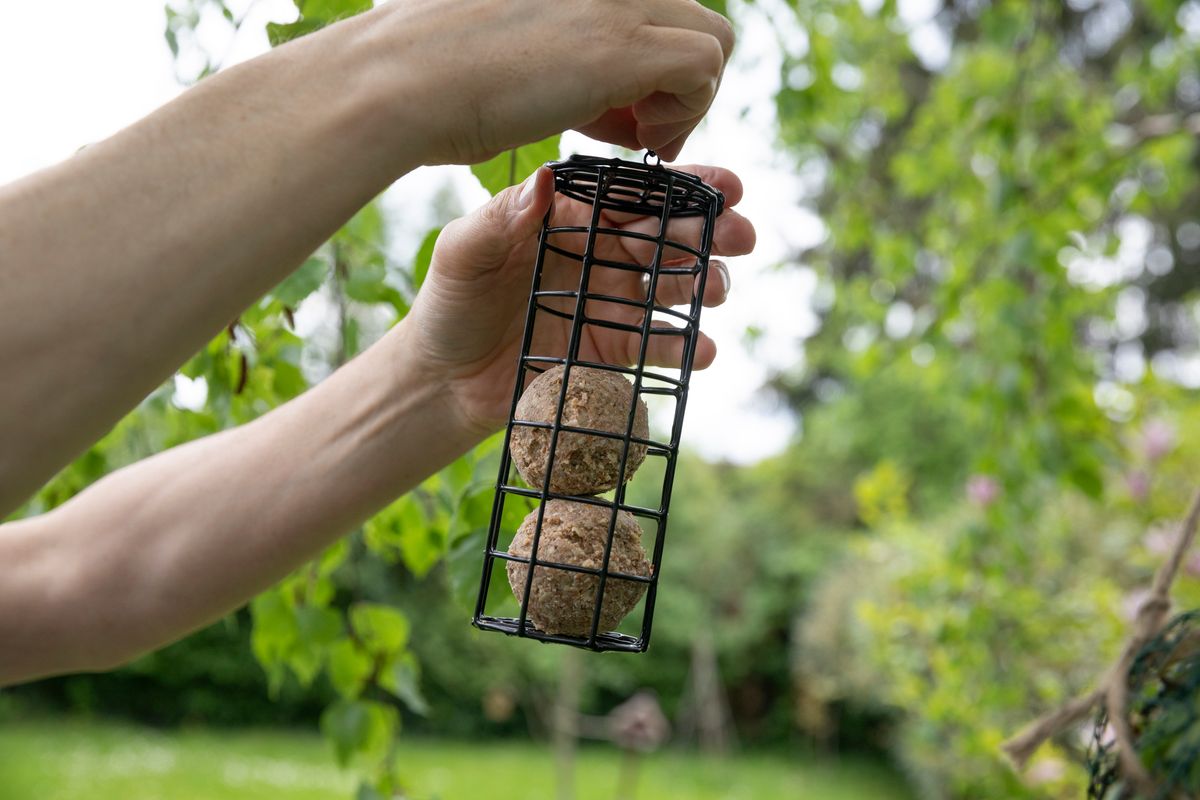
RSPB says ‘pause’ feeding garden birds seeds and peanuts until October 31 – offer small amounts of mealworms, fatballs or suet instead(Image: Getty)
It stated: “Don’t use bird feeders with flat surfaces, such as bird tables, window feeders and feeders with trays. Research has confirmed that there’s a higher risk of disease spreading on flat surfaces, where contaminated food can collect.”
The RSPB also recommends moving your bird feeders to a new location each week. This helps prevent any dirt from piling up underneath. If you have several feeders, spread them out in different spots to keep the number of birds in one area lower and to avoid mixing different types of birds.
Detailing how trichomonosis spreads between birds, the RSPB explains: “The research shows that transmission is most likely through birds sharing contaminated food. In a recent study of shared feeding sites in gardens, no trichomonosis was found on feeder surfaces (0 out of 79 feeders tested). This suggests that the equipment itself isn’t the main risk.
“However, trichomonosis was detected on food in feeders, base trays, and on the ground below. Sick birds often regurgitate food that they cannot swallow, and this food is likely to be contaminated with the parasite.”
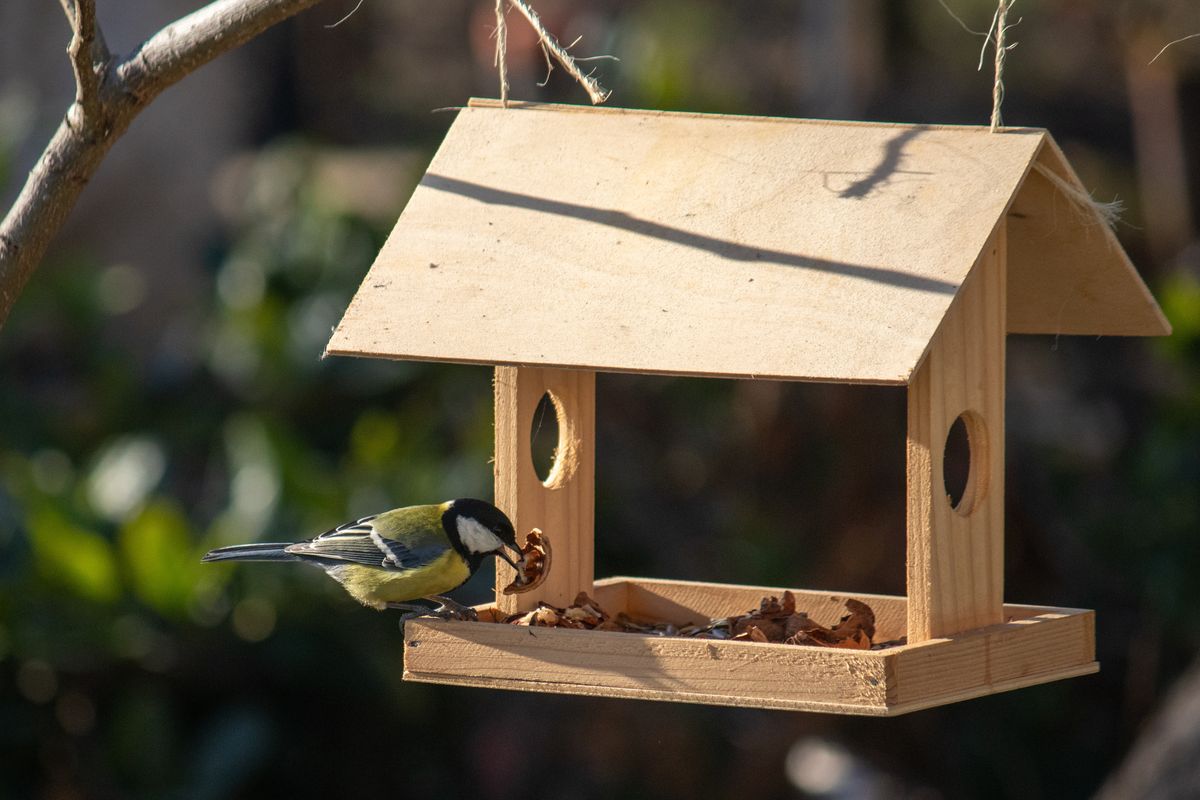
Flat feeders pose the greatest risk of disease transmission(Image: Getty)
The charity is calling on people to stop feeding garden birds certain foods between May 1 and October 31. A statement on its website says: “Our Conservation Scientists have worked with other expert partners to find a solution.
“We now recommend that you pause feeding garden birds seeds and peanuts between 1 May and 31 October. You can continue to offer small amounts of mealworms, fatballs or suet. During spring and summer, dried mealworms can be soaked in water to make them easier for nestlings to eat.”
The charity explains that finch species have a preference for seeds, but when these aren’t available, they’ll turn to peanuts instead. Since finches seldom consume fatballs, suet, and mealworms, the RSPB states these foods pose a low risk for spreading trichomonosis.
It continues: “To further reduce the risk of disease, we also recommend that you: feed only small amounts; don’t use bird feeders with flat surfaces; keep your feeders clean; and only put out water if you can change it every day.”
Would it be safer to simply stop feeding birds altogether?
The RSPB explained: “The evidence review found that it’s often beneficial to feed birds during winter, especially during cold weather when natural food can be in short supply. Birds can also benefit from feeding between March and April. This is sometimes called the ‘hungry gap’ as there are often fewer natural foods available for seed-eating birds such as finches at this time of year.
“Furthermore, although trichomonosis occurs all year round, the parasite is killed by cold weather, and the likelihood of disease outbreaks is lower during winter. We have carefully balanced the benefits of feeding against the risks of disease, and we believe that we can continue to feed our garden birds, as long as we feed the right types of food at the right time of year. By following our guidance to feed seasonally and feed safely, we can all help protect the future of our birds.”
Comments are closed.