
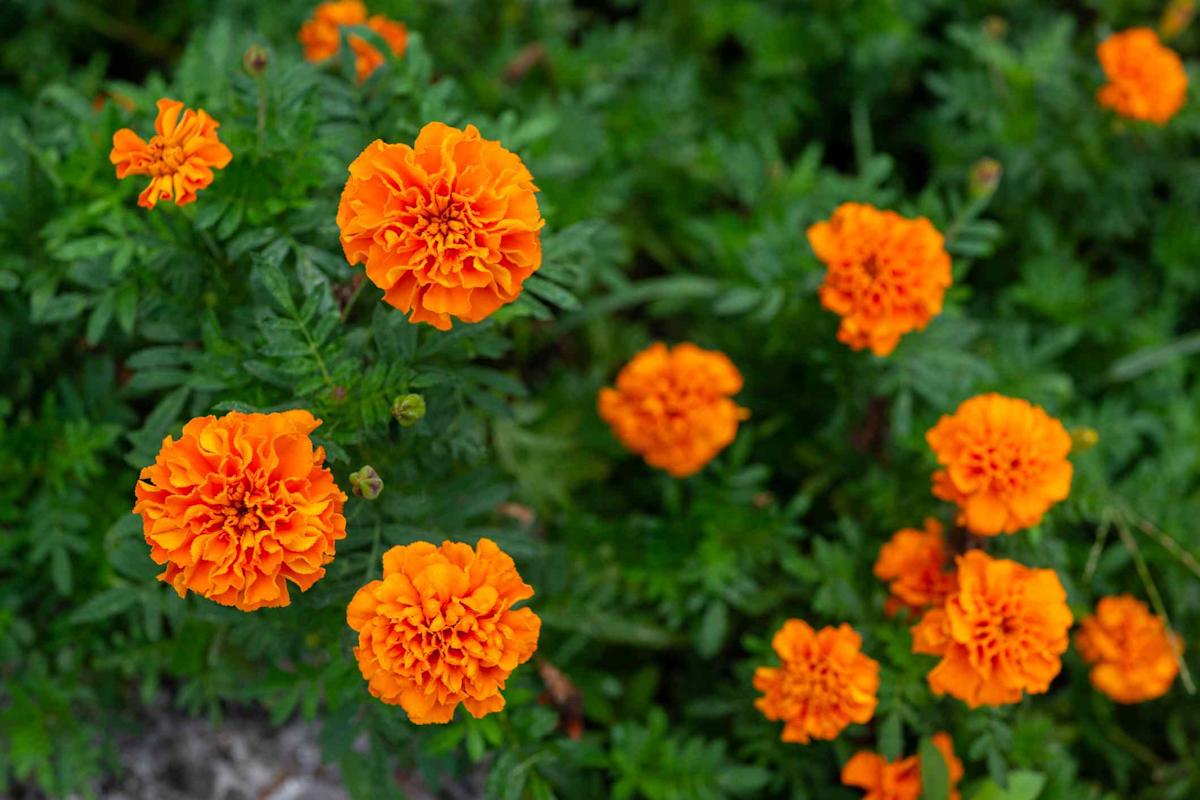
Marigolds are the ultimate meeting of pretty and practical. These vibrant flowers give off a pungent odor that is known to repel everyone from aphids to deer. It’s not necessarily so bad that the smell is a deal breaker for most gardeners and, instead, many green thumbs will add these colorful blooms to vegetable, herb, and flower gardens to keep away pests of all sizes.
Intentionally planting marigolds with various veggies, blooms, and herbs is known as companion planting, and, in many cases, there are mutual benefits to putting these plants together. As you plan your seasonal garden, here are the best companion plants for marigolds.
Meet the Experts
Dominique Kline is the Farm Director at The Hope Farm in Fairhope, AL.
Celina DeBrito is the head gardener at Pippin Hill Farm & Vineyards in North Garden, VA.
01 of 12
Credit: Getty Images / Yuliia Kokosha
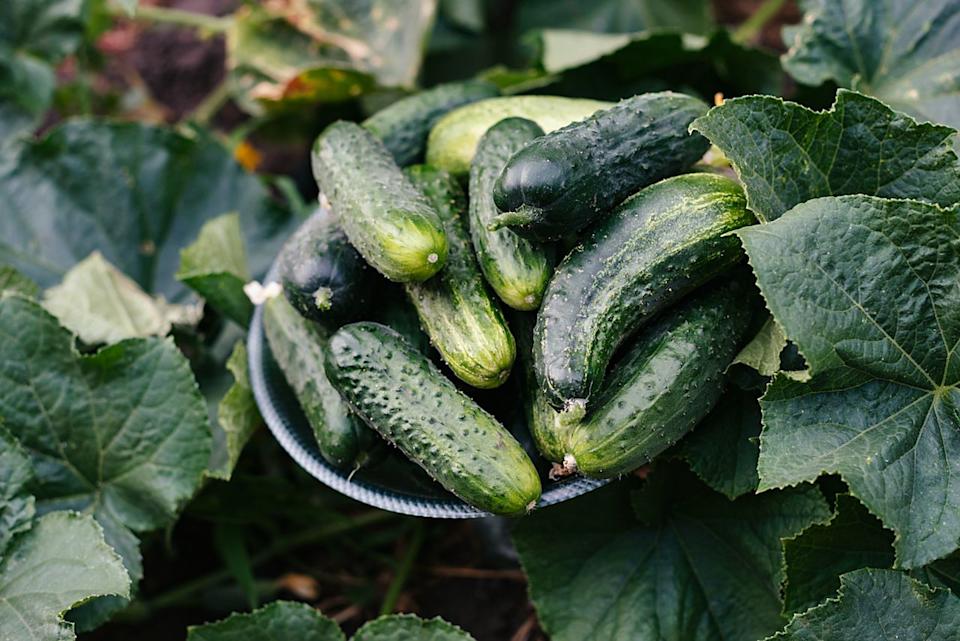
Botanical Name: Cucumis sativus
Soil Type: Well-drained, fertile, sandy, loamy
Soil pH: Slightly acidic to neutral
The bright blooms of both marigolds and cucumbers work together to create the ideal conditions for pollinators. “Cucumbers are a classic, reliable companion combination with marigolds, helping to draw in pollinators,” says Dominique Kline, farm director at The Hope Farm.
Marigolds also help to repel some of the pests that will destroy cucumber plants, including squash bugs and thrips.
02 of 12
Credit: Getty Images / Milen Mladenov / 500px
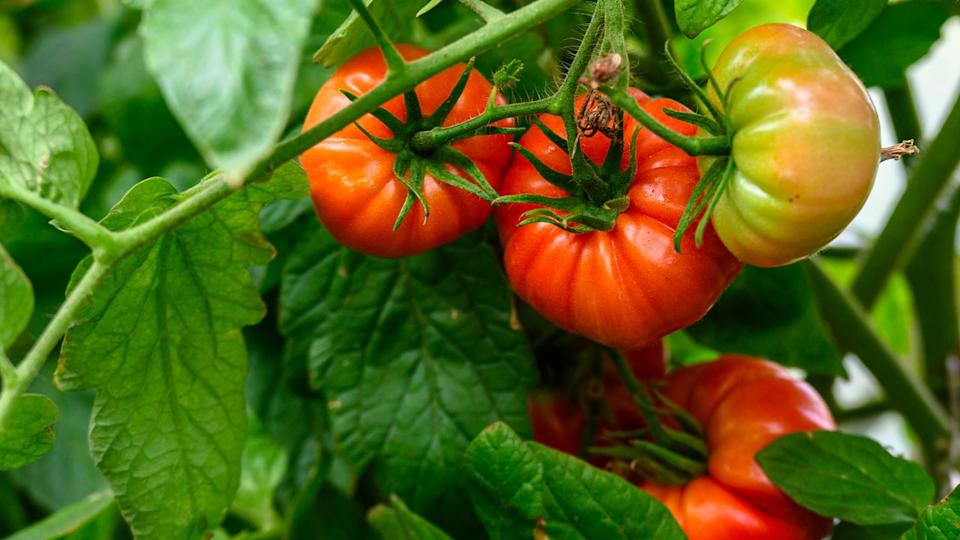
Botanical Name: Solanum lycopersicum
Soil Type: Loamy, well-drained
Soil pH: Neutral to acidic
“Marigolds confuse the senses of pests with their strong volatiles,” says Kline. The musky fragrance of marigolds will keep nematodes far away, eliminating one of the biggest threats to tomatoes. Plus, pollinators love getting a two-for-one with the blooms of marigolds and tomatoes side-by-side.
03 of 12
Lettuce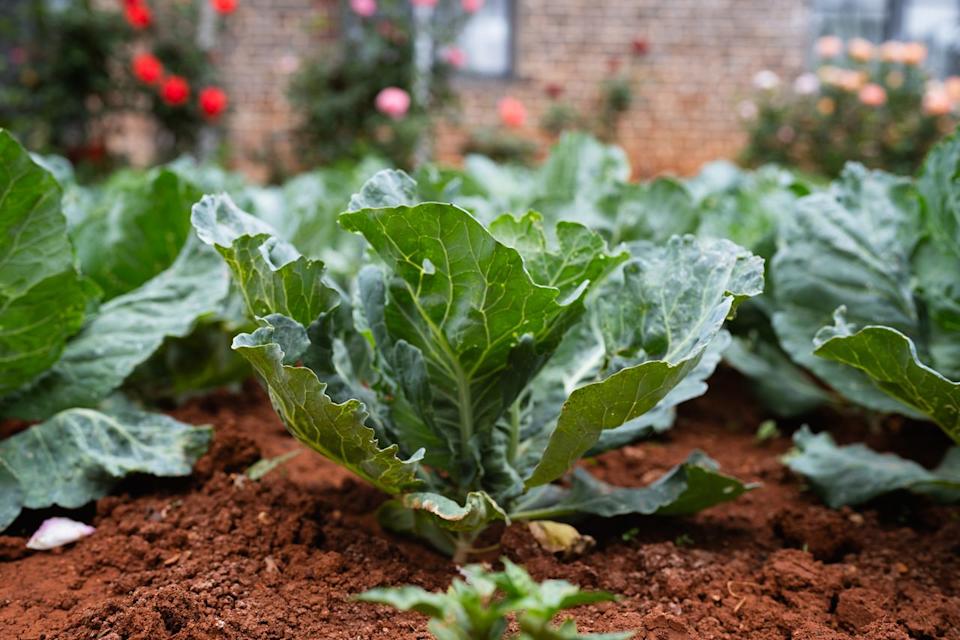
Credit: Getty Images / LAW Ho Ming
Botanical Name: Lactuca sativa
Sun Exposure: Full sun to partial shade
Soil Type: Well-drained, loamy, rich
Soil pH: Acidic to neutral
Gardeners often use marigolds as an accent plant in vegetable gardens, letting them do their work repelling insects while also adding color. Celina DeBrito, head gardener at Pippin Hill Farm & Vineyards, explains, “I like tucking marigolds into the corners of lettuce beds or planting them in a row along the front edge. The bright blooms create a beautiful contrast against the mixed greens and reds of the lettuce leaves.”
She adds that because marigold petals are edible, this also adds a nice opportunity to plant both the salad leaves and a bright garnish together.
04 of 12
Okra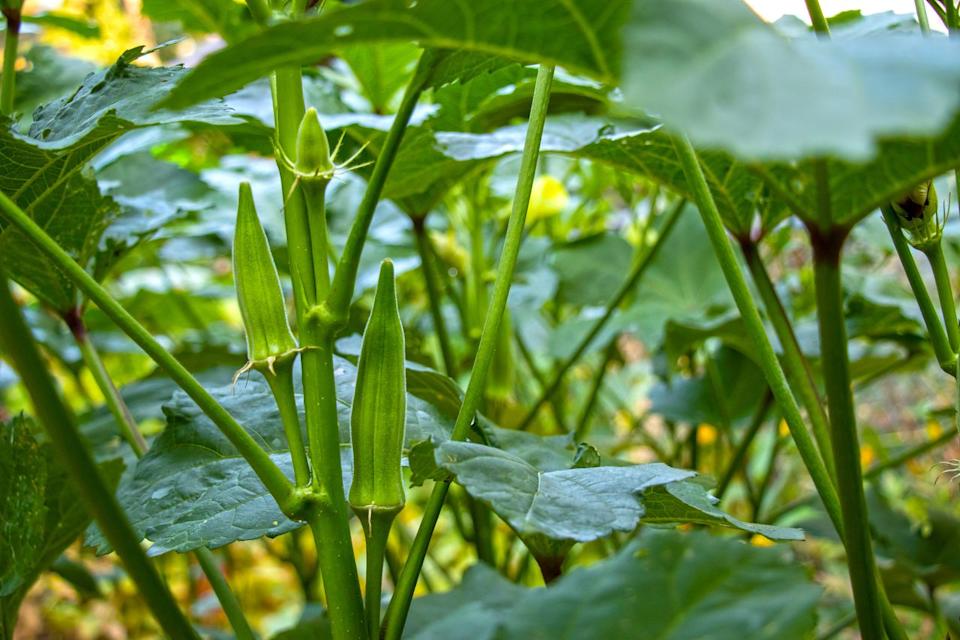
Credit: Getty Images / JENNIFER E. WOLF
Botanical Name: Abelmoschus esculentus
Soil Type: Well-draining, rich
Soil pH: Slightly acidic
Nematodes detest the smell of marigolds, and that makes them an excellent companion plant for anything that falls victim to these tiny worms. Kline explains, “I love to plant marigolds around the perimeter of okra or anything that is especially susceptible to root knot nematodes.”
However, she adds that the perimeter should allow for some space between the two plants, since marigolds are known for drawing in spider mites.
Related: 10 Okra Companion Plants That Will Improve Your Crop
05 of 12
Salvia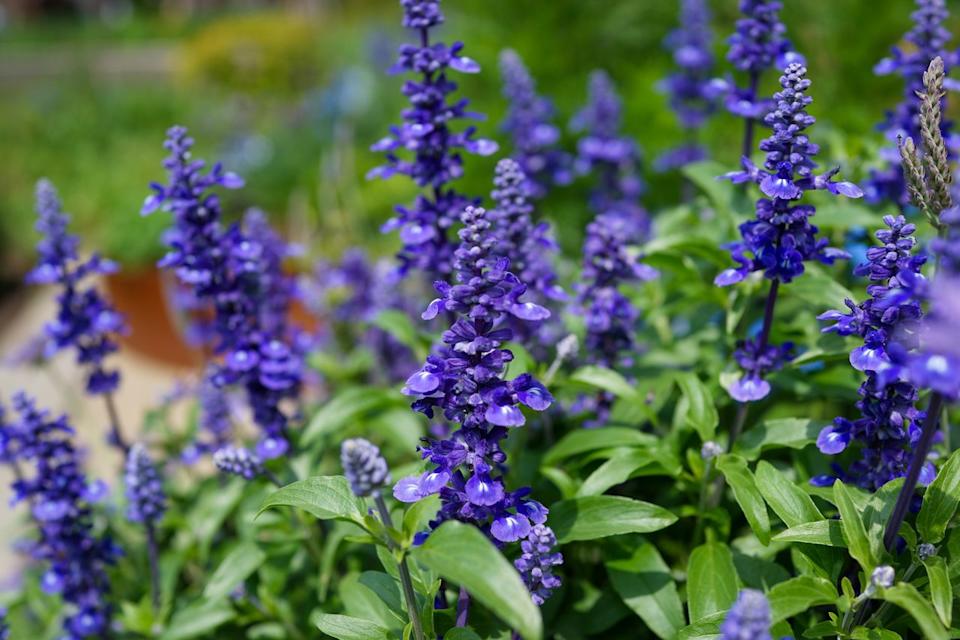
Credit: Getty Images / wulingyun
Botanical Name: Salvia spp. and hybrids
Sun Exposure: Full sun to partial shade
Soil Type: Average, dry to medium, well-draining
Soil pH: Adaptable (6.0-8.0)
Bees and butterflies love both salvia and marigolds, so planting them together creates the most lovely pollinator garden. You’ll get warm hues from the marigolds, cool tones from the salvia, and the contrast in height and silhouette creates the most stunning visual.
06 of 12
Potatoes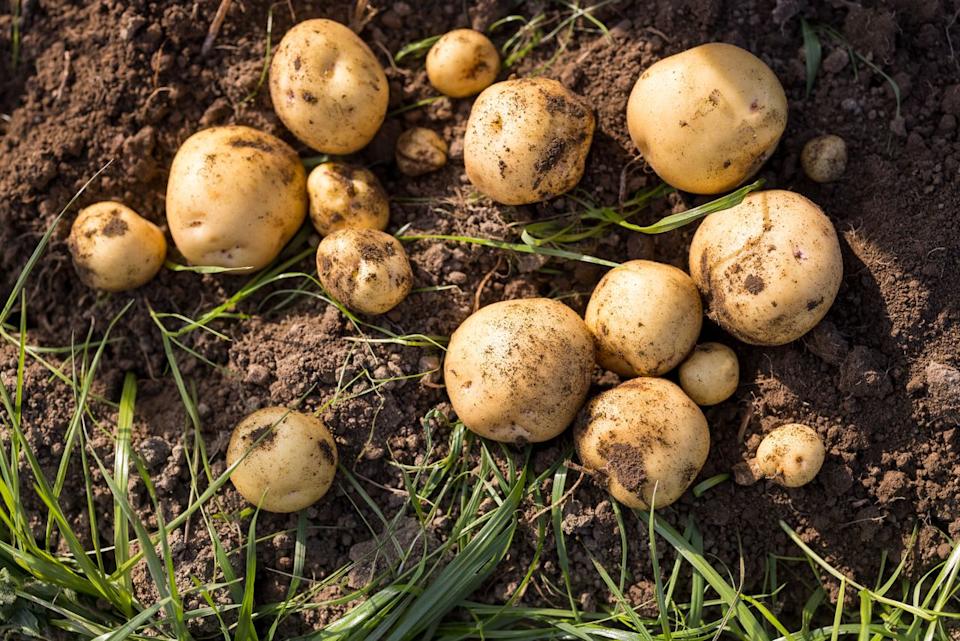
Credit: Getty Images / Susumu Yoshioka
Botanical Name: Solanum tuberosum
Soil Type: Sandy, well-draining, fertile
Soil pH: Acidic to neutral
While potatoes grow underground, their leaves are often a prime target of beetles and rabbits. Luckily, planting marigolds nearby will release a scent that keeps these pests away. And, below the surface, nematodes will steer clear when marigolds are planted as a companion to potatoes.
07 of 12
Zinnias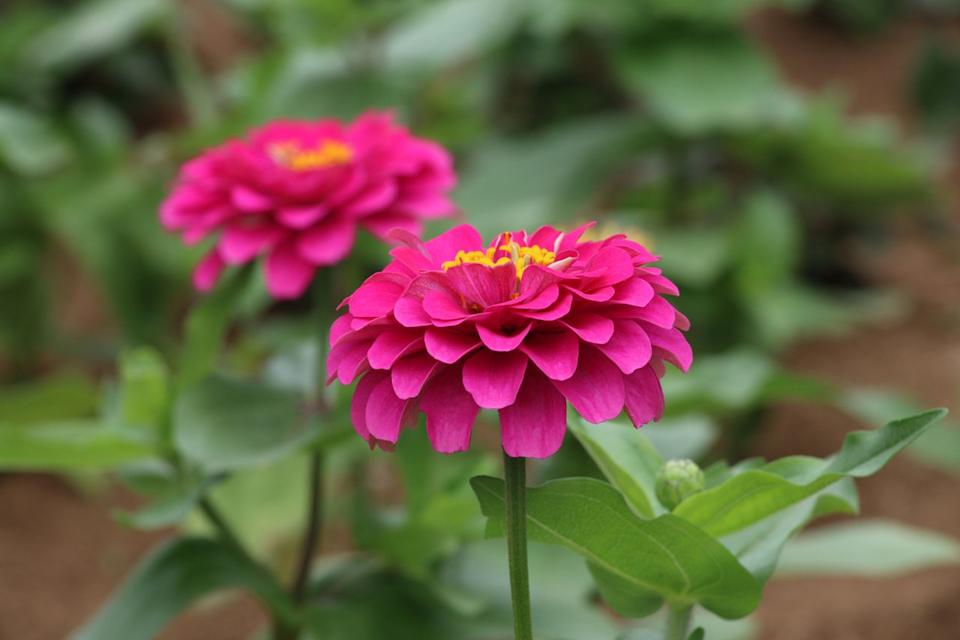
Credit: Getty Images / Gopikrishna Shrestha / 500px
Botanical Name: Zinnia elegans
Soil Type: Well-draining
You’ll have the most colorful cut flower garden when you plant vibrant zinnias and marigold together. These sun-loving, drought-tolerant blooms grow well in the same environment, and their vivid hues complement each other perfectly.
Do marigolds attract insects?
Marigolds repel many of the biggest garden offenders, like aphids and nematodes, but they also repel beneficial insects. Ladybugs are drawn to marigolds because of their flowers, and, while nearby, they’ll help feast on any aphids or whiteflies that weren’t already deterred by the smell of marigolds.
08 of 12
Geraniums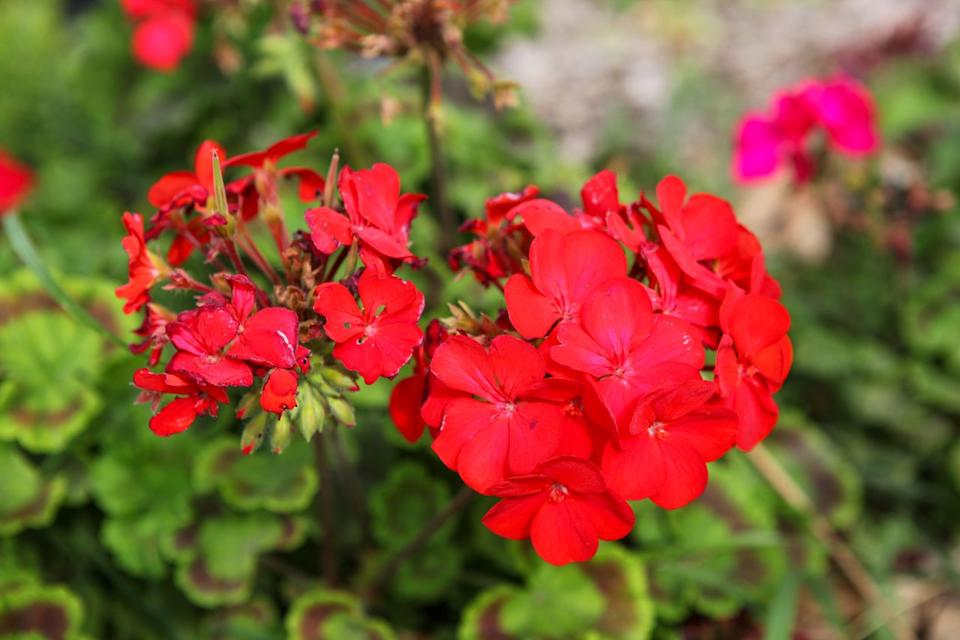
Credit: Getty Images / Nenov
Botanical Name: Geranium
Soil type: Well-draining
Soil pH: Neutral, alkaline
Geraniums are another sun-loving flower that struggles with pests, namely slugs. But the scent of marigolds will keep those pesky slugs far away, while also adding another bright, colorful companion too the garden.
09 of 12
Basil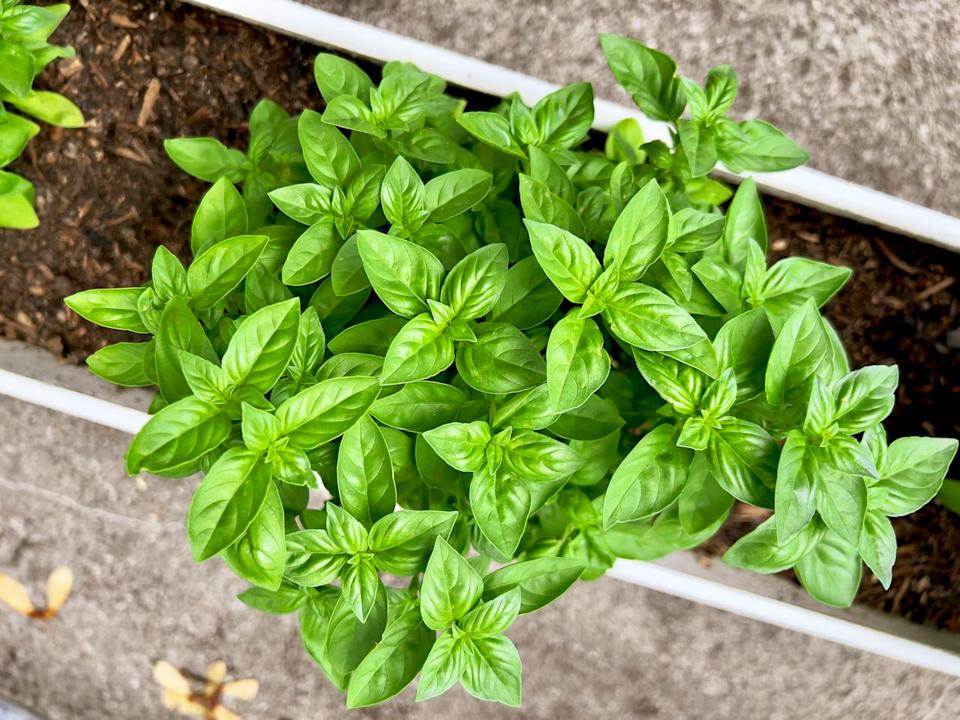
Credit: Getty Images / Feifei Cui-Paoluzzo
Botanical Name: Ocimum basilicum
Sun Exposure: Full sun to partial shade
Soil pH: Acidic to alkaline
Basil and marigold are in competition for some of the strongest smelling plants in the garden (though basil’s reputation is much more pleasant!). But, to insects, they’d rather not smell either. Slugs, aphids, and nematodes will all creep in the other direction when they get a whiff of these two.
10 of 12
Carrots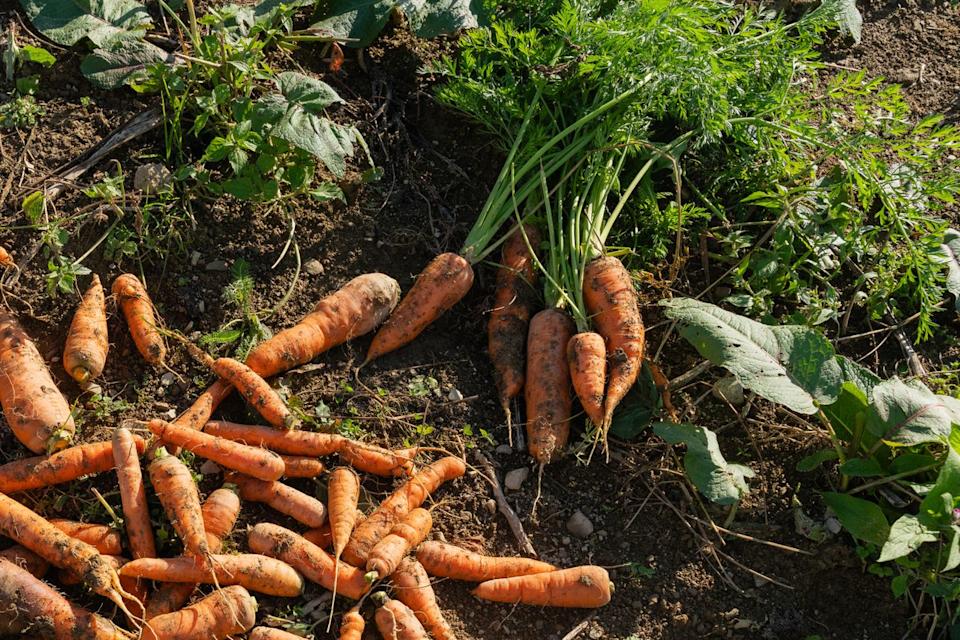
Credit: Getty Images / Oksana Shufrych
Botanical Name: Daucus carota
Soil Type: Well-drained, rich, sandy, loamy
Soil pH: Slightly acidic
Carrots are a favorite companion plant thanks to their roots aerating the soil, and marigolds help out the carrots by repelling any nematodes or carrot rust flies that might threaten your carrot crop.
11 of 12
Zucchini Squash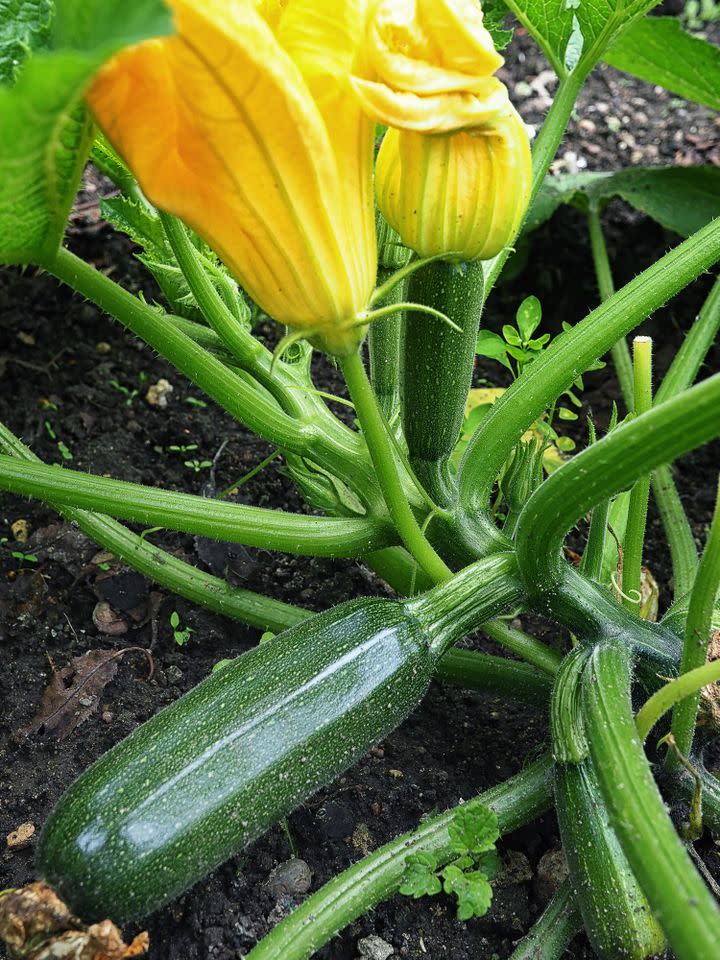
Credit: Getty Images / © Jackie Bale
Botanical Name: Cucurbita pepo
Soil Type: Loamy, well-drained
Soil pH: Slightly acidic to neutral
The bright yellow flowers of zucchini squash and the colorful blooms of marigolds are the perfect combination to draw in pollinators. Plus, marigolds will repel some of zucchini’s biggest enemies, including squash bugs and nematodes.
12 of 12
Eggplant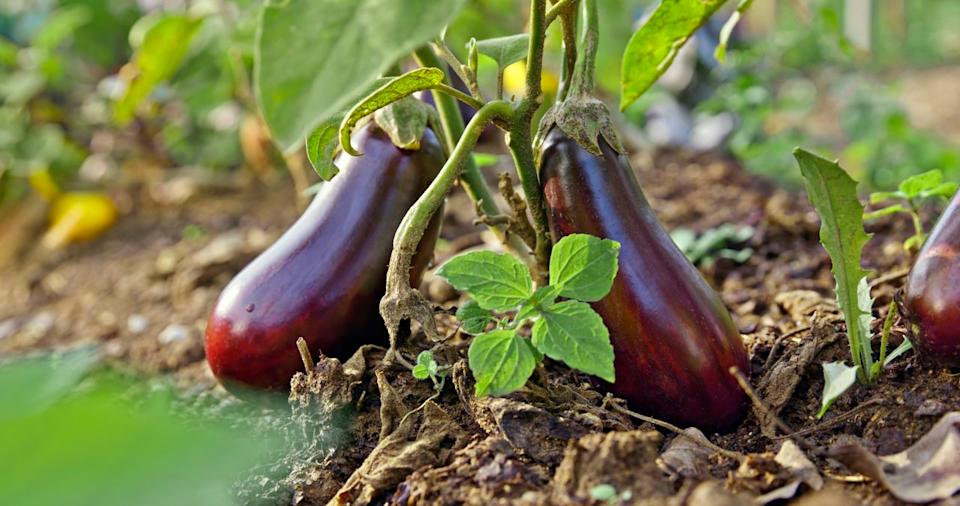
Credit: Getty Images / simonkr
Botanical Name: Solanum melongena
Soil Type: Well-drained, rich
Soil pH: Slightly acidic to neutral
Nematodes are enemy number one for eggplants in the garden, but they’ll stay away as soon as they smell marigolds nearby.
Plants To Avoid Near Marigolds
While marigolds are generally agreeable in the garden, there are a few plants to avoid placing too close to these cheerful blooms. Marigolds will still offer benefits to these plants when it comes to deterring insects, but the downside is that marigolds release a chemical called thiophene, which can stunt growth and reduce harvest.
The plants most susceptible to this chemical include brassicas, like cabbage or broccoli, as well as pole beans.
Read the original article on Southern Living
Comments are closed.