
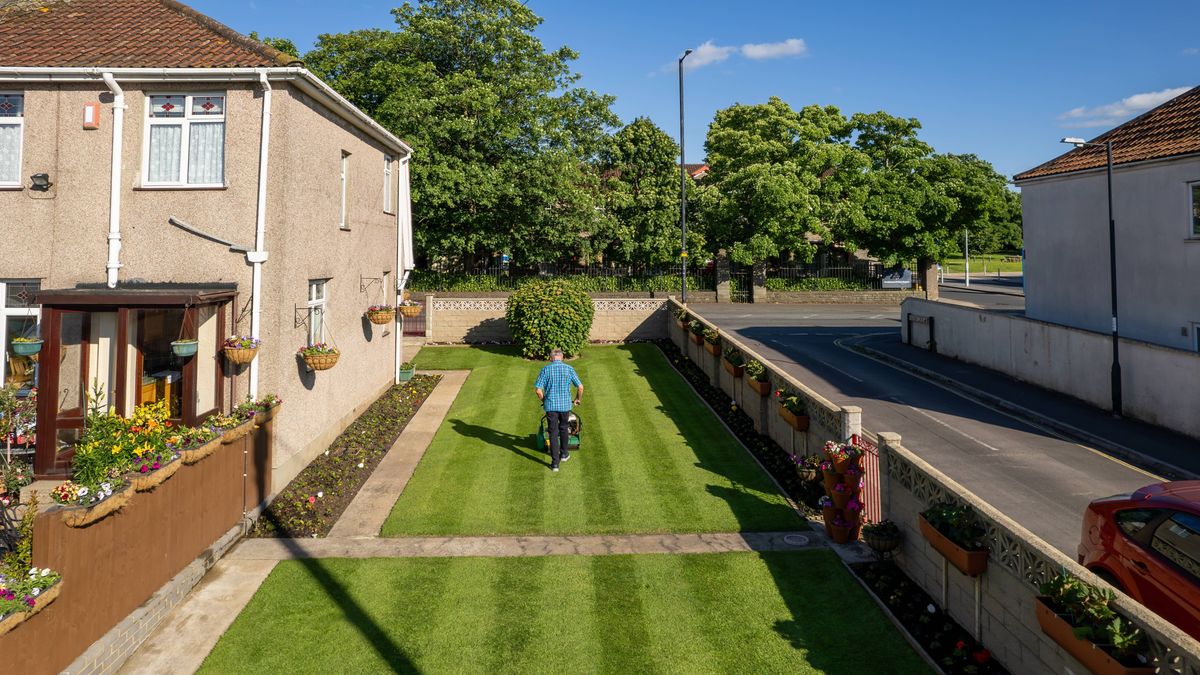
Gardening expert Alan Titchmarsh has shared his simple mowing methods to help gardeners achieve a greener and thicker lawn this May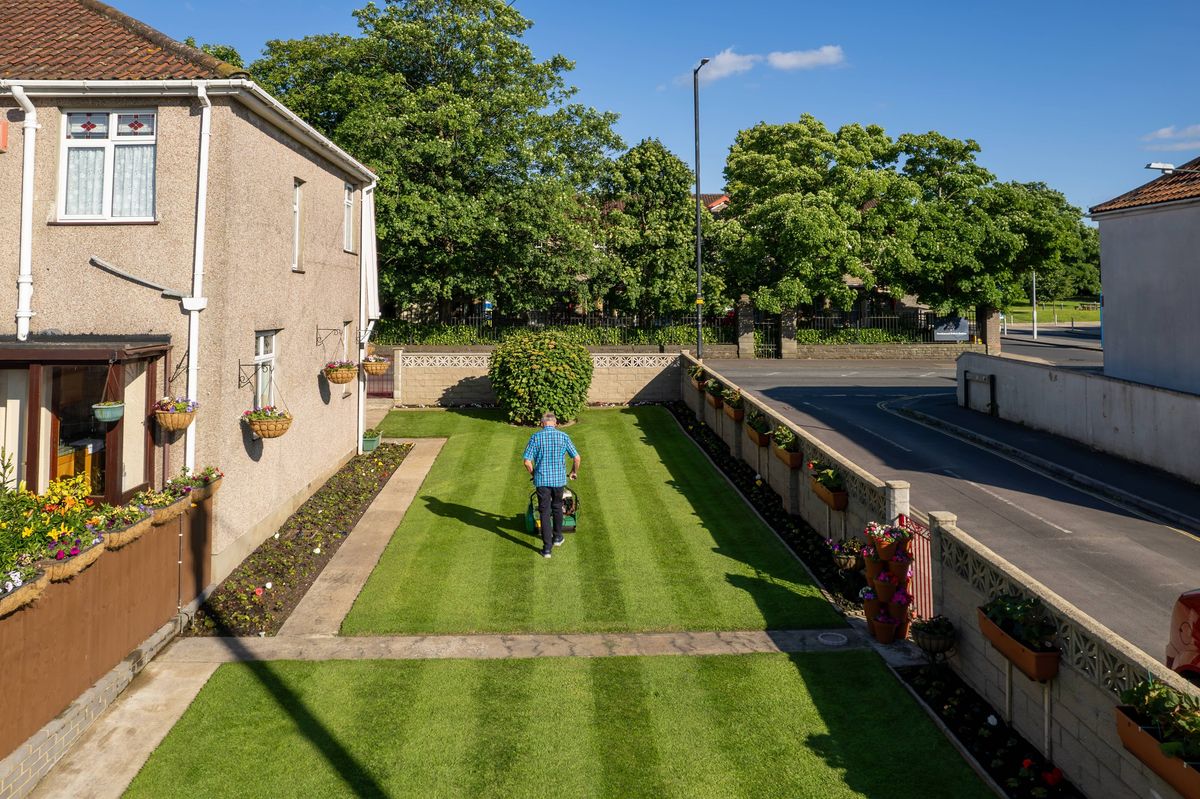
In May, many gardeners advocate for ‘no-mow May’ to help support bees, butterflies and other pollinators(Image: Chris Griffiths via Getty Images)
Gardening specialist, broadcaster and author Alan Titchmarsh, 77, is most recognised for fronting numerous gardening programmes throughout his career. Yet, in recent times, he’s turned to YouTube to distribute his horticultural wisdom. On his channel, Gardening with Alan Titchmarsh, the expert offers guidance on managing typical gardening tasks across the seasons.
Over recent weeks, Alan has been starting from scratch in a new garden and revealing his vision for the area. In his most recent video, the gardening authority outlined his advice for achieving an immaculate lawn.
Lawns are the focal point of most gardens and look their finest when they’re vibrant green and perfectly manicured.
Nevertheless, after months of chilly, damp conditions, lawns can begin to look somewhat neglected and tired, leading to bare patches and moss growth.
In his video, Alan demonstrated how to mow lawns correctly, scarify turf and adjust your mower’s blade height. Towards the end of the video, the gardening authority offered several straightforward recommendations to help gardeners achieve a “greener” lawn.
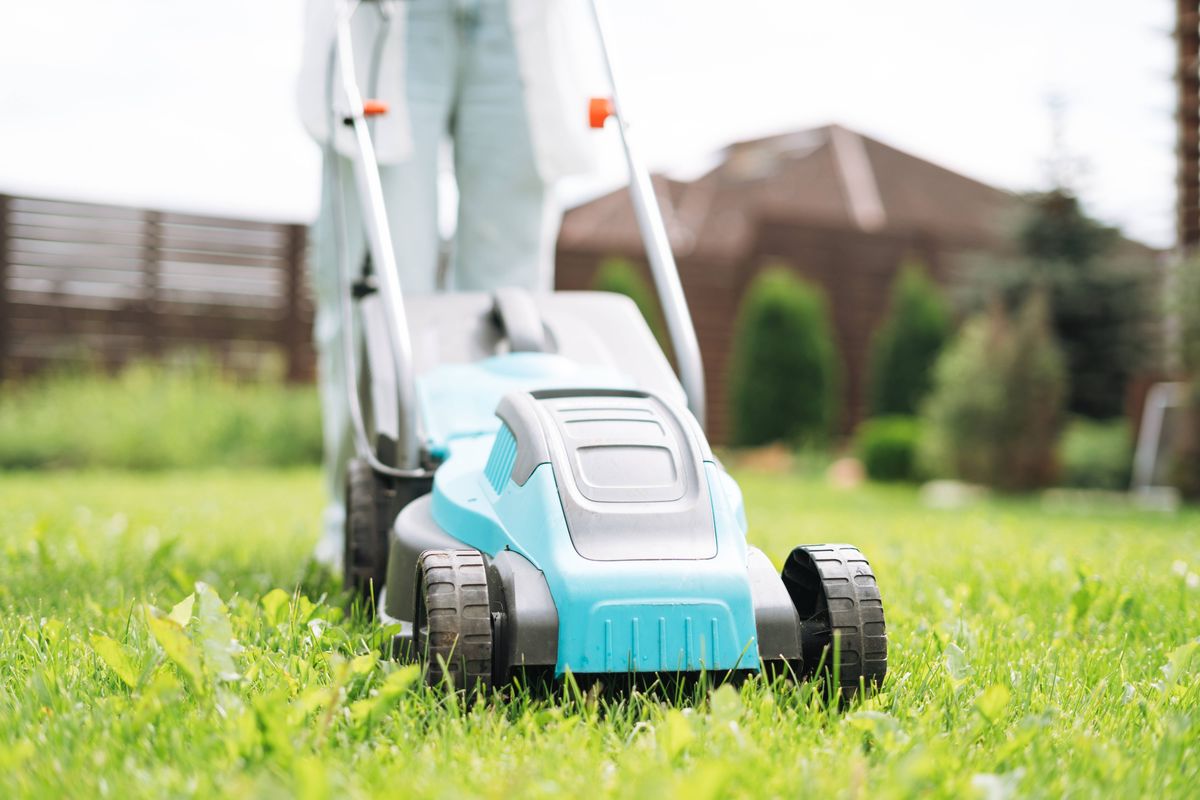
When it comes to how often to mow your lawn, Alan suggested mowing it at least once a fortnight(Image: Galina Zhigalova via Getty Images)
Among Alan’s initial suggestions was not to mow too close. He advises setting your mower’s blade height to an inch during summer, and to an inch and a half in really hot weather.
He added, “The longer the grass blades, the greener the lawn will stay. Once it gets really hot and dry and rain isn’t forthcoming, the lawn will start to go brown. Never water your lawn. It will recover very quickly in a shower of rain.”
On the subject of how frequently you should mow your lawn, Alan advises cutting it at least once every two weeks, but for a “really good thick lawn”, he suggests doing it weekly, reports the Express.
However, this should only be carried out during mild weather with plenty of sunshine and rain to keep the grass thriving. When conditions turn hot and dry, mowing should be reduced to once a fortnight, leaving the grass a little longer.
Come May, many gardeners champion the ‘no-mow May’ movement to support bees, butterflies and other pollinators. Alan, however, recommends leaving an area completely unmown for a couple of months instead.
“[It’s] far better to mow constantly through the year, but to leave longer areas that are unmown. And if you’re not mowing them, leave them unmown for at least two months before you cut them off and then let them grow up again.
“‘No-mow May’, lovely phrase, not very practical, especially if you’re Mrs Blackbird trying to feed her young and pull worms up from a mowed lawn.
“So don’t imagine that a mowed lawn is unfriendly for wildlife, as far as the birds are concerned. And provided you only use organic fertiliser in spring, like blood bone and fish meal, no lawn weed killers, no inorganic fertilisers, you end up with a green sward which is pleasing to the eye.”
Comments are closed.