
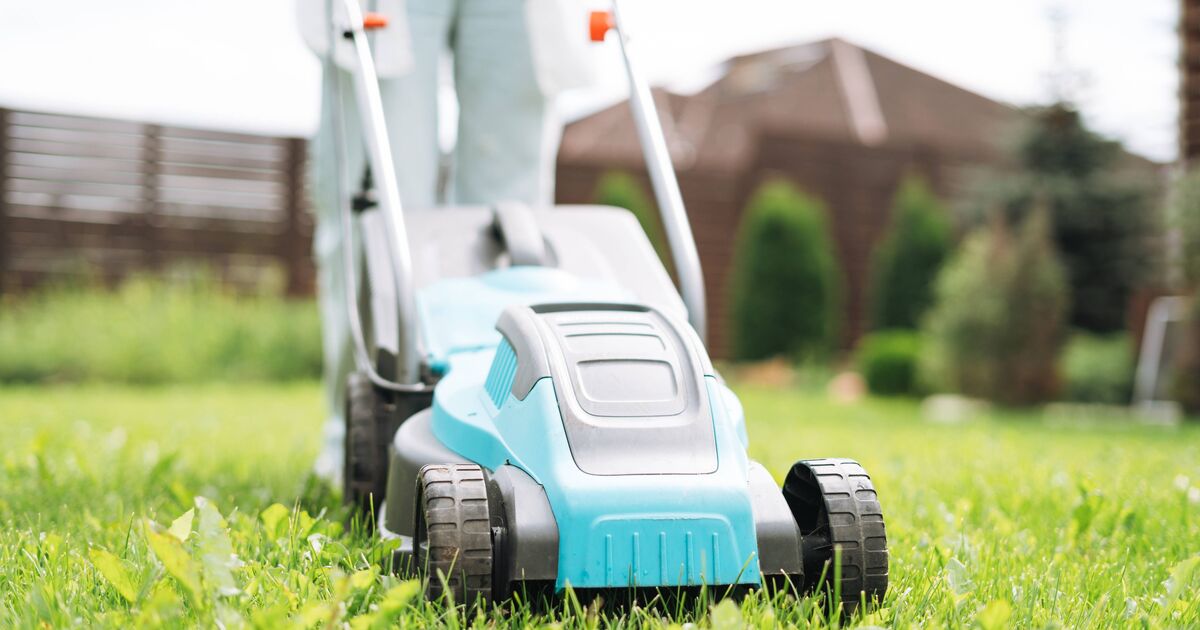
When it comes to how often to mow your lawn, Alan suggested mowing it at least once a fortnight (Image: Galina Zhigalova via Getty Images)
Gardening expert, broadcaster and author, Alan Titchmarsh, 77, is best known for presenting various garden shows over the years. However, more recently, he’s taken to YouTube to share his gardening tips. On his channel, Gardening with Alan Titchmarsh, the horticulturist shares tips on how to tackle common gardening jobs throughout the year.
Over the last few weeks, Alan has been starting afresh in a new garden and has been sharing his future plans for the space. In his latest video, the gardening pro shared his tips for a perfect lawn. Lawns are the centre point of most gardens and look their best when they’re bright green and trimmed to perfection. However, after months of cold, wet weather, lawns can start to look a bit unkempt and sad, leading to patchiness and moss.
Read more: Green algae will brush clean from patios in 5 minutes with 2 ingredients
Read more: Professional gardener shares thing you should never do to tulips in May
In his video, Alan shared how to mow lawns properly, scarify lawns and set your mower’s blade height. At the end of the video, the gardening expert shared a few simple tips to help gardeners achieve a “greener” lawn.
One of Alan’s first tips was not to mow too close. He recommends setting your mower’s blade height to an inch in summer, and to an inch and a half in really hot weather.
He added, “The longer the grass blades, the greener the lawn will stay. Once it gets really hot and dry and rain isn’t forthcoming, the lawn will start to go brown. Never water your lawn. It will recover very quickly in a shower of rain.”
When it comes to how often to mow your lawn, Alan suggested mowing it at least once a fortnight, but if you want a “really good thick lawn”, he recommends mowing it once a week.
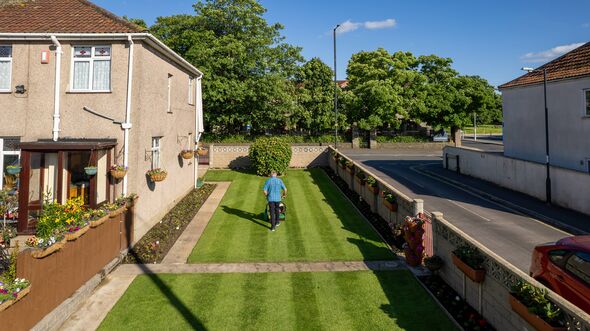
In May, many gardeners advocate for ‘no-mow May’ to help support bees, butterflies and other pollinators (Image: Chris Griffiths via Getty Images)
However, this should only be done when the weather is mild, there’s plenty of sunshine and showers to keep the grass growing. When the weather gets hot and dry, it should only be cut once a fortnight and more grass should be left.
In May, many gardeners advocate for ‘no-mow May’ to help support bees, butterflies and other pollinators. However, Alan recommends gardeners leave an area completely unmown for a couple of months, instead.
“[It’s] far better to mow constantly through the year, but to leave longer areas that are unmown. And if you’re not mowing them, leave them unmown for at least two months before you cut them off and then let them grow up again.
“‘No-mow May’, lovely phrase, not very practical, especially if you’re Mrs Blackbird trying to feed her young and pull worms up from a mowed lawn.
“So don’t imagine that a mowed lawn is unfriendly for wildlife, as far as the birds are concerned. And provided you only use organic fertiliser in spring, like blood bone and fish meal, no lawn weed killers, no inorganic fertilisers, you end up with a green sward which is pleasing to the eye.”
Comments are closed.