
Alan Titchmarsh shares his May lawn mowing advice and thick lawn guide, including how often to mow for perfect summer grass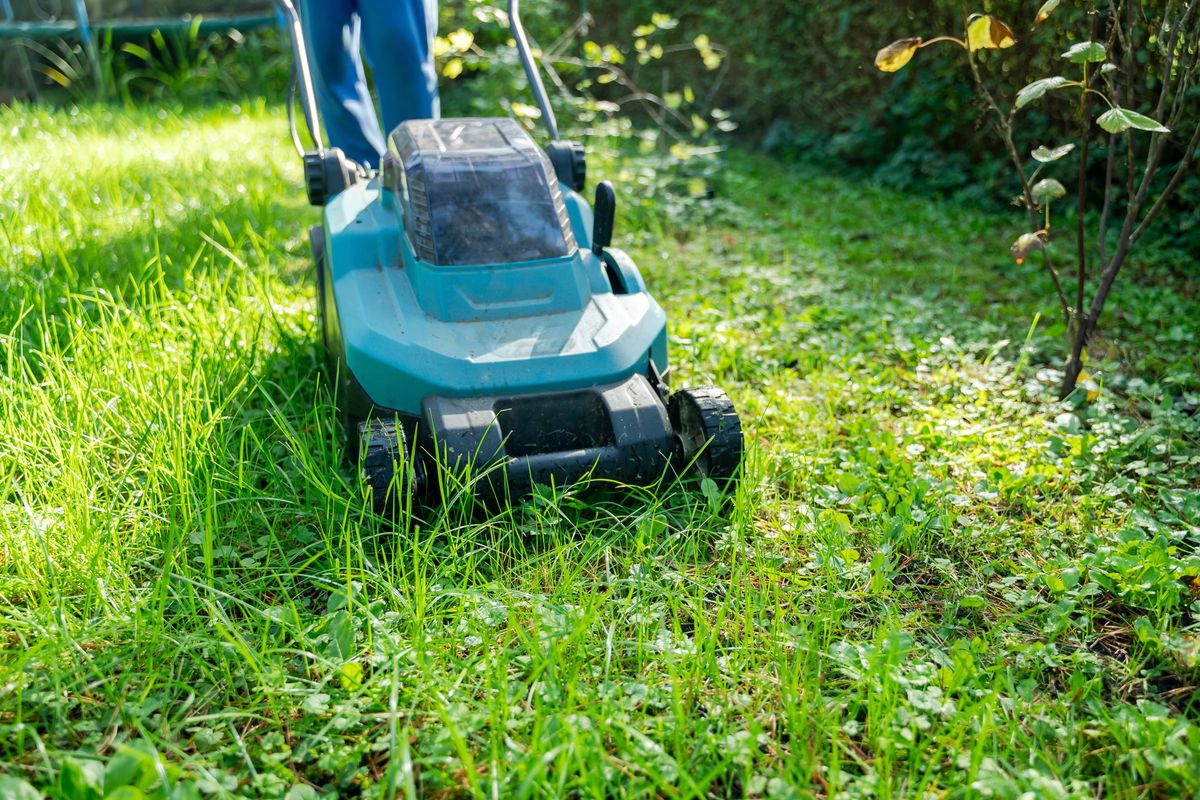
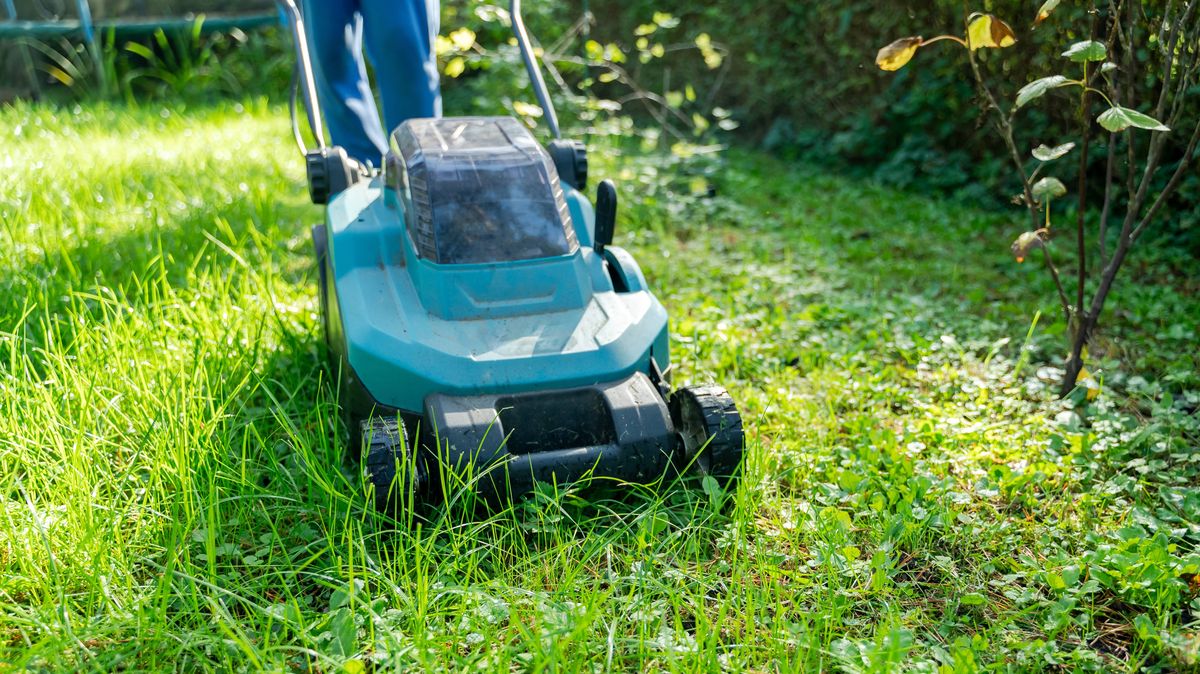
Lawns serve as the centrepiece of most gardens and look their finest when they are a lush, vivid green (Image: karetoria via Getty Images)
Celebrated gardening expert, broadcaster and author Alan Titchmarsh, 77, is perhaps best known for fronting a string of popular garden programmes over the years. More recently, however, he has turned to YouTube to pass on his wealth of gardening knowledge. On his channel, Gardening with Alan Titchmarsh, the seasoned horticulturist offers advice on tackling everyday gardening tasks throughout the seasons.
Over recent weeks, Alan has been starting from scratch in a brand new garden, sharing his vision and future plans for the space with his followers. In his latest video, the gardening veteran set out his top tips for achieving the perfect lawn.
Lawns serve as the centrepiece of most gardens and look their finest when they are a lush, vivid green and neatly trimmed.
Yet after months of cold, wet weather, they can begin to appear rather tired and neglected, with patchy areas and moss taking hold.
In the video, Alan walked viewers through how to mow correctly, scarify their lawns and set the blade height on their mower. Towards the end, he shared a handful of straightforward pointers to help gardeners cultivate a “greener” lawn.

In May, many gardeners advocate for ‘no-mow May’ to help support bees, butterflies and other pollinators(Image: Chris Griffiths via Getty Images)
One of his first pieces of advice was to avoid cutting the grass too short. He recommends setting the mower blade to an inch during summer, rising to an inch and a half during periods of intense heat.
He added, “The longer the grass blades, the greener the lawn will stay. Once it gets really hot and dry and rain isn’t forthcoming, the lawn will start to go brown. Never water your lawn. It will recover very quickly in a shower of rain.”
On the question of how frequently to mow your lawn, Alan advised cutting it at least once a fortnight, but for those wanting a “really good thick lawn”, he suggests doing so once a week, reports the Express.
That said, this should only be carried out when conditions are mild, with sufficient sunshine and rainfall to keep the grass actively growing. During hot, dry spells, mowing should be scaled back to once a fortnight, with more grass left in place.
Come May, a growing number of gardeners champion the cause of ‘no-mow May’ to support bees, butterflies and other pollinators. Alan, however, recommends setting aside a dedicated patch of lawn to remain completely uncut for a couple of months instead.
He said: “[It’s] far better to mow constantly through the year, but to leave longer areas that are unmown. And if you’re not mowing them, leave them unmown for at least two months before you cut them off and then let them grow up again.
“‘No-mow May’, lovely phrase, not very practical, especially if you’re Mrs Blackbird trying to feed her young and pull worms up from a mowed lawn.
“So don’t imagine that a mowed lawn is unfriendly for wildlife, as far as the birds are concerned. And provided you only use organic fertiliser in spring, like blood bone and fish meal, no lawn weed killers, no inorganic fertilisers, you end up with a green sward which is pleasing to the eye.”
Comments are closed.