
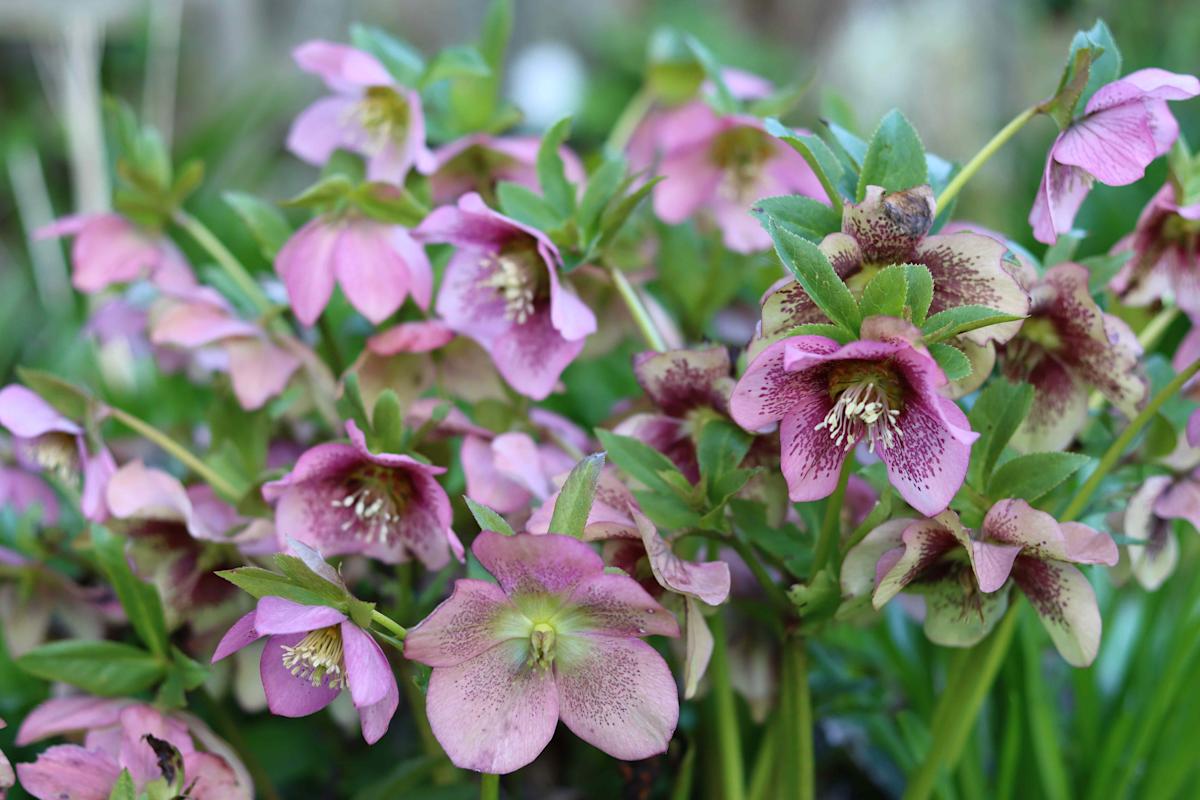
Growing from seed is generally a more affordable alternative to buying plants at a nursery. This route does require a bit of extra patience, but in the end, the results are well worth it.
Still, it’s best to know which plants are easy to grow from seed, and which may not be worth the effort. As luck would have it, there are a handful of beautiful ground covers that you can start from seed with ease, and that can even thrive in the shade. We spoke with a gardening expert about these beautiful plants and her recommendations for caring for them.
Meet Our Expert
Teri Speight, gardening coach, podcast host, and co-author of The Urban Garden
Related: The 8 Best Ground Covers to Plant Between Pavers to Enhance Pathways and Patios
01 of 06
Hosta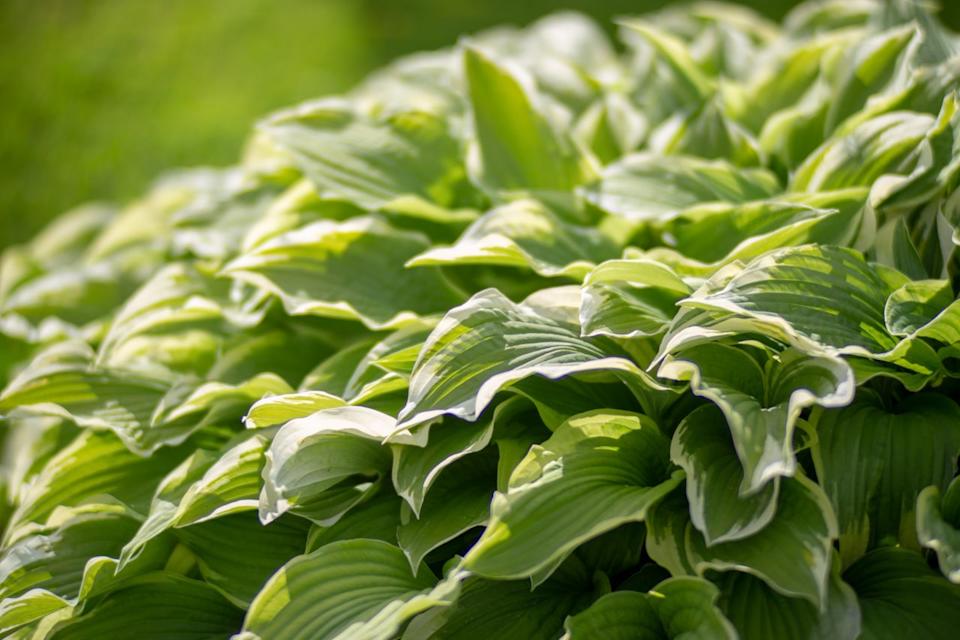
Credit: Getty Images
Hostas are a beloved ground cover for a reason. They add beautiful texture to your garden, they’re easy to grow, and you can even start them from seed.
Teri Speight, gardening coach, podcast host, and co-author of The Urban Garden, recommends sowing seeds in the fall. You can also sow them in trays or baggies during winter.
“They suppress weeds and are relatively drought-tolerant,” she adds. “When placed in full shade, they require little maintenance.”
Size: 4 to 30 inches tall x 6 to 36 inches wide
Care requirements: Partial shade; rich, well-drained soil
02 of 06
Hellebores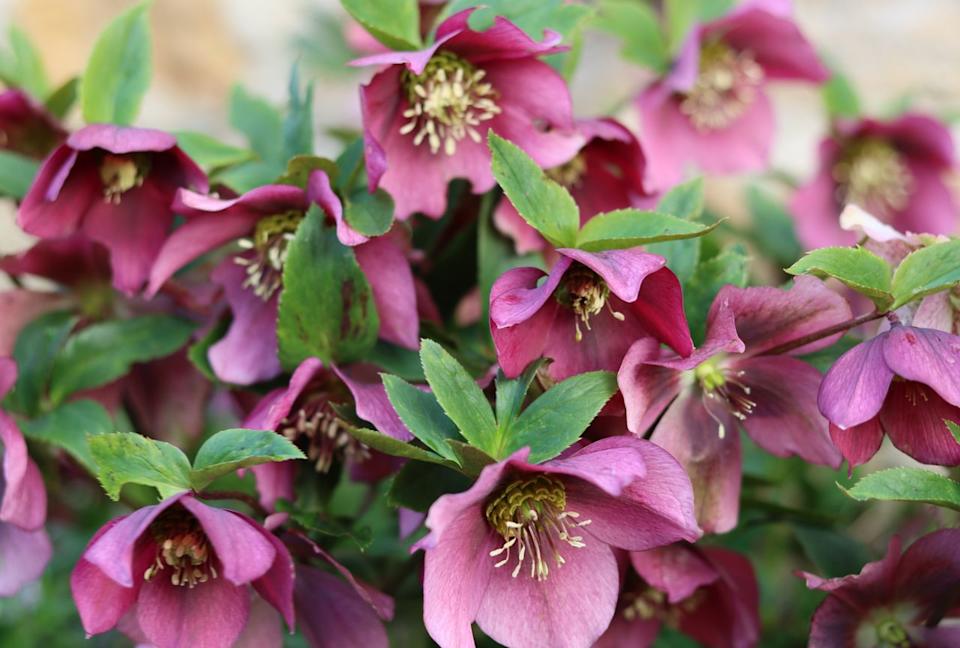
Credit: Getty Images
It’s best to plant hellebore seeds in early summer, in a shady area, notes Speight.
“It also self-sows quite well,” she says. “Allow the finished bloom to drop the seeds prior to removing the stalks.”
Hellebores produce beautiful flowers and are very easy to care for—they’re drought-tolerant once established. Simply remove discolored leaves from the prior season, and your plants will continue to thrive year after year.
Size: 12 inches tall x 18 to 24 inches wide
Care requirements: Partial to full shade; rich soil
Related: How to Grow Hellebores for Beautiful Blooms That Last All Winter
03 of 06
Kenilworth Ivy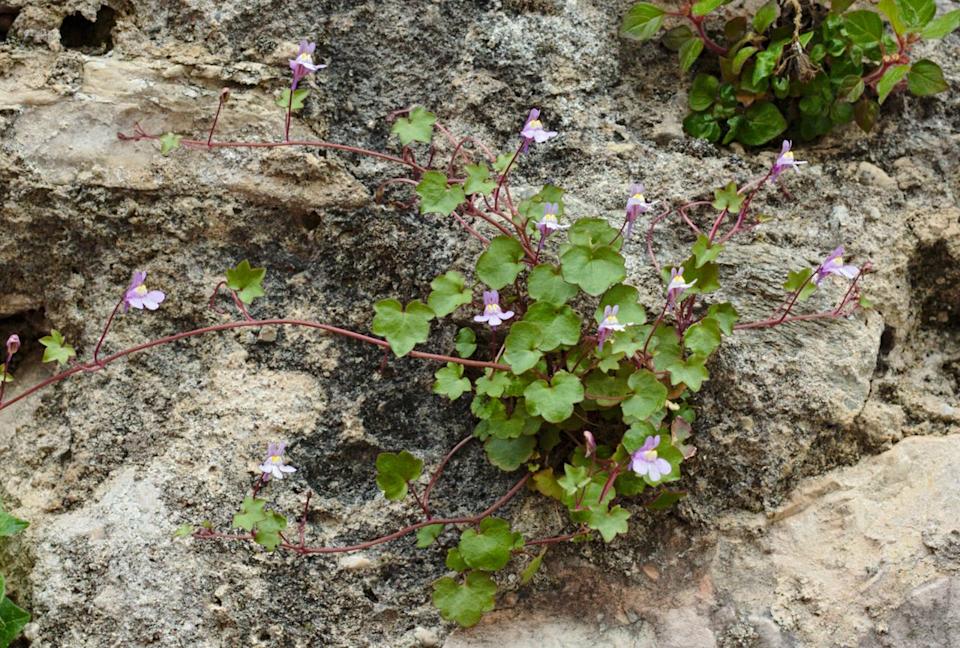
Credit: Getty Images
Kenilworth ivy is a lovely ground cover, producing delicate lilac flowers that last through the summer months. Speight recommends sowing the seeds indoors 10 weeks before planting outdoors. When you move it outside, make sure to keep the soil moist for germination.
“I recommend it because it can be sown in the ground or in pots,” she says. “It’s also great for draping over walls.” It’s also tolerant of foot traffic, and deer will leave it alone.
Care requirements: Partial shade; cool, moist, well-drained soil
04 of 06
Bergenia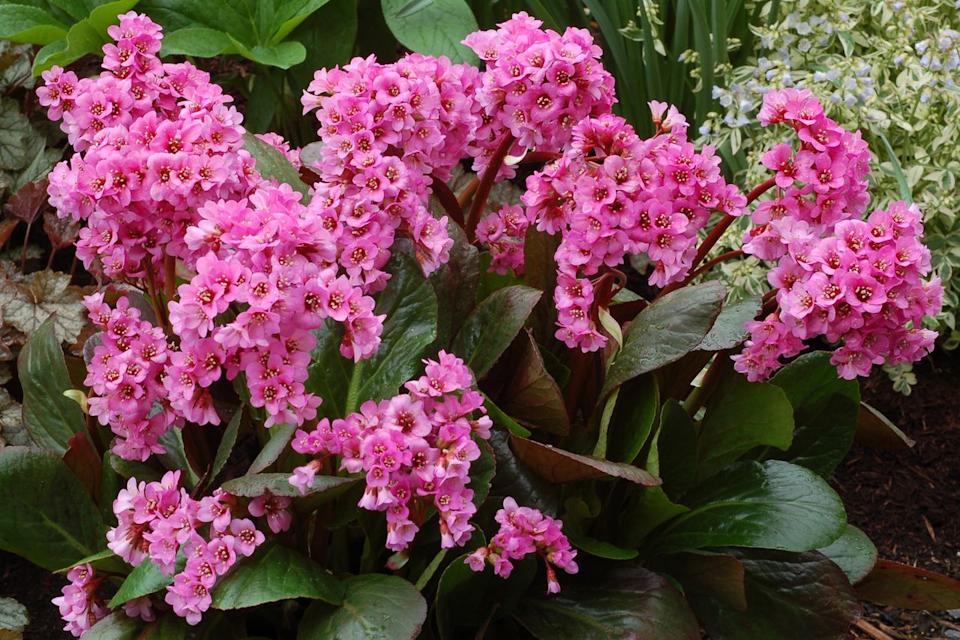
Credit: Terra Nova
Bergenia has beautiful, shiny leaves, and it produces lovely pink blooms. Speight recommends sowing the seeds indoors 60 to 90 days prior to the last winter frost.
After, harden off the plants before putting them in the ground. Make sure to leave room for their foliage.
“Bergenia withstands many different temperatures, however it does best in part shade, and a touch of water when it’s dry outside,” she says.
Care requirements: Partial sun; moist, well-drained soil
05 of 06
Chamomile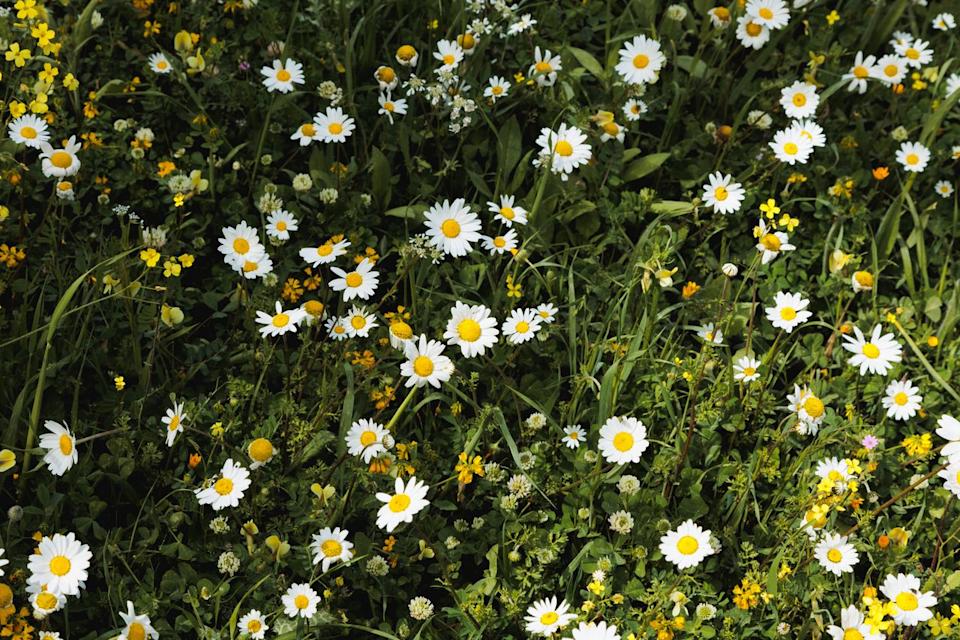
Credit: Liubov Isaeva / Getty Images
Chamomile is a wonderful herb that can suppress weeds by forming a tight mat. Seeds can be sown indoors or directly in your garden.
“If sown directly in the ground, it’s best to define the area,” she says. “The seeds are tiny and can be washed away during strong winter storms.”
Fortunately, chamomile is relatively low-maintenance and can thrive in containers as well. The white flowers look beautiful on their own or can be harvested to make soothing teas.
Size: 8 to 24 inches tall x 8 to 12 inches wide
Care requirements: Partial shade; well-drained soil
Related: How to Grow a Chamomile Lawn—a Charming, Low-Maintenance Alternative to Grass
06 of 06
Pink Clover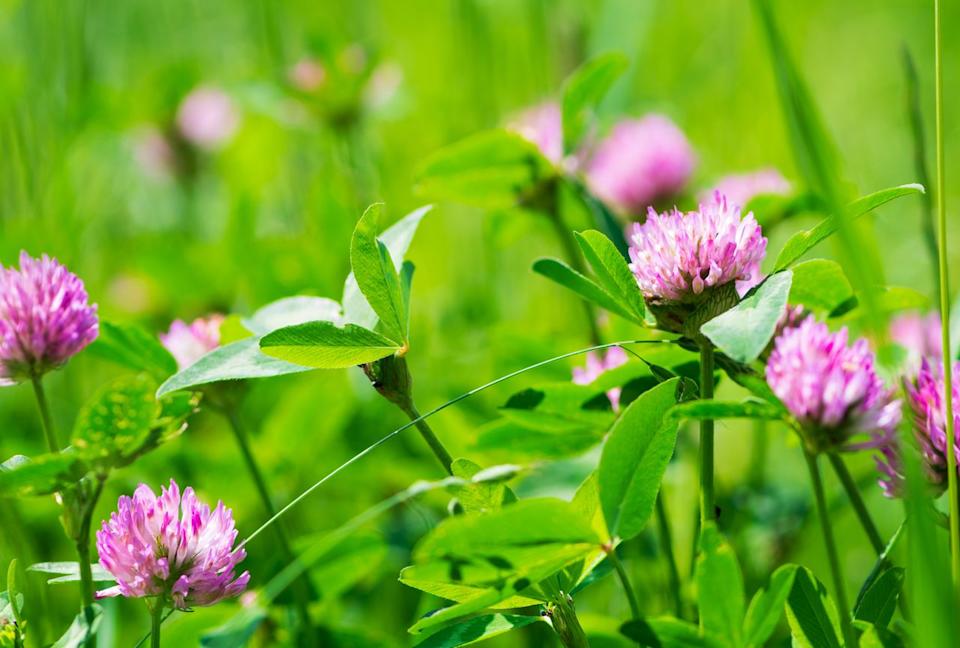
Credit: Getty Images
Pink clover’s beautiful color makes it a stunning border plant, but you can also grow it in containers.
“It can also be a grass substitute in partial shade areas with minimal foot traffic,” says Speight.
She recommends sowing it from seed four to six weeks before the last frost for a spring planting. It’s drought-tolerant once established, and not attractive to deer. As an added bonus, it will even attract pollinators to your garden.
Mature size: 1 to 2 feet tall x 1 to 2 feet wide
Care requirements: Partial shade; well-draining soil
Read the original article on Martha Stewart
Comments are closed.