

Tulips are perennial plants that should return year after year, but a professional RHS gardener warns there is one common tulip care mistake in May that could stop them from blooming again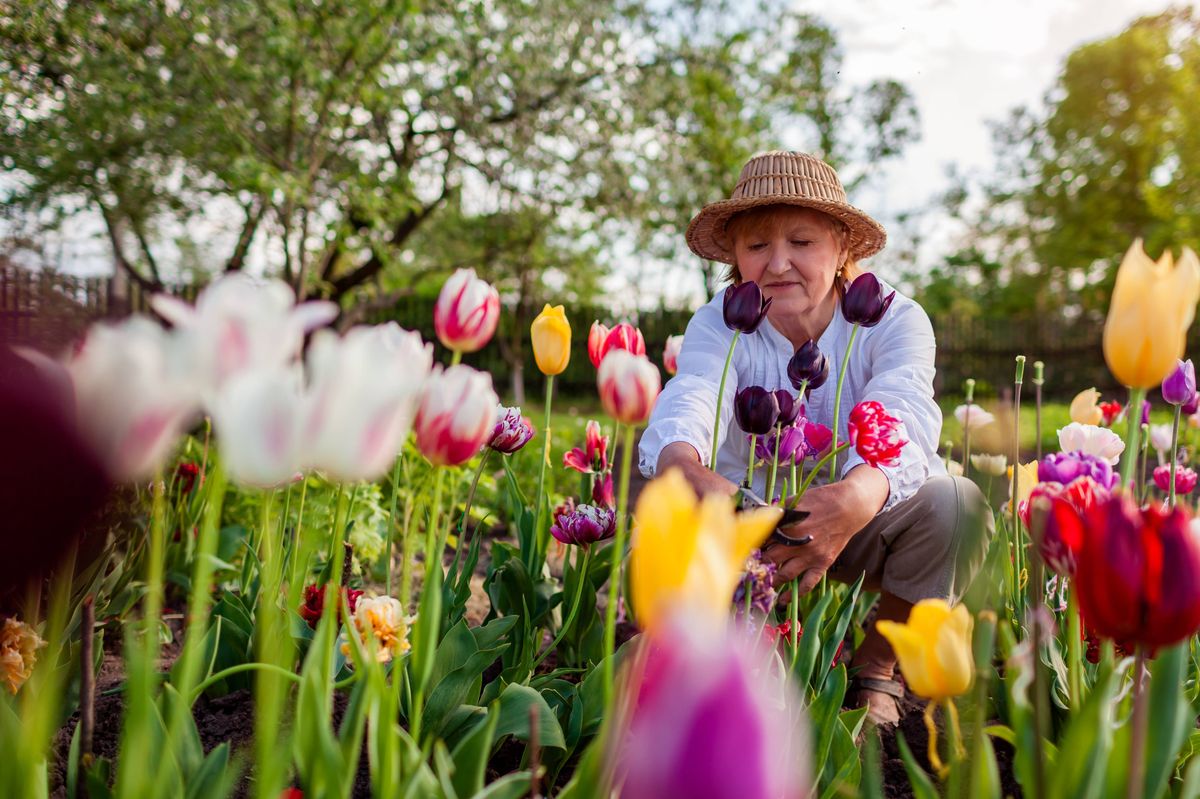
Doing one thing this May could save your tulips (stock photo)(Image: Maryviolet via Getty Images)
Tulips can bring a vibrant burst of colour to your garden throughout the spring months, but there is one crucial mistake you must avoid making with them in May, or you risk completely spoiling your display. If you planted tulips in your garden this spring, then as we move into May, you may begin to notice them starting to wilt and their flowers fading.
Tulips typically bloom from mid to late spring, meaning they’ll finish flowering for the year around this time. Once tulips have stopped flowering, they should naturally begin the process of dying back and retreating into their bulbs. However, as they are perennial plants, they ought to reappear the following year if left undisturbed.
But according to one professional gardener, leaving them alone is actually the worst approach you could take. Emma Jo Real-Davies, a Royal Horticultural Society gardener, explained that she has been cultivating tulips in her garden for many years, and if there is one thing she never does with her flowers, it is neglect them.
The gardener noted that while tulips are supposed to regrow the following year, she has never achieved success with this method, and has discovered that her plants either fail to return at all, or appear “weak” when they do.
In a TikTok video, she shared: “Your tulips won’t come back next year. It’s brutal, but it’s true.
Content cannot be displayed without consent
“Tulips are perennial, and although they might come back next year, they’ll probably be weak and pathetic. They put so much energy into flowering in their first year that they use it all up, so you can leave them in their pots, but they’ll probably look [droopy and lifeless].”
Rather than leaving them to fend for themselves come May, Emma suggested that gardeners should lift their tulips once flowering has finished and add them to the compost heap.
If you’re keen to cultivate more tulips next year, it’s far simpler to purchase fresh bulbs and begin the process anew, rather than banking on your existing ones making a comeback.
Those commenting on the video held mixed opinions on the matter. Some sided with Emma’s guidance and reported similarly disappointing experiences with their own tulips, while numerous others insisted they’d been successfully growing tulips from identical bulbs for as long as 37 years.
One person said: “I’m all for this! I want to reuse most of my pots, so I can’t be bothered waiting for them to wilt away. Get ’em out and get rid and there’s more of an excuse to buy more.”
Choose 10 packs of bulbs in £25 pick and mix deal
This article contains affiliate links, we will receive a commission on any sales we generate from it. Learn more
£25
Gardening Express
See the deal
With many of us looking to begin sprucing up our outdoor space for spring, now is a good time to look at planting bulbs to lay the groundwork for a splash of colour early in the year. Thompson and Morgan has plenty of options live already while Gardening Express has unveiled their pick and mix flower bulb offer, with 10 packs of bulbs for £25
Another added: “Mine came back but without flowers.”
But someone else disagreed, arguing: “Absolute rubbish. We have had the same bulbs flowering for over 37 years!”
Tips for growing tulips
1. Choose the right tulips
Different tulip varieties aren’t created equal. Each type will demand particular growing conditions, including soil type and sunlight exposure, and you may discover that certain species bloom earlier or later than their counterparts.
Darwin Hybrid tulips: Tall, classic “big” tulips that cope well outdoors and often come back for a few years.Triumph tulips: Sturdy stems, good in borders and containers, wide colour range.Species tulips: Smaller, earlier, and often the best for naturalising (coming back and multiplying).Parrot/Fringed/Double tulips: Dramatic, but can be heavier-headed and more likely to flop in wind and rain.
2. Plant at the right time
In the UK, tulip bulbs are ideally planted during autumn, preferably between October and November. This allows the bulbs sufficient time to establish themselves in the soil and develop before the spring arrives. Avoid planting your tulips too early, as doing so can heighten the risk of fungal issues and rot.
3. Care for your tulips properly
Most tulip varieties require full sun, meaning a minimum of six hours daily, and free-draining soil that doesn’t remain too wet. Excessive watering is a frequent cause of bulb rot, so bear these tips in mind when watering:
In the ground: You rarely need to water in autumn/winter.In pots: Water after planting to settle compost, then only water when the top few centimetres dry out.
4. Plan ahead for next year
After the flowers have faded, you should remove the flower head to prevent the plant from expending energy on seed production. Leave the foliage untouched until it naturally dies back, which typically takes around six weeks.
This will enhance your flowers’ prospects of returning the following year, though many gardeners still regard modern tulips as “plant and replace” flowers, since their performance can decline after the first year. This may prove particularly problematic if you have heavy or waterlogged soil, so ensure you decide whether you’re going to try re-growing your tulips or lifting them once flowering has concluded.
Comments are closed.