
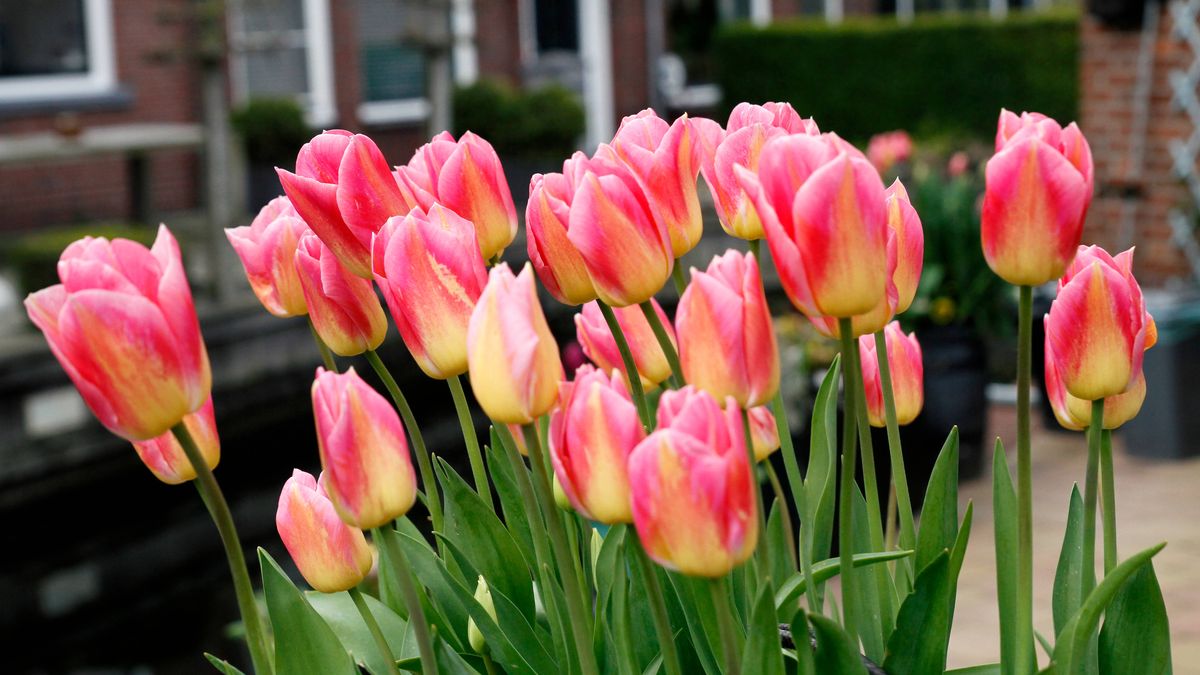
Tulips are a popular flower to grow in the UK, but if you want to ensure you get a beautiful display next year, there’s one thing you need to do in May for the best tulip care
Zahna Eklund Senior Social News Reporter
16:54, 04 May 2026
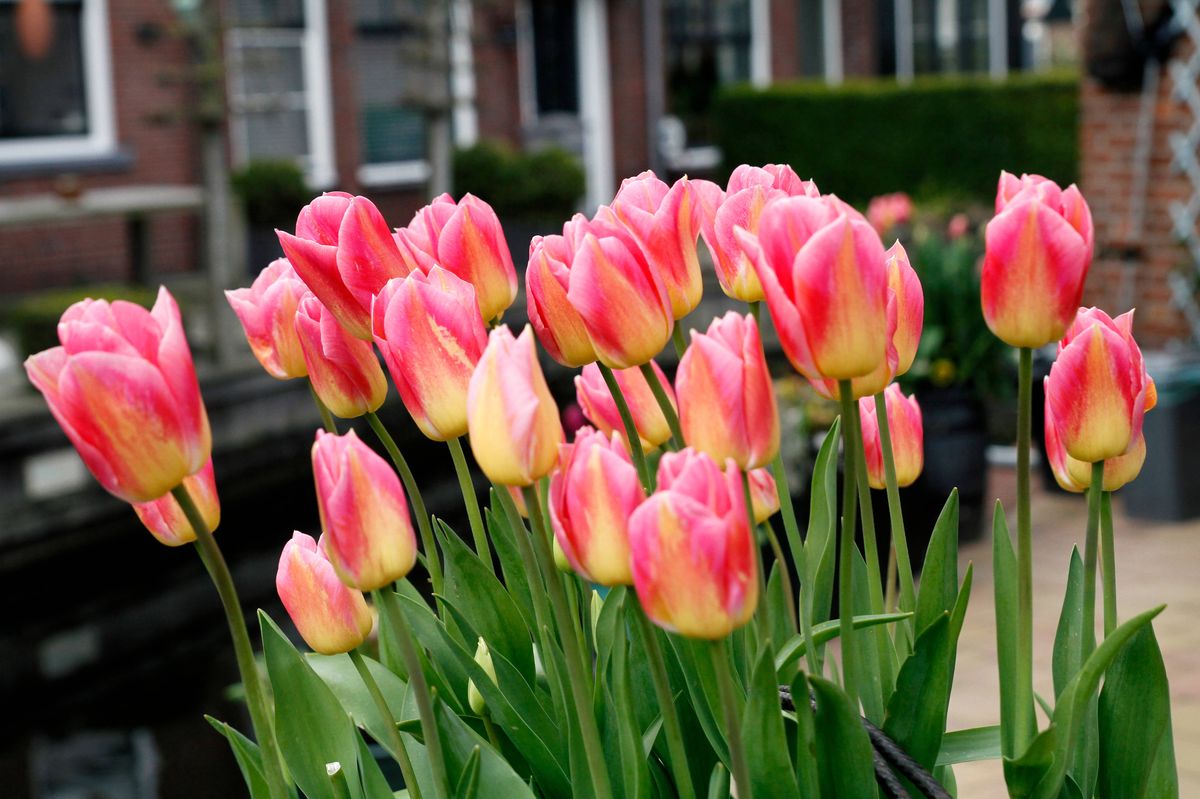
Tulips may be ruined if you don’t do one thing in May (stock photo)(Image: Isabel Pavia via Getty Images)
Tulips are a stunning addition to any garden during the spring months, but there’s one crucial mistake you need to avoid making in May if you want to preserve your floral display. If you’ve been growing tulips this spring, you may have already noticed them beginning to droop and wither as we head into May.
Typically flowering from mid to late spring, tulips will cease blooming around this time of year. Once they stop flowering, they naturally begin dying back and retreating into their bulb. As perennial plants, they should theoretically return the following year if left to their own devices.
However, according to one seasoned horticulturalist, leaving them be is actually the worst course of action. Emma Jo Real-Davies, a Royal Horticultural Society gardener, has spent years cultivating tulips and insists there’s one thing she would never do with her blooms – leave them unattended.
While tulips are expected to regrow the following year, Real-Davies says she has never found this to be the case, with her plants either failing to return altogether or coming back looking distinctly “weak”.
In a TikTok video, she candidly revealed: “Your tulips won’t come back next year. It’s brutal, but it’s true.
Content cannot be displayed without consent
“Tulips are perennial, and although they might come back next year, they’ll probably be weak and pathetic. They put so much energy into flowering in their first year that they use it all up, so you can leave them in their pots, but they’ll probably look [droopy and lifeless].”
Rather than abandoning them come May, Emma advised that keen gardeners ought to remove their tulips once blooming has ceased and dispose of them in the compost heap. For those wishing to cultivate tulips the following year, she suggested purchasing fresh bulbs and beginning anew, rather than relying on previous ones to re-emerge.
Viewers responding to the clip held differing opinions on the matter. While some concurred with Emma’s guidance and reported disappointing experiences with their own tulips, numerous others maintained they’d successfully cultivated the same bulbs for up to 37 years.
One person said: “I’m all for this! I want to reuse most of my pots, so I can’t be bothered waiting for them to wilt away. Get ’em out and get rid and there’s more of an excuse to buy more.”
Another added: “Mine came back but without flowers.” But someone else disagreed, arguing: “Absolute rubbish. We have had the same bulbs flowering for over 37 years!”
Sorry, this content is no longer supportedTips for growing tulips
1. Choose the right tulips
Not all tulips are identical. Various types demand distinct cultivation requirements, including soil composition and light exposure, with certain species potentially blooming at different times than others.
Darwin Hybrid tulips: Tall, classic “big” tulips that cope well outdoors and often come back for a few years.Triumph tulips: Sturdy stems, good in borders and containers, wide colour range.Species tulips: Smaller, earlier, and often the best for naturalising (coming back and multiplying).Parrot/Fringed/Double tulips: Dramatic, but can be heavier-headed and more likely to flop in wind and rain.
2. Plant at the right time
Throughout the UK, the optimal time for planting tulip bulbs is during autumn, particularly between October and November. This timing allows the bulbs to establish themselves in the soil and develop roots ahead of the spring season. Avoid planting too early, as doing so may heighten the likelihood of fungal diseases and decay.
3. Provide proper care for your tulips
The majority of tulip varieties require full sunlight, meaning at least six hours of direct light daily, along with well-draining soil that doesn’t retain excessive moisture. One of the most frequent causes of bulb rot is overwatering, so bear these guidelines in mind regarding watering:
In the ground: You rarely need to water in autumn/winter.In pots: Water after planting to settle compost, then only water when the top few centimetres dry out.
4. Prepare for the following year
After the blooms have withered, you should remove the flower head to prevent the plant from expending energy on seed production. Allow the leaves to remain until they naturally die back, which typically occurs over approximately six weeks.
Following this approach will enhance the likelihood of your flowers returning the following year, though numerous gardeners continue to regard modern tulips as “plant and replace” flowers, since their performance often diminishes after the initial year. This may prove especially problematic if your soil is heavy or waterlogged, so ensure you determine whether you’ll attempt to cultivate your tulips again or remove them once they’ve finished flowering.
Comments are closed.