
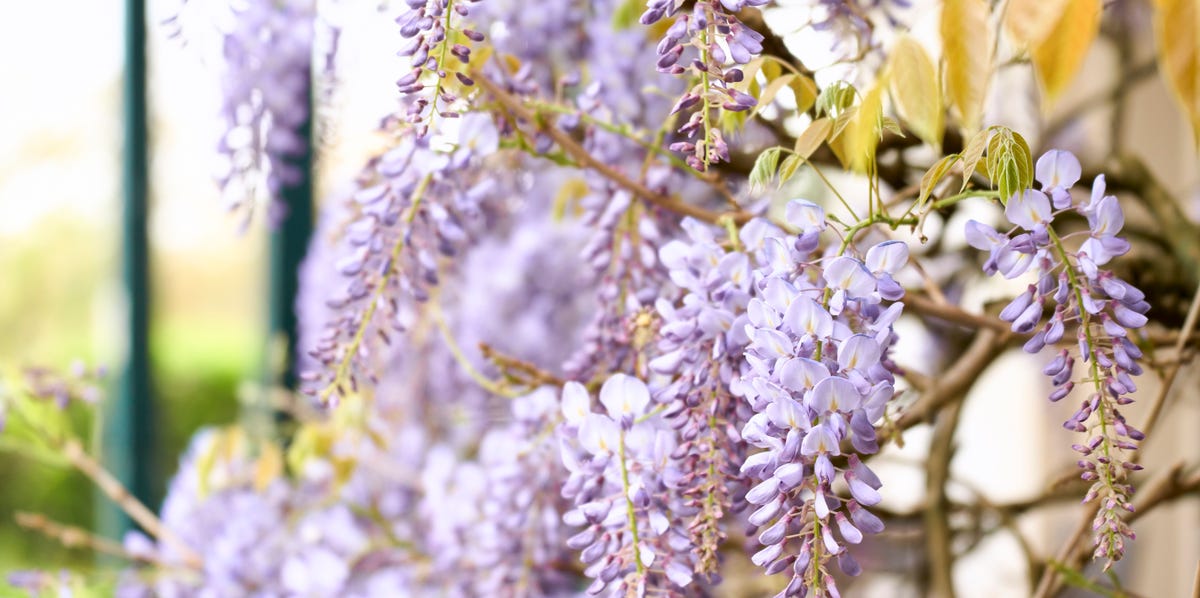
Wisteria, with its cascading violet clusters, pale green foliage and elegantly twining stems, has long been cherished for the romance it lends to façades, archways and front doors.
Take a stroll through a residential neighbourhood in April and early May, and you’ll find it in full flourish, adorning many walls and porches in a haze of colour.
But what to do with the plant when the magic has faded? “Once wisteria has finished flowering, the focus shifts from enjoying the blooms to setting the plant up well for the following year,” says Mirela Bajic, a senior garden designer at House Designer.
This doesn’t call for pruning, however – at least, not just yet. According to official guidance by the Royal Horticultural Society (RHS), wisteria responds best to being cut back twice a year, first between January and February and a second time in summer, between July and August.


Richard Klune//Getty Images
What’s the proper care for wisteria right now?
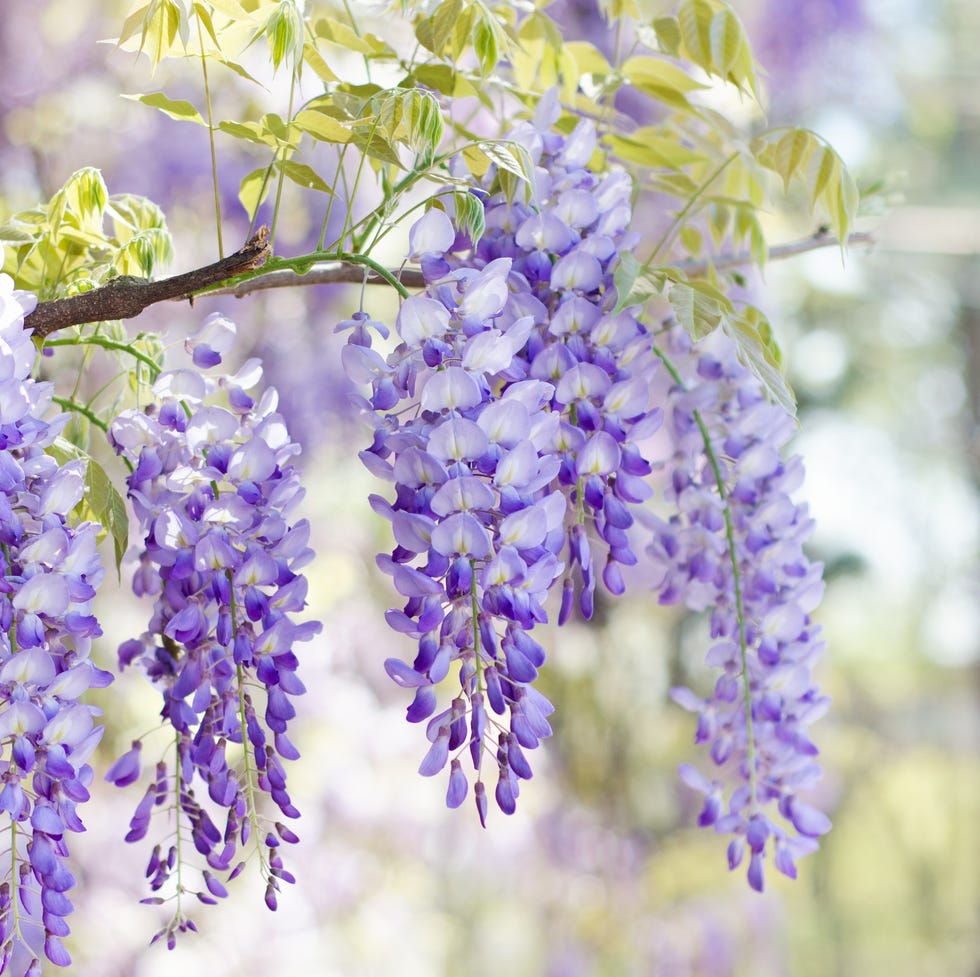
At this point in the season, the task is to be attentive. “You’ll know it’s time for deadheading when the flowers start to fade and drop, and the plant begins pushing energy into leafy growth instead,” says Mirela.
When that moment arrives, gently remove the spent flower heads using your fingers or a clean pair of secateurs. In the weeks following flowering, it’s also wise to monitor watering as temperatures continue to rise.
“Established wisteria is fairly tough, but consistent moisture supports better growth and bud development. A balanced fertiliser can help too,” the expert advises.
The one thing to avoid? “Anything too high in nitrogen, as that tends to produce a lot of leafy growth at the expense of flowers,” she adds.
Natalia Ganelin//Getty Images
The importance of aftercare
With attentive care, you might even be rewarded with a lighter, second flush of blooms later in the year, though Mirela notes that most varieties will not reliably produce a second display.
All the more reason, then, to be diligent with post-flowering care. “The main show will always be in spring, so the care you give it now is really about next year’s performance,” Mirela says, but stresses that consistent pruning makes the biggest difference.
With that in mind, it’s well worth marking the summer prune in your gardening calendar.
For now, a light touch is all that’s required. “Once the blooms are spent, it’s less about cutting back hard and more about guiding the plant, keeping it balanced, and giving it the right conditions to perform again.”
Best annual climbing plants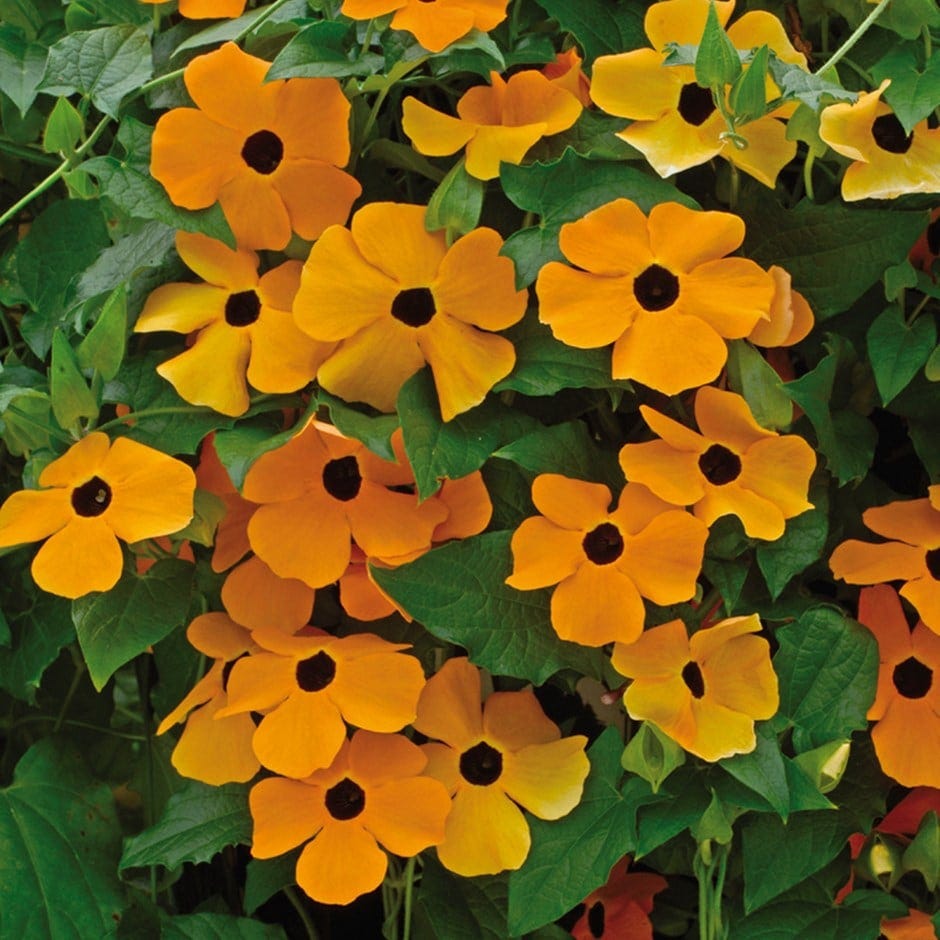 Black eyed susan vine ‘Suzie Orange with Eye’ Credit: Crocus
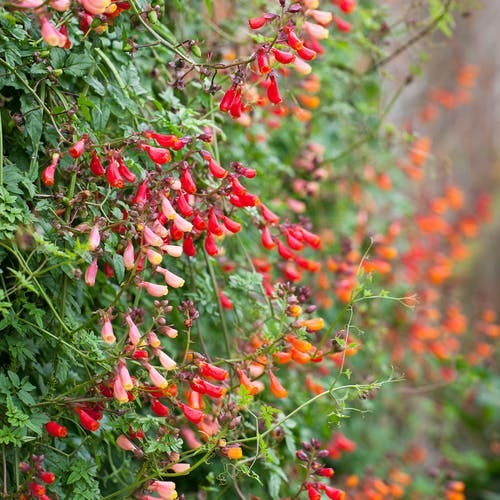 Eccremocarpus scaber (Chilean Glory Flower)Credit: Sarah Raven
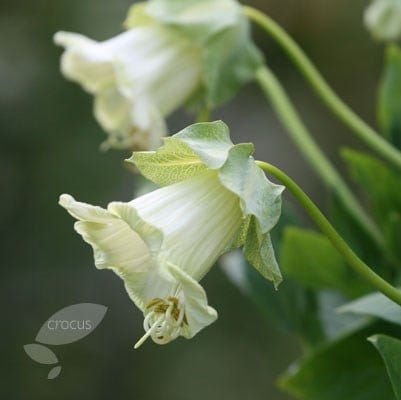 Cup & saucer vine Cobaea scandensCredit: Crocus
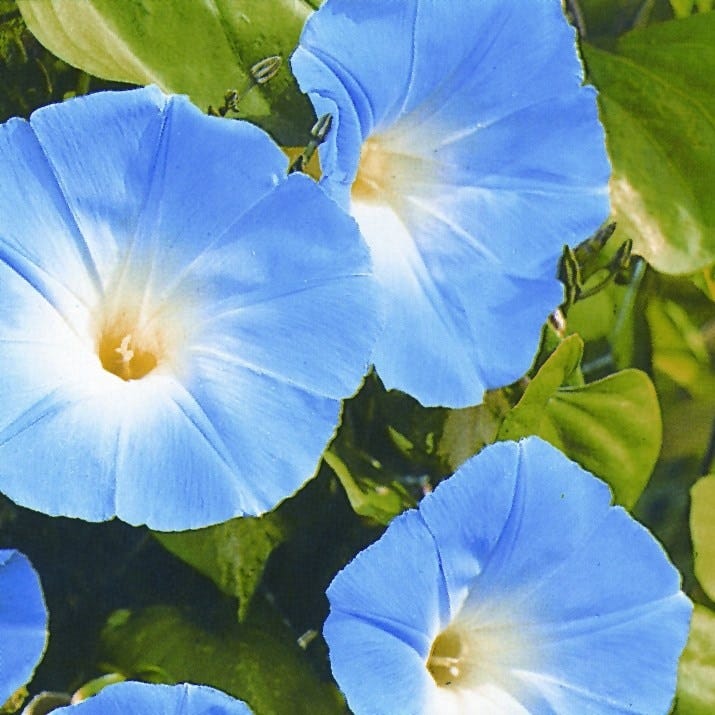 Morning glory ‘Heavenly Blue’
Now 20% Off
Credit: Crocus
Wanda Sachs is the Multiplatform Writer for Country Living and House Beautiful, exploring the latest in gardening, wildlife and sustainable living alongside interiors and property. She is particularly interested in human-interest stories, the intersection of design and pop culture, and the evolving relationship between urban and rural life. Previously, she served as Associate Editor at The Berliner in Berlin, where she reported on culture and fashion. Wanda studied English and German at the Goethe University Frankfurt and Exeter University.
Comments are closed.