

People who regularly feed wild birds in their gardens are being advised by experts to “pause” the practice for six months each year. The recommendation is designed to curb the spread of an infection that has severely reduced populations of certain bird species.
The Royal Society for the Protection of Birds (RSPB) suggests suspending the use of seed and peanut feeders between May 1 and October 31. The measure aims to help prevent the spread of trichomonosis, a parasitic disease that has significantly reduced Britain’s greenfinch and chaffinch numbers.
Throughout the May to October period, high concentrations of birds gathering at feeders can facilitate the rapid transmission of disease. According to the RSPB, it is better to offer only small amounts of mealworms or suet while adhering to stringent hygiene practices, reports the Express.
On its website, the RSPB explained: “We can help stop the spread of disease among garden birds by making two simple shifts to how we feed birds. Put simply: Feed seasonally. Feed safely.
“During summer and autumn, there’s a higher risk of disease spreading. But it’s also when there are more natural foods available to birds, such as seeds and insects.” Sign up for the North Wales Live newsletter sent twice daily to your inbox
Between May 1 and October 31, the charity recommends households should “pause filling bird feeders with seeds or peanuts”. However, it clarifies: “You can continue to offer small amounts of mealworms, fatballs or suet.”
Energy-rich foods such as fat balls, suet and mealworms are less susceptible to carrying the disease and provide vital support to nesting birds. This advice follows extensive research indicating that feeding in warmer weather considerably speeds up the spread of infection.
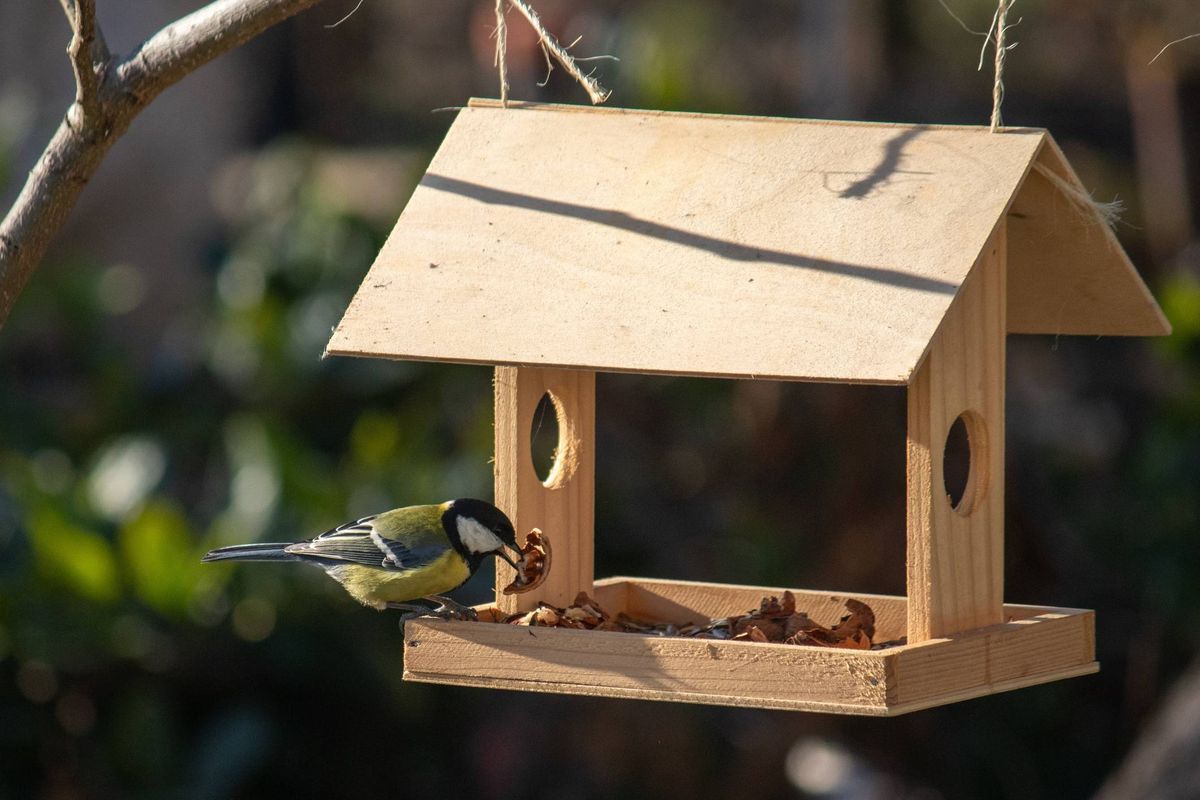
Avoid bird tables, tray feeders and window(Image: Getty)
Feeding can return to normal between November and April. During this period, the RSPB states: “You can feed your birds a full range of bird foods, including seeds and peanuts.”
To reduce the risk of infection, the RSPB recommends cleaning bird feeders on a weekly basis and moving them to different positions around the garden to prevent a build-up of waste. Bird tables and tray feeders are best avoided, as they can harbour large amounts of harmful bacteria. Bird baths should also be cleaned weekly, with the water refreshed daily using fresh tap water.
The RSPB further advises: “Avoid putting feeders under places where birds roost, such as under trees. This will help to avoid contamination through droppings. Keep food as dry as possible. Damp food allows disease to survive and spread. Choose feeders that prevent rain getting in and limit condensation.”
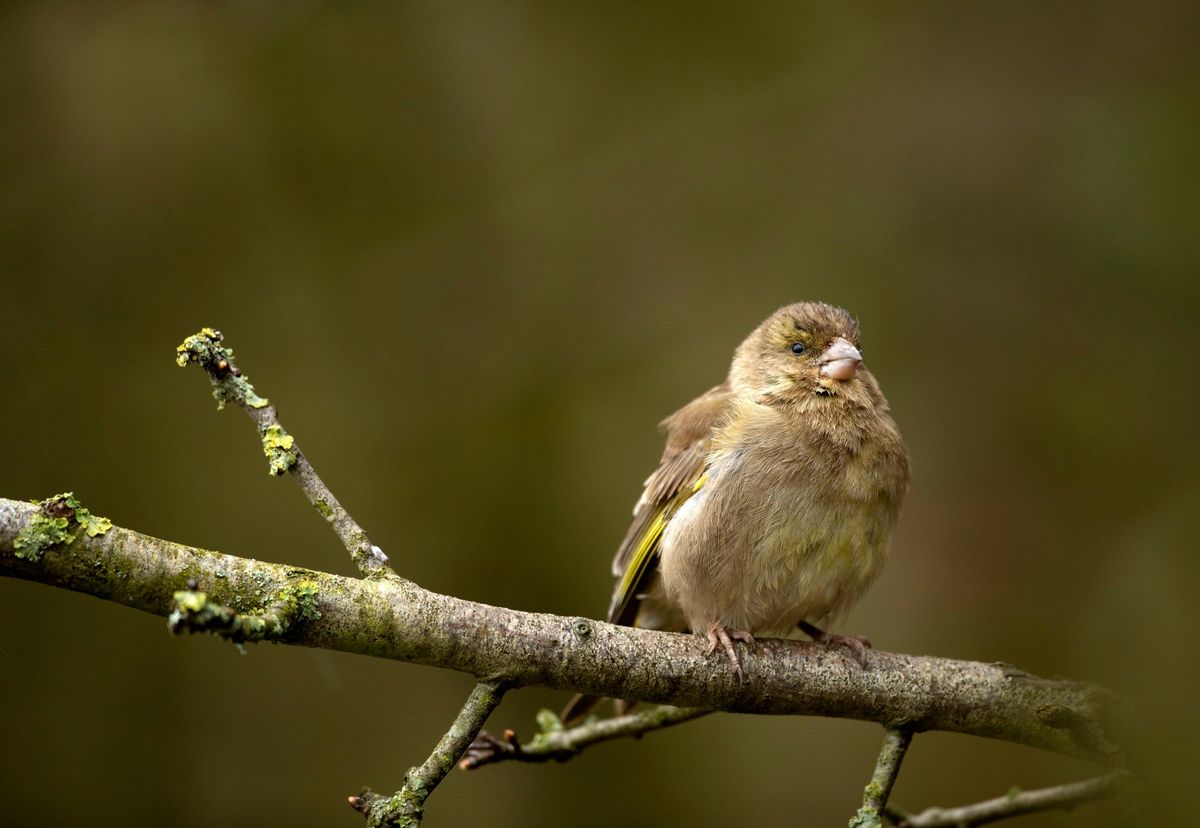
Greenfinch suffering from trichomonosis(Image: Ben Andrew/rspb-images.com)
What is trichomonosis, and which birds are most vulnerable?
Garden bird trichomonosis is a condition caused by the microscopic parasite Trichomonas gallinae. This parasite generates lesions within the throat, severely hindering the bird’s ability to swallow both food and water.
As a result, infected birds often experience weight loss and may even die from starvation. It is believed that this parasite spreads via regurgitated food and fresh saliva.
This transmission can happen directly, for instance when parent birds feed their young, or indirectly, when birds eat food or drink water tainted with the pathogen.
Trichomonosis has been documented in many other garden bird species, although finches seem particularly vulnerable, the RSPB reports. Studies suggest that both Chaffinch and Greenfinch populations fare worse in suburban settings compared to rural locations, indicating that gardens and supplementary feeding could be influencing factors.
What are the symptoms of trichomonosis in garden birds?
In addition to showing general signs of sickness, including lethargy and dishevelled plumage, infected birds may dribble, vomit, struggle to swallow, or breathe laboriously.
Finches are commonly seen with damp, clumped feathers around their heads and food debris crusted on their bills.
Join the North Wales Live WhatsApp community group where you can get the latest stories delivered straight to your phone
Comments are closed.