
 3 min read
Although white picket fences and perfectly manicured lawns have long been hallmarks of the American dream, the landscape is changing—quite literally, in fact. Many people are curious about low-maintenance grass alternatives for their lawns. Homeowners want an eco-friendly, no-mow solution that still provides all the durability and beauty of traditional grass, without any of the hassle.
“Removing a grass lawn is an opportunity to create a more climate-conscious yard and more functional spaces,” says Allison Messner, founder of the online landscape design platform Yardzen. “Rather than simply substituting a different species like clover one for one in the space of an existing grass lawn, you also might consider a mix of features like seating areas, low-water planting beds, edible gardens, or permeable hardscapes like gravel.”
Wondering where to start? We rounded up our top seven favorite grass alternative lawns that are low-maintenance, eco-friendly, and will make yard work easier. Remember, check with your local nursery to see which option will work best for your climate and region, because that is a factor in choosing the right selection that will thrive in your area.
Silver Carpet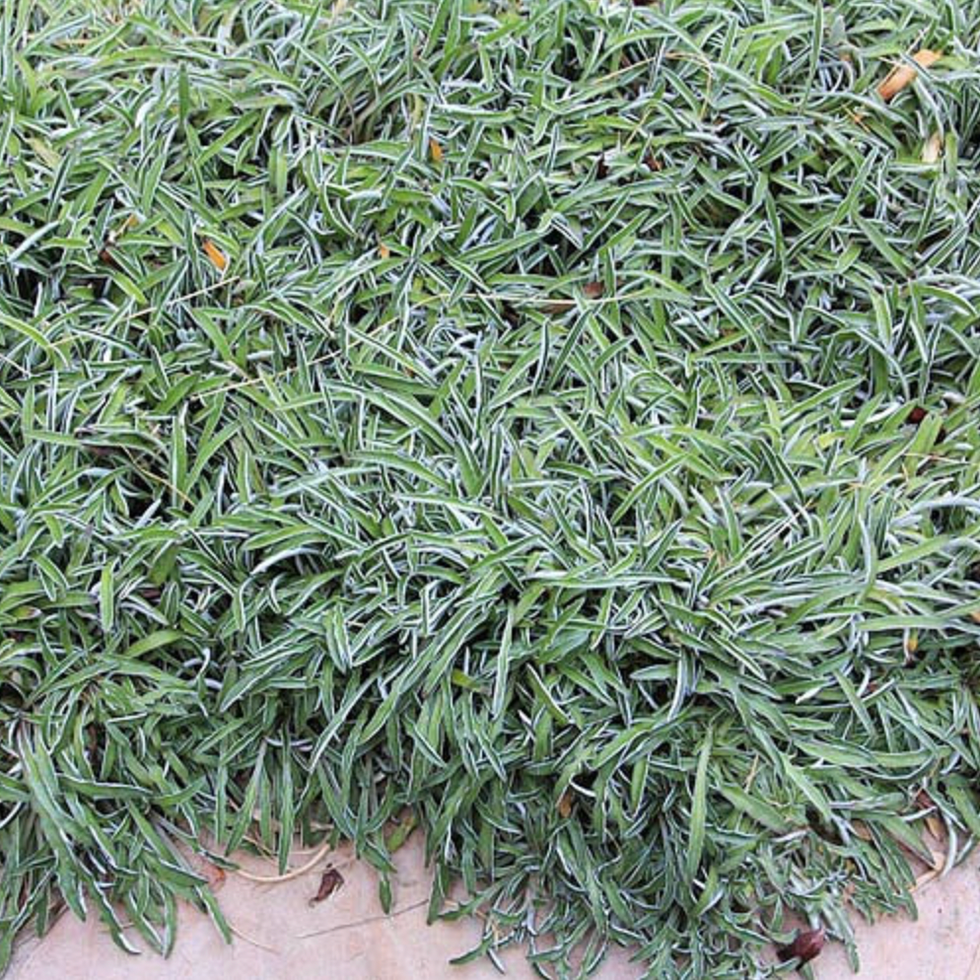
Courtey of Gardenia
This grass alternative, also known as lamb’s ear, resembles green grass and can be used as ground cover. Its leaves are a grayish-green shade, and it thrives in direct sunlight. Silver carpet only grows around one to three inches high and is ideal for hot and dry environments since it is drought-resistant. In terms of durability, this alternative can withstand low to moderate foot traffic, so think about placing it on a lawn that you would walk through, but not run and play tag in.
Turf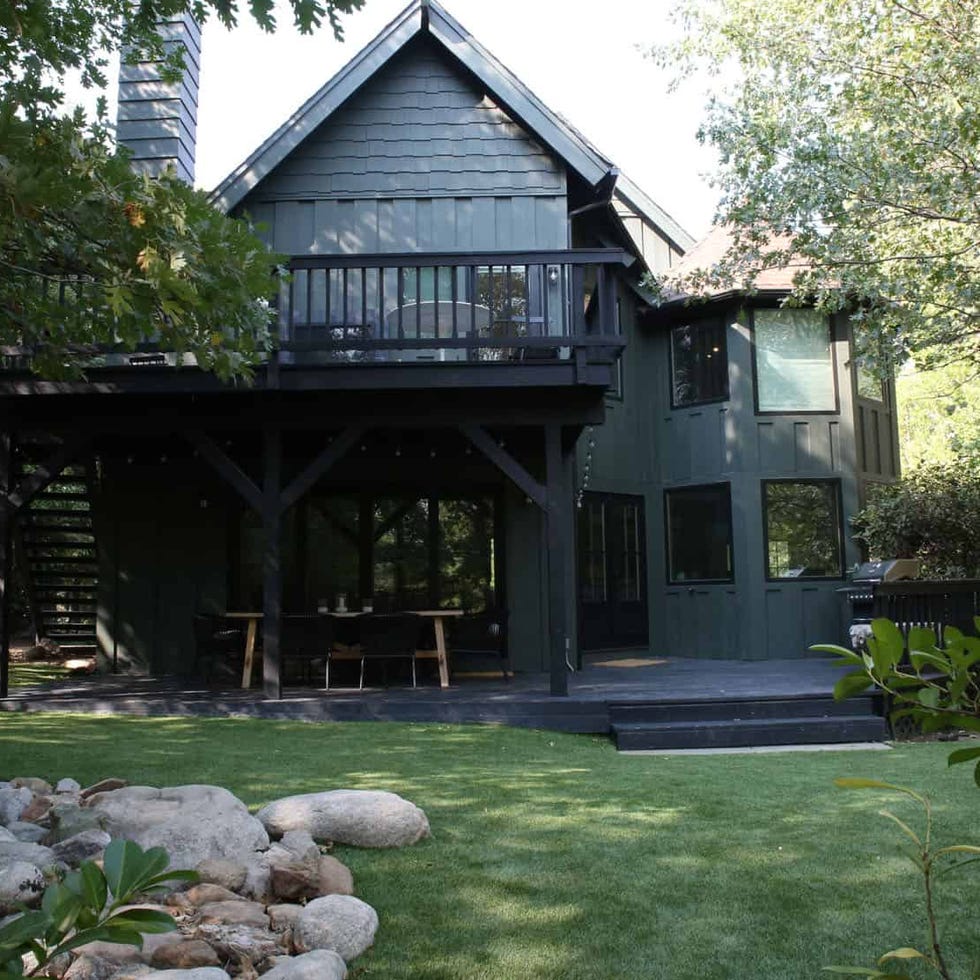
Courtesy of Emily Henderson
You may or may not remember the social media debate about whether or not Emily Henderson should install turf grass versus sod in her mountain view home. But it was a conversation that got lots of people in the design community re-thinking turf lawns beyond the miniature golf course.
Turf is a no-maintenance grass alternative. You’ll never need to mow or water it. But, it’s important to note—high-quality turf is an investment, around $12 a square foot, which can add up quickly. Turf is durable, and most sports arenas and venues use it because it can handle a lot of wear and tear without damage.
Edible Plants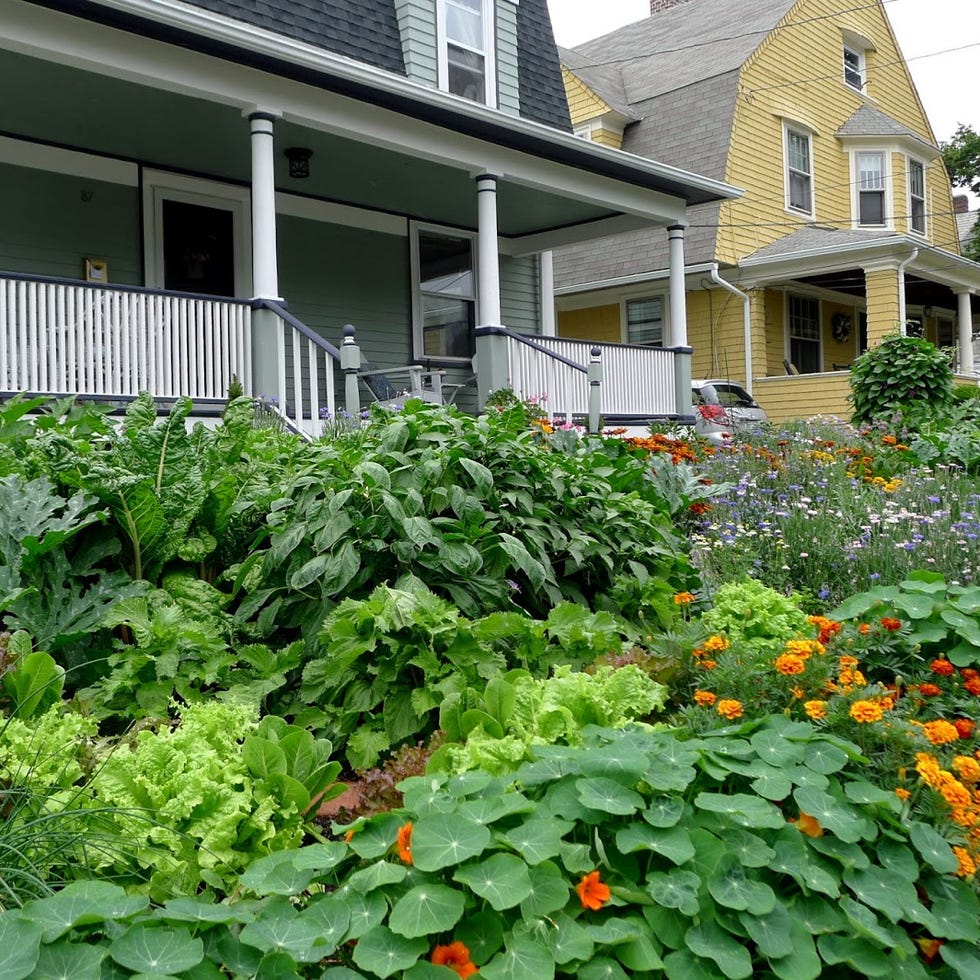
Less Noise More Green
You can transform your lawn into an edible landscape with foodscaping. This hybrid model blends farming and landscaping design in your yard. The benefits of an edible lawn are that you have more nutritionally valuable food at your fingertips, like strawberries or mint. These edible options can provide ground cover that you can sit and have a picnic with at the same time.
Clover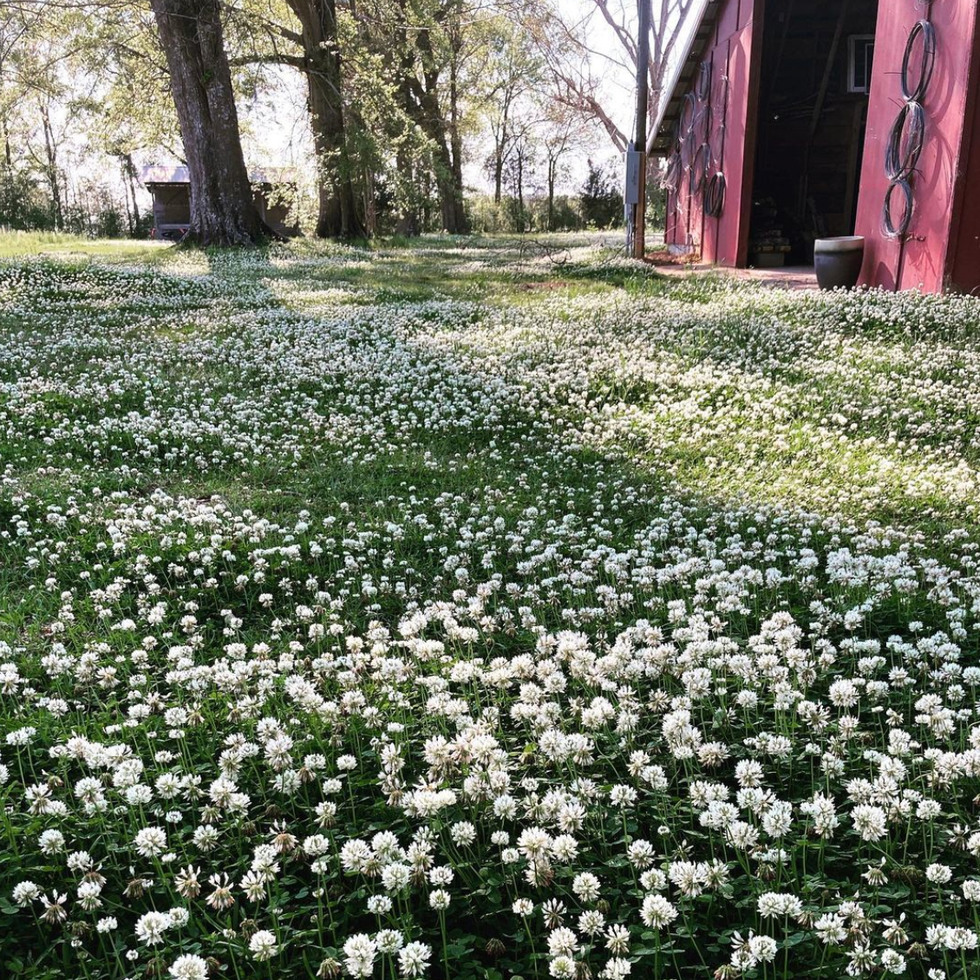
Mae Day Farm
Introducing the lawn craze that everyone on TikTok is obsessed with: clover lawns. Clover is an eco-friendly alternative to grass since it’s drought-tolerant, meaning it will stay green with little to no watering. The best party? You’ll only need to mow about four times a year. While clover is an eco-friendly substitute for grass, Messner explains it’s not as durable. “Tough, low groundcovers like clover make for attractive substitutes to decorative lawns, but nothing can quite take foot traffic like a lawn,” she adds.
Gravel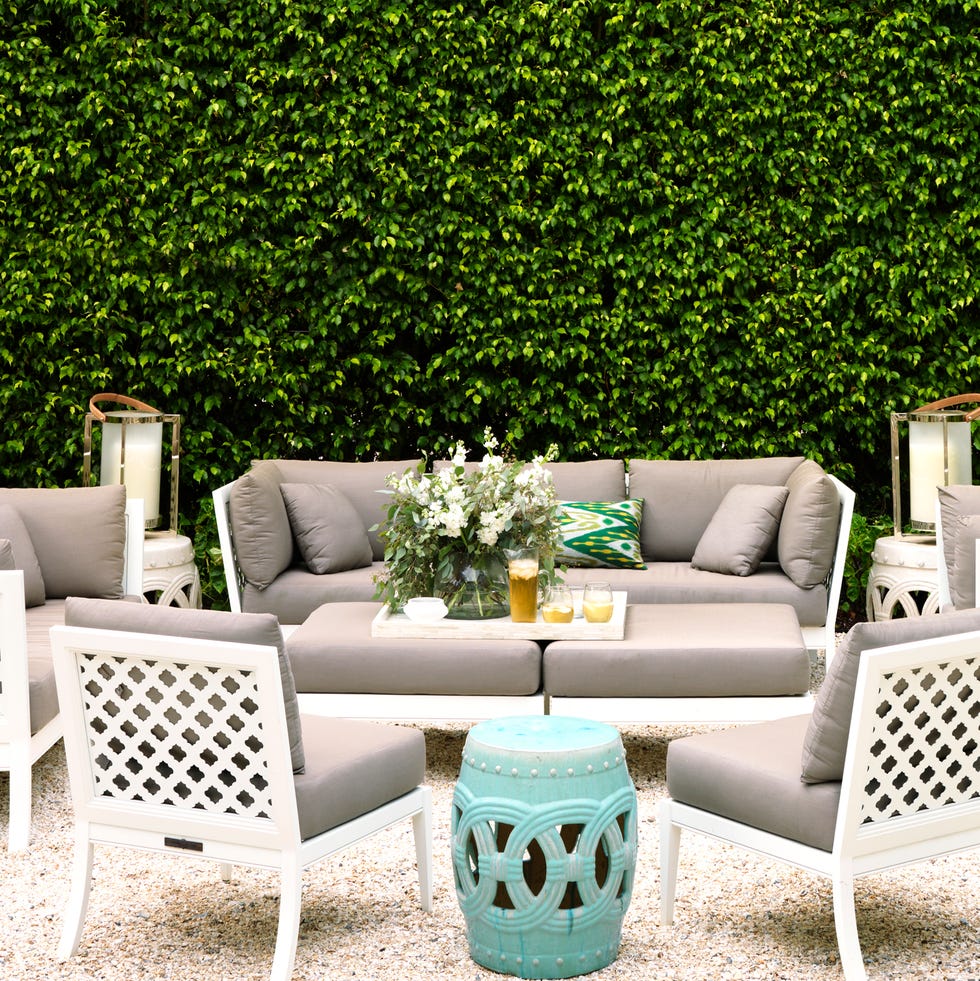
Jonny Valiant
Although gravel and rock may not be as enticing as some other floral alternatives, they’re necessary for warm and dry climates prone to droughts and need to conserve water. Stone options like pea gravel, river, or marble rocks can give your lawn an aesthetic facelift, and you don’t need to mow it—ever. It is recommended to work with professional installers due to the sheer size and weight of the number of rocks you’ll need to cover a lawn. As a bonus, you won’t need to update them for eight to ten years, so it’s a worthwhile investment.
Xeriscaping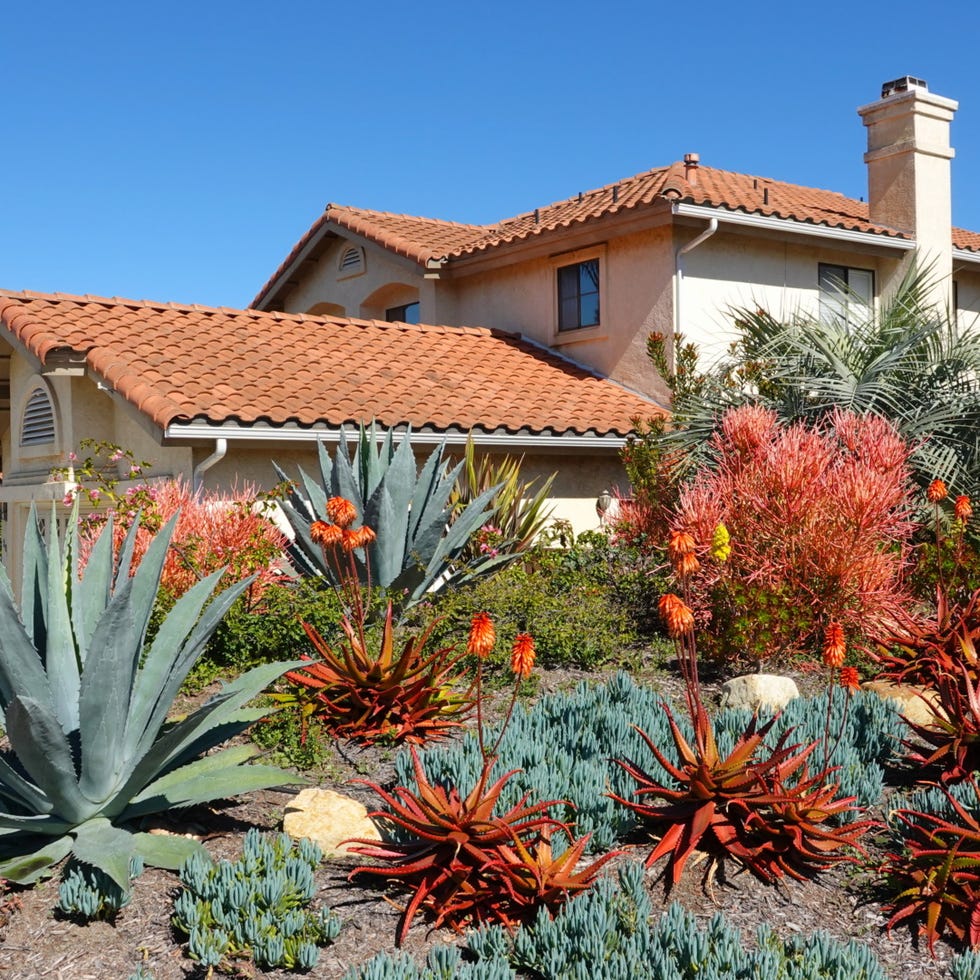
Adobe Stock
Close your eyes and imagine walking on a lawn that you don’t have to maintain. That’s xeriscape landscaping, sounds like a fantasy, right? Well, you can have it IRL. This type of landscaping requires minimal water and is best for desert-like environments. You focus on planting local species like succulents, cacti, and native vegetation that thrive in the heat.
Wildflower Gardens 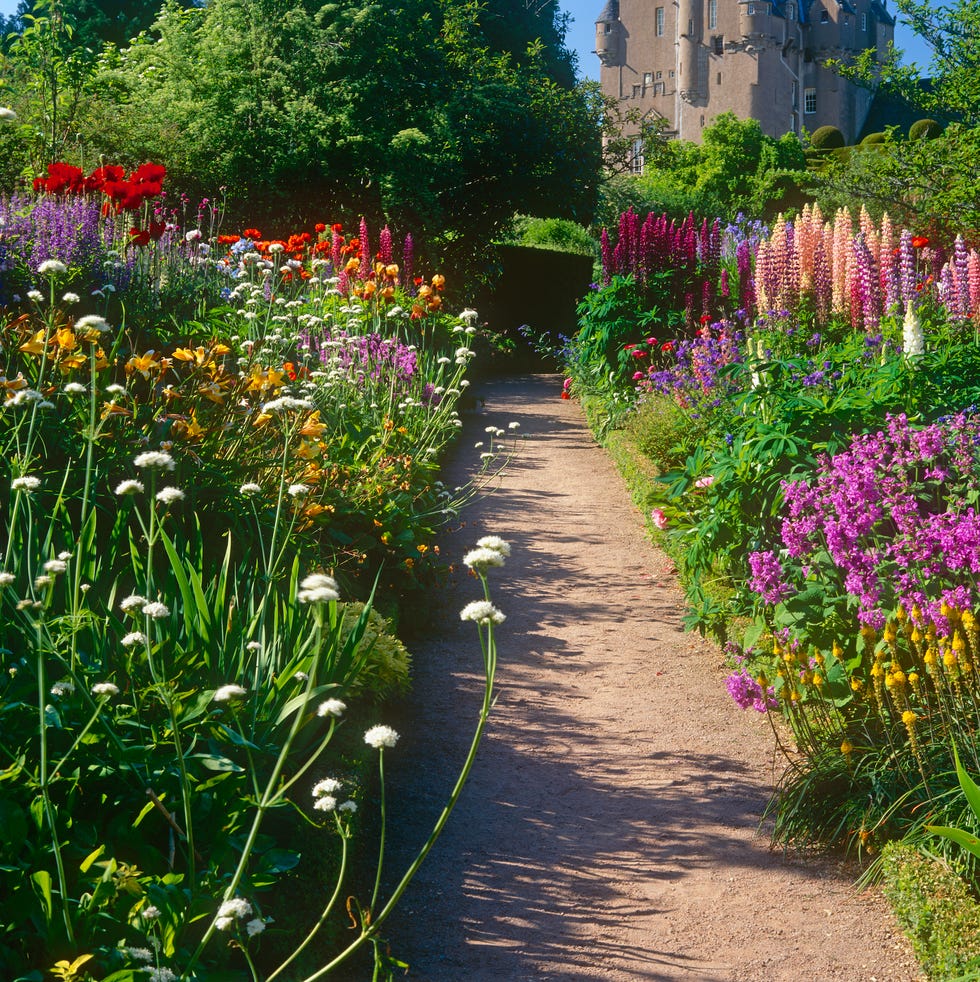
Getty Images
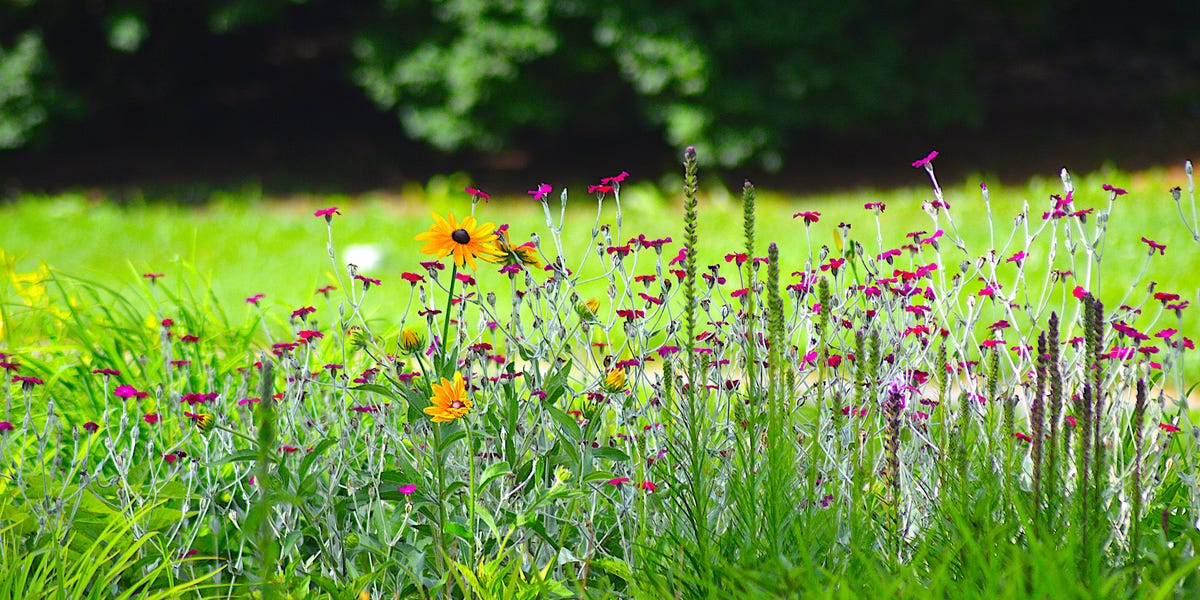
Wildflower gardening is an up-and-coming trend, and it doubles as an easy way to start to remove grassy areas in your lawn and install flower “beds” instead. Sprinkle seeds of perennials and annual flowers together to create a little meadow in your yard. Look for flowers that attract butterflies and hummingbirds, and before you plant, check out if they need full sun or partial shade to thrive.
Follow House Beautiful on Instagram and TikTok.
Comments are closed.