
Getting your outdoor space to be even “greener” — in the eco-friendly sense — might be easier than you think. According to Kat Aul Cervoni, founder of Staghorn NYC Landscape Design and The Cultivation by Kat, starting a more sustainable lawn and garden starts by deeply observing the space.
“Get a good understanding of how much sunlight your space gets, at what times of day and also what is your climate and environmental conditions like dry and arid, rainy and humid, harsh winds, etc.” Aul Cervoni told HuffPost. “The more you adhere to what naturally works in your outdoor space, the easier it will be to maintain, and the less resources will be needed to help it thrive.”
Another way to use less resources (and do less work) is to fill your space with native plants that inherently work in your climate.
“Plants indigenous to your area will be thrilled to be planted in your space,” Patrick Farrell, partner at EAS Landscaping LLC in Philadelphia told HuffPost. “After the initial couple of weeks of coddling, they will immediately know what to do to be a part of your space’s ecology.”
To learn about what plants and grasses grow best in your area, Farrell recommends going to a local garden store or landscape supply store and asking for recommendations.
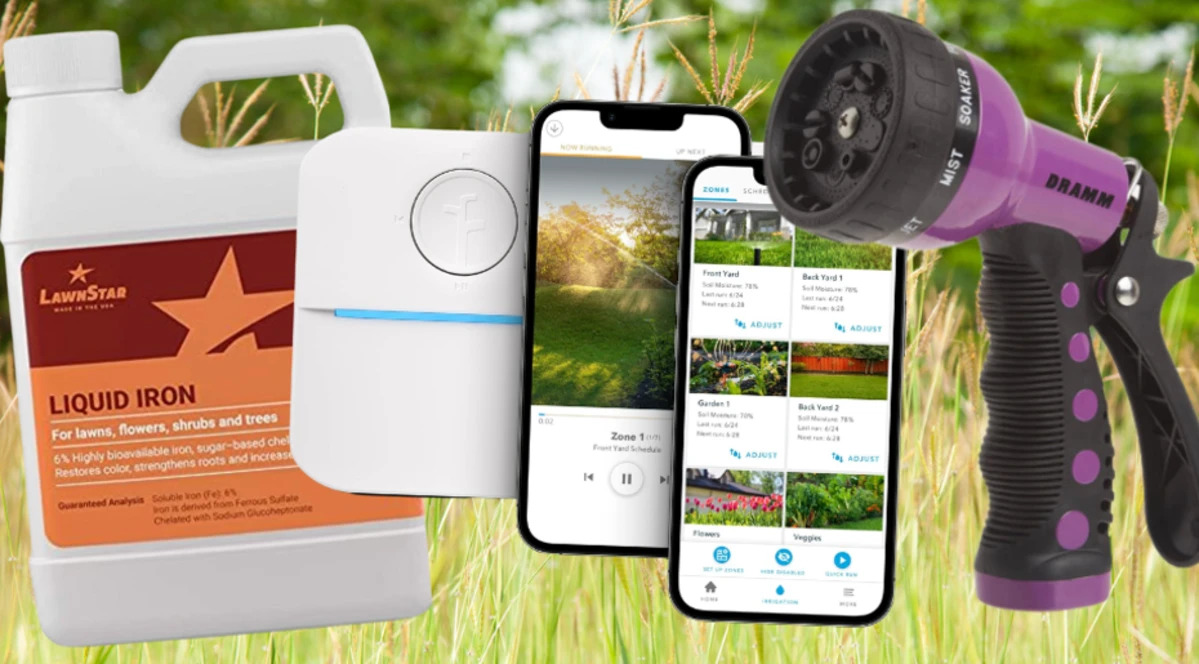
In addition to these tips, our experts suggested lawn care and gardening products to help you get started on your “green” journey. Ahead, find products and tips that will help you reduce your impact outdoors.
Amazon
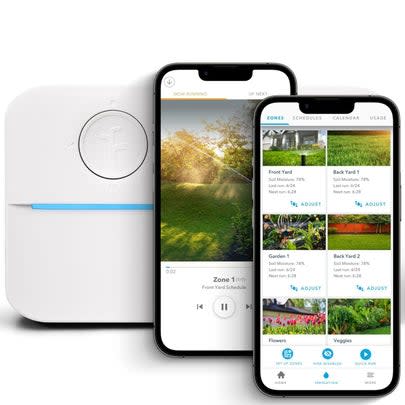
Rachio irrigation smart sprinkler
Even in the most sustainable of green spaces, you’re going to need to water your plants. Johnny Kunen, president and owner of Native NY Gardens says he often installs irrigation systems with controllers from Rachio, a certified B-corp that makes smart watering systems aimed at conserving water.
“Rachio Irrigation connects via Wi-Fi to nearby weather stations and postpones cycles when it’s raining,” Kunen told HuffPost.
This controller works with an app letting you control and manage your watering schedule from your phone, track water usage and make schedules for watering. It’s compatible with 99% of existing sprinkler controllers and can often be installed by yourself in 30 minutes or less.
Promising Review: “Instructions were clear and easy to follow. Everything worked exactly as it should have. App was intuitive and easy to use – Love it. Added a Hunter Sprinkler RainClick Rain sensor after installation and that was equally simple to do. One big benefit to having an app driven system is if the power goes out to the controller once power is restored everything is back the way it was within seconds. No Clock reset, no reprogramming, nada… I love it and would recommend it to anyone.” — Amazon Customer
$199 at Amazon
Amazon
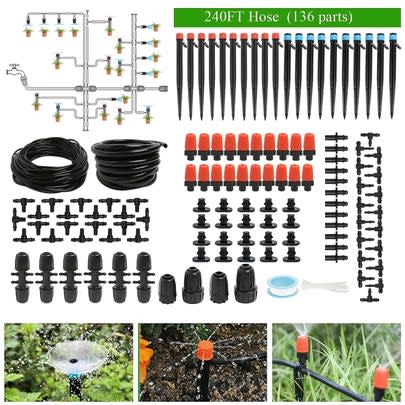
A drip irrigation system
Another lower impact watering process: a drip irrigation system featuring “emitters” located close to the ground that release water directly into the soil and roots.
“We also often install drip irrigation systems which water the plants directly, as opposed to sprinkler systems that send water onto sidewalks and driveways,” Kunen said.
While Kunen didn’t recommend a specific style, we found this highly-rated kit that includes 40 feet of main tubing, 200 feet of distribution tubing and enough supplies to set up two smaller systems or one longer one.
Promising Review: “Great system at a good price. The system works great and was easy to set up. It was enough to cover my 4 raised beds and in ground plants with some left over.” — Addison S.
$40+ at Amazon
Amazon
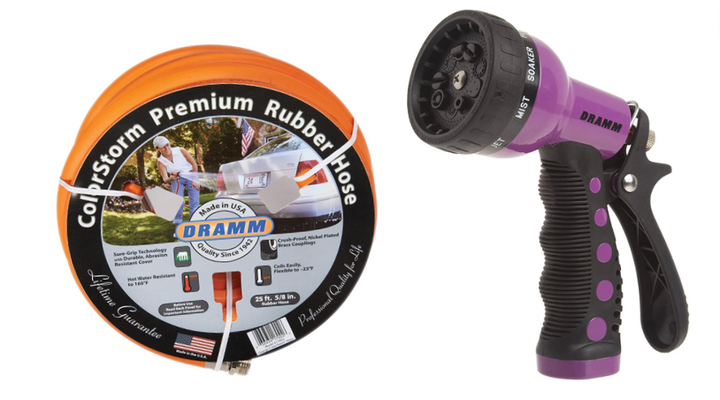
Dramm garden hose and an adjustable nozzle
Another way to control the flow of water (and to monitor how much water you’re using) is to go old school with a hose and adjustable nozzle. Kat Aul Cervoni, founder of Staghorn NYC Landscape Design recommends both hoses and nozzles from Dramm, an American company that offers hoses and nozzles in fun colors.
Hose: $72 at Amazon
Nozzle: $15.62+ at Amazon
Wayfair
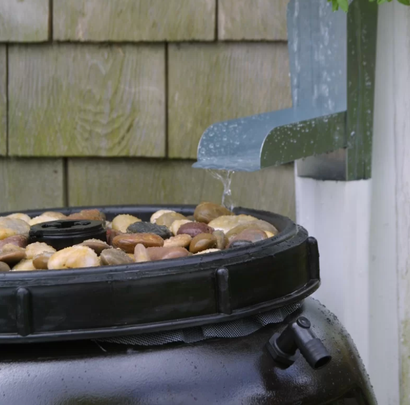
A diverter and barrel to harvest rain water
“Ever notice how much things in your garden, or even your lawn grow after a thunderstorm? That’s because rainwater has nitrogen in it … which is one of the three main macronutrients needed for plants to grow and thrive,” Aul Cervoni said. “Harvesting rainwater [with rain barrels] allows you to water your garden for free, without straining any water sources and with a built-in boost of nutrition as well.”
Aul Cervoni didn’t recommend a specific rain harvesting system but we found this highly-rated option from Wayfair that can hold up to 60 gallons of rain water and easily collects it for you with the metal diverter.
Metal diverter: $55 at Wayfair
Barrel: $113 at Wayfair
Amazon
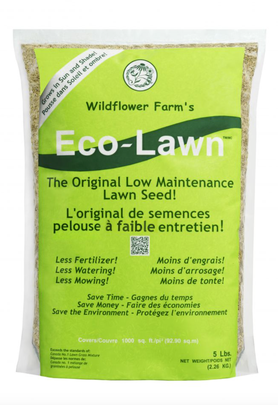
Wildflower’s Eco-Lawn seed
“Keeping a traditional grass lawn looking lush, green, full and free of any weeds, diseases or insect infestations takes an army of resources,” Aul Cervoni said noting how unsustainable that can be. Kunen agreed, explaining that typical Kentucky bluegrass sod — one of the most common lawn grasses — requires a lot of water. “We like to suggest a grass seed called Eco-Lawn, which is grown from seed and installed in the fall. Eco-Lawn requires a lot less water once established and it’s our go-to suggestion for a low-maintenance natural grass,” he said.
$59.99 at Wildflower Farm
Amazon
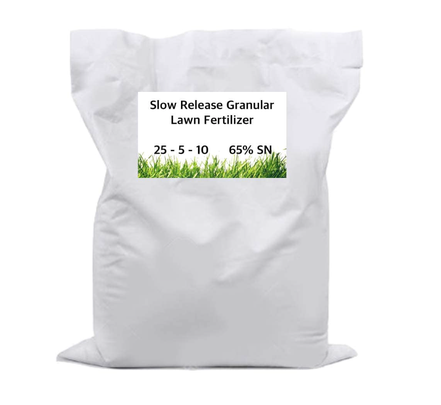
Slow release fertilizers
Both Aul Cervoni and Patrick Farrell, partner at EAS Landscaping LLC in Philadelphia, recommend using organic, rich slow-release fertilizers, instead of something synthetic.
“These build up nutrients in the soil and aid in root growth making for an all-around healthier and more sustainable garden,” Aul Cervoni said. “This also only needs to be applied a few times a season rather than the constant application via watering [that Miracle-Gro requires].”
Promising Review: “I was amazed how easy to spread and the great results.” — DrewNY001
$44 at Amazon
Amazon
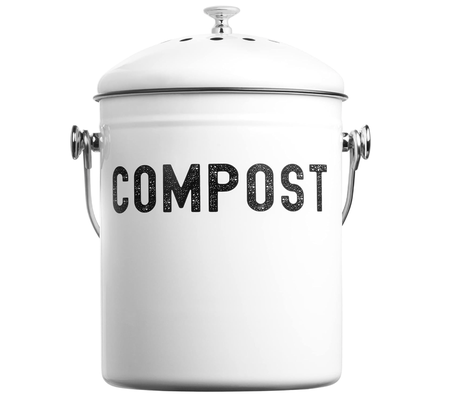
A compost bin
Aul Cervoni and Farrell also both recommend composting at home.
“Composting even just some of your household waste (old [vegetables], egg shells and coffee for example), you’re reducing the amount that goes into the landfill AND getting free garden bed nutrition down the line,” Aul Cervoni said.
Aul Cervoni adds that she knows composting may be a tough sell but notes there are so many types of bins and containers now, many of which offer odor control — like this highly-rated stainless steel option.
$30 at Amazon
Amazon
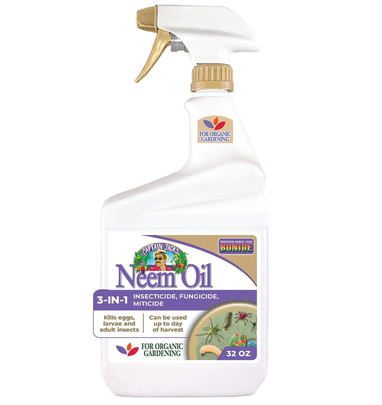
Neem oil spray
Instead of using fungicides and pesticides, Aul Cervoni recommends keeping Neem oil spray around for treating powdery mildew and aphid infestations. It’s safe for indoor and outdoor use and is gentle enough to be used on flowers and edible plants, while still being tough on pests.
$9.59+ at Amazon
Amazon
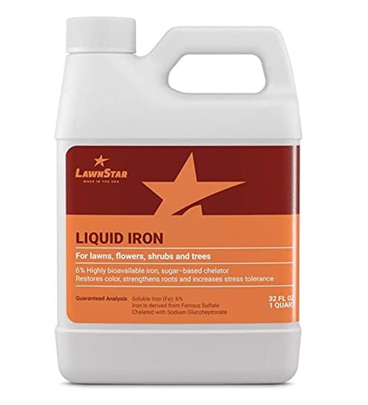
Iron-based weed killer
Farrell recommends organic weed control products, specially concentrated vinegar or iron-based weed killers, which “are both safe for children and pets and are very effective against weeds,” he said.
$18.95+ at Amazon
Amazon
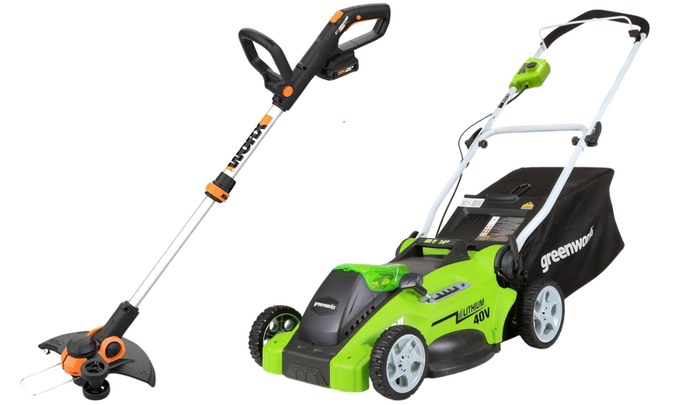
Battery-powered or electric tools
For general lawn maintinance, Aul Cervoni suggests making the swap to battery-powered or electric tools and equipment, instead of gas, which won’t have harmless omissions and often are way quieter.
We love this cordless, adjustable weed wacker that weighs only six pounds and battery-powered lawn mower from Greenworks that lasts for four hours between charges.
Weed wacker: $122.79 at Amazon
Lawn mower: $249.99+ at Amazon
Related…
HuffPost and Yahoo may earn commission from links in this article.
Comments are closed.