
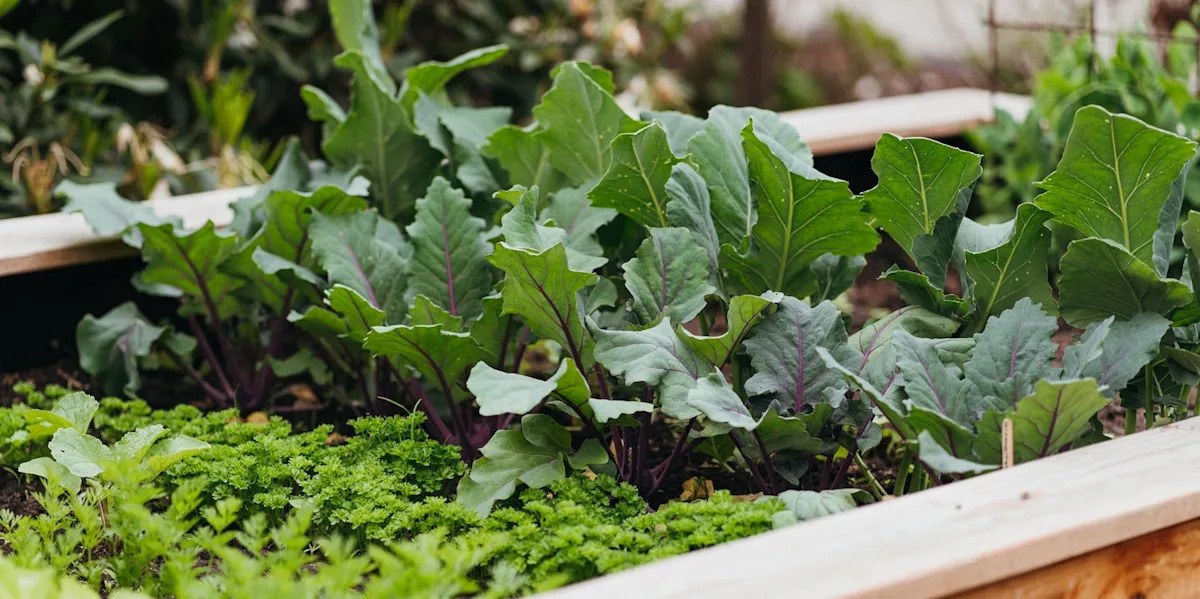
From crowded containers to overlooking soil health, these common vegetable-planting mistakes could be the difference between a thriving harvest and a sad-looking plate of lettuce leaves.
The good news is that even if you’ve made these mistakes, there are still ways to save your veggies before it’s too late.
‘There is something special in the moment when you pick your first vegetables from your own garden. It’s so hard to explain the feeling of satisfaction and contentment that you feel, but it is one of the greatest rewards of gardening,’ says Loren Taylor, owner of Outdoor Fountain Pros. ‘It’s not about achieving perfection but about getting things started on the right foot, and being very patient.’
Take a look at the top vegetable gardening mistakes most beginners make, plus advice on what to do instead.
1. Planting too early
Plant your vegetables at the wrong time, and even the healthiest seeds can struggle to grow.
‘People get excited at the first sign of spring, but if the soil is still cold, vegetables struggle to establish. Waiting until temperatures are more consistent will always give better results,’ says Mirela Bajic, Senior Garden Designer at House Designer.
The best rule of thumb is to wait until after the last frost in your area (usually late April-early May in much of the UK). This is the safest time to plant tender crops such as tomatoes and cucumbers. If you are starting yours off in a greenhouse, then you don’t need to worry.
2. Choosing the wrong soil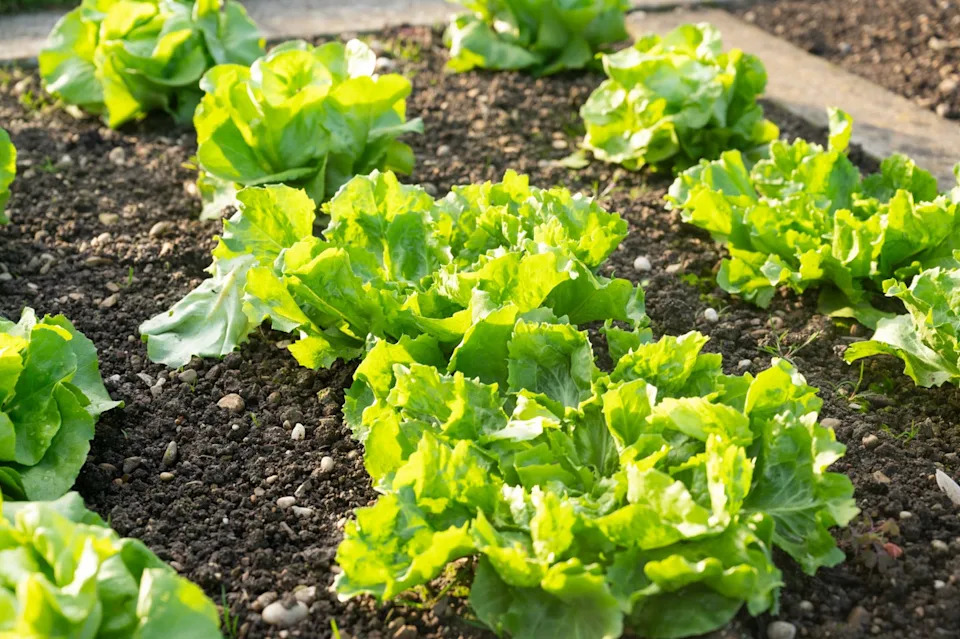
Aitor Diago – Getty Images
Soil sets the foundation for healthy plants, providing essential water retention and necessary nutrients. Choosing the wrong soil is an easy-to-miss mistake that could be quietly ruining your harvest.
‘Good soil is probably the biggest factor. It’s often overlooked, but improving the soil before planting makes everything easier. You get healthier plants and fewer problems later on,’ explains Mirela.
‘Nick Walker, head of agronomy at Florette, agrees, adding: ‘Salads, for example, grow quickly and rely on nutrient-rich soil. Poor soil leads to bland, weak leaves. Mix in compost before sowing to support fast, healthy growth and better-tasting harvests.’
3. Skipping a proper watering schedule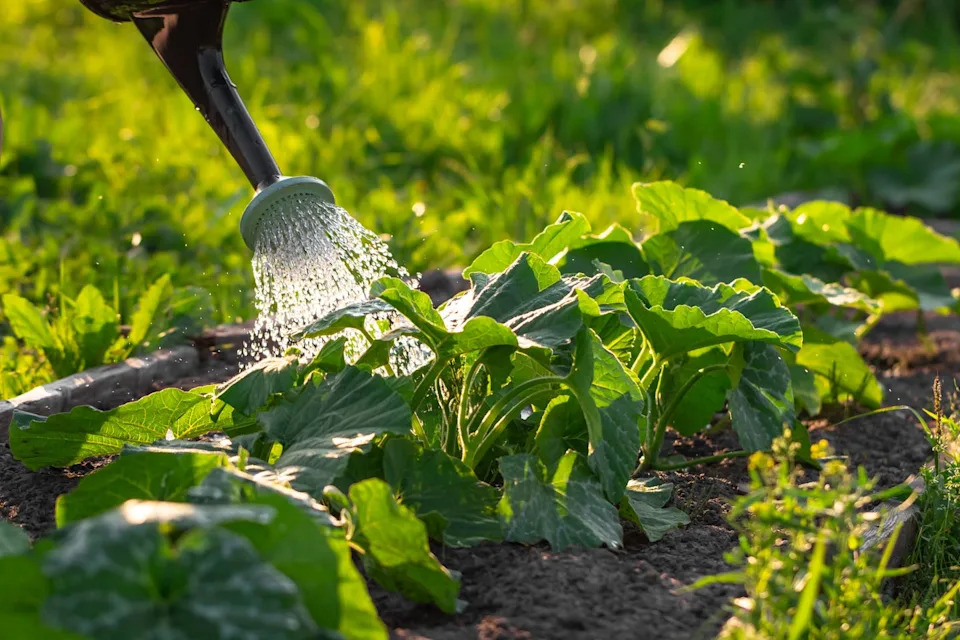
rbkomar – Getty Images
‘Watering tends to be quite reactive,’ says Mirela. ‘Either plants are overwatered or left until they’re clearly struggling. Keeping the soil evenly moist, rather than going from one extreme to the other, is what helps plants grow properly.’
If you’re struggling to keep on top of a watering schedule, Angharad James, Brand Manager at Maxicrop, has a clever solution.
‘Installing a drip irrigation system or soaker hoses will deliver water directly to the roots, reducing the risk of fungal diseases, or you can simply use a watering can and apply water to the base of the plant. Keep an eye out for pests and diseases, and take action early to prevent major problems.’
4. Overcrowding your plants
Vegetables that are too close together compete for light, water, and nutrients, leading to small harvests and leggy growth. According to Mireala, it’s one of the quickest ways to turn a promising veg patch into a disappointing one.
‘One of the biggest mistakes is trying to grow too much too quickly. It’s easy to get carried away, but overcrowding usually leads to weaker plants and more maintenance. Starting with a few crops and giving them space makes a huge difference,’ says Mireala.
Loren Taylor, owner of Outdoor Fountain Pros, says that squeezing more veggies into a crowded plot is never a good idea.
‘I understand the excitement. You want more plants, more food, more results. But when plants are too close, they compete and become weak. Giving each plant a little room to breathe really allows them to grow up strong and healthy.’
5. Not checking drainage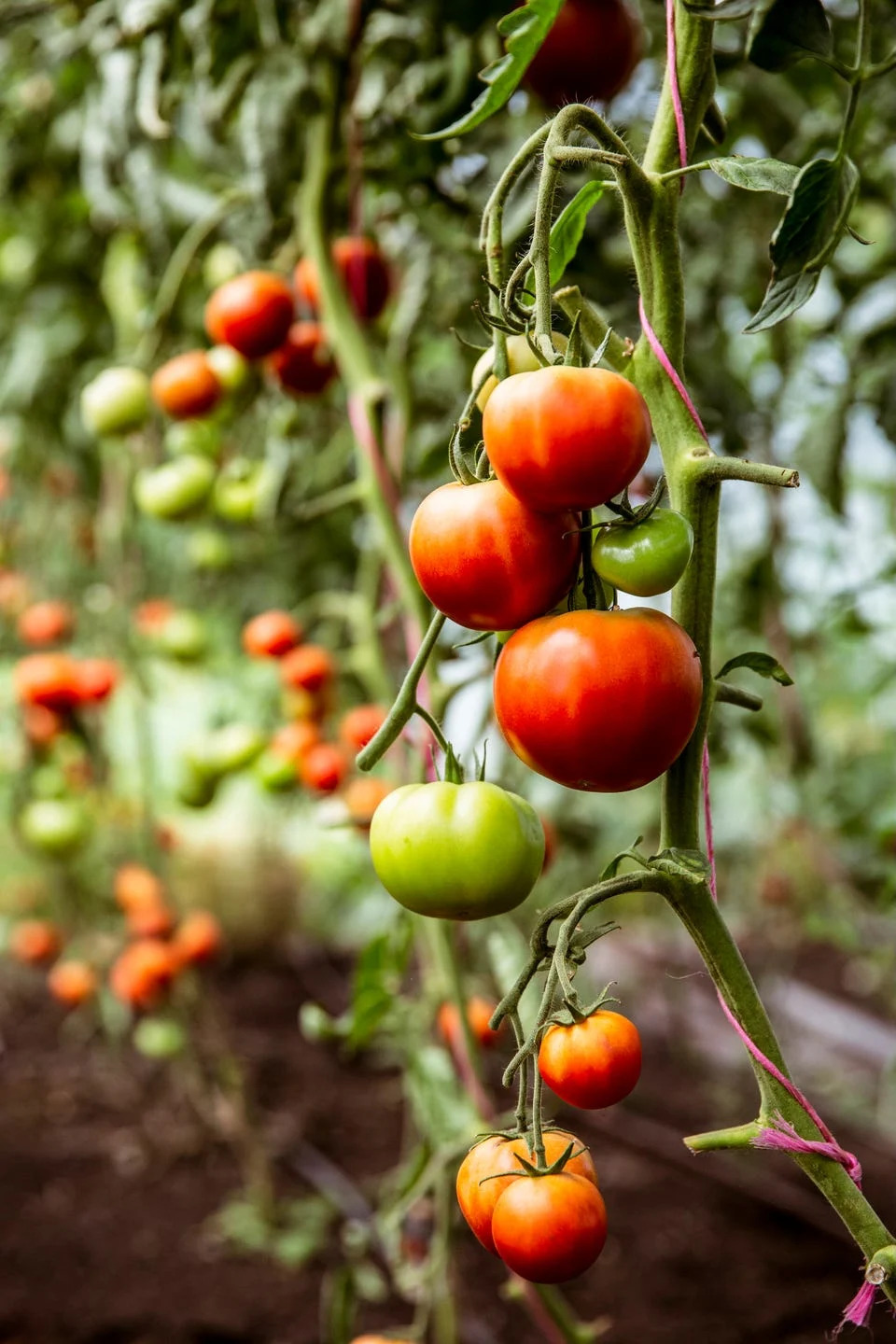
Mint Images – Getty Images
‘Proper drainage is crucial for vegetable growth. If your soil tends to retain too much water, consider adding organic material such as compost or coarse sand to improve the soil’s structure,’ says Angharad. ‘Raised beds or containers with suitable drainage holes can also be a great solution if you have heavy or clay-like soil.’
6. Thinking pots are best
And finally, a simple mistake people make is assuming vegetables grow better in pots and containers.
‘Small pots are actually one of the hardest environments for vegetables to thrive in. In a small container, the soil dries out quickly and the roots have very little room to spread or stabilise,’ says Charlie Barrett, Garden Expert at Shedstore.
‘A far better starting point is planting your vegetables in a small, raised bed or planter. They hold more soil, which means moisture is retained for longer and nutrients remain available in a bigger area, giving roots the space to grow. You also have complete control over the soil mix, allowing you to create the fertile conditions in which vegetables thrive, which is something that’s hard to achieve in a cramped pot.’
Follow House Beautiful on Instagram, TikTok and Pinterest
Grand patio Folding Bistro Set, 3 Pieces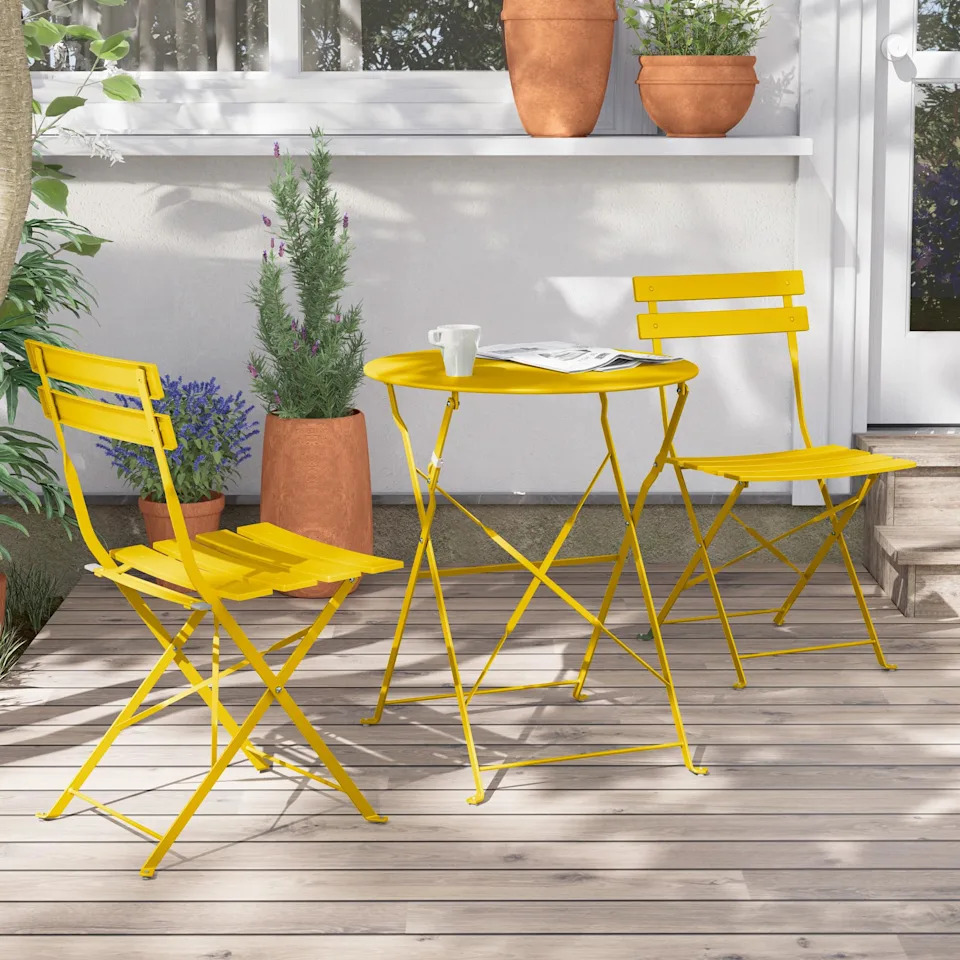
BUY NOW
Grand patio Folding Bistro Set, 3 Pieces
amazon.co.uk
£99.98
Scalloped Edge Smooth Fibre Clay Plant Pot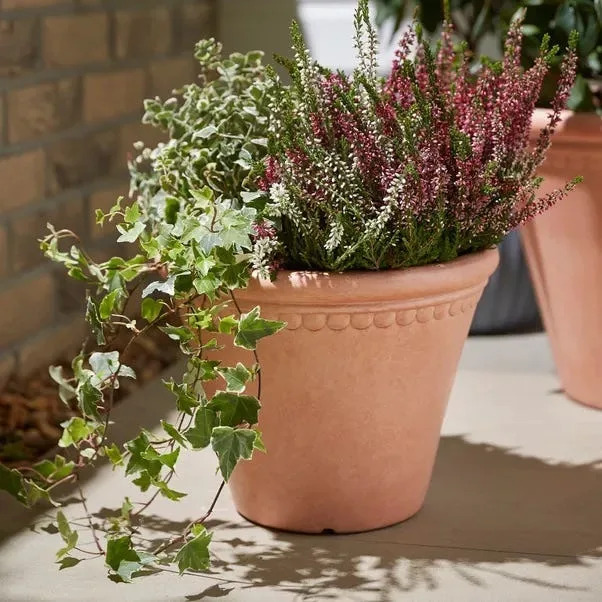
BUY NOW
Scalloped Edge Smooth Fibre Clay Plant Pot
dunelm.com
£25.00
DunelmMarcy 2-Seater Sling Garden Sofa, Greige
BUY NOW
Marcy 2-Seater Sling Garden Sofa, Greige
John Lewis
£279.00
John LewisGsycle Gsycle Watering Can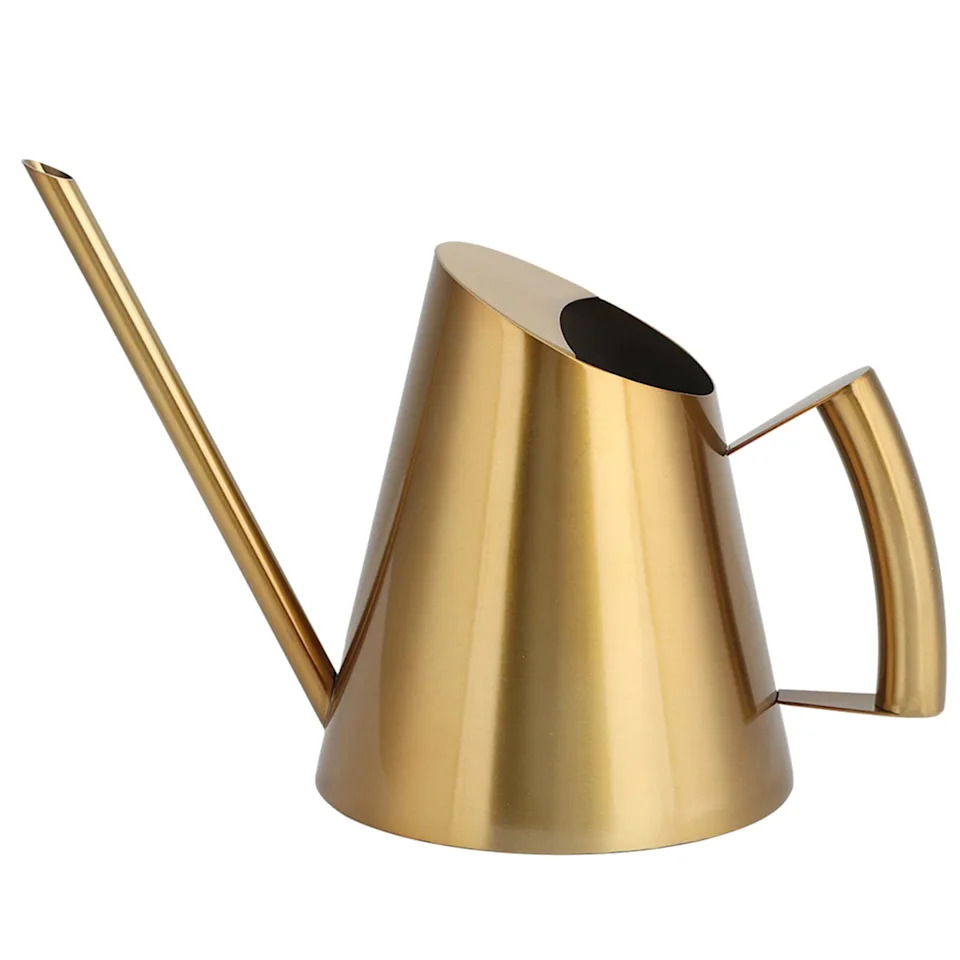
BUY NOW
Gsycle Gsycle Watering Can
amazon.co.uk
£18.19
Amazonnex Natural Pebble Outdoor Solar Light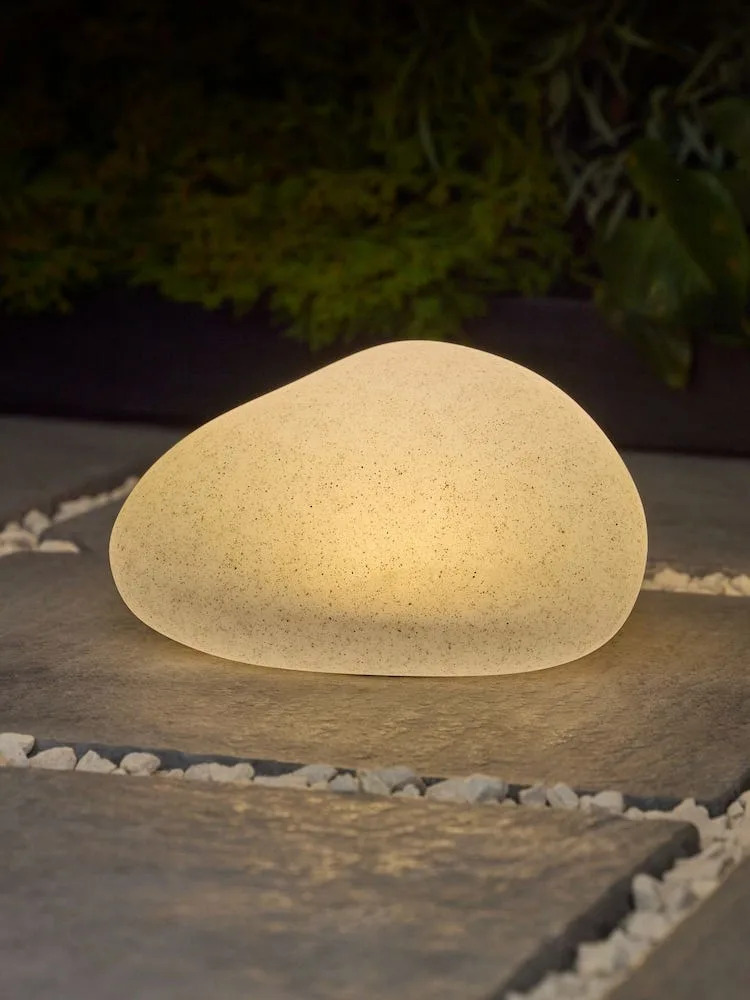
BUY NOW
nex Natural Pebble Outdoor Solar Light
next.co.uk
£15.00
NextDibor Dibor Dining Chair Seat Pad Set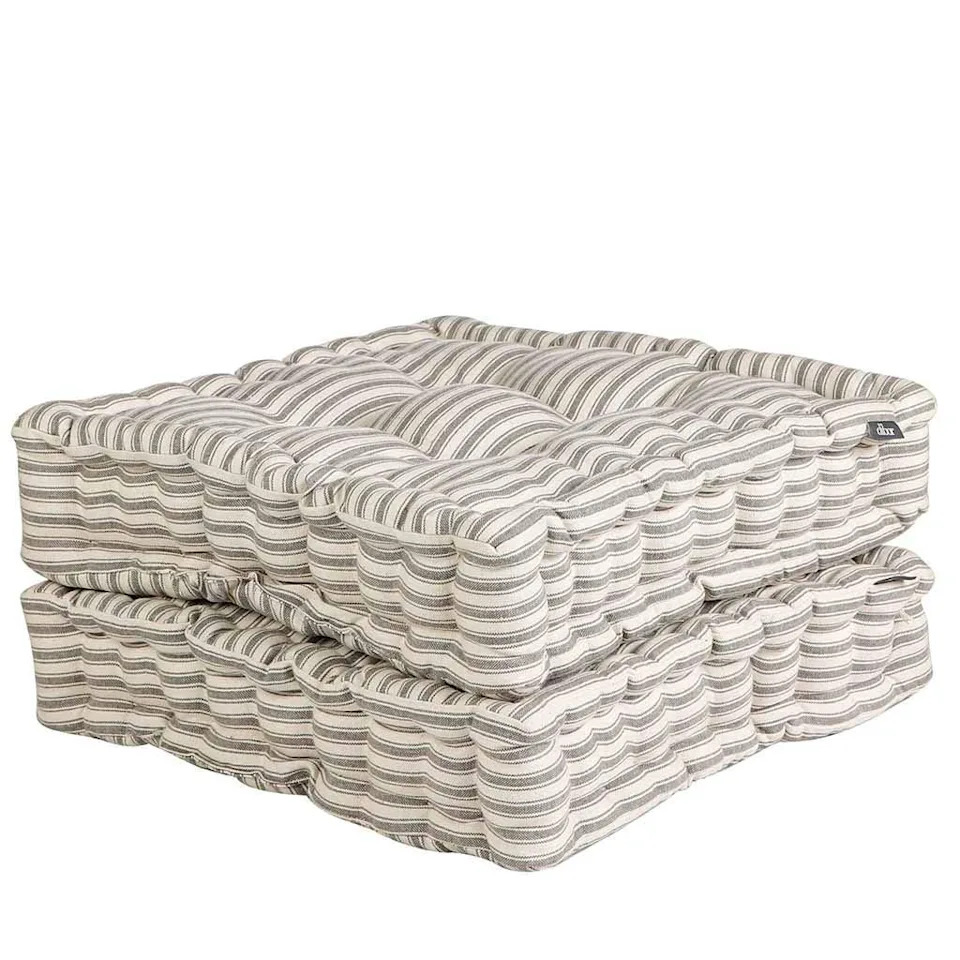
BUY NOW
Dibor Dibor Dining Chair Seat Pad Set
amazon.co.uk
£26.00
Amazon
Comments are closed.