
Are you dreaming of adding a peaceful water element to your Japanese garden but not sure which one fits your style best? Whether you’re drawn to the vibrant life of a mini koi pond or the meditative sound of a still water basin like a suikinkutsu, this video will help you discover the ideal choice that aligns with your soul, your space, and your spirit.
In this immersive 60-minute journey, we gently guide you through the core differences, emotional experiences, and aesthetic nuances of two iconic Japanese garden water features: the ever-popular koi pond and the lesser-known but deeply soothing suikinkutsu. Each minute of this video offers a serene reflection to help you understand the deeper meaning and sensory impact of both water features—so you can create a garden space that truly resonates with your inner calm.
What You’ll Learn in This Video:
From design considerations to spiritual symbolism, we explore:
The emotional impact of koi pond vs suikinkutsu
The role of sound, movement, and silence in Japanese garden design
How koi ponds engage your eyes and invite interaction
Why suikinkutsu is considered the “hidden voice” of the garden
How each water feature fits into small or large spaces
Maintenance needs and long-term care for each feature
How your garden’s light, shade, and layout affect your choice
Cultural origins and meditative purpose behind both features
How to reflect your personal energy through water design
Whether you’re planning a DIY backyard project, working with a landscaper, or simply seeking inspiration, this video offers tranquil guidance from a design and emotional perspective.
Mini Koi Pond: Living Art in Motion
The mini koi pond is often considered the heart of a Japanese garden. Its surface becomes a mirror for the sky, while its inhabitants—koi fish—glide beneath in a living dance of color. A koi pond reflects change, life, and interaction. It’s perfect for those who enjoy nurturing animals, appreciate visible movement, and want a vibrant centerpiece for their outdoor space.
It’s also a great way to add biodiversity, color, and gentle movement to your backyard or courtyard. But koi ponds do require attention. Filtration, feeding, and seasonal care are all part of the experience. If your soul feels refreshed by routine and interaction with life, a mini koi pond might be exactly what your garden needs.
Suikinkutsu: The Sound of Stillness
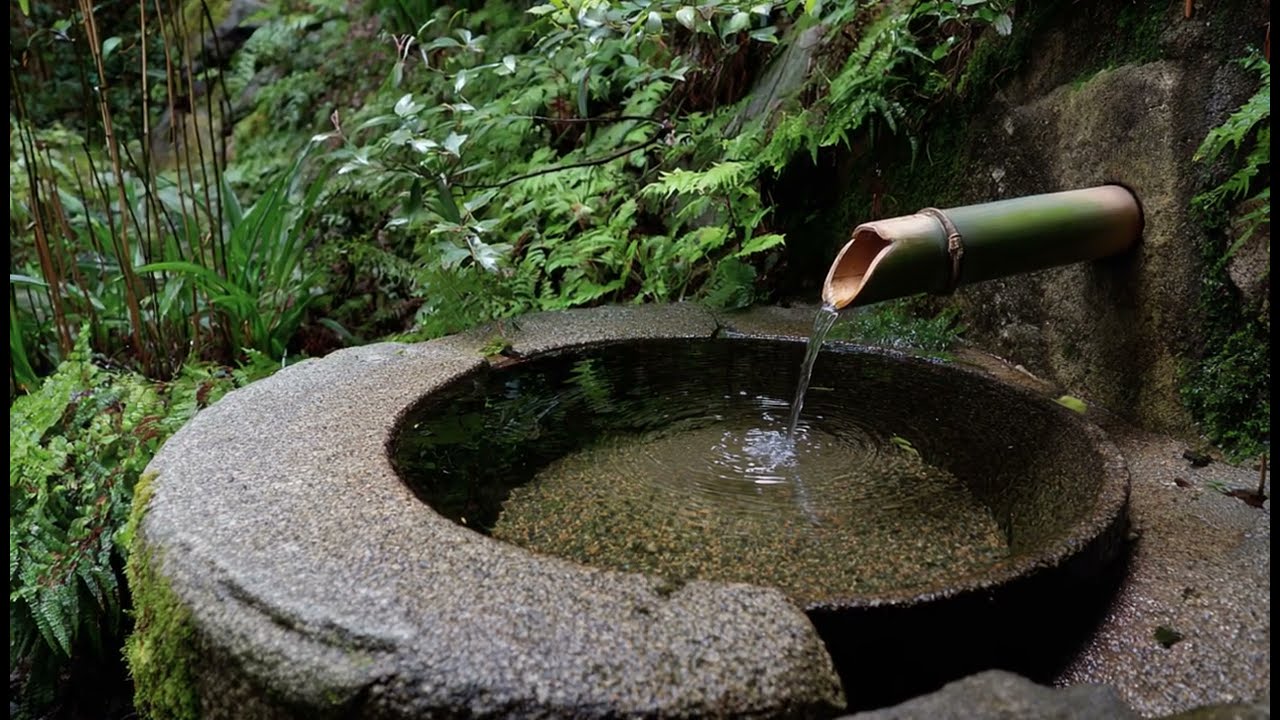
By contrast, a suikinkutsu is almost invisible. At first glance, it’s just a still water basin beneath a bamboo spout. But listen closely. As water drips into an underground chamber, it creates a soft, bell-like tone—pure, calming, and timeless. The suikinkutsu offers solitude and subtlety. It rewards presence and stillness. There’s no maintenance beyond the initial design and a gentle rinse now and then.
If you seek a meditative garden space, where sound is the main character and mystery plays a role, a suikinkutsu may be the more meaningful choice. It’s often used in tea gardens, near pathways, or in tiny courtyards where space is limited but mindfulness is welcome.
Why This Video is Different
Unlike typical how-to videos or surface-level comparisons, this 60-minute narration is designed to slow you down. With each scene, you’ll be guided to imagine, listen, and feel the essence of each water feature—not just analyze their costs or trends.
You’ll hear poetic, detailed imagery that helps you visualize exactly how a Japanese garden water feature can transform your outdoor space—whether you live in a city, suburb, or rural setting. This is storytelling, meditation, and garden design advice combined into one relaxing video.
Who This Video Is For
This video is ideal for:
Gardeners planning a Japanese garden design
Homeowners considering a koi pond or suikinkutsu
Landscape designers seeking mood board inspiration
Meditation and Zen enthusiasts
DIY backyard designers
Anyone looking to add a meaningful water feature to their home
Whether you’re a minimalist or a lover of nature’s abundance, you’ll find peace and purpose in this video as you explore the beauty of water. #garden #gardendesign #japanesegarden #zengarden
Comments are closed.