
1Arum lily (Arum maculatum)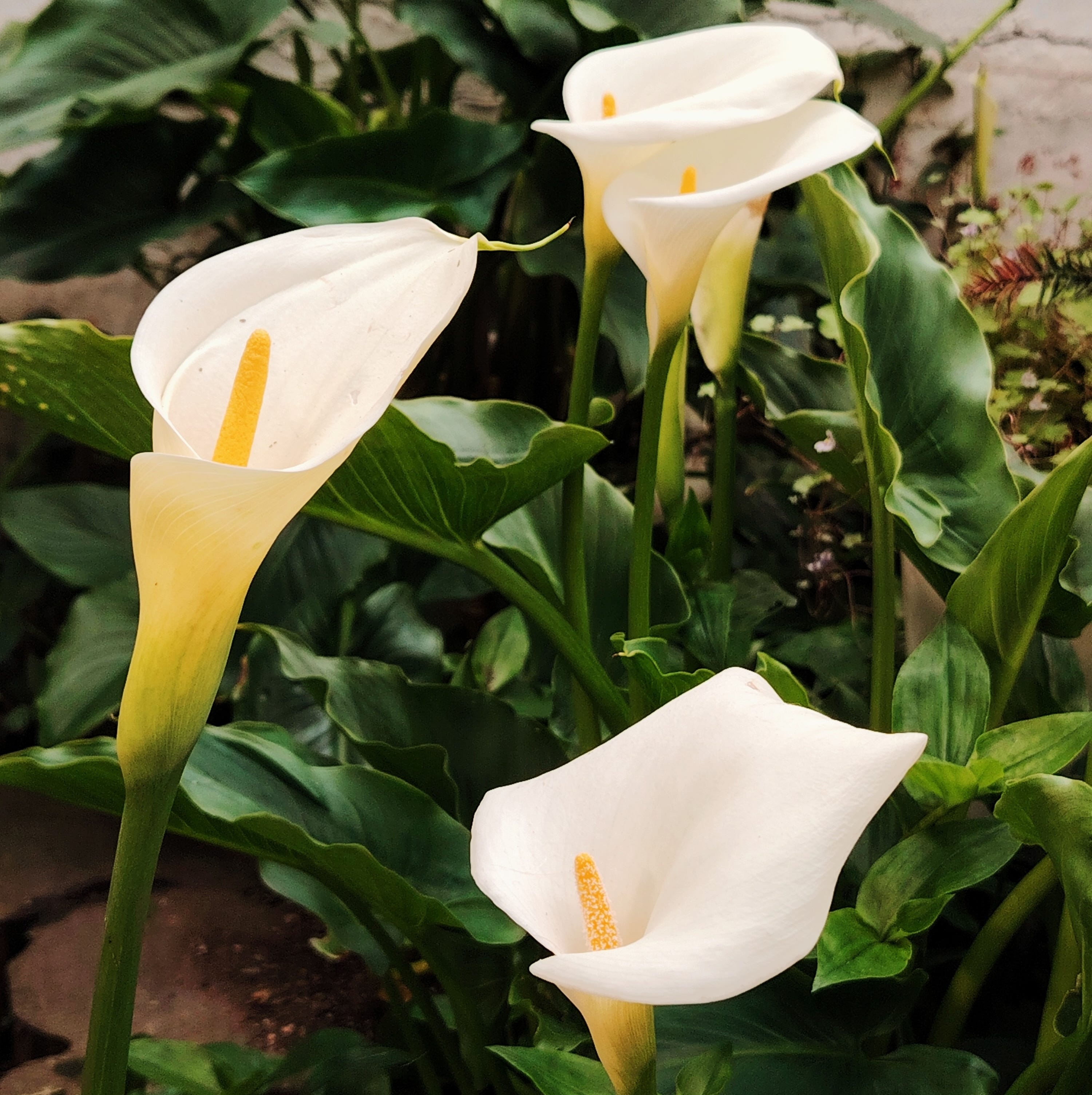 Romina Ortega
A familiar sight in UK woodlands and even sophisticated wedding bouquets, this native plant has a sculptural, elegant look. Up close, however, its flowers give off a faintly unpleasant, almost rotting scent designed to attract pollinating insects.
Worth it? Yes, but it’s best left in wild corners of the garden and (sorry) excluded from bridal posies!
2Valerian (Valeriana officinalis)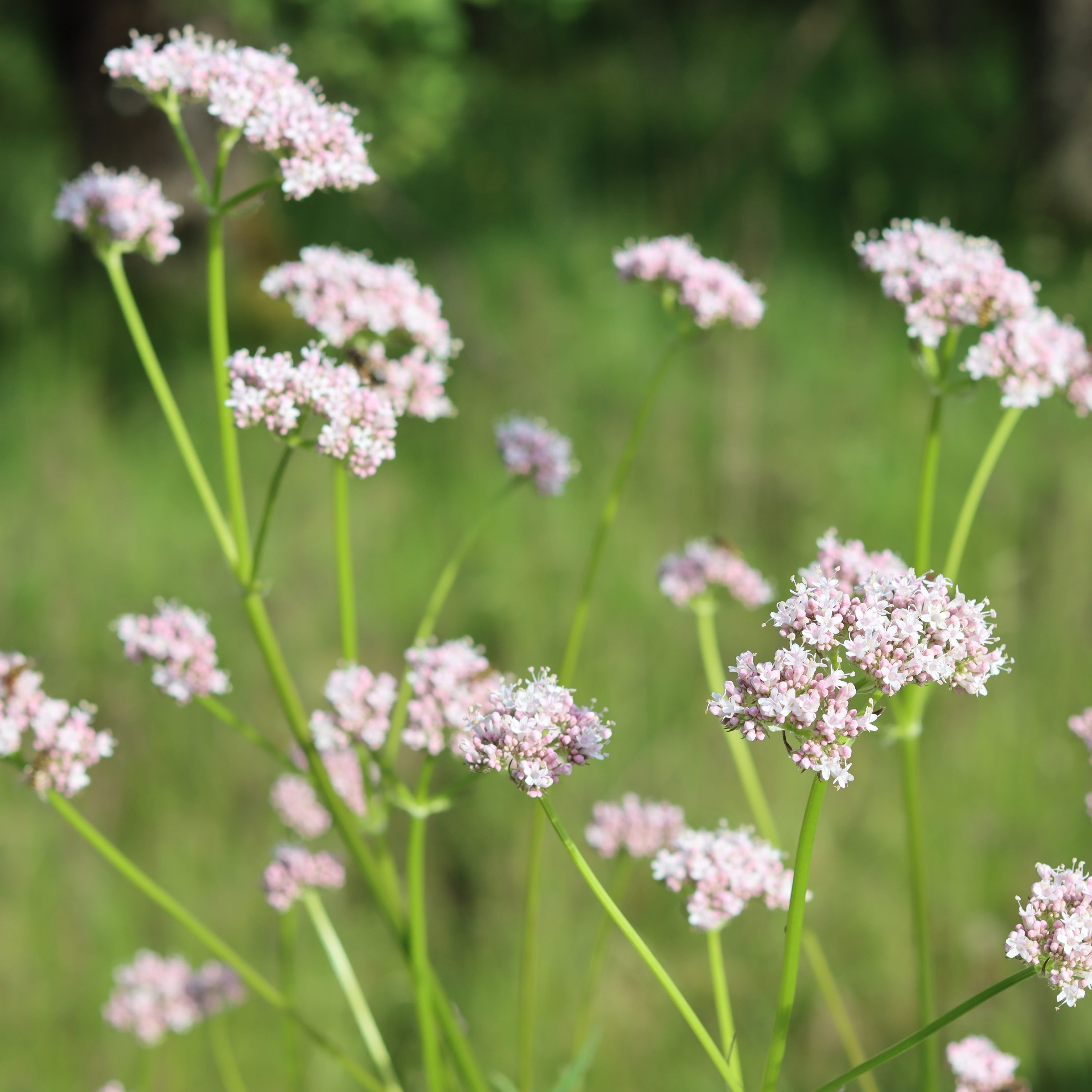 getty images
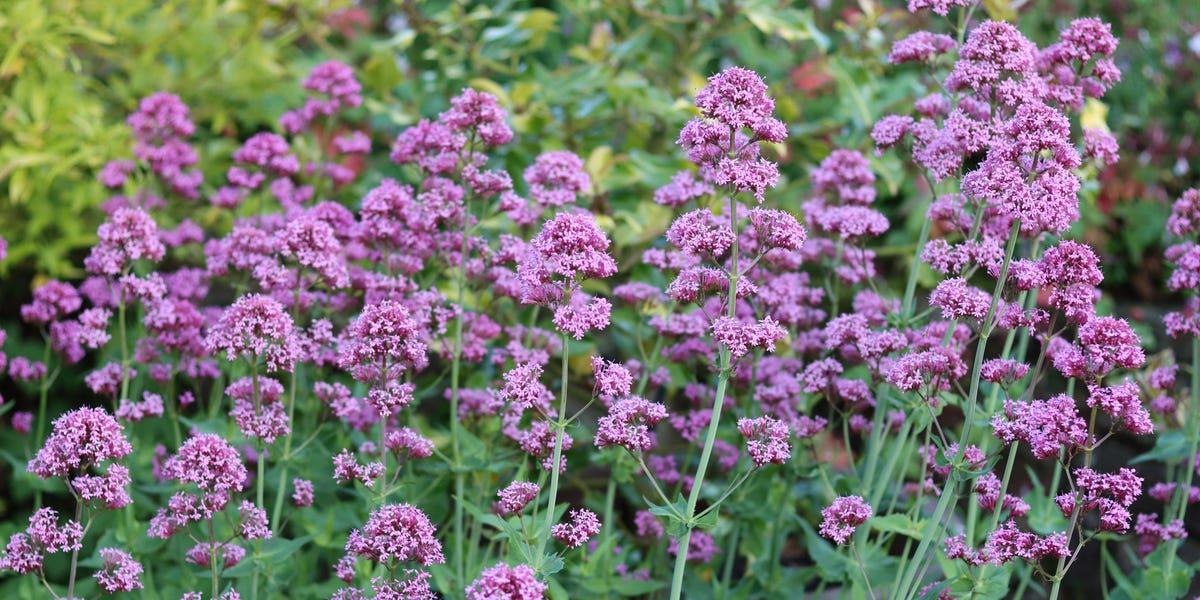
Despite the prettiness of its sweet little bloom clusters, this English meadow favourite is well-known for producing a pungent, rank odour, often likened to old, sweaty socks. This scent is particularly strong in the root, but also in the flowers.
Worth it? Lovely in a naturalistic planting scheme, but its scent may not suit every garden setting. Plant with care…
Advertisement – Continue Reading Below
3Paperwhite narcissus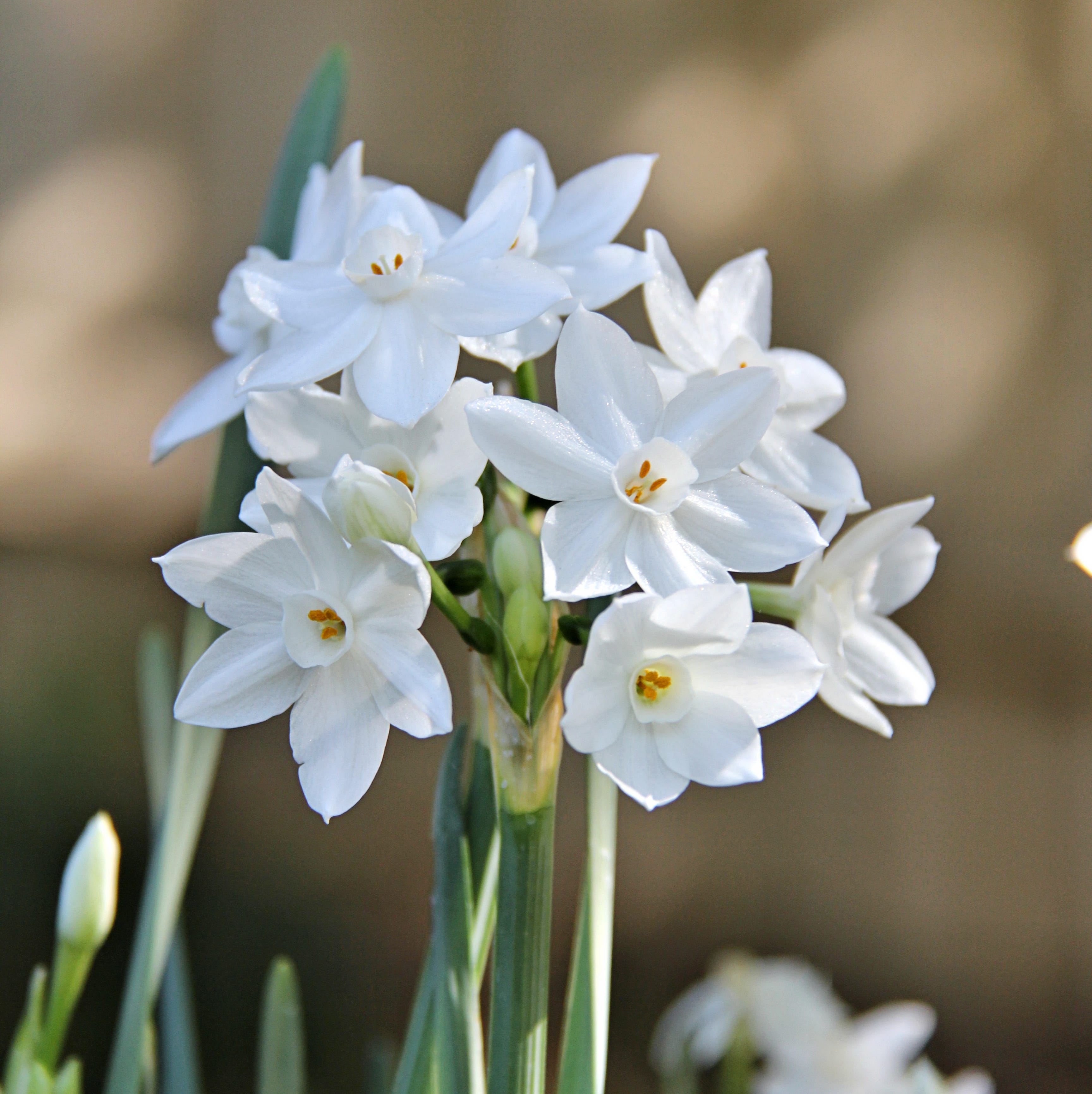 Photography by Alexandra Rudge
Delicate and elegant, paperwhites are often grown indoors for their winter blooms. Their fragrance, however, can be divisive – some find it heady and floral, others overwhelmingly sharp, and even adjacent to urine.
Worth it? Absolutely – they’re just too pretty to abandon – but best enjoyed in a well-ventilated space rather than a small room.
4Bradford pear tree (Pyrus calleryana ‘Bradford’)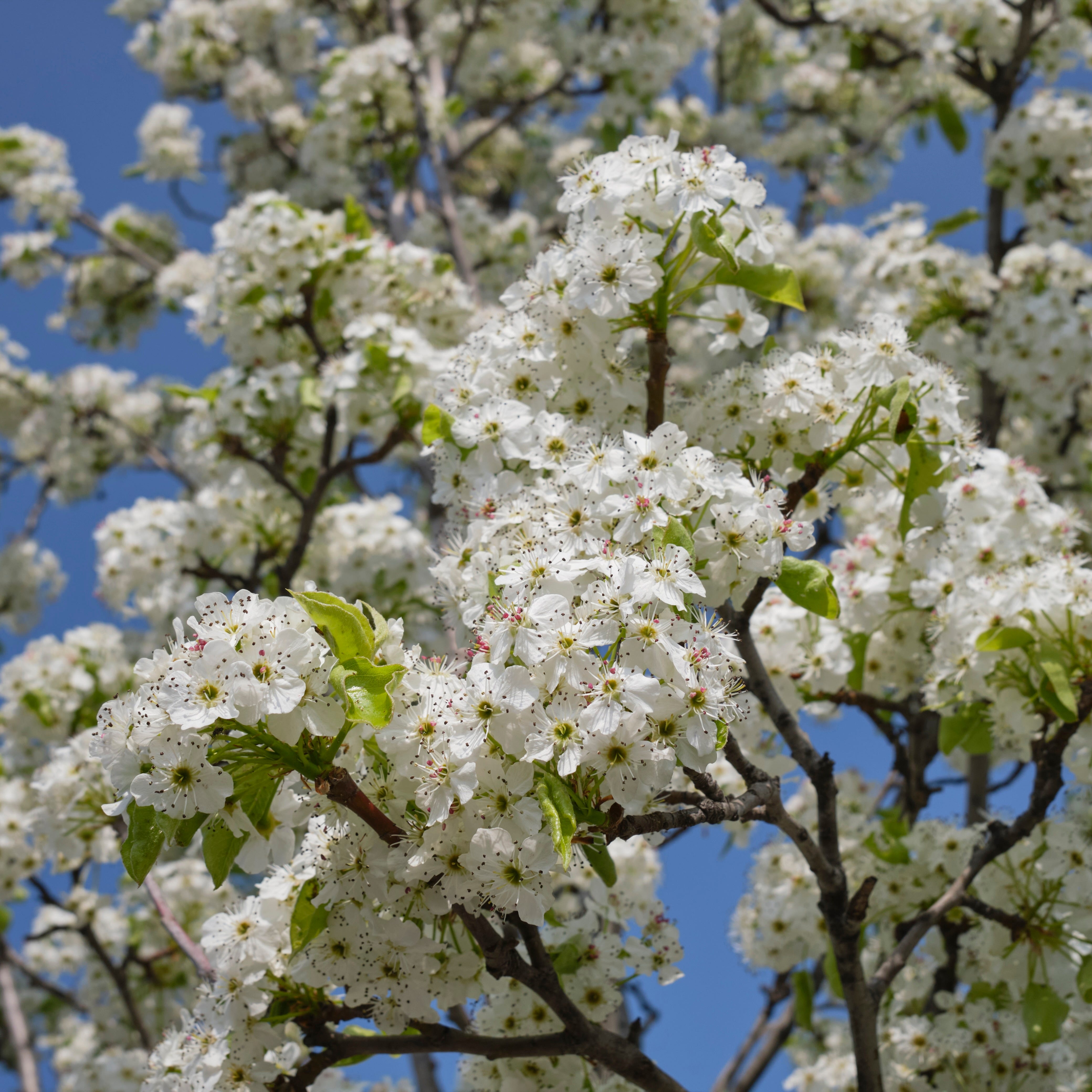 seven75
Beloved for its glorious, frothy blossoms and planted throughout the UK, Bradford pear tree flowers often give off a strong, unpleasant scent likened to – wait for it – rotting fish, or sometimes stagnant water.
Worth it? Yes, with distance! Stunning in spring, but perhaps not one to plant right outside the kitchen window.
Advertisement – Continue Reading Below
5Stinking iris (Iris foetidissima)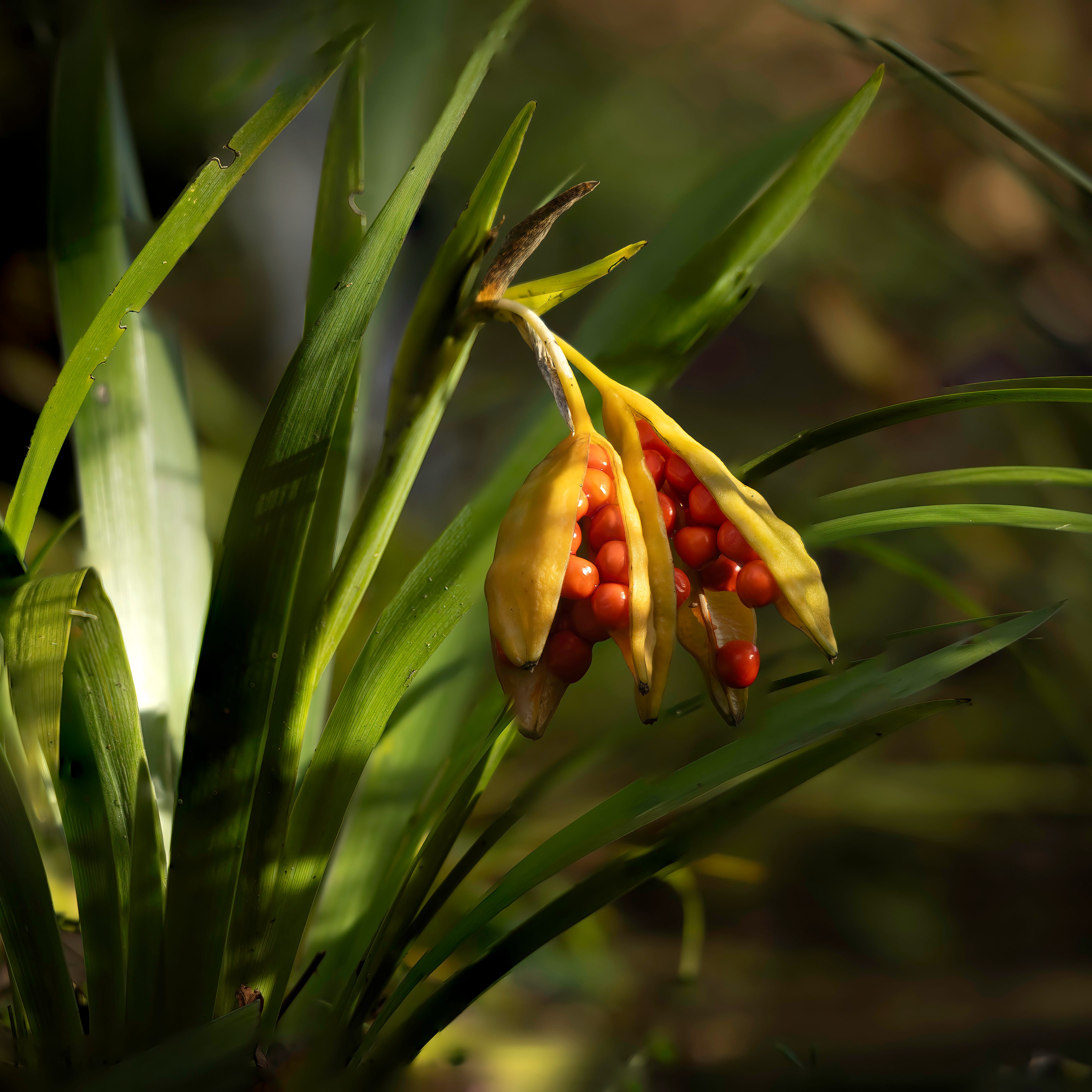 Steve Adams
Native to the UK, this iris has crinkled flowers and vibrant fruit, but it’s best known for the rancid, beef-fat smell its leaves release when bruised. So reluctant to be touched by humans is this smelly flower, that its ripe fruits are poisonous to us, though not to birds – in fact, it’s considered a valuable food source for British wildlife.
Worth it? Surprisingly, yes! The bright orange seeds in autumn are beautiful and long-lasting, as well as helping wildlife during a potentially vulnerable season.
6Crown imperial (Fritillaria imperialis)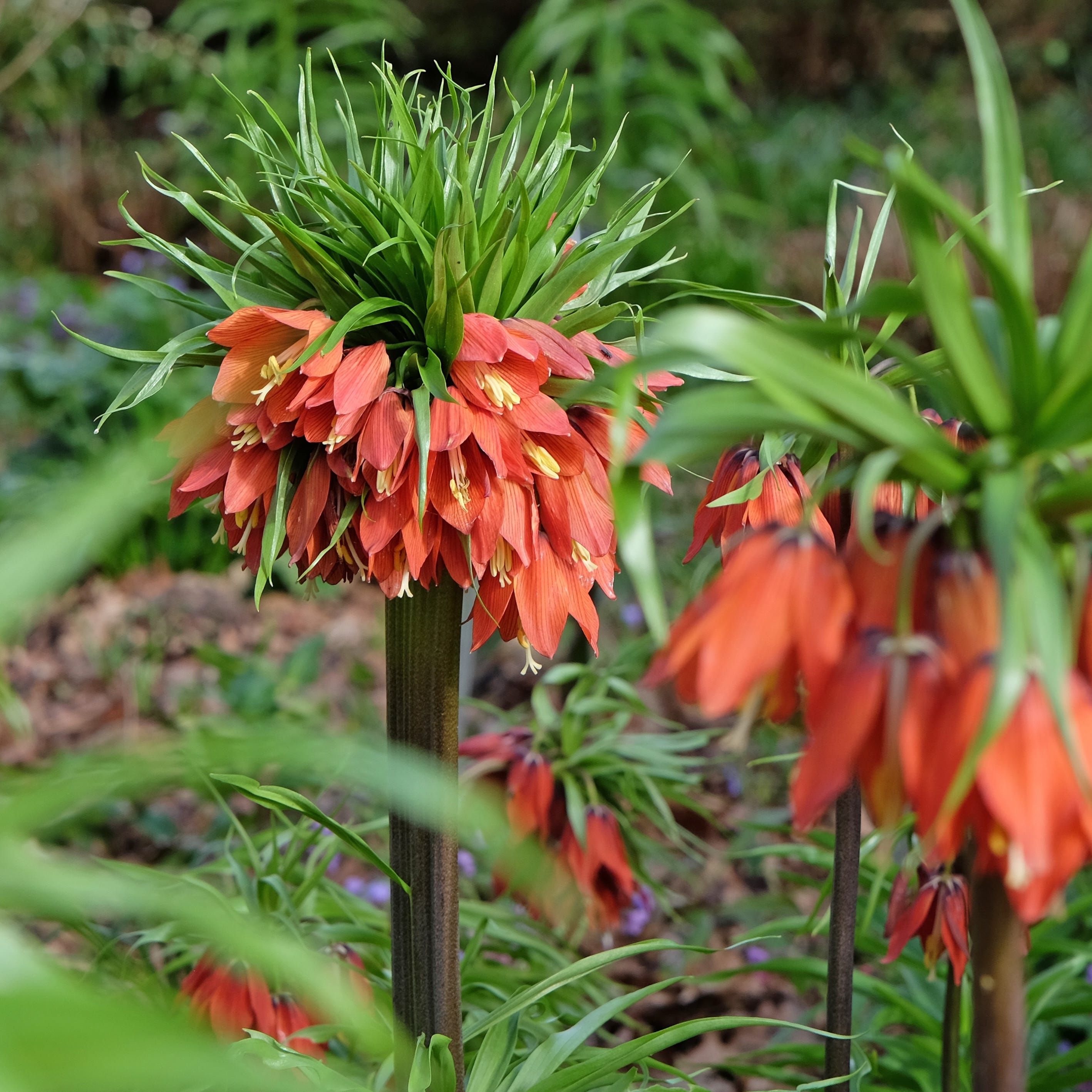 Alex Manders
With its striking, lantern-like blooms and regal height, crown imperial is a true statement plant for spring borders, and a popular bulb choice for many gardeners. But get too close and you’ll notice its distinctly musky scent, often compared to fox or damp fur.
Worth it? Yes, if planted towards the back of a border where its scent won’t linger by paths or seating.
Advertisement – Continue Reading Below
7Society garlic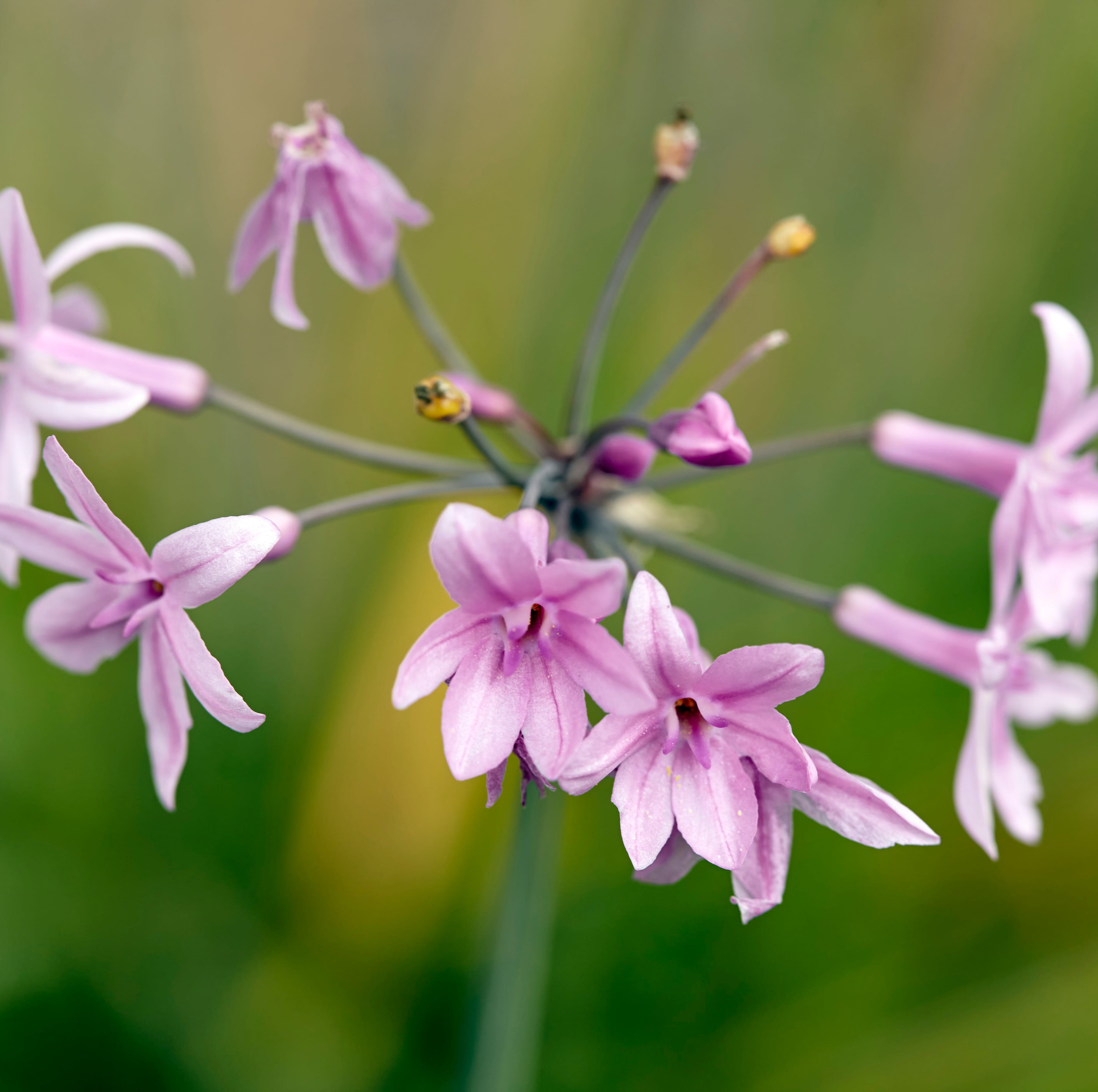 Sabrina Vollnhals
While most of us would acknowledge how anti-social garlic can smell (especially on a lunch break at work), we might make an exception for the winsome smell of wild garlic in a woodland when it comes into season in mid-spring. Society garlic is another story –emitting a very strong garlic odour, especially when the leaves are touched or after a warm rain, it threatens to overpower even garlic superfans.
Worth it? Best planted well away from paths and seating areas, unless you’re particularly fond of a lingering garlic scent.
8Common box (Buxus sempervirens)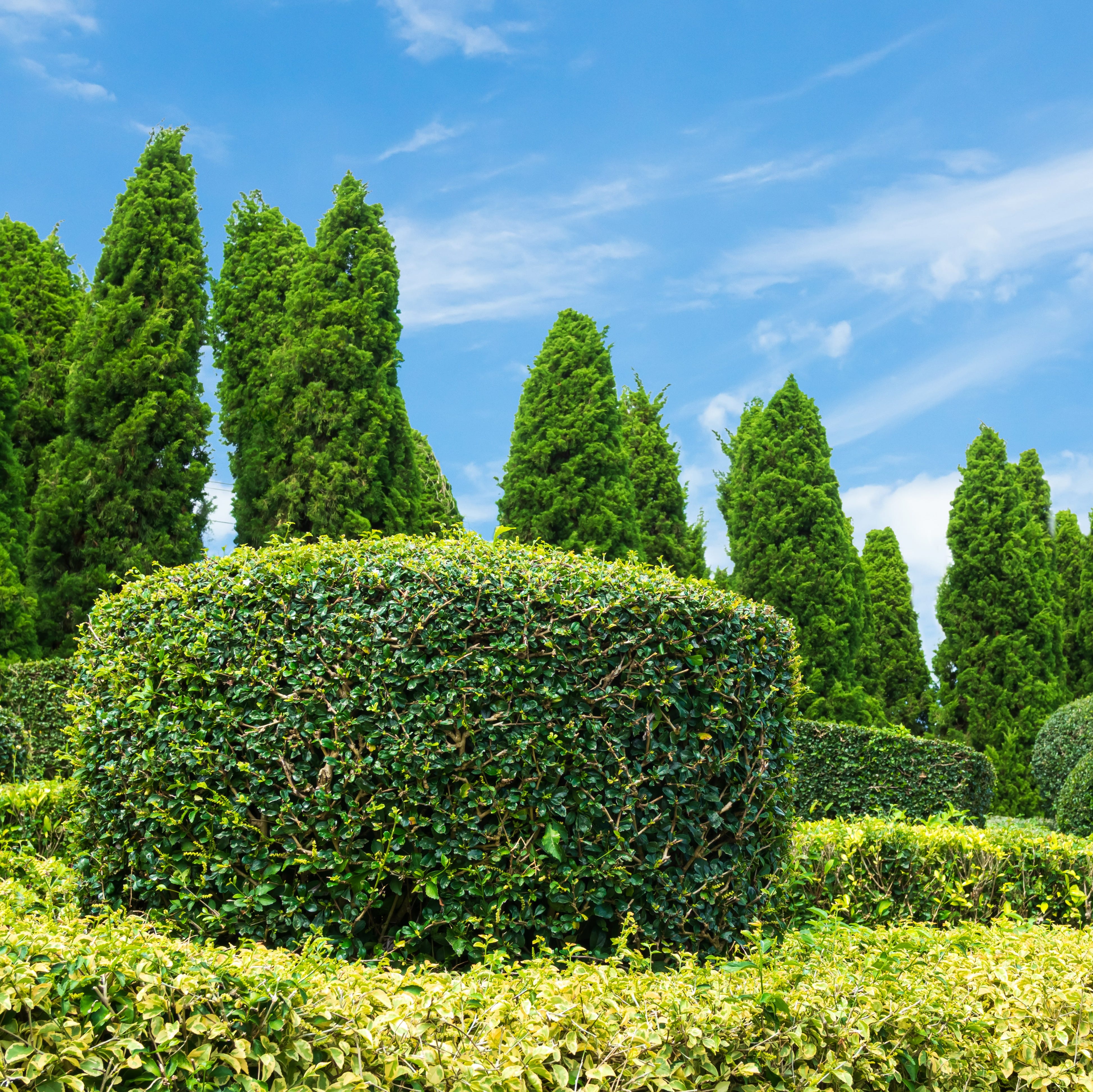 wing-wing
Also known as English boxwood, while this plant is not technically a flower, it is a staple for hedging in many British gardens. Unfortunately, the English boxwood releases a very distinct, pungent aroma that many complain smells like cat urine, particularly after rain.
Worth it? Yes, with caution; it’s a classic for structure and year-round greenery, but best kept trimmed back and far from doorways!
Advertisement – Continue Reading Below
9Titan arum (Amorphophallus titanum)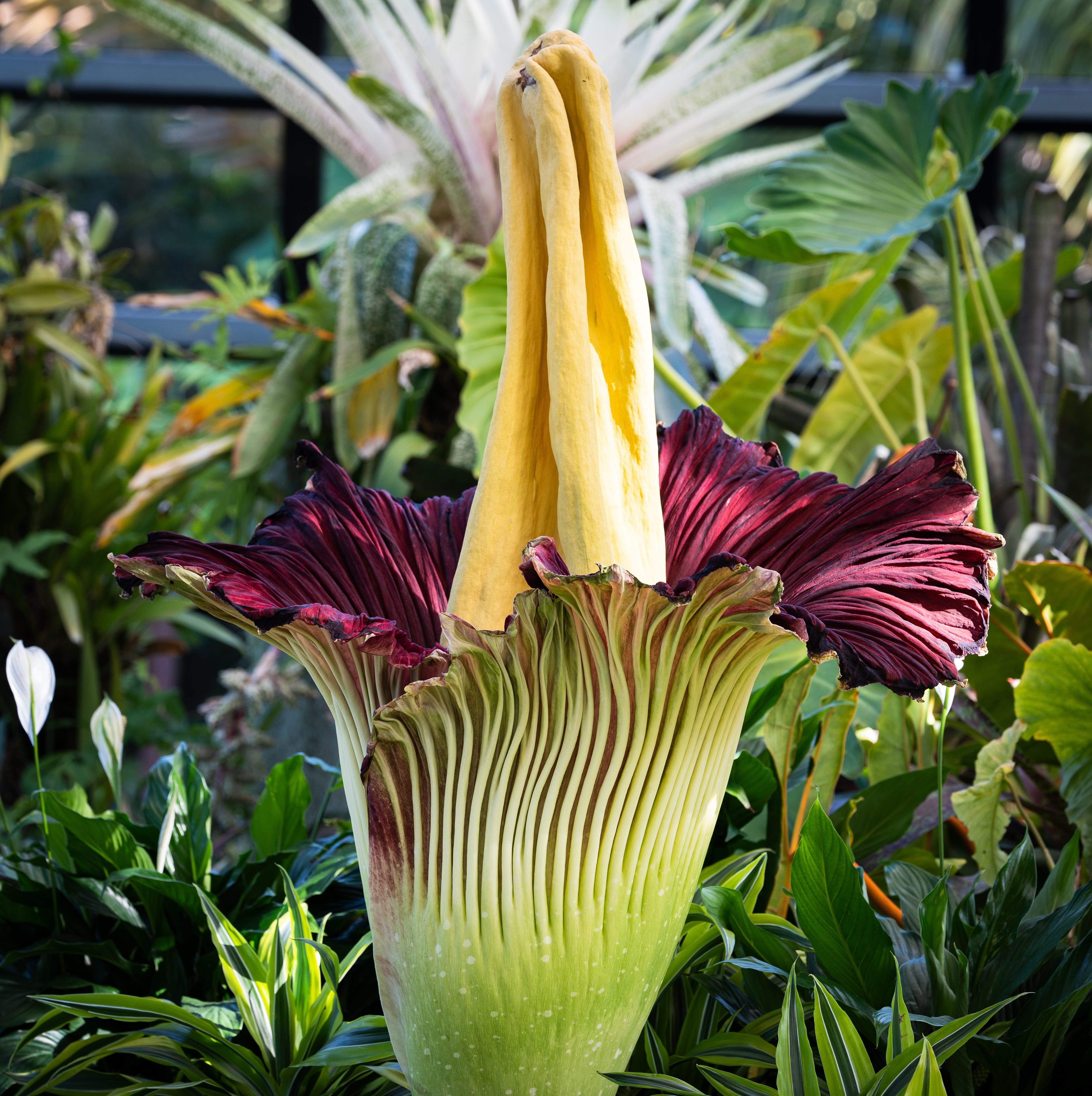 caliburn103
While this isn’t one you’ll plant at home (unless you’ve got some pretty specialist equipment), we had to give an honourable mention to Titan arum. Evocatively known as the ‘corpse flower’, this plant produces the world’s largest unbranched inflorescence and emits a powerful but putrid stench of rotting flesh.
Native to the rainforests of Sumatra, this rare and endangered oddity blooms occasionally at major UK botanical sites like Kew Gardens – you can check out Kew’s current corpse flower on Instagram where horticulturists have been scrupulously monitoring its bloom.
Worth it? No! Leave it to the pros… though it might be worth popping for a whiff of the one at Kew (we can’t help our curiosity).
10Dragon lily (Dracunculus vulgaris)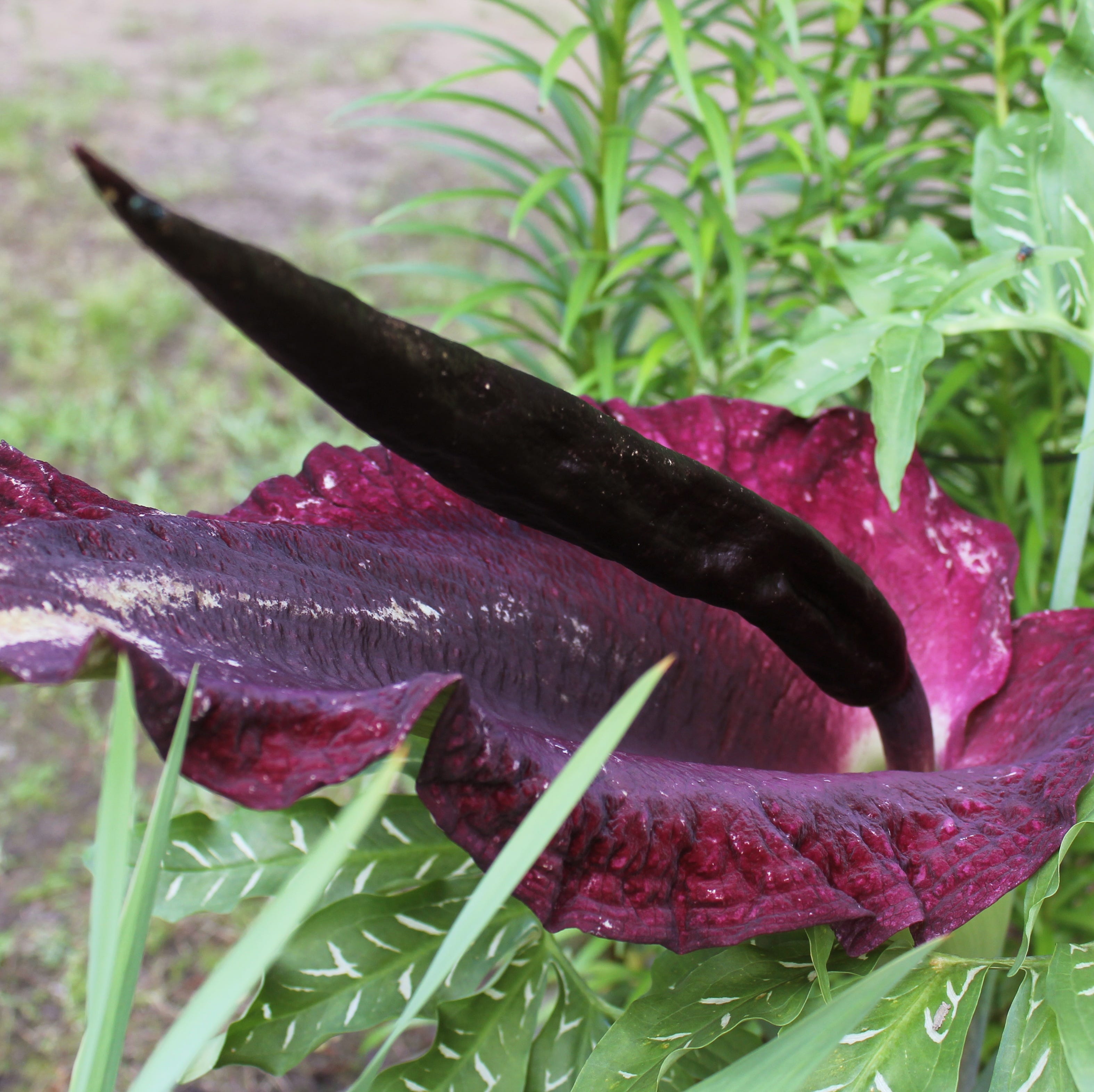 Marti157900
Commonly cultivated in UK gardens – particularly as an exotic, architectural plant in coastal areas – this plant thrives in full sun and produces a large, dark-purple spathe that, much like the corpse flower, smells exactly like carrion (rotting meat).
Worth it? Probably not, unless you’re a collector or a botanical garden patron. Its powerful carrion scent makes it better suited to specialist collections.
 Maddy Ando
Homes Writer, House Beautiful and Country Living
Maddy is the Homes Writer at House Beautiful UK and Country Living UK, where she can be found writing about the latest interiors news and collating inspiring trend edits. She has previously worked for Good Housekeeping, Prima and Red, and has an MA in Classics and Ancient History from the University of Manchester and a BA in English Literature and Creative Writing from the University of East Anglia, where she was the editor-in-chief of the student newspaper.
Advertisement – Continue Reading Below
Advertisement – Continue Reading Below
Advertisement – Continue Reading Below
Comments are closed.