
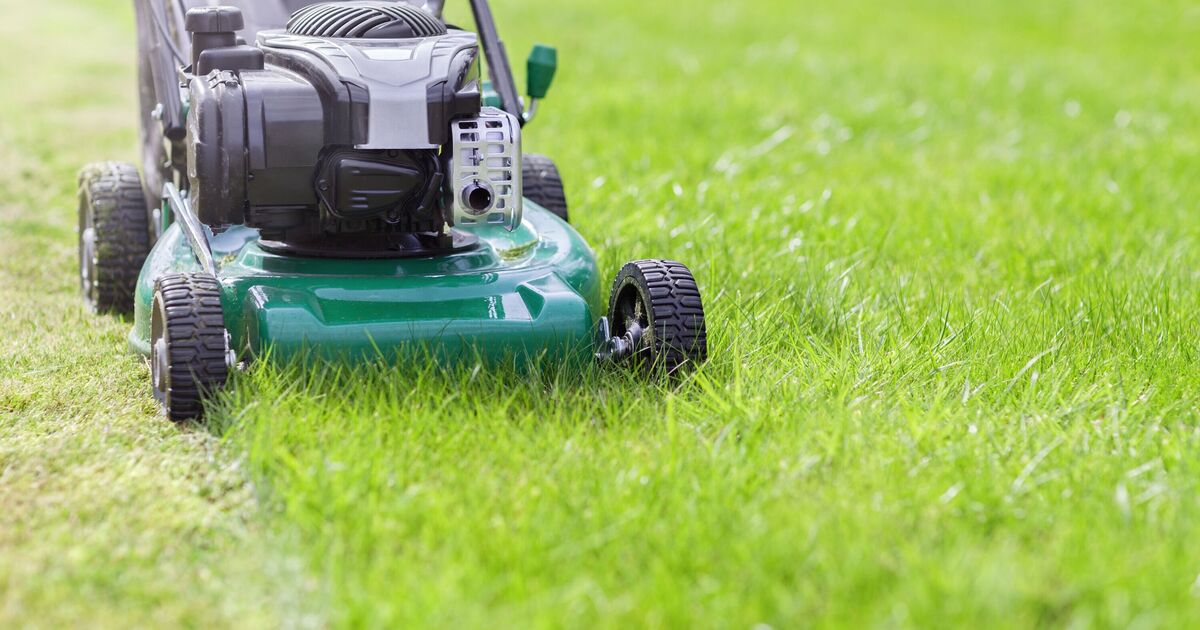
Mowing your lawn is bad for your garden, say experts (Image: Getty)
Gardeners up and down the UK are being warned not to mow the lawn from Friday, May 1 until July.
A neat and tidy lawn is a goal for many households lucky enough to have a green space, but a campaign which has gathered momentum in recent years is calling on people to stop cutting the lawn in May at all, in a bid to help crucial pollinators survive an increasingly hostile environment.
According to the Royal Society for the Protection of Birds (RSPB), the best thing you can do for your garden, and the things living in it, is not to cut the lawn at all until July.
The RSPB’s guidance is enshrined in the growing No Mow May movement which is also increasingly being followed by local councils leaving the grass to grow in May in their public spaces.
The RSPB’s guidance says: “Mowing your lawn less saves you time and makes a big difference to the wildlife in your garden. Create a mini jungle for beetles and other small creatures to wander and where sparrows and goldfinches can come to feed on the seeds.
: Spring spider season begins as UK households urged to leave 1 item on windowsill
: Gardeners told not to install artificial grass in garden for stark reason
“The grasses will set seed, wildflowers can bloom and provide nectar, and the longer stems will create a sheltered microclimate. Avoid using strimmers too, as they can injure hedgehogs, frogs and insect larvae. If you can resist mowing your lawn until late summer, this will mimic the hay meadows of old.
“If you want to have a bigger impact for wildlife, don’t mow your lawn at all until early July. Then mow as normal until the grass stops growing in late autumn. This is the kind of meadow where you can plant spring-flowering bulbs like crocus and early daffodils. As they die back you could have cowslips coming through along with bulbs such as snakes head fritillary.”
No Mow May urges everyone, even those with very small garden of grass, to leave their lawns unmown in May in a bid to help pollinators, like bees, wasps, butterflies and even moths and flies, survive in increasingly threatened conditions.
This is crucial because if pollinators die out, nothing will ever grow again, pushing the entire human species into extinction.
The World Wildlife Foundation (WWF) UK’s People and Nature Advisor, Dr Benedict Dempsey, told the Express: “No Mow May gives gardens the chance to rewild naturally, and the results can be remarkable. Wildflowers attract bees, moths and butterflies, while long grass can draw in foragers like hedgehogs and foxes.
“Spending 20 minutes a day listening to the buzz of bees and the scurrying of other creatures around the garden is a brilliant way to get your daily dose of nature – an untamed garden is one of the most overlooked health resources we have.”
Plantlife, the charity which runs No Mow May, says in its guidance: “No Mow May is Plantlife’s annual campaign urging everyone to pack away the lawnmower, let wildflowers grow freely and help nature. Whether you’re in a city, town or the countryside, it’s super easy to take part.
“No lawn is too small! Even the smallest wild patch can provide vital food needed by bees and butterflies, connecting us with nature and giving nature the best start to summer.
“Approximately 97% of flower-rich meadows have been lost since the 1930s and with them vital food and habitat needed by wildlife.
“But your garden can help! A healthy lawn with some longer grass and wildflowers helps to tackle pollution, benefits wildlife and can even lock away carbon below the ground. There are more than 20 million gardens in the UK, so even the smallest grassy patches can add up and deliver enormous gains for nature, people and the climate.”
Comments are closed.