
Key Points
A healthy lawn and garden are key to protecting your plants from grubs and ensuring they thrive.
Prevent grubs by maintaining strong grass roots with deep, infrequent watering and avoiding over-fertilizing.
Natural remedies can safely and effectively reduce grub populations over time.
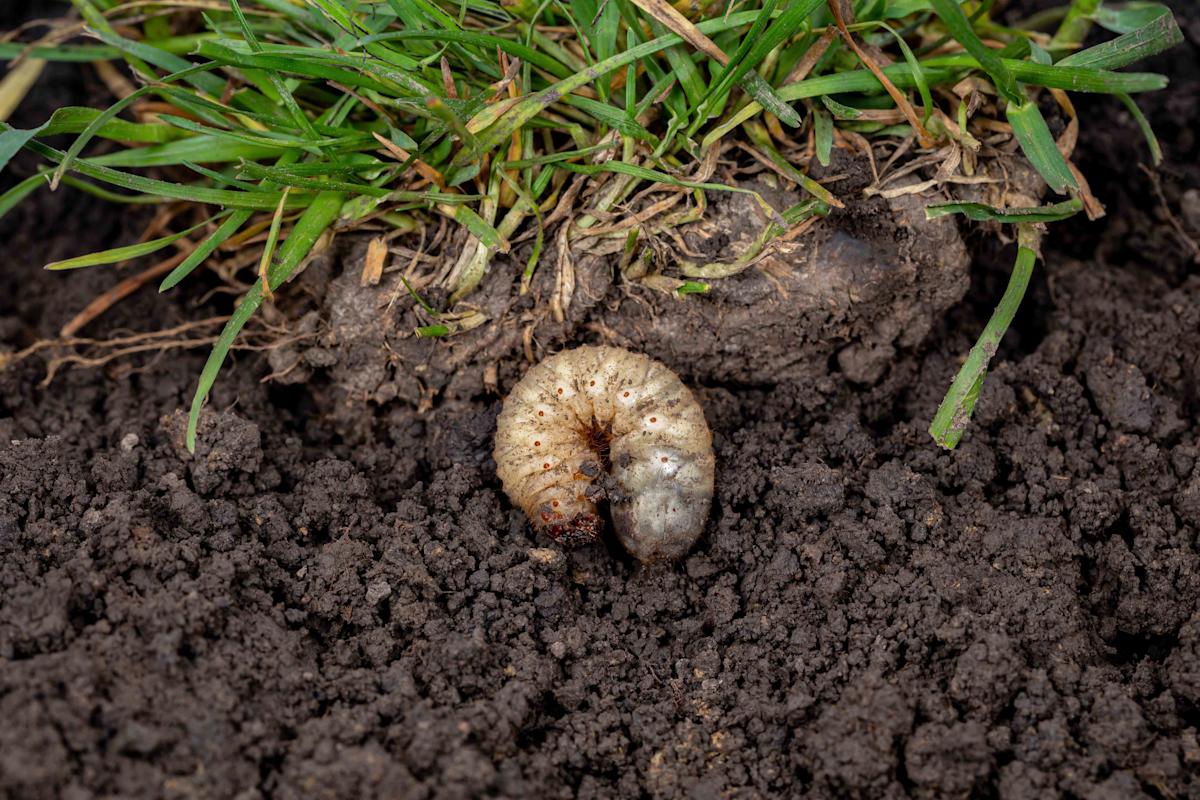
Grubs are pesky beetle larvae that live in soil and feed on plant roots, harming your flowers and vegetables. The good news? There are plenty of ways to keep these unwanted garden guests away, from prevention methods to treatment solutions. Here, we spoke to gardening and pest control experts about the best tips and tricks for keeping grubs at bay—follow these methods and your plants will truly thrive.
Meet the Experts
Mihail Velev, pest technician at Fantastic Pest Control
David Price, associate certified entomologist and vice president of strategic growth at Mosquito Joe
Tammy Sons, gardener and founder and CEO of TN Nursery
Related: How to Keep Slugs and Snails Out of Your Garden, According to Experts
Focus on Healthy Lawn Maintenance
A thick, well-maintained lawn is a good defense mechanism against grubs. According to Mihail Velev, a pest technician at Fantastic Pest Control, this is because grubs usually thrive in thin, poorly watered lawns, where roots are weak and easily made into a meal.
“Water grass deeply but infrequently,” he says, as this will help maintain strong roots. Avoid over-fertilizing, which can create lush lawns that attract female beetles seeking to lay eggs.
This process will also improve overall lawn health. “Plus, it’s generally low cost and prevents future infestations,” says David Price, vice president of strategic growth at Mosquito Joe. “However, it won’t get rid of grubs that are already present, and it will require time and effort.”
Apply Beneficial Nematodes
Some microscopic worms can act as natural predators to grubs. For example, beneficial nematodes are effective when they’re applied in late summer to early fall. These organisms dig into the soil and naturally target grub larvae when they burrow, says Tammy Sons, founder and CEO of TN Nursery.
“I apply nematode treatments by first mixing them with water, then spraying them onto moist soil during early mornings or late evenings,” she says.
“These products are organic and nontoxic to pets and pollinators as well as humans,” she says. Plus, regular use leads to significant grub population declines within a single season. “However, these organisms require shaded soil with moisture to thrive, and demonstrate peak performance during spring and fall.”
Add Milky Spore
You can also use milky spore powder, another natural remedy, over areas affected by grubs. “This bacterial treatment targets grubs and gradually expands through the soil,” says Sons. She distributes milky spore powder over the affected spots before gently watering it down.
It’s a long-term solution that works for years once established—plus it’s nontoxic to humans, animals, and plants. However, there are cons. “Milky spore exclusively attacks Japanese beetle grubs, but requires about two growing seasons before it reaches full effectiveness.”
says Sons.
Aerate Your Lawn
Heavy thatch provides a cozy layer for grub eggs and larvae to thrive, so you should de-thatch wherever there’s too much to reduce their habitat, says Velev.
Sons agrees, adding that she uses a core aerator to help break up compacted soil and remove heavy thatch. “The process creates an environment that reduces grub egg attractiveness, while promoting stronger grass root development,” she says.
Aerating also leads to healthier lawns by creating an environment that is less hospitable to grubs. “But the con is that it’s physical work, or requires equipment rental,” says Sons. Plus, it won’t kill existing grubs—it’s a more preventative method.
Read the original article on Martha Stewart
Comments are closed.