
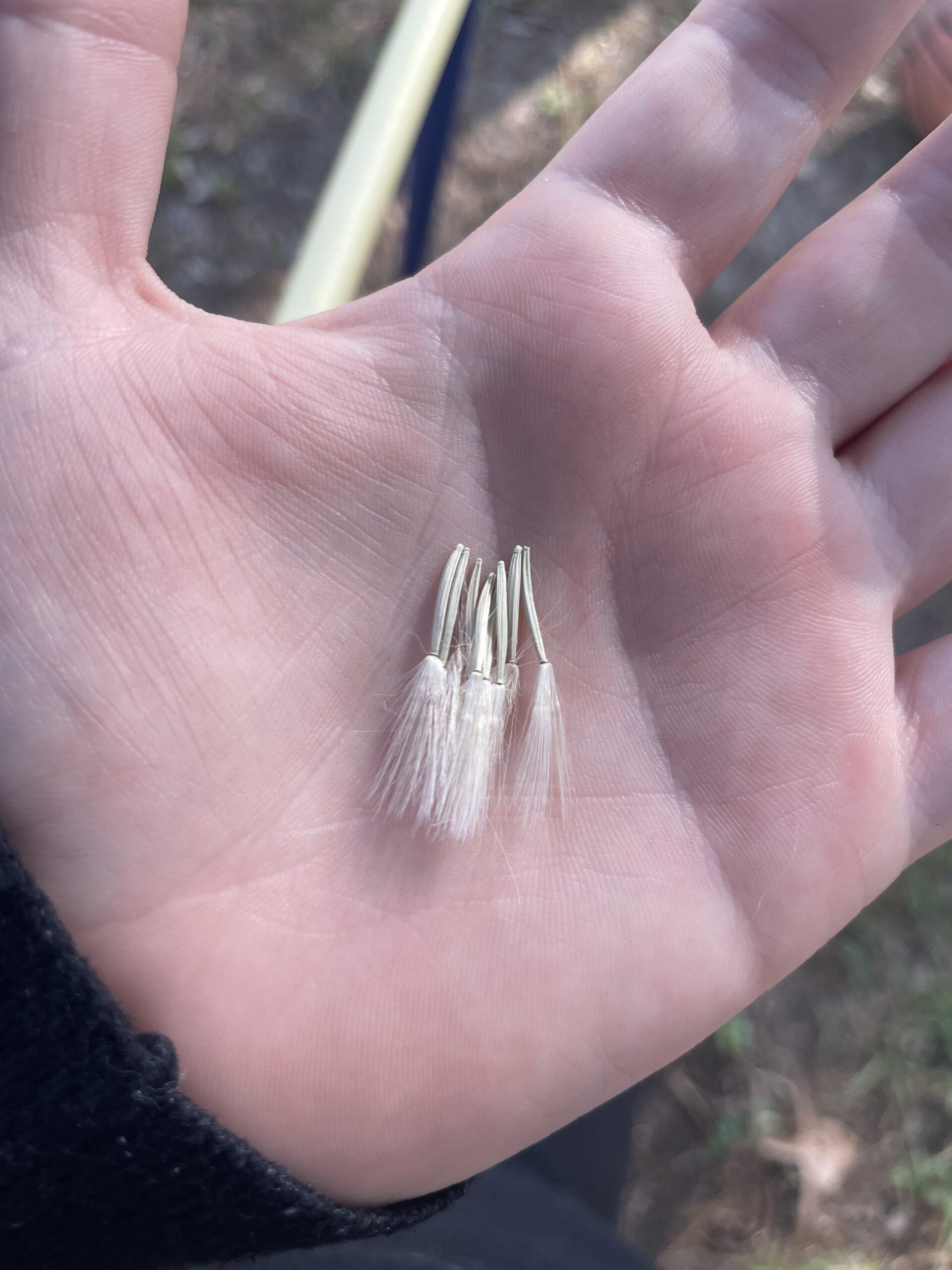
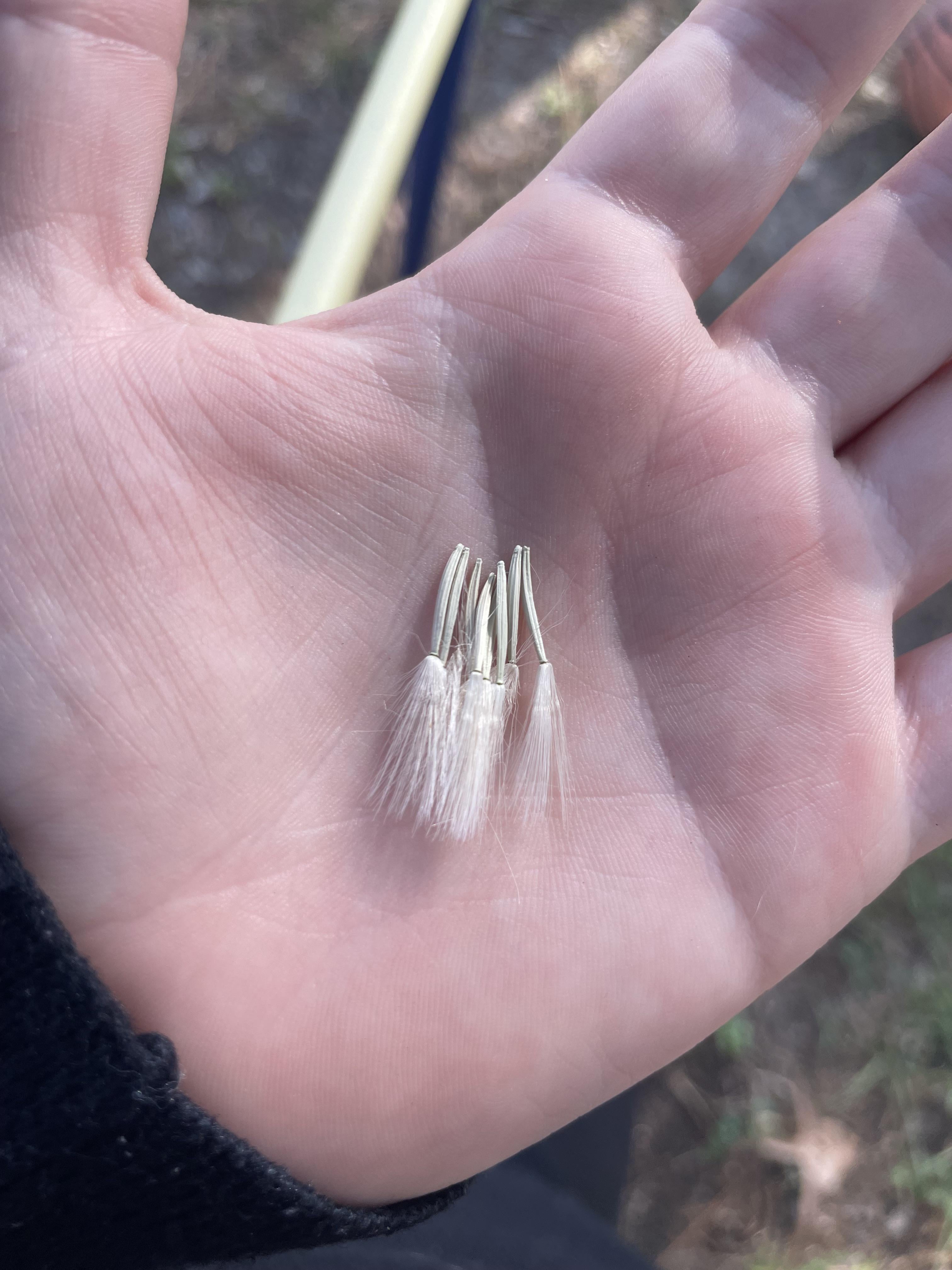
Pic is Rose Rush seeds I collected in my yard. I assume it’s fine to collect seeds from wildflowers on my property, but is there any issues (ecosystem or law/people related) with collecting small amounts of seeds from other native wildflowers?
(In FL if it matters. Also I wouldn’t touch anything I can’t identify and nothing endangered if I were to come across them)
by Delicious-War-5259
18 Comments
It’s reasonable. Leave over half for the wildlife though.
Might depend on how much others are potentially collecting as well
The seeds are food for plenty of creatures. I even see the Golden Finches jump on top of the seed heads and peck at the seed pods to get a mouth full of seeds.
Gathering too much will definitely hurt these creatures looking for food, which is why I understood that we should collect few to the relatively to what’s available in the immediate area. Especially since a lot of plants will drop their seeds straight down to self-seed for future generations.
So for wild plants that spring up in my yard I may collect most of the seeds the first year if they are a keystone or high value species but I’m gonna use them to specifically plant additional individuals around the property and tend them until they’re established enough I think they’ve got a shot at helping me combat the invasive populations I’m fighting. I don’t worry too much about taking too many on my own property because I’m using them to immediately improve the quantity available to native species. That being said- I’ve got a wooded lot with a high biodiversity already so it’s not a huge deal. You may want to think about your specific environment and if it’s low on food/resources already. If you’re not gonna use the seeds right away I would also not take as many and leave more to do their thing naturally:)
If I collect seeds from like the local state park I only take a tiny portion and again I’m going to use them to intentionally boost the species numbers in the area as soon as is appropriate for the species.
So idk, use your judgement and make sure you’re leaving enough for nature but consider in an area with destroyed soil/heavy invasive pressure if your tending to the seeds is significantly more likely to secure their survival and if so that may tilt the scale towards taking more
I really liked one of the introductory sections in the Northwest Native Plant Primer that talked about this. It was written by people who run Humble Roots Native Plant Nursery who have been collecting seeds and cuttings for 20+ years. They have self-imposed rules where they observe the local population that they are taking from and its status as endangered or not.
“Only collect seeds or cuttings from healthy, robust populations”
“A very important rule of thumb for collecting wild seed is never taking more than 5 percent from the population, although even this fails to suffice as an ethical compass in some cases”
“In other cases what may be an overall prolific species may have isolated, disjunct populations growing outside of its normal range. These disjunct populations may be small, more sensitive, and potentially on a different evolutionary path as isolation leads to variation.”
From your own property may be a little different because you can try and cultivate a bit, but it’s still worth considering.
It depends on who owns the property. Different parks & jurisdictions will have different rules. Look up the ones for where you plan to gather before you do.
In most forest preserves, state, and national parks, it is considered illegal.
Small amounts from a large healthy stash is fine, it sounds like you have realistic boundaries in mind and are trying to collect considerately and that’s more than half the battle. 10-20% for me depending on how widespread the species is generally and in that patch. Generally when I’m wild collecting off my property I’m doing it carefully with an eye for increasing the population and if you’re knowledgeable in wild seed starting it can be a real boost for rewilding since they have a better chance of germinating somewhere they’ll actually grow and not just being eaten or crowded out.
Generally I prefer to do small rhizomes when and where I can (I have a lot of nettles, cut leaf coneflower, and native iris in my woods), less guess work, but seeds are great too
Don’t collect anything rare, don’t collect from protected areas, and take very little from a single area.
But yes, it is generally okay! Lots of recommendations in this thread on best practices already.
My rule of thumb: if everyone can’t do it, I won’t do it.
You need permission. Some parks don’t allow it. The problem isn’t taking a few seeds by one person. But everyone has a different idea about what they feel is ‘okay’. I was in a national park where someone had a handful of black eyed Susan’s which were rare in the park. They picked every stem they could find. I plant native plants in city parks for restoration work. The black eyed Susan’s were all dug up and taken. The cardinal flowers had great blooms that we have permission from the city to harvest a small amount of seed to winter sow more plants to put in the parks. Those flowerheads were taken. Rules and specifically obtaining permission are put in place to protect diversity and leave the majority of seeds for wildlife.
I am a park ranger for a public park. Owned by a small town not a national park or anything. We have a good amount of natives around. I only collect seeds to help those populations continue to grow and spread. So I will take bluebell seeds, propagate them, and replant inside the park. This offsets the ones killed by people mowing and invasive encroachment and everything else. I don’t take them to make loads of plants to sell or for myself. That’s how I think about it.
If I was taking them for my own yard I would take the smallest possible amount of seeds, make 1-2 plants, and then use THAT plant to get way more. Not harvest my full need/want from the wild. I have seen people with bags trying to just take hundreds of seeds for some purpose and I think that’s bad.
My recommendation is that you check with state laws. I can’t help much with Florida but I know the plants (and their seeds) in some states are considered state property when on public lands. You can at least be hit with fines. You can usually ask for a permit and get it with no problems. Like others have said don’t collect too much seed from any population even with a permit.
that natural stratification really helps break seed dormancy
I don’t know if it’s right but I feel like if your intention is to grow them and you didn’t take too much, it would actually be beneficial. I understand some of the concerns brought up about vulnerable populations in this thread but the number of seeds you took isn’t going to keep anything alive. That’s like a couple of calories. On the other hand, if you’re able to grow those, it could support generations of wildlife. Short term minor pain for long term gains.
If too many people did that, it would be a problem. I just don’t think that many people would because most people don’t know anything about native plants. It’s a small subset of the population that even gardens and native gardeners are a small subset of that. The real concern for me is the green grass monoculture types spraying anything that isn’t a grass blade with herbicides.
Yes, better to take a few seeds than to dig up plants.
It’s illegal where I am. Sometimes I buy seeds off of Etsy and question whether they were legally obtained.
I really liked this plant on a local hiking trail called astragalus shortianus. It’s a large, unique early bloomer. I obtained seeds from a company that I know legally collects them. I grew them, but the squirrels dug them all up and killed them.
Two years ago that one plant, which I had seen for 10-11 years disappeared.
A very wise botanist once said “grab dat shit an put it in a baehg” (within reason, of course)