
A gardening expert has told any households with a lawn that they must do one job in May to ensure they have green grass in summer – and this weekend is the ideal time to do it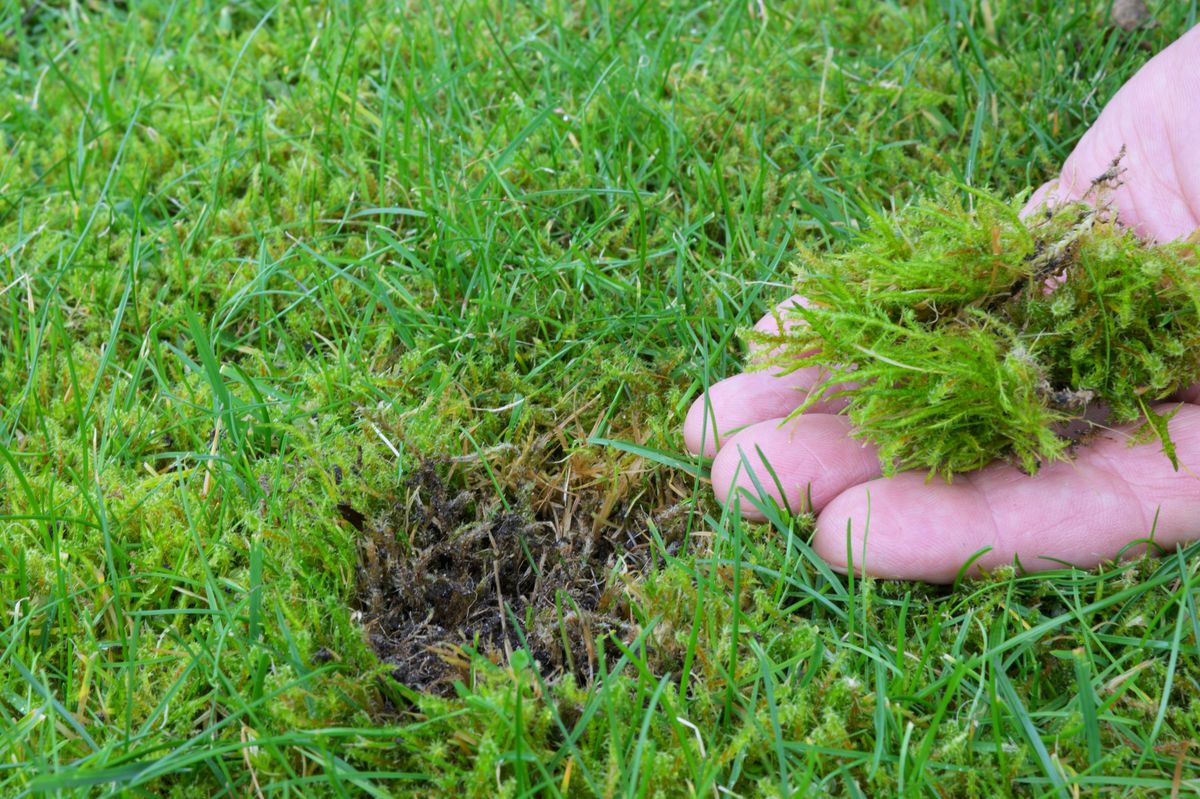
Your lawn could look greener than ever if you complete one job now (stock photo)(Image: Getty Images)
This weekend could be the perfect time to get your lawn ready for summer. If you have grass in your garden and you haven’t already tended to it, it’s probably looking a little worse for wear thanks to the wet and cold weather over the winter months. Most of us won’t have taken good care of our gardens in the winter, and now that summer is almost here, it’s time to act if you want luscious green grass when the sunshine hits.
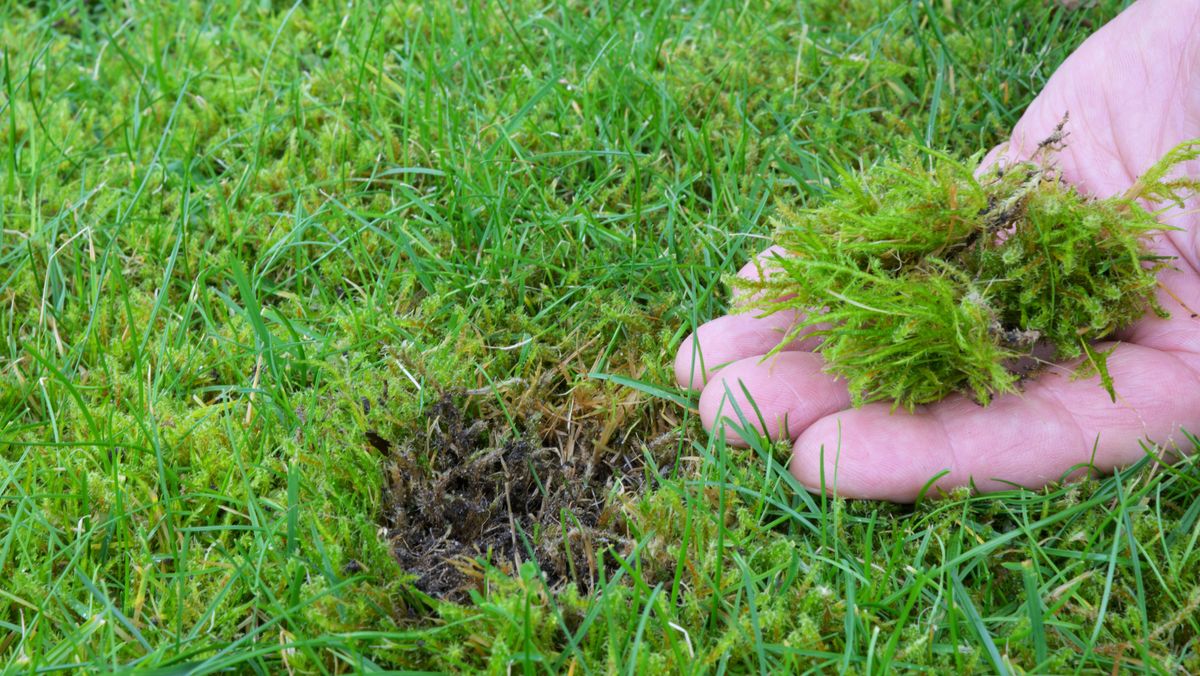
One problem many gardeners face with their lawns at this time of year is moss, which grows in between the grass in wet weather. And one gardening expert has shared the best way to get rid of this moss without spending all day trying to rake it out – and the hack could give you greener grass, too.
Martin Fish, a horticultural expert and Royal Horticultural Society (RHS) judge, explained in a video for the Pots & Trowels TikTok account that using one item can kill the moss in your lawn and make your grass healthier at the same time.
He explained that one of the most common methods for removing moss is called scarifying, which is where you take a garden rake and scrape it along the grass, removing the moss as you go. However, Martin said this method can often leave some moss behind, and if you don’t get it all out, it will just grow back.
Instead, he recommended investing in one product that will kill the moss and keep it at bay – lawn sand.
Content cannot be displayed without consent
He explained: “What I like to do is use a moss killer, and the one I use is a traditional one called lawn sand. It’s basically a fine sand to which they put in some sulphate of iron, which in itself is a fertiliser that we use in the garden.
“What it does with moss is it turns it black and kills it, but it makes the grass grow, and it greens it up and makes it stronger. So it’s doing two things.”
Martin said all you have to do is sprinkle the lawn sand on your grass at a ratio of about 80g of lawn sand per square metre of lawn. Simply sprinkle the sand “very thinly” over the lawn and then “wait for the magic to happen”.
The expert said the sand must be used on a dry day so that it doesn’t get washed away by the rain. He added you should start seeing results within “a day or two” when the moss starts to turn a dark brown. While it might look scary at first, you should trust the process, as you’ll be left with a much nicer lawn at the end.
Martin added: “Leave it for up to two weeks, so the moss is dead, and then we can take it out.”
Choose 10 packs of bulbs in £25 pick and mix deal
This article contains affiliate links, we will receive a commission on any sales we generate from it. Learn more
£25
Gardening Express
See the deal
With many of us looking to begin sprucing up our outdoor space for spring, now is a good time to look at planting bulbs to lay the groundwork for a splash of colour early in the year. Thompson and Morgan has plenty of options live already while Gardening Express has unveiled their pick and mix flower bulb offer, with 10 packs of bulbs for £25
To remove the moss once it’s dead, follow the usual steps for scarifying a lawn, which involves using a wire rake to scratch the grass and pull out the dead moss. The gaps between the grass created by the removed moss will allow the grass to puff up and fill the space, leaving you with a healthier lawn by the summer.
How to scarify a lawnUsing a spring-tined rake, gently rake the thatch out of the lawn.Be careful not to be too rough, as you could damage the healthy grass.Make sure to work in different directions to ensure the thatch comes out evenly.What to do after scarifying a lawn
Once you’ve finished scarifying, the removed thatch can be added to your compost heap if you’ve got one. It’s also advisable to aerate your lawn following scarification, as this helps reduce compaction and promotes a healthier root system.
Aerating a lawn is straightforward – simply use a garden fork to pierce holes into the soil at regular intervals. This technique can also help prevent waterlogging during any torrential April downpours that might arrive.
Initially, scarifying may leave your lawn looking somewhat worse for wear. If you’re concerned about its appearance, applying a fertiliser can help encourage growth, but rest assured, your lawn will be considerably healthier following a thorough annual scarification.
Comments are closed.