
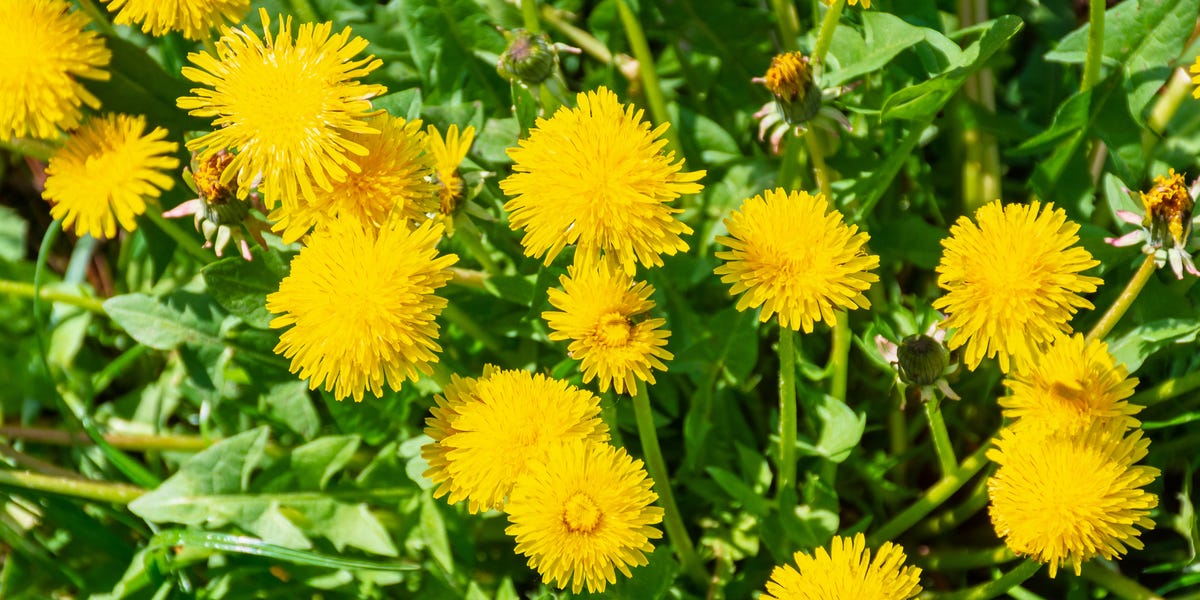
While dandelions may be bright and cheerful flowers, they are technically classed as weeds.
“Dandelions are surprisingly nuanced when you look past the ‘weed’ label,” Matthew Wilson, professional gardener and CEO of Handy Gardeners, tells Country Living.
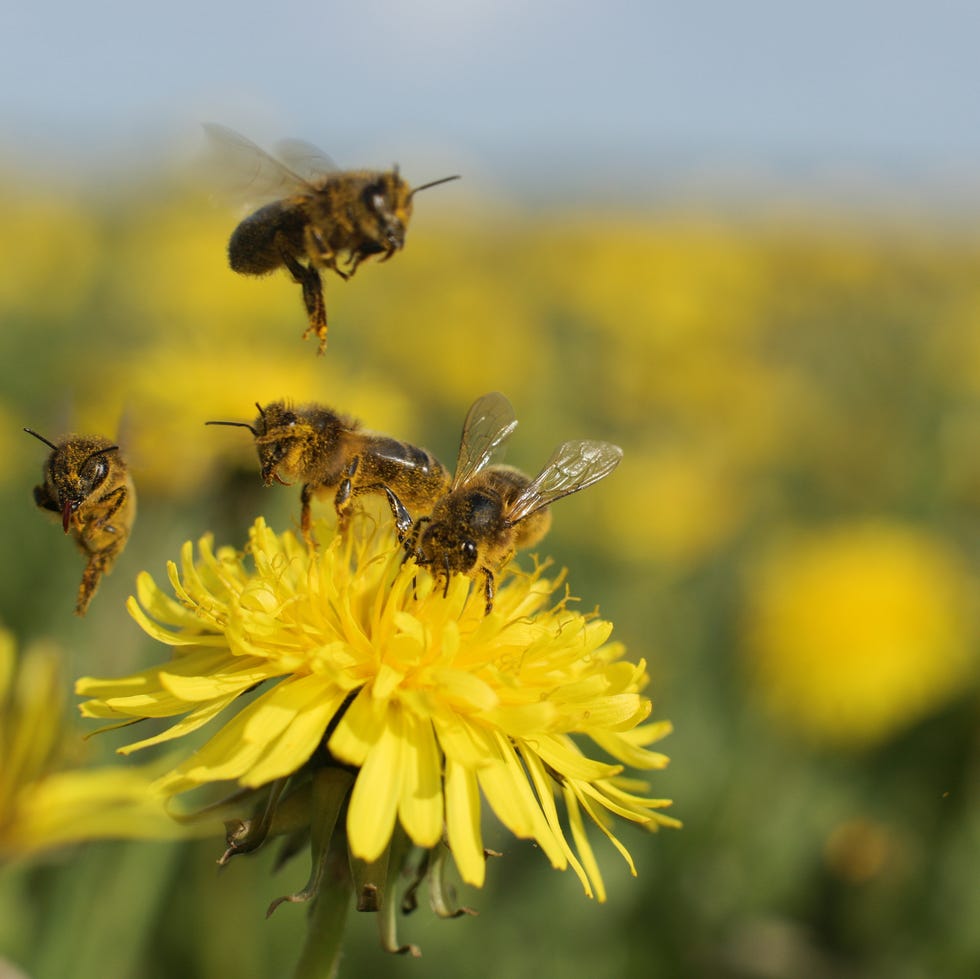
Dandelions can be a pretty addition to a wildflower meadow and an unsung biodiversity champion, included on the RHS Plants for Pollinators list.
But they can spread like wildfire, with each flowerhead containing over a hundred different flowers packed together, which become over 100 seeds, and they can be a nuisance for those trying to maintain a tidy lawn.
“The most effective approach is building a dense, healthy lawn so there’s no space for dandelions to establish,” Matthew explains. “That means proper mowing (not too short), regular feeding, and consistent watering.

proxyminder//Getty Images
“For existing plants, removing the entire taproot is key; if any part is left behind, it can regrow.
“Selective broadleaf herbicides can work as a backup, but they’re most effective when applied in early fall or spring when the plant is actively storing energy.”
If you want to get rid of dandelions in your garden, we asked expert gardeners the best way to remove existing dandelions and then how to keep lawns weed-free for good.
How to kill dandelions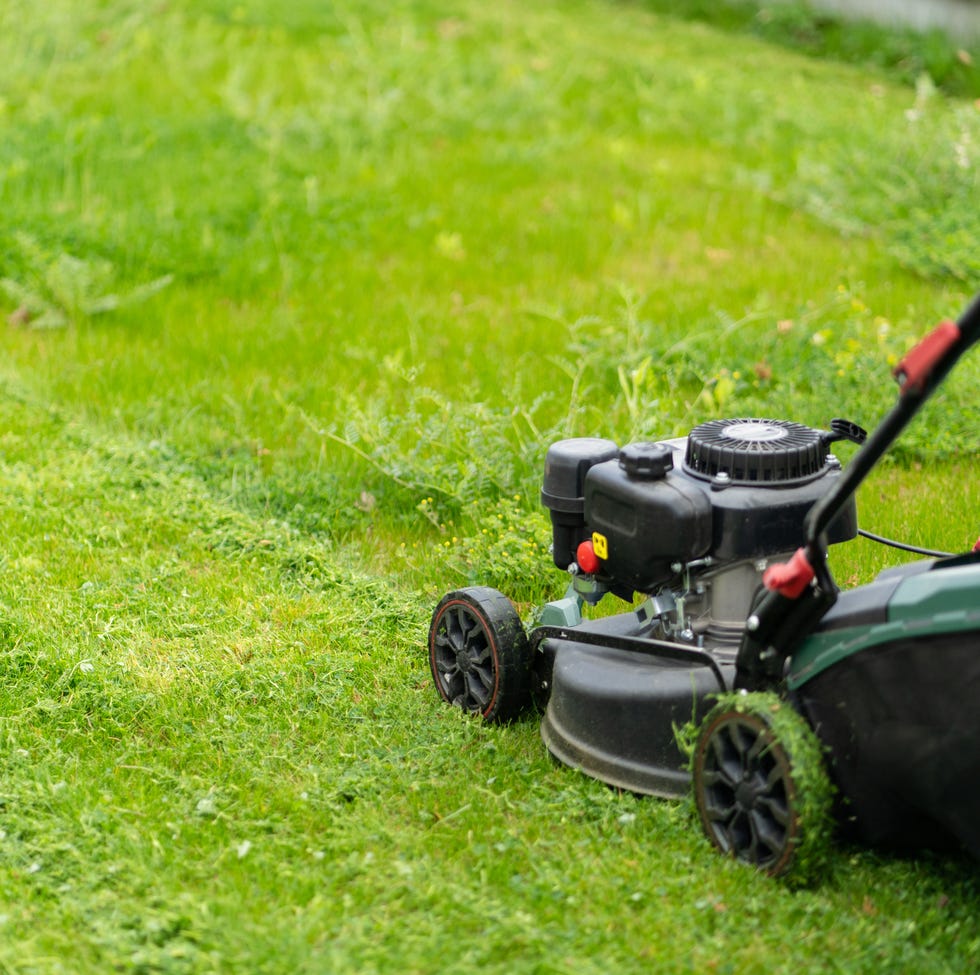
Andrija Nikolic//Getty Images
“Once a dandelion plant is established, the only way to get rid of it is to dig the whole thing out, being sure not to leave any piece of broken root behind,” expert gardener and sustainability advocate Claire Smith, explains.
The expert gardener added: “It’s more than happy to regenerate from a small root cutting. Dandelions are perennial weeds that can live up to 13 years.”
Make use of the dandelions you dig up by adding young leaves to salads and cooking older, tougher leaves.
Flower buds can also be used as an alternative to capers, while the flowerheads can be brewed to make a mild-flavoured tea that’s known to aid digestion.
4 dandelion prevention tips 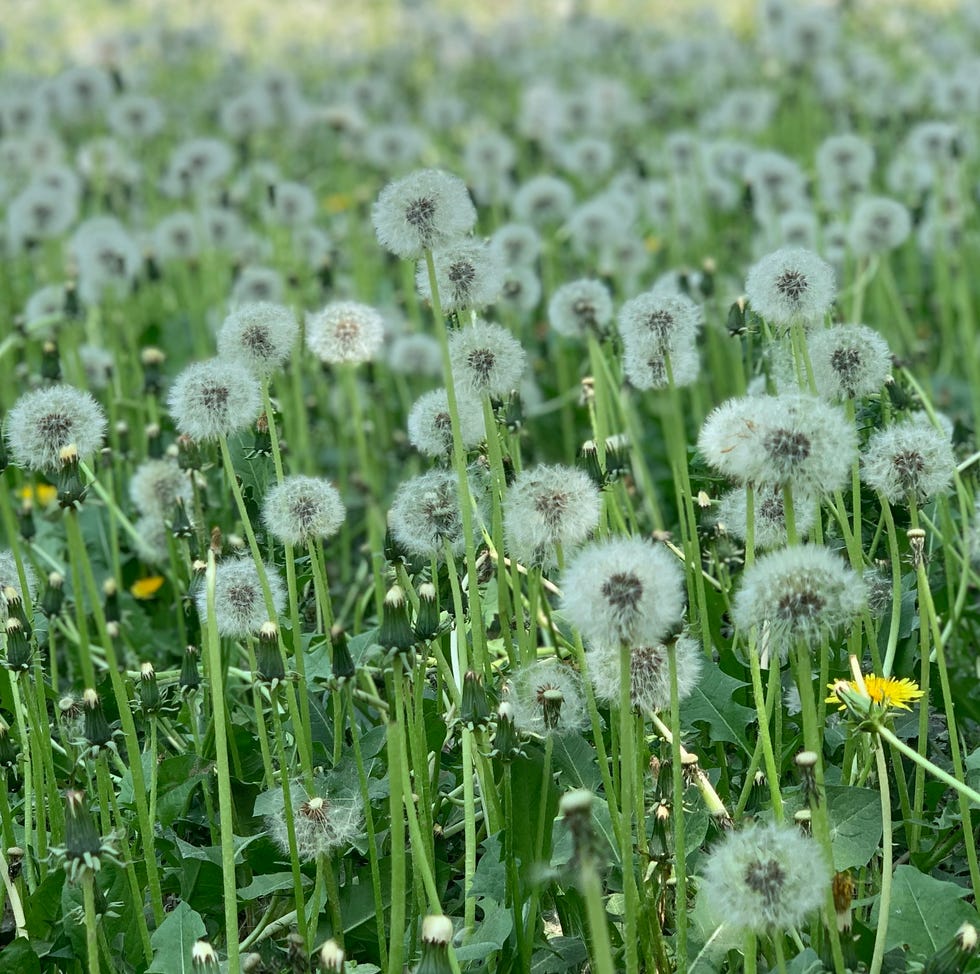
yingfei Young / 500px//Getty Images
Once you’ve removed dandelions and their roots from the area, there are some extra measures that will help keep them at bay.
Mow the lawn high
Keep the grass at least three inches tall if you can. “Taller grass shades the soil, making it harder for dandelion seeds to germinate,” Matthew explains.
Overseed your lawn
A dense and healthy lawn leaves a lot less room for weeds, Matthew explains. “Filling in bare patches reduces open space where weeds can take hold,” the expert gardener tells us.
Try applying corn gluten meal (sparingly) 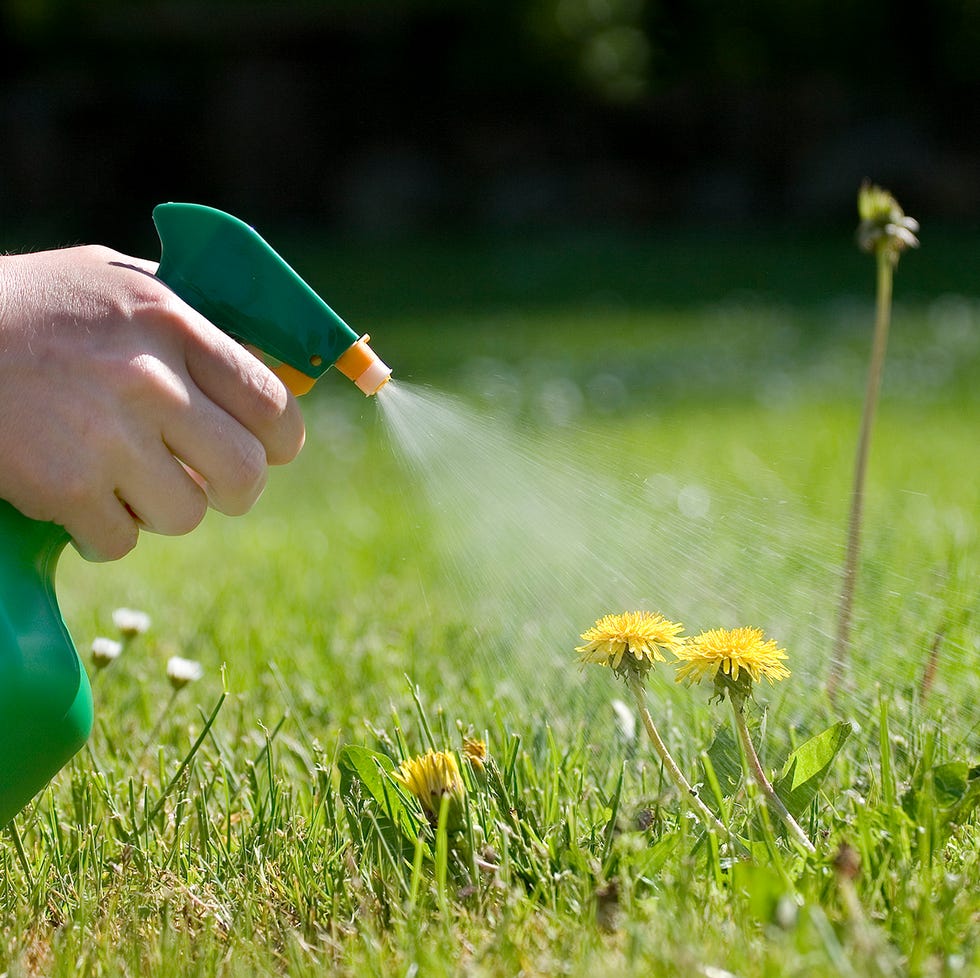
Wega52//Getty Images
Try applying a pre-emergent herbicide to prevent seeds from sprouting. Be sure to do this in the winter or early spring.
“While not always targeted specifically at dandelions, a pre-emergent can reduce overall weed pressure early in the season,” Matthew explains.
You can buy this on Amazon for as little as £14.97.
Improve soil quality
“Dandelions thrive in compacted or low-calcium soils, so aerating and balancing nutrients can make conditions less favourable,” Matthew explains.
The gardener added: “These work because dandelions are opportunistic; they move in where turf is thin, stressed, or soil conditions are poor.”
Stay on top of weeding
Keep an eye on the area in case dandelions return and stay on top of weeding, removing the whole tap root by digging down into the soil with a knife.
It’s essential to remove the flowers before they produce seeds.
How to selectively manage dandelions 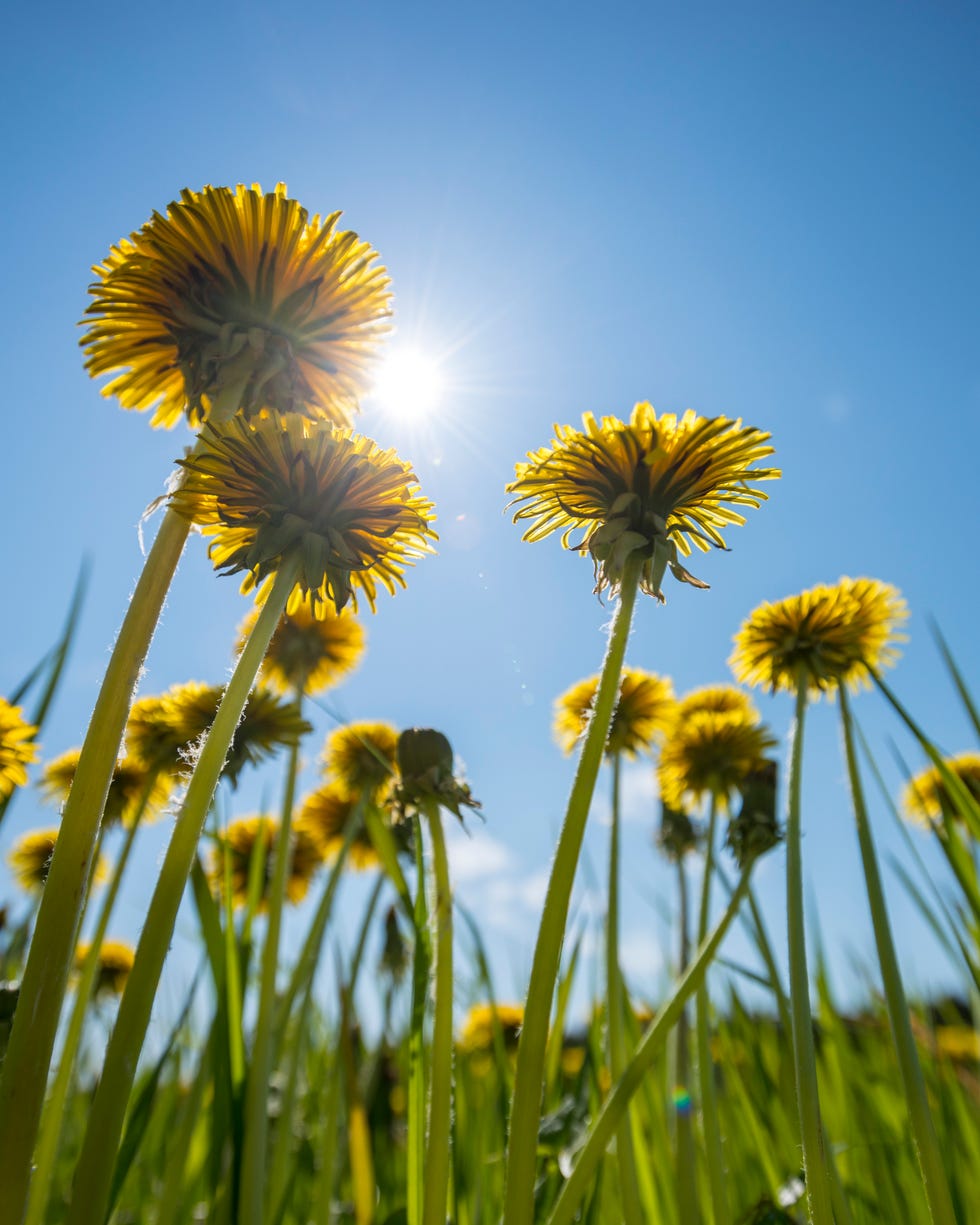
Jan Hakan Dahlstrom//Getty Images
While gardeners may want to remove dandelions from their lawn, they can be beneficial to gardens, and it may be useful to keep some in the garden with a more structured approach.
“Dandelions can benefit soil health, their deep taproots help break up compacted soil and pull nutrients like calcium closer to the surface,” Matthew adds.
“They also support pollinators, especially early in the season when few other flowers are available.”
If you want to keep some, manage them selectively, the gardener suggests. “Remove seed heads before they disperse, thin them out so they don’t dominate, and keep edges neat for a more intentional look.
“Some people even designate a small “wild” patch to balance aesthetics with ecological benefits.”
Gardening must-haves Filberts of Dorset Gardeners Hand Salve
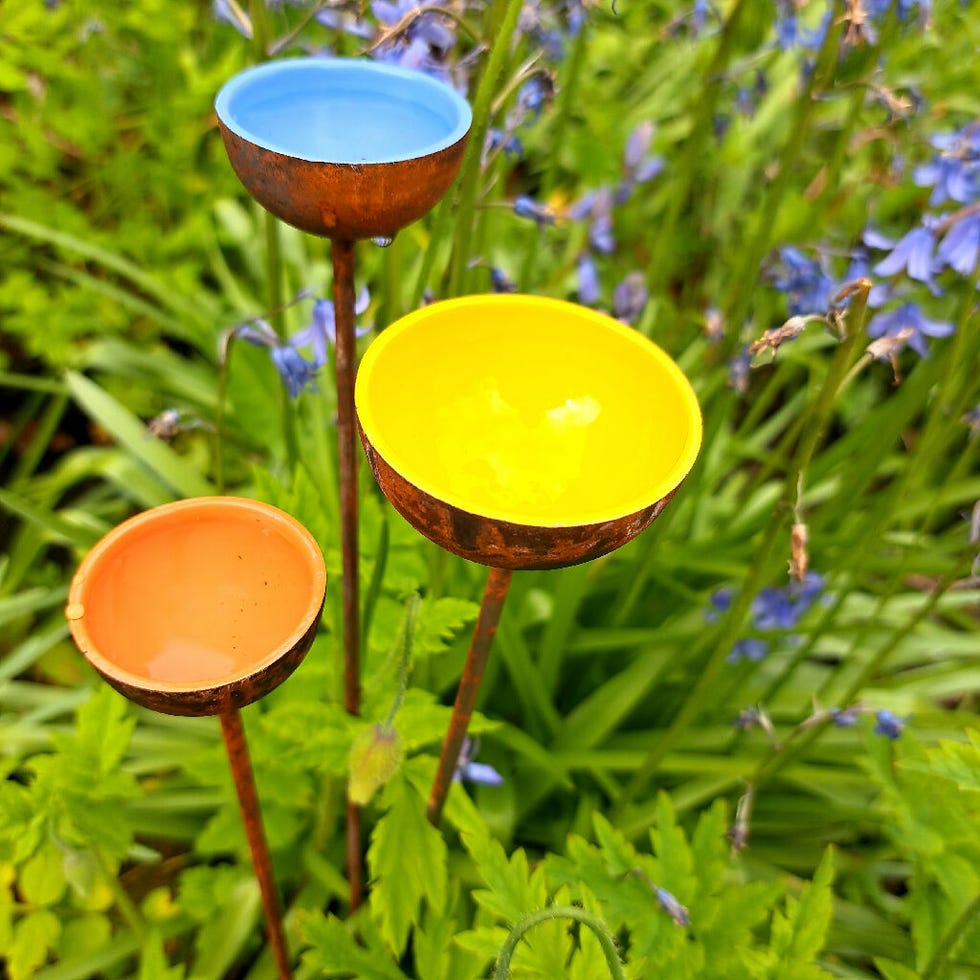 Haywards Garden Bee and Butterfly Water Stations, Garden Décor, set of three colourful bee water cups .
Now 17% Off
 Home Sussex Handmade Peg Apron
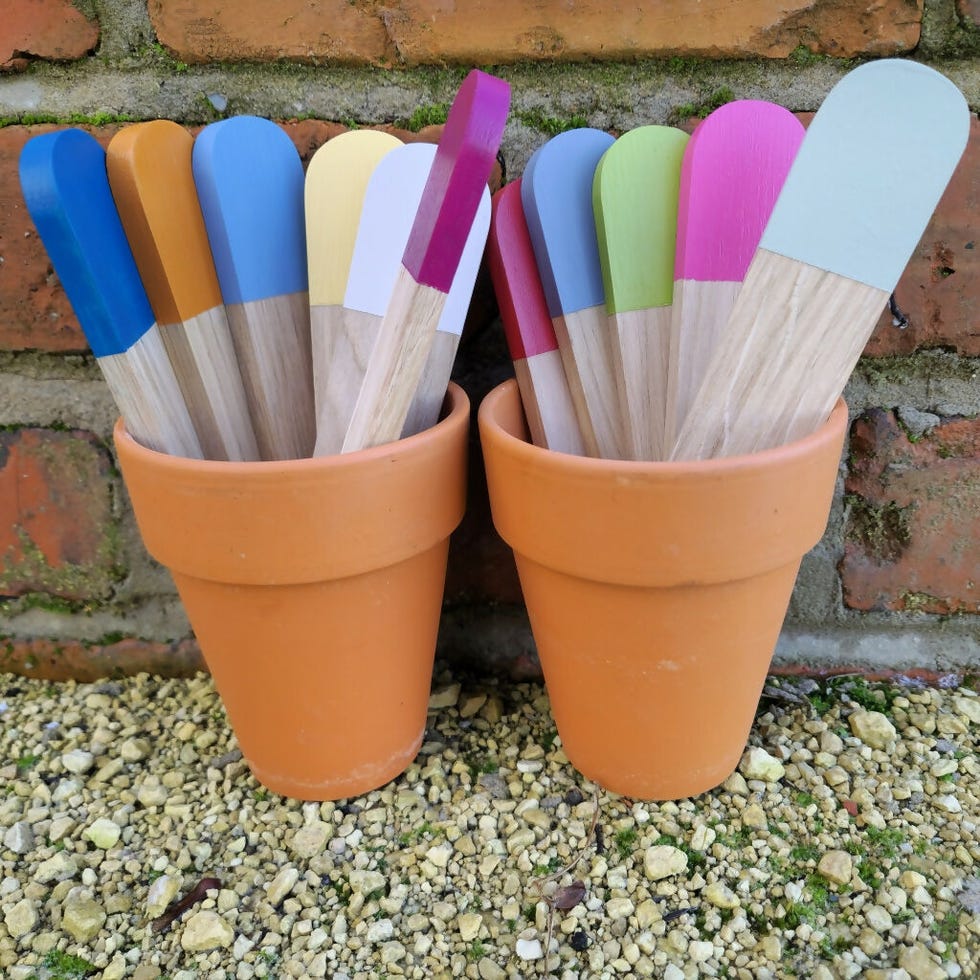 Painted Garden Label/Marker
 The Fae Potter Wild Bird Feeder ceramic hanging
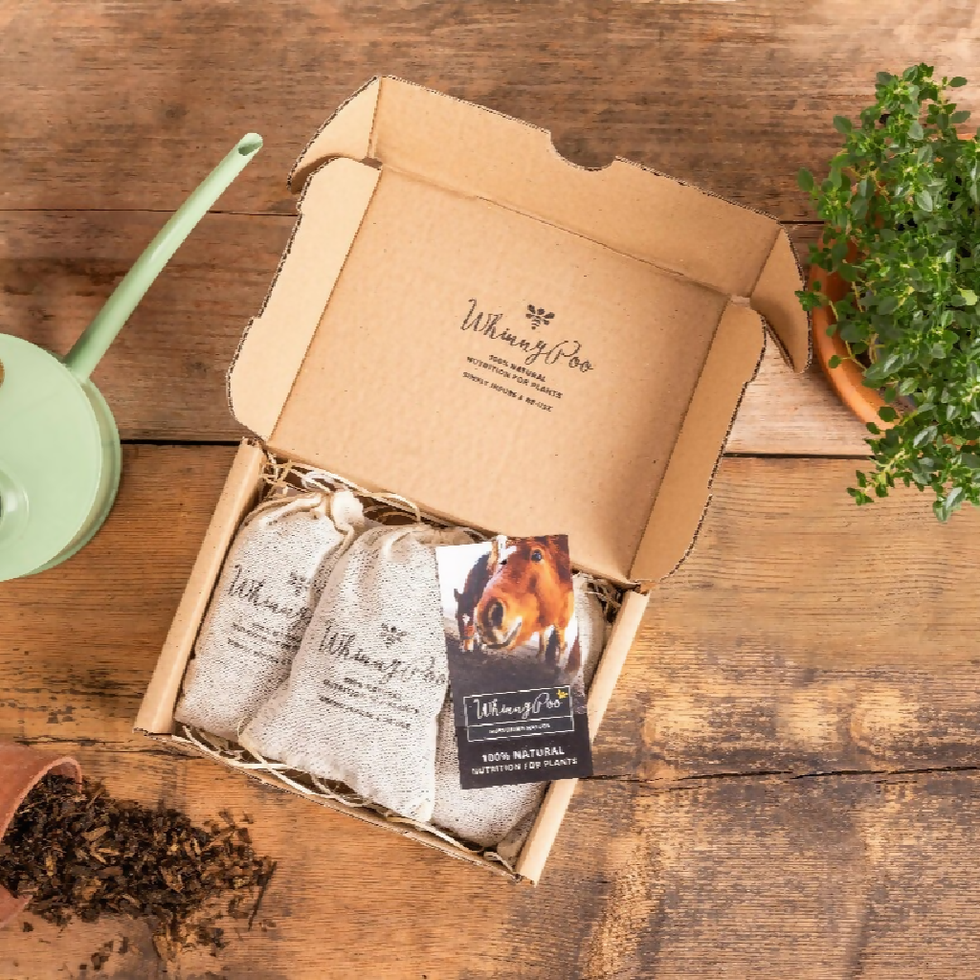 WhinnyPoo WhinnyPoo Box of 3 Plant Feed
Comments are closed.