
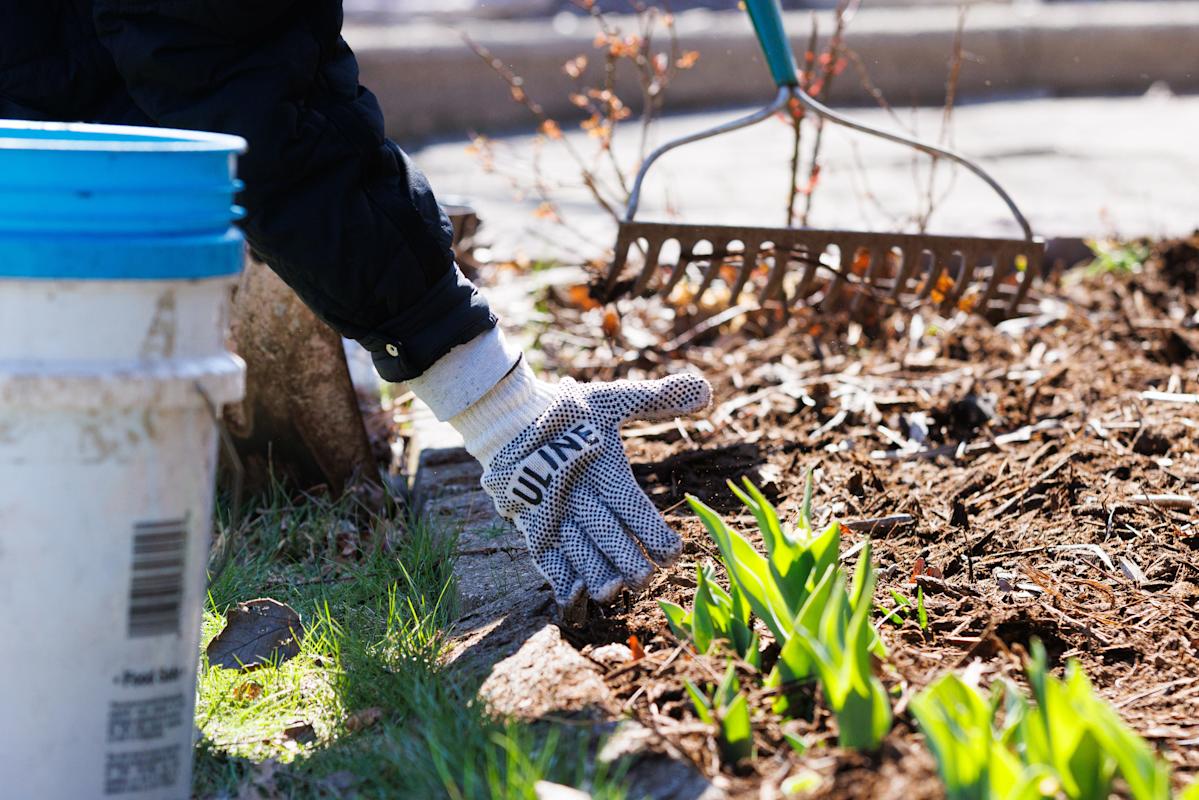
Gardening season brings out big plans. Many people picture fresh herbs, bright flowers and homegrown vegetables. But before you fill a cart with plants, tools and supplies, take a moment to shop carefully.
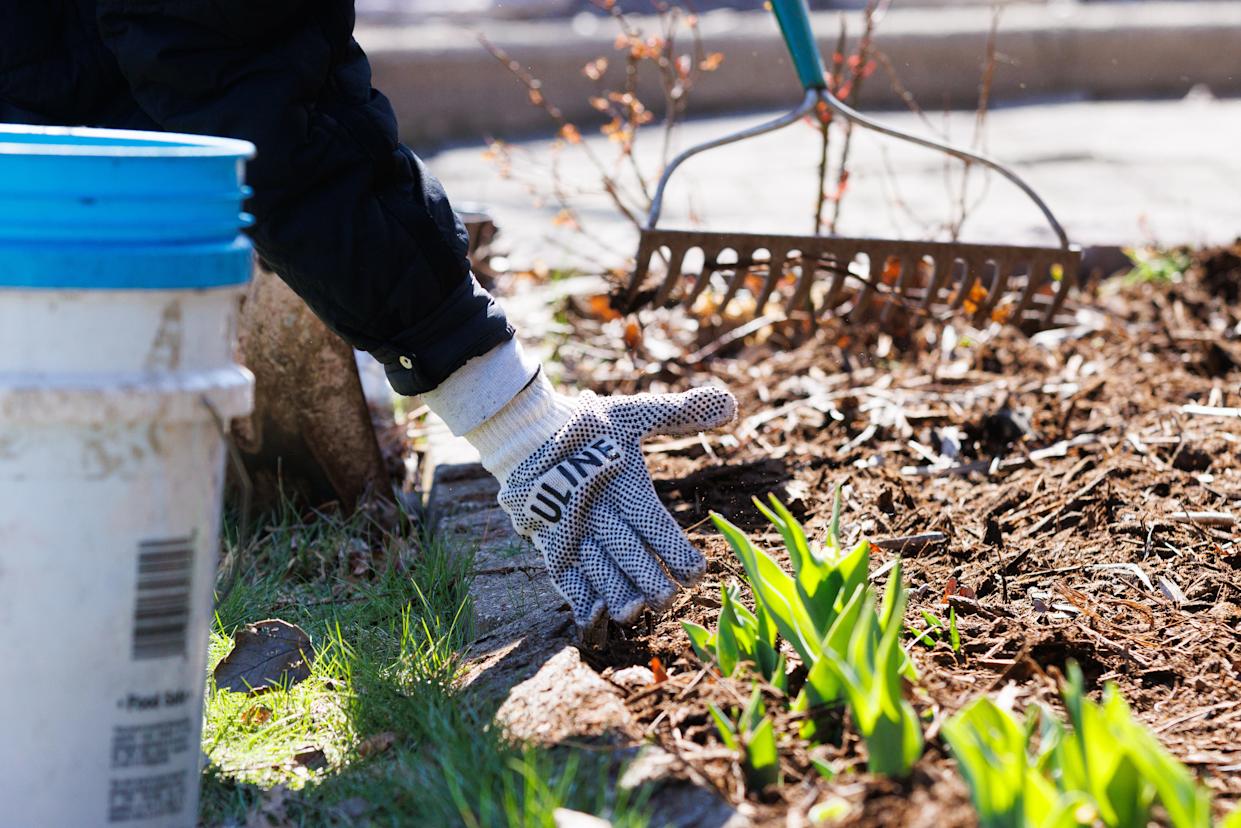
University of Notre Dame students spread mulch in a garden bed of a home on Portage Avenue on Saturday, March 28, 2026, in South Bend. “Mulch Madness” is a volunteer-guided effort to lay mulch down at homes in the Near Northwest Neighborhood area for homeowners who may be concerned about the lead levels of the soil.
A home garden can be a rewarding investment, but it can also become an expensive one if you buy from the wrong business, purchase unhealthy plants or rush into major purchases without checking the details first. A little caution up front can help you avoid disappointment, wasted money and problems that follow you home.
Start with a plan
Before buying anything, think through what you want your garden to do. Consider your climate, the space you have available and what you realistically want to maintain. Starting small can help you avoid overspending and reduce the chance of buying plants or supplies you may not end up using.
Choosing easy-to-maintain plants with a good yield can also make sense, especially for first-time gardeners. A thoughtful plan helps you stay on budget and makes impulse purchases less likely.
Look for reputable sellers
Where you shop matters. Before heading to a garden center or hiring help for outdoor projects, check out the business first. Search for a reputable company and review its track record.
National chains may offer lower prices and flexible return policies, but they may not carry specialty plants or handle custom orders. Local nurseries may offer more specialized help. Either way, take time to look up the business, read customer reviews and check for signs that the company stands behind its products and service.
That same careful approach applies when hiring outside help. If you need support with a garden or yard project, check the reputation of arborists, retail florists, landscapers, lawn maintenance providers and irrigation specialists before agreeing to any work.
Ask questions before you buy
A trustworthy garden center should be willing to answer your questions clearly. Ask where the plants were grown and whether they are likely to do well in your local garden zone and climate.
A plant that looks healthy in a greenhouse or controlled retail setting may not thrive once it is planted outdoors at home. If you are buying seeds, ask whether they can go directly into the ground or whether they need to be started indoors first.
It is smart to be cautious. Good businesses should welcome questions and give practical guidance, especially when you are making a larger purchase.
Inspect plants carefully
Do not rely on appearance from a distance. Take a closer look before you bring any plant home. Watch for droopy foliage, discoloration or crispy edges. Also check for crusty residue or white and brown specks in the soil, which may signal pests.
That step matters more than many shoppers realize. Pests brought home in one pot can spread quickly and affect other indoor or outdoor plants. A few minutes of careful inspection can save money, time and frustration later.
Know the store’s policies
Before making major purchases, ask about return and exchange policies. Garden centers vary widely. Some may replace diseased plants, while others may have strict no-refund or no-exchange rules.
Knowing the policy ahead of time can help you avoid surprises if something goes wrong. It also gives you another clue about how the business handles customer service.
Use budget-friendly resources wisely
Gardening does not always require buying everything new. You may be able to save seeds from previous plants, swap seeds with friends and neighbors, look for free compost or mulch through community programs, or repurpose household items as planters or seed starters.
Those ideas can help lower costs, but it is still important to think carefully before using any free or secondhand materials. Make sure the materials are appropriate for gardening use and fit your needs.
Watch for pressure and promises
Even when the topic is gardening instead of fraud, the same scam-prevention habits still help. Slow down. Ask questions. Check the business. Be wary of anyone who pressures you to buy quickly, pushes expensive products without clear answers or makes promises that sound too good to be true.
A healthy garden starts with healthy decisions. Taking your time can help you avoid poor purchases and find businesses you can trust.
For more information, visit BBB.org. BBB’s business directory features profiles with verified reviews and complaint history to help you find trustworthy businesses. You can also file a complaint or submit a customer review. Visit BBB Scam Tracker to research or report scams.
To learn more about how to avoid common scams, visit BBB.org/AvoidScams. If you or a loved one has encountered a scam, whether you’ve lost money or not, report it at BBB.org/ScamTracker.

Jan Diaz is CEO of the Better Business Bureau serving Northern Indiana.
Jan Diaz is the President/CEO of the Better Business Bureau serving Northern Indiana, which serves 23 counties. Contact the BBB at 800-552-4631 or visit BBB.org.
This article originally appeared on South Bend Tribune: Consumer Advocate: Shopping smart for your home garden
Comments are closed.