
For gardeners who have spent years tending beds and borders, the basics can feel like second nature. But even experienced hands occasionally fall into habits that quietly undermine plant health — habits that university extension educators and longtime horticulture writers say are surprisingly common, regardless of how long someone has been gardening.
Here are seven of those mistakes, along with practical guidance from the experts on how to course-correct.
Watering too generously
It is one of the most frequent missteps, and one of the easiest to make with good intentions. Constantly wet soil suffocates roots and leads to rot, which means a heavy watering schedule can do more harm than a missed afternoon.
For gardeners who would rather not rely on the finger test, there is a tool worth knowing about. Mary Marlowe Leverette at The Spruce writes: “If you don’t want dirt under your nails or question the reliability of your finger, there’s a tool for you. A soil moisture meter is precise and reads more than just the top inch of soil. Usually battery-operated, the meter has one or two metal probes that can measure soil moisture up to 12 inches deep. Easy to use, some moisture meters also read the light conditions around a plant as well as the soil pH.”
For seasoned gardeners managing established perennials and container plants alike, a moisture meter can take the guesswork out of watering on hot weeks when the surface dries quickly but the root zone stays saturated.
Planting in the wrong light
Sun and shade requirements are easy to misjudge, especially as mature trees grow in and once-sunny beds become dappled over time. Putting full-sun plants in shade — or shade lovers in full afternoon sun — leads to small growth and burned leaves. It is worth re-walking the garden each season to check whether the light conditions have shifted since the last planting plan.
Using the wrong soil
Garden soil scooped from the yard and packed into containers tends to compact quickly, leaving roots gasping. On the other end, the cheapest potting mixes often drain poorly or arrive with little nutritional value. Matching the medium to the situation — a quality potting mix for containers, amended garden soil for beds — pays off across the growing season.
Overcrowding plants
Plants need airflow and space for roots to spread. Crowding leads to disease, pest pressure and stunted growth.
Troy Hake, a lawn and garden expert, told The Spruce: “Overplanting seeds leads to intense plant competition for essential growth resources like water, sunlight and nutrients, which can result in weaker, spindly plants that never reach their full potential.”
For hobbyists who love filling every inch of a bed, thinning seedlings can feel ruthless. The trade-off is healthier, more vigorous plants by midsummer.
Planting at the wrong time
Timing is one of the quieter killers. Setting tender starts out too early invites frost damage, while planting too late drops them into heat stress before roots have a chance to establish. Local extension calendars and last-frost dates remain the most reliable guides — and they often differ from the dates printed on seed packets, which are written for a national audience.
Watering leaves instead of roots
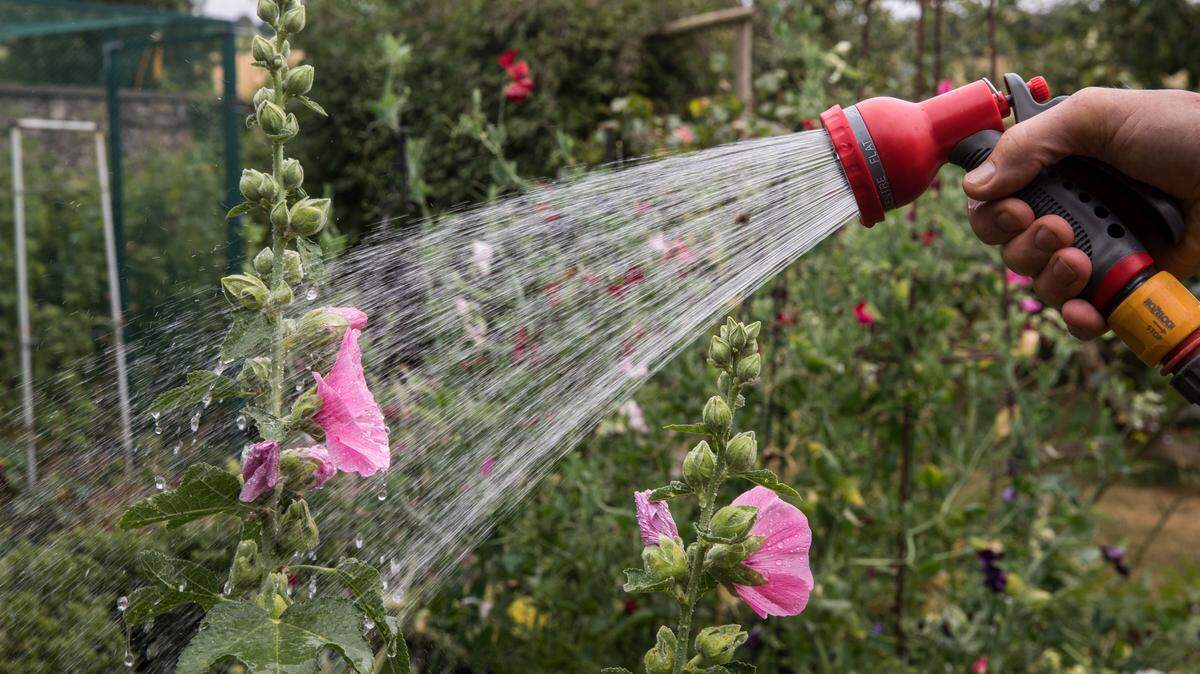
Where the water lands matters as much as how much of it arrives. Wet foliage in heat or humidity creates conditions that disease loves.
Ankit Singh, assistant professor and ornamental horticulture educator at the University of Maine Extension, told Martha Stewart: “Prolonged moisture on foliage and flowers provides ideal conditions for fungal and bacterial pathogens.” Singh added that flowers with wet petals can collapse quickly.
The takeaway for experienced gardeners: water at the base, ideally in the morning, and let drip irrigation or a gentle hand at the soil line do the work. Overhead sprinklers are convenient, but they can undo a season of careful disease prevention in a few wet evenings.
Fertilizing too much — or not at all
Fertilizer is one of the easier balances to get wrong in either direction. Too much burns roots and can encourage soft, pest-prone growth. None at all leaves plants pale and slow. A soil test through a local extension office, often available for a modest fee, takes the guessing out of the equation and helps tailor feeding to what the soil actually needs.
For gardeners refining their craft after years of practice, the value in revisiting these basics is not in learning them for the first time. It is in catching the habits that have crept in unnoticed. A small adjustment in watering technique, plant spacing or seasonal timing can make a noticeable difference by the end of the season — and often by the next pass through the garden with the watering can.
This article was created by content specialists using various tools, including AI.
Related Stories from Fort Worth Star-Telegram
Lauren Jarvis-Gibson
Miami Herald
Lauren Jarvis-Gibson is a content specialist working with McClatchy Media’s Trend Hunter and national content specialists team.
Comments are closed.