
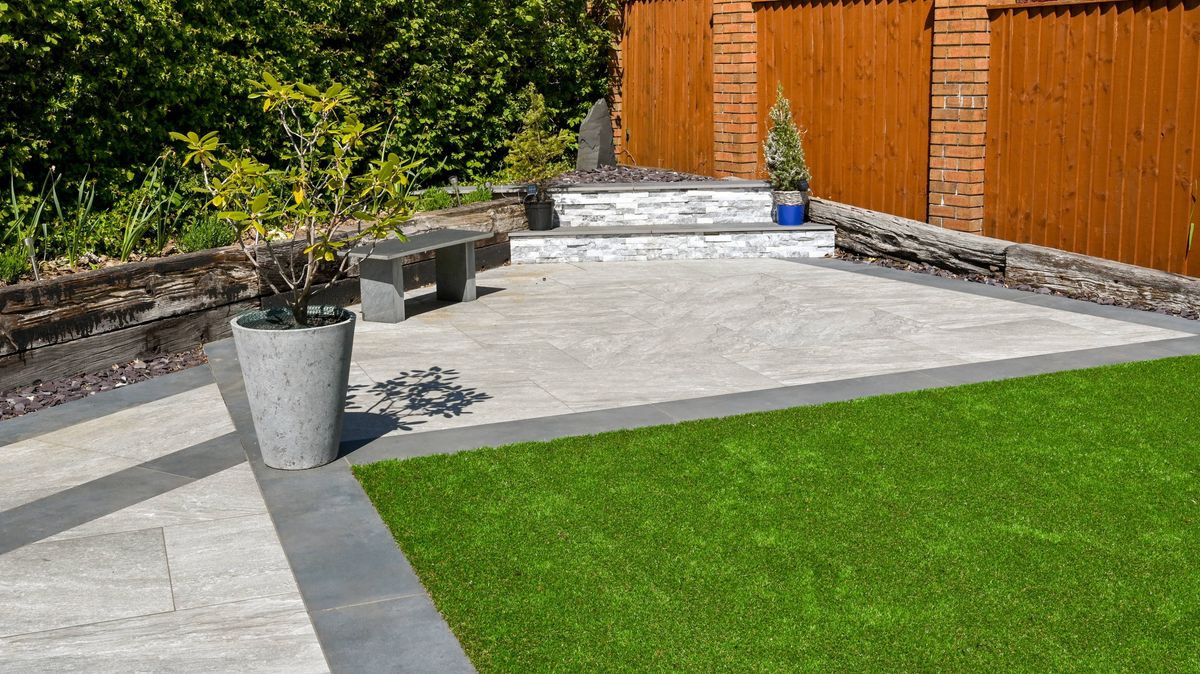
Artificial grass experts are warning UK homeowners about simple summer rules to prevent costly heat damage to fake grass lawns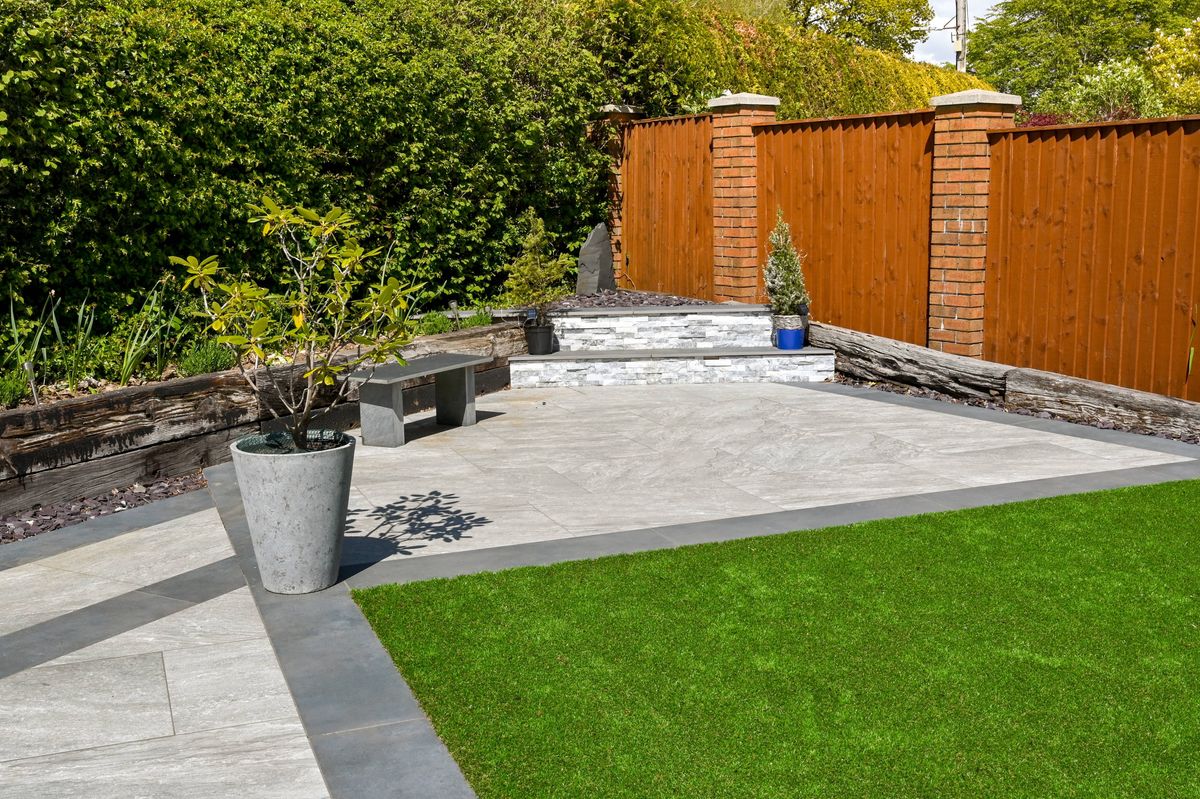
Artificial grass experts are warning UK homeowners about simple summer rules to prevent costly heat damage to fake grass lawns(Image: Ceri Breeze via Getty Images)
Every UK homeowner with artificial grass in their garden is being urged to follow guidelines to safeguard their lawn ahead of summer. With the country basking in pleasant weather this spring, barbecue season has kicked off slightly earlier than usual as people venture outside to make the most of the recent sunny spell.
However, artificial grass specialists are now alerting homeowners to a number of straightforward yet costly blunders that could permanently ruin their lawn, leading to repair bills of up to £500 or even a complete replacement costing upwards of £2,000, reports the Manchester Evening News.
“Artificial grass is incredibly durable and can handle everything summer throws at it, kids, dogs, garden parties. But it doesn’t like direct heat,” explained artificial grass expert Colin Potts.
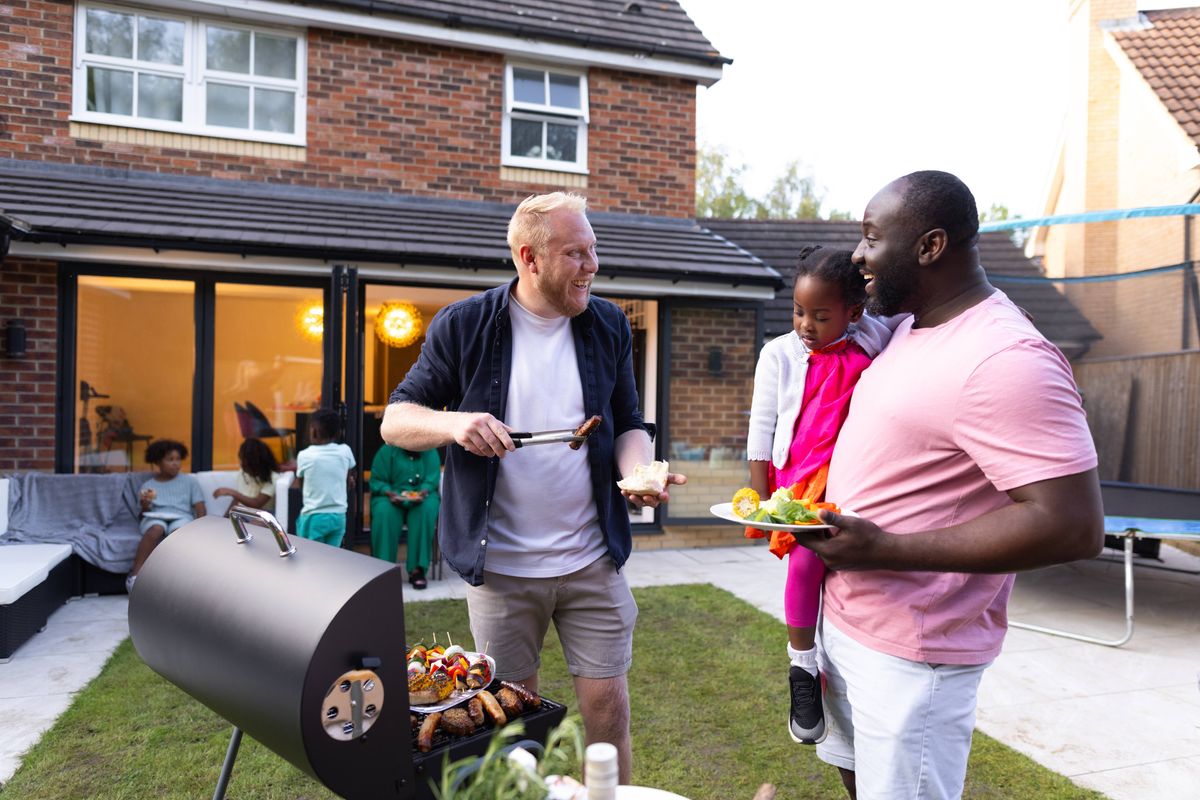
BBQs can cause damage to artificial grass(Image: Getty Images)
“A disposable barbecue left on the lawn, or even sunlight bouncing off a glass door at the wrong angle, can cause permanent damage that’s completely avoidable with a bit of know-how.”
Unlike natural grass, artificial turf is constructed from synthetic fibres, typically polypropylene, which can melt or distort when subjected to direct heat. The reassuring news is that with a little forward planning, barbecues and artificial lawns are entirely compatible.
Rules artificial grass owners should followAlways position your BBQ on a hard, fireproof surface, paving slabs or a patio area are ideal.Keep the barbecue well away from the edge of any artificial grass, allowing space for embers that may spit or roll.Use a BBQ mat or fire pit pad underneath as an extra precaution on any surface.Wait until coals are fully extinguished and cold before moving the barbecue.What to avoidNever place a disposable barbecue directly on artificial grass, even briefly.Don’t leave fire pits, chimeneas or outdoor heaters on or directly adjacent to the lawn.Avoid placing metal garden furniture that has been sitting in direct sun onto the grass for extended periods, metal retains heat and can transfer it to the fibres.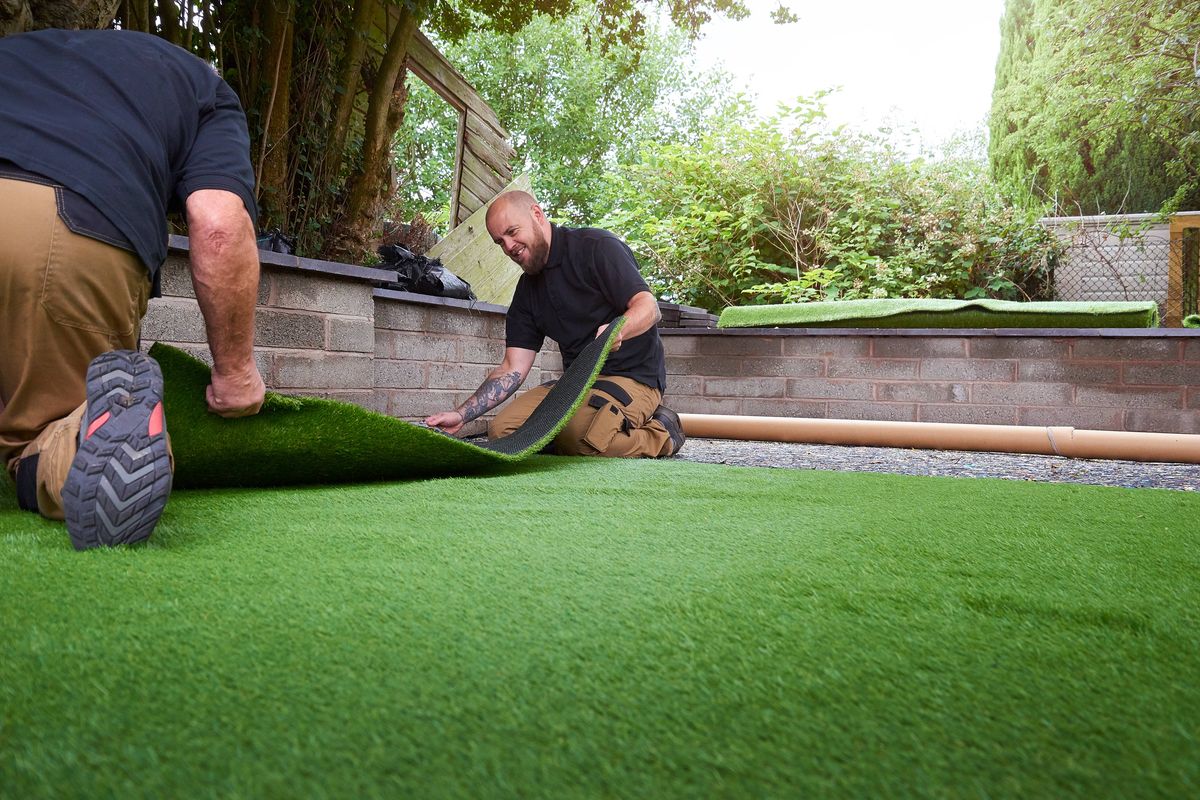
Artificial grass can become damaged in the heat(Image: Getty Images)
Beyond the barbecue itself, one of the most frequent and surprising culprits behind artificial grass heat damage is reflected light from windows, glass doors and garden mirrors.
Energy-efficient double glazing, patio doors, decorative garden mirrors and even gleaming metal planters or solar light covers can all concentrate sunlight onto a single spot in the same way a magnifying glass does, producing intense heat capable of melting or discolouring artificial fibres.
The effect is especially pronounced during prolonged sunny spells and in south-facing gardens. Homeowners who spot discoloured or flattened patches emerging in particular areas following sunny weather, even without any obvious heat source nearby, should investigate whether a reflective surface could be responsible.
Heat damage is rarely covered by installation warranties, and depending on the severity of the burn, repairs can range from £150 for a minor patch to full replacement at £70 or more per square metre.
“We see this a lot in the spring when people start getting their gardens ready. A garden mirror goes up, or new double glazing has been installed over the winter, and suddenly there’s a melted patch appearing on the lawn. Once you know what to look for, it’s easy to prevent, but it catches a lot of people off guard,” said Colin.
With the year’s first spell of warm weather now upon us, it’s also an ideal moment to give your artificial lawn a swift seasonal inspection before it sees heavy use throughout the summer months.
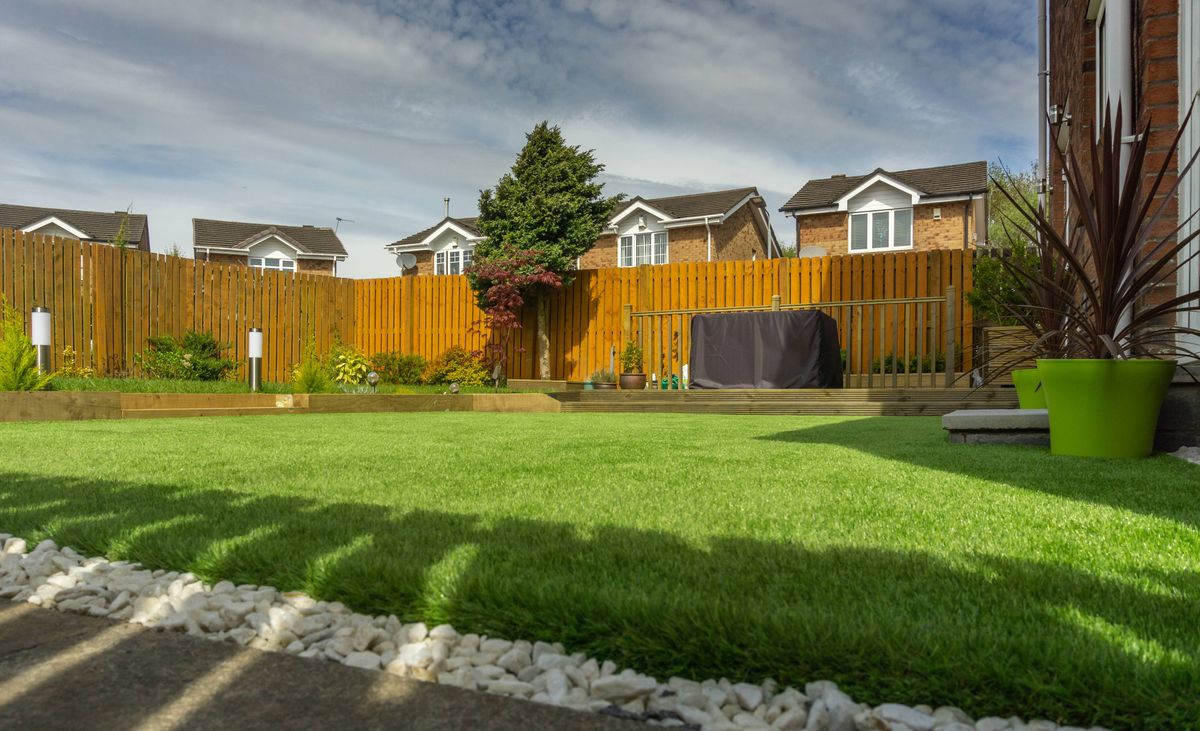
There are few steps you can follow to ensure your artificial lawn stays in good condition over the summer(Image: Getty Images)
Simple steps to keep your artificial grass looking its bestBrush the fibres upright with a stiff-bristled brush or artificial grass rake. After a flat winter, the pile can become compacted and a brush-up makes an immediate visual difference.Rinse the lawn with a garden hose to clear away any winter debris, dust, and spring pollen that may have settled on the surface.Check the edges and any joins for any lifting that may have occurred over the winter months.On very hot days, a light misting of water will cool the surface down quickly, helpful for barefoot children and pets.
Comments are closed.