
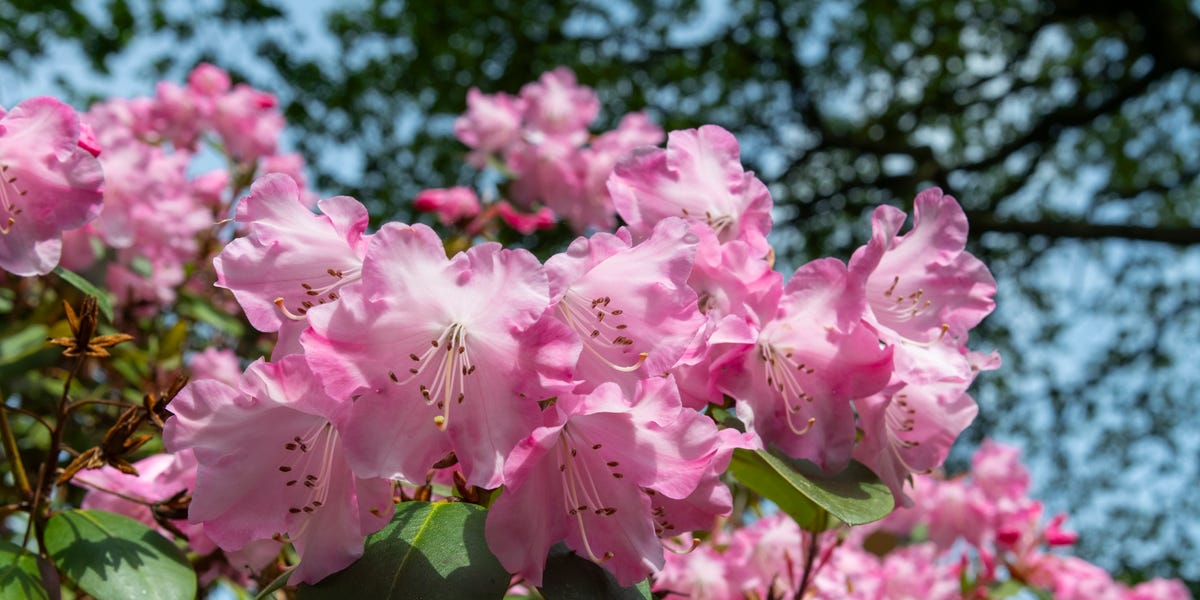
There’s nothing like the sight of rhododendrons to lift the soul – brilliant, blousy bursts of red, pink and white that signal the start of spring and brighten any garden.
But their moment is sadly short-lived. So what should you do once the flowers fade?
We asked Country Living’s gardening expert Sharon Amos for her top tips – from what to do right now to ensuring healthy blooms next year.
Rhododendron rule #1: Deadhead spent blooms
Deadheading stops the plant from putting energy into seed production and redirects it into growth and next year’s flowers. “It’s a simple job, but it helps the plant focus its energy on next year rather than making seeds,” explains Sharon.
Gently snap or twist off the faded flower heads just below the bloom, taking care not to damage the new buds forming underneath. This is easiest on smaller, shrub-sized rhododendrons – larger, tree-like varieties are often best left alone.
Rhododendron rule #2: Prune (but lightly)
Pruning helps maintain shape and encourages healthy growth – but timing is key, as rhododendrons set next year’s buds soon after flowering.
“Rhododendrons don’t need much pruning, but a light tidy after flowering keeps them looking their best. Just don’t leave it too late, or you’ll cut off next year’s blooms,” explains Sharon.

Catherine McQueen
Rhododendron rule #3: Feed and care for the soil
Rhododendrons thrive in acidic soil, and a post-flowering feed helps support new growth and future flowers. “Think of feeding as giving the plant a boost after it’s put on a big show,” says Sharon. “A good mulch and the right feed will set it up nicely for the year ahead.”
Apply an ericaceous fertiliser and mulch around the base with leaf mould, bark or compost to retain moisture and improve soil structure.
Rhododendron rule #4: Tackle leggy or overgrown plants carefully
Older plants can become woody or sparse, but they can be rejuvenated with careful pruning. “If a plant’s looking a bit tired or leggy, you can bring it back, but do it gradually. Rhododendrons respond well to patience,” says Sharon.
Rhododendron rule #5: Keep them well watered
Photos by R A Kearton
Rhododendrons are shallow-rooted, so they can dry out quickly – especially in warmer months. Stress now can affect next year’s flowering. “They don’t like to dry out, so keep an eye on them in warm weather,” Sharon explains. “A good soak during dry periods can make all the difference.”
Water regularly during dry spells, making sure the soil stays consistently moist but not waterlogged. If possible, use rainwater rather than tap water, as it helps maintain the acidic conditions rhododendrons prefer.
Rhododendron rule #6: Plan for after the flowers fade
Once the blooms are gone, rhododendrons can look a little flat – so it helps to have other plants carry the display. “As woodland plants, they naturally thrive in dappled shade, so pair them with ferns, hostas and other shade-loving perennials to fill gaps and keep borders looking lush,” explains Sharon.
Rhododendron rule #7: Don’t get the timing wrong
Rhododendrons are fairly low-maintenance, but they do rely on a few key things being done at the right moment. Prune too late, let them dry out or plant them in the wrong soil, and you risk fewer flowers the following year.
“The biggest mistake is forgetting how particular they are about their conditions,” says Sharon. “Get the basics right – soil, water, timing – and they’ll reward you.”
Rhododendrons may only flower for a short time, but with a little care once they’ve finished blooming, they’ll come back stronger, healthier and even more spectacular next year.
Gardening must-haves Filberts of Dorset Gardeners Hand Salve
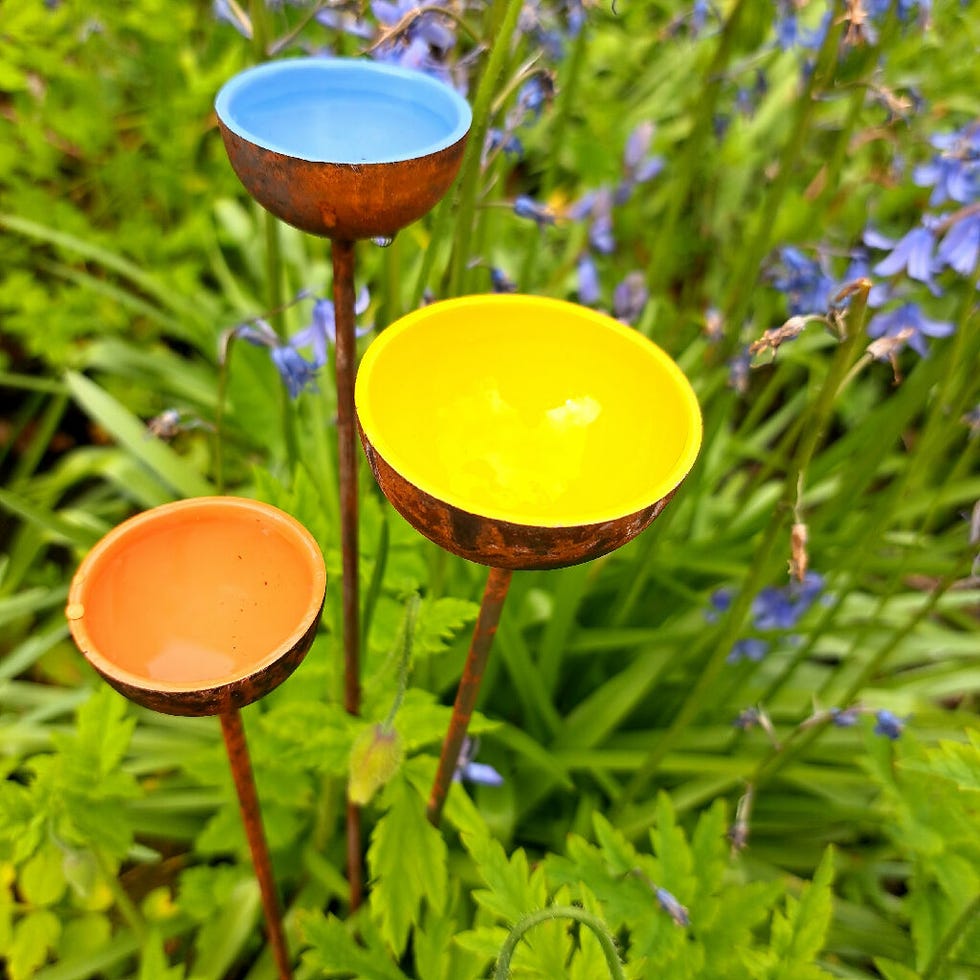 Haywards Garden Bee and Butterfly Water Stations, Garden Décor, set of three colourful bee water cups .
Now 17% Off
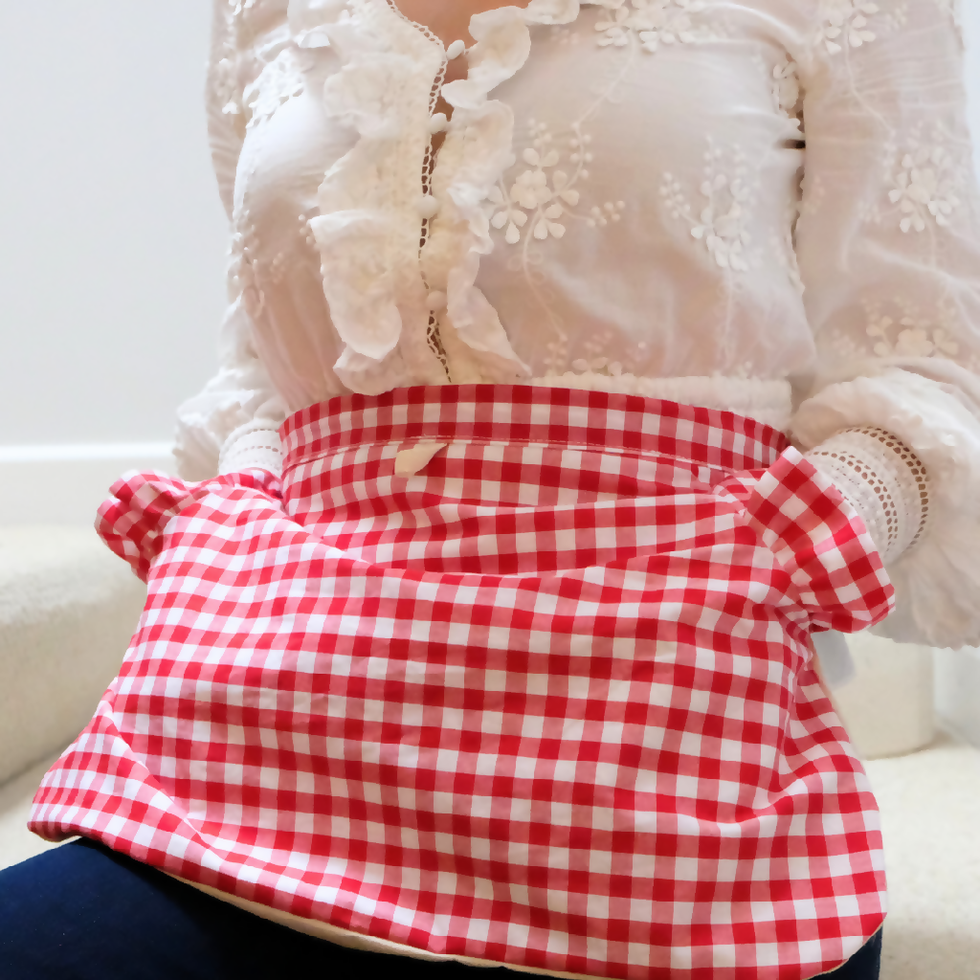 Home Sussex Handmade Peg Apron
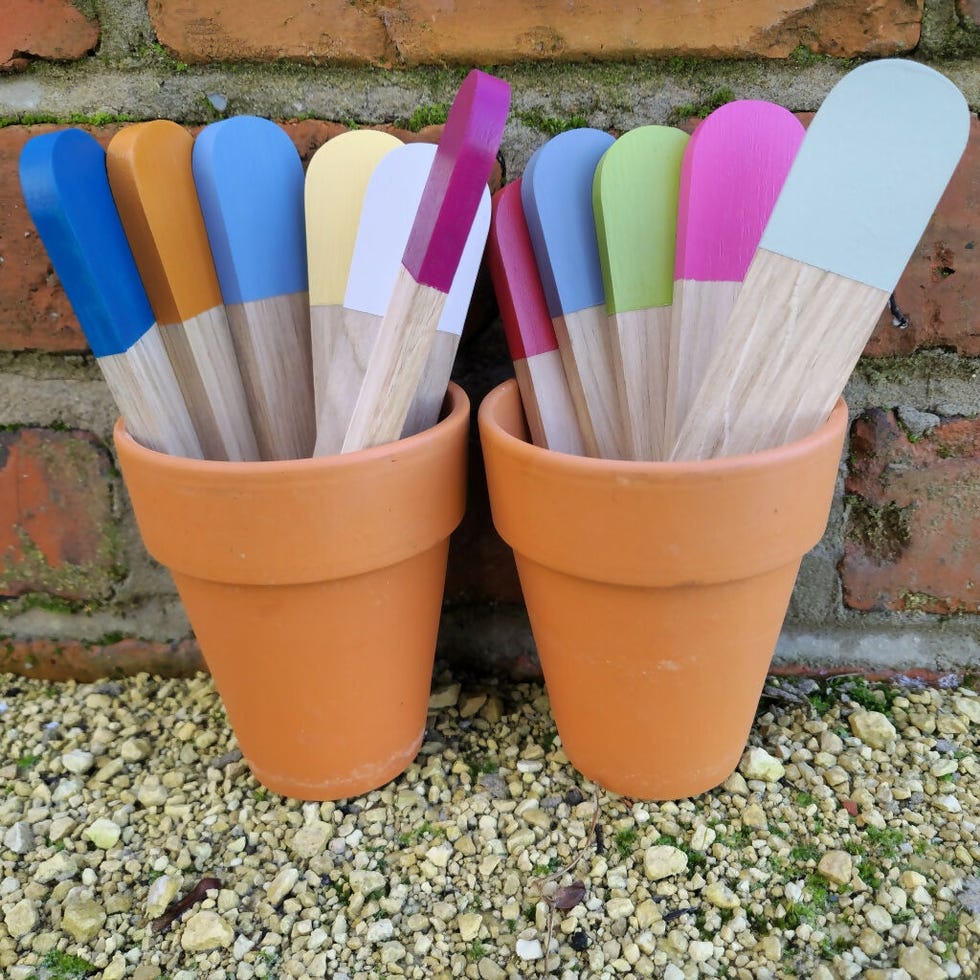 Painted Garden Label/Marker
 The Fae Potter Wild Bird Feeder ceramic hanging
 WhinnyPoo WhinnyPoo Box of 3 Plant Feed
Comments are closed.