
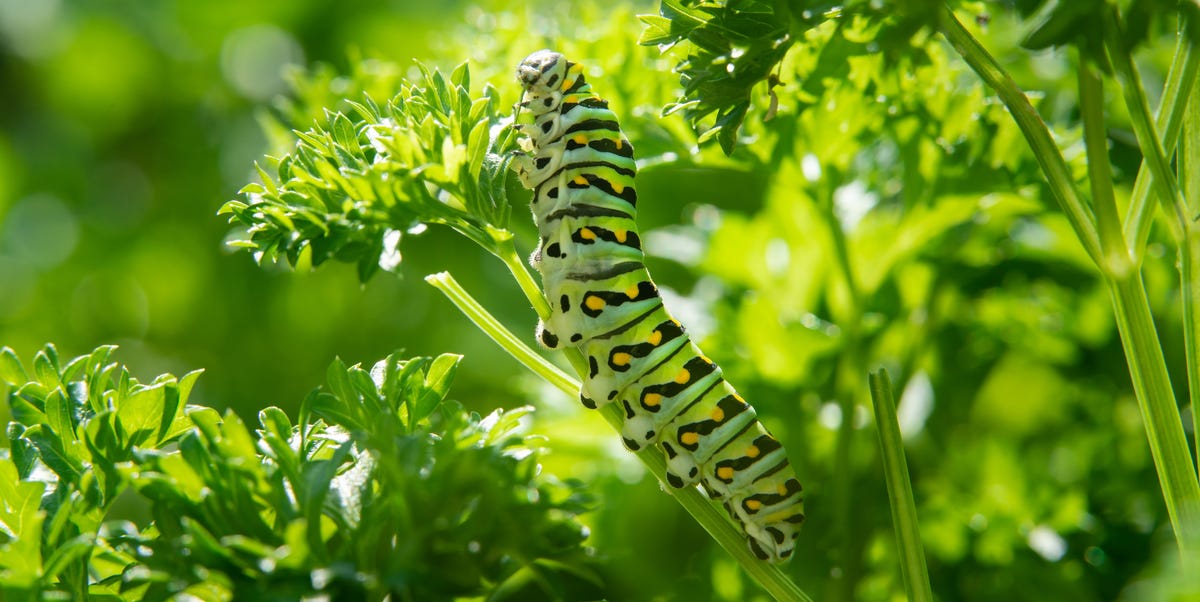
With the arrival of the growing season, gardening guides and magazines (Country Living included) start issuing familiar warnings about pests. There’s no shortage of advice on deterring slugs from lettuce, saving roses from aphids and keeping carrot flies at bay.
But as it turns out, not every critter historically deemed detrimental to vegetables and flowers actually is.
Kate Bradbury, a specialist in wildlife gardening and an ambassador for the RHS’s Planet-Friendly Gardening Campaign, has urged domestic horticulturalists to spare caterpillars in the seasonal purging of pests, calling them “incredibly important to biodiversity.”

Aleksa Torri//Getty Images
Why are caterpillars actually good for our gardens?
“We should view caterpillars as part of the garden’s ecosystem … It’s worth remembering that caterpillars are right at the bottom of the food chain, so loads of other species eat them,” Kate told the Independent following the RHS spring press conference in March, where she first highlighted their importance.
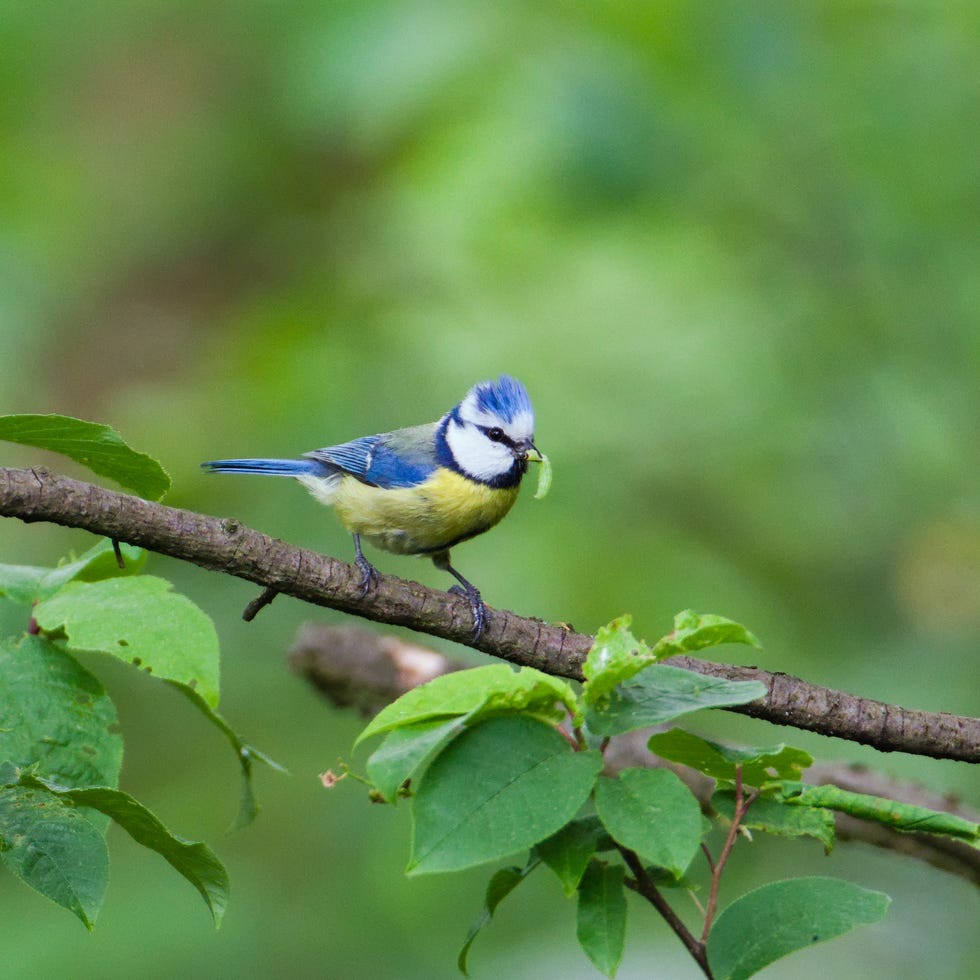
She noted that birds, in particular, depend on caterpillars for food and hydration, explaining that for the first three weeks of their lives, blue tit chicks require around 100 caterpillars a day. These insects are made up of 70 to 90% water, making them an essential resource.
With a female blue tits typically raising seven to eight chicks, this amounts to roughly 800 caterpillars consumed each day and a staggering 2,400 during the chicks’ early phase of life. Removing caterpillars from the garden makes it significantly harder for birds to find what they need.
Jonas Hanacek//Getty Images
And birds are not the only beneficiaries. “We think hedgehogs eat slugs and snails, but they actually prefer caterpillars,” Kate shared.
Wildlife depends on the small ecosystems we call gardens – but crucially, this relationship works both ways. Plants, in turn, thrive in rich biodiversity. The expert puts it simply: “The more caterpillars we allow in our gardens, the more species we bring in, the more biodiversity we have as a whole and the more alive our gardens are.”
How can you save caterpillars while protecting plants?
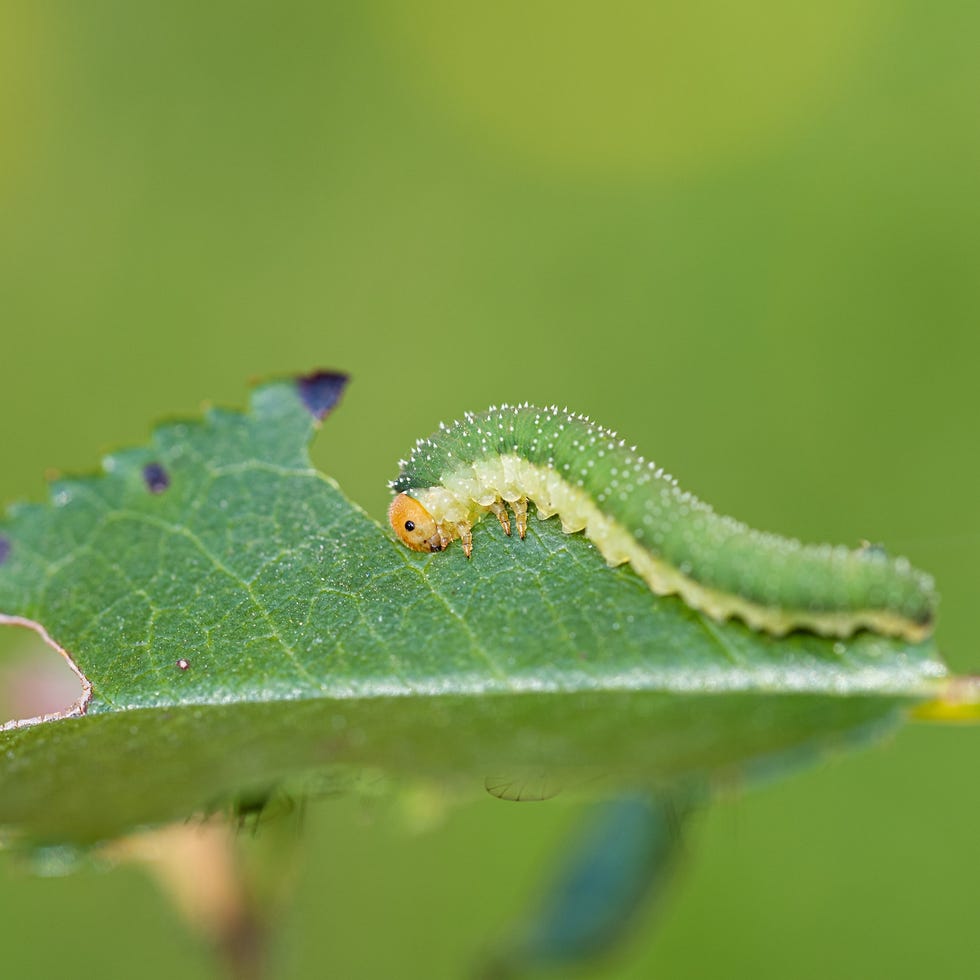
And yet, caterpillars do eat plants, so what is a gardener to do? Firstly, it’s important to know that not all of them wreak havoc on beds and borders. “There are lots of different types of caterpillar, but only a few species give the others a bad name; they don’t all destroy plants,” Kate said.
The key is to identify which species are actually problematic. Larvae of the rose sawfly, for example, love to eat rose leaves, while the cabbage worm (larvae of the Small White butterfly) is the primary caterpillar that nibbles on lettuce.
 Photos by R A Kearton//Getty Images
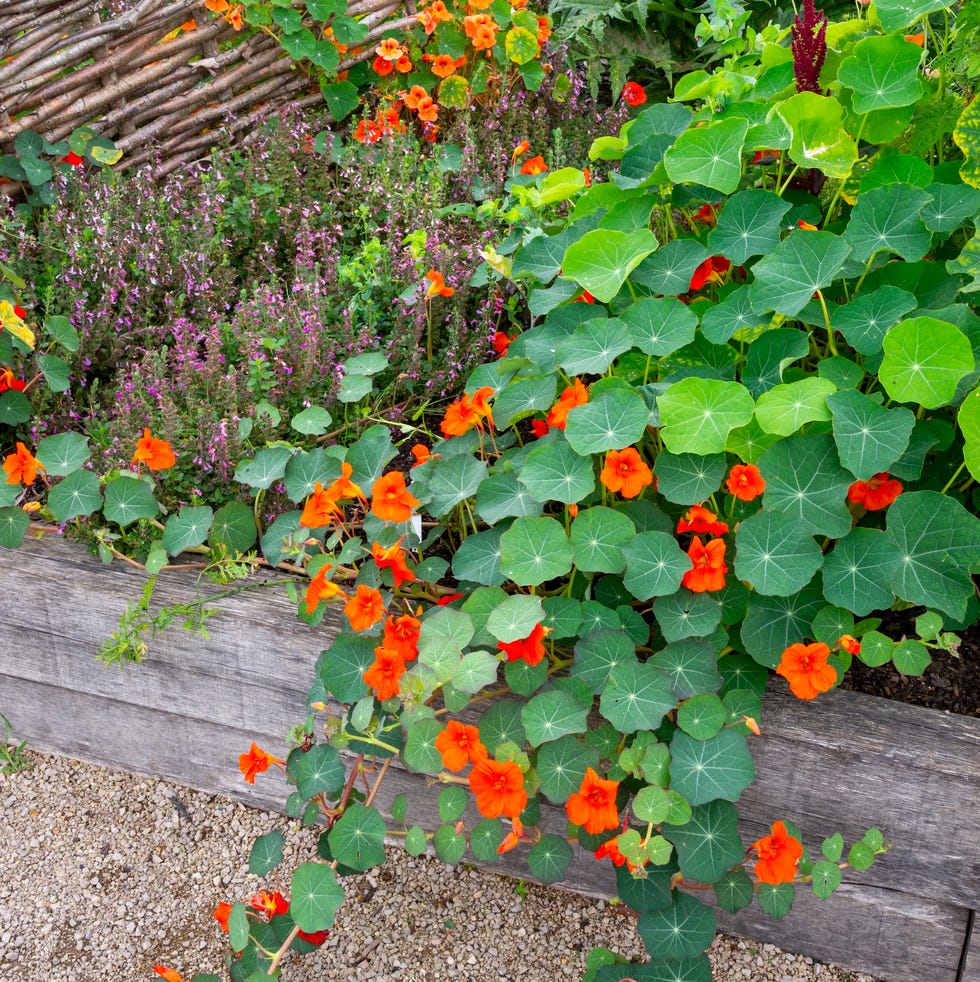
Nasturtiums are an effective sacrifical plant
If you do spot one of these very hungry caterpillars in your vegetable patch, there are gentler solutions.
The expert advises growing sacrificial plants alongside the crops you want to protect. “I grow brassicas and then I grow nasturtiums next to them, because they are loosely related,” Kate said.
You can also create areas specifically for caterpillars to enjoy, in the hopes they’ll leave your prized plants in peace. Mixed native hedges – like hazel or hawthorn – as well as long grass provide ideal habitats.
Modern gardening, after all, is less about control and more about coexistence – finding ways to work with nature, rather than against it.
Gardening must-haves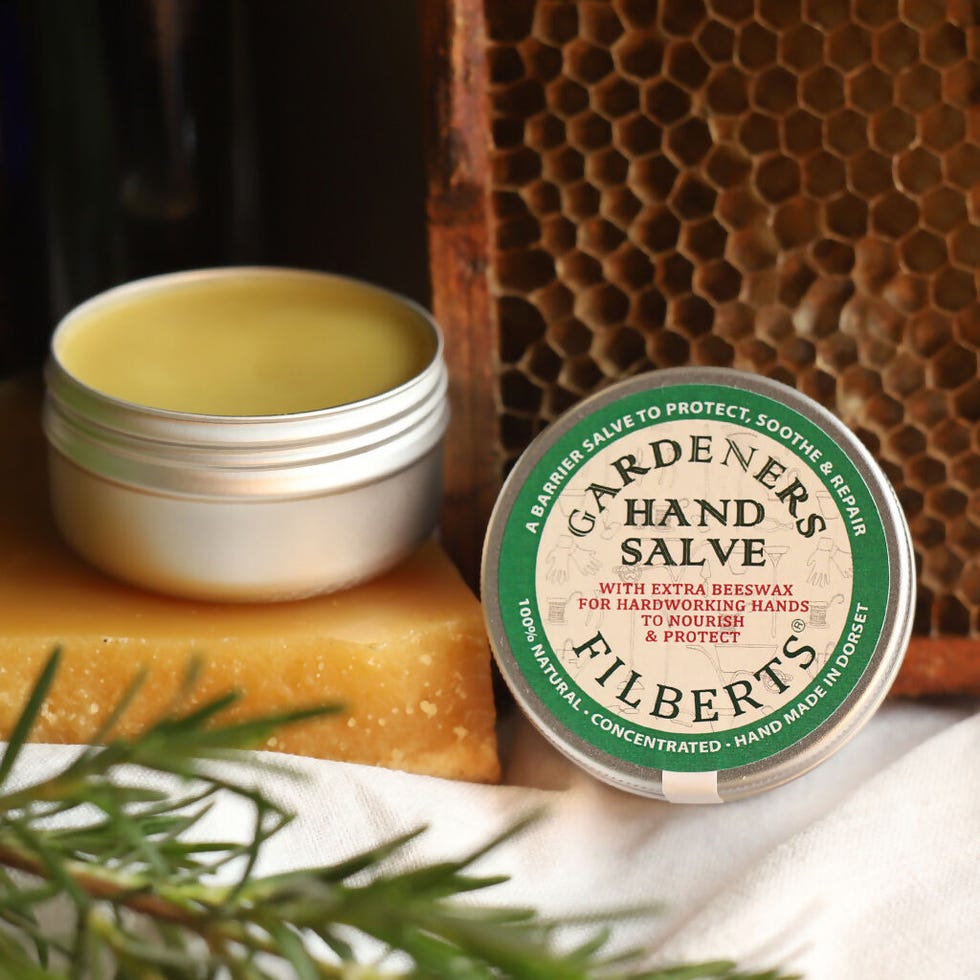 Filberts of Dorset Gardeners Hand Salve
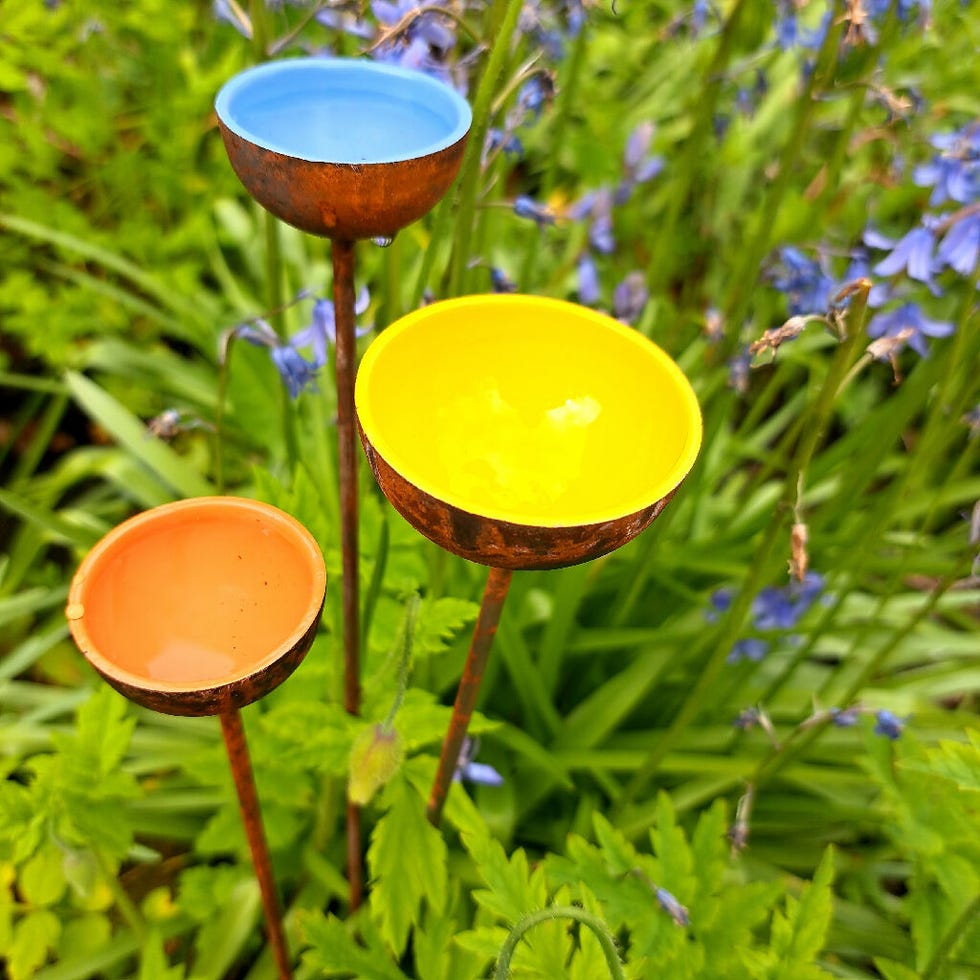 Haywards Garden Bee and Butterfly Water Stations, Garden Décor, set of three colourful bee water cups .
Now 17% Off
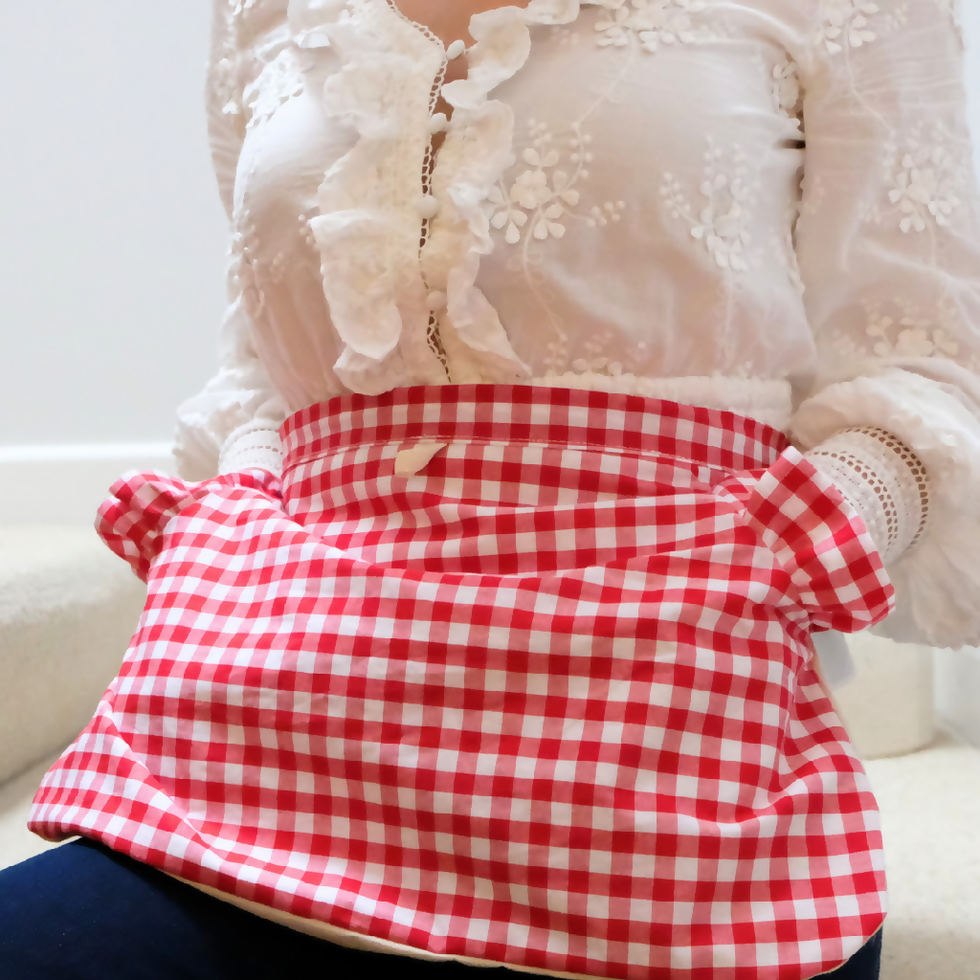 Home Sussex Handmade Peg Apron
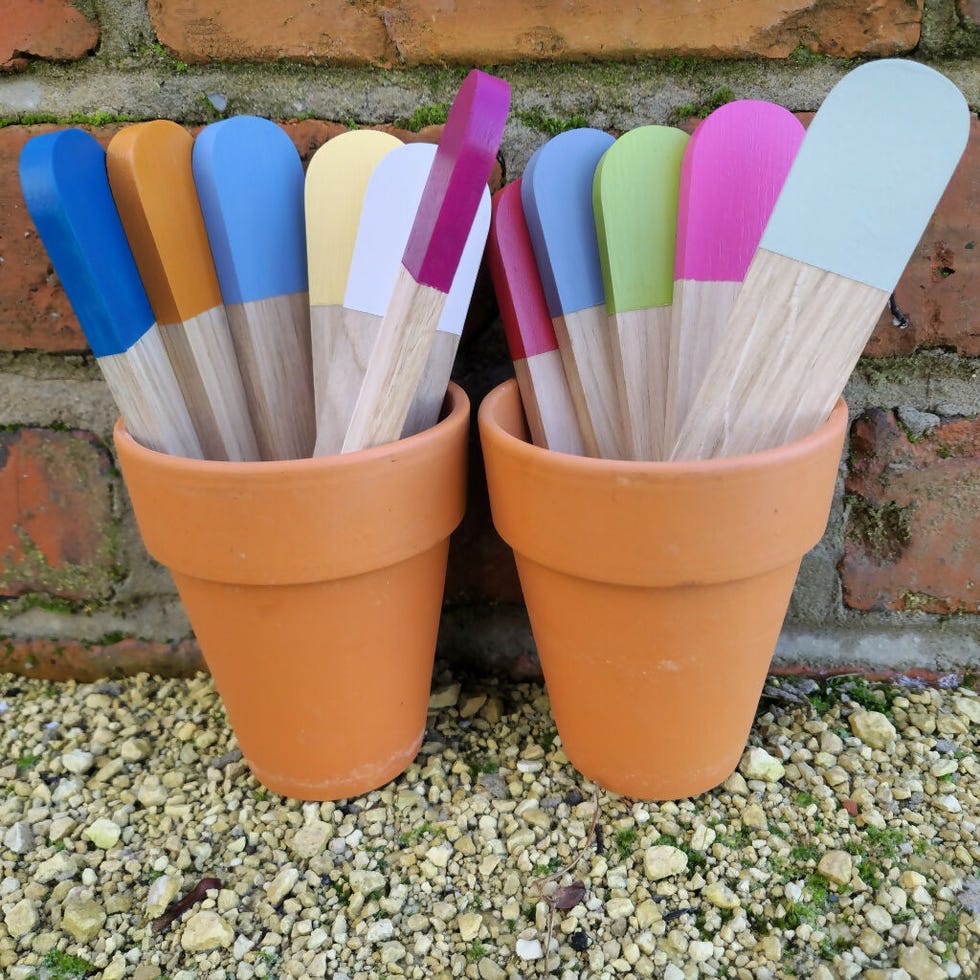 Painted Garden Label/Marker
 The Fae Potter Wild Bird Feeder ceramic hanging
 WhinnyPoo WhinnyPoo Box of 3 Plant Feed
Wanda Sachs is the Daily Writer for House Beautiful and Country Living, exploring the latest in interior design, home trends, property news, wellbeing and sustainable living. With a keen eye for style and a passion for storytelling, she previously served as an Associate Editor at The Berliner in Berlin, where she launched and led the magazine’s monthly style vertical, covering emerging fashion trends. Wanda holds a combined BA in English and German from Goethe University Frankfurt.
Comments are closed.