
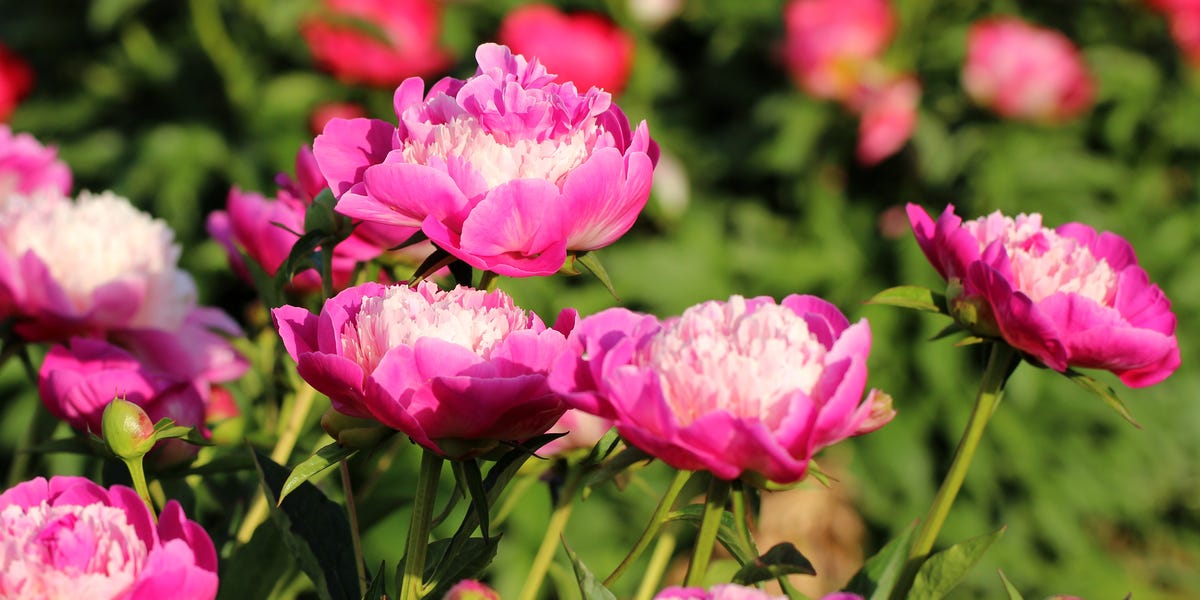
Peonies are one of the highlights of a spring garden — big, blowsy, fragrant flowers that put on a show for a couple of weeks and then disappear until the following year.
Alan Titchmarsh, writing in My Secret Garden, calls peonies “prized treasures, not to be spurned, but to be anticipated eagerly, as although they may bloom only fleetingly, they are all the more appreciated.”
The flowers may be short-lived, but the plant itself is in it for the long haul. Plant a peony well and it will outlive you – the RHS notes that some will live for more than 100 years, flowering more generously each season.
Get the planting right and a peony will thrive for decades. Get it wrong and you won’t know until next spring, when the plant comes back with plenty of leaves but no flowers.
Alan Titchmarsh points to two mistakes that cause most of the disappointment.
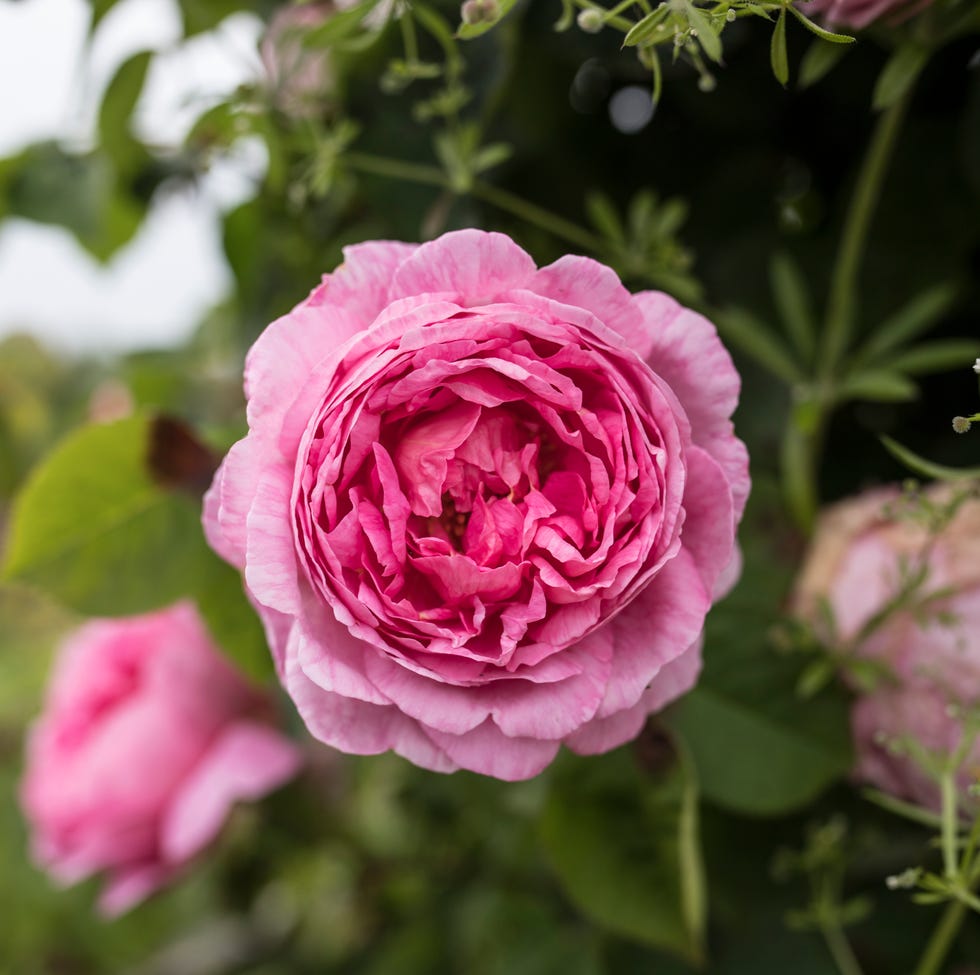

Phil Carpenter / 500px//Getty Images
Why do peonies grow leaves but no flowers? 1. Planting peonies too deeply stops them from flowering
Planting depth is the single biggest reason peonies fail to bloom. Bury them too deeply and you’ll get healthy foliage but no flowers for years.
The crown should sit just below the soil surface – those thick, tuberous roots need to be close to the light, not hidden away. Plant them too deeply, and flowering is delayed or lost altogether.
2. Dividing peonies too often does more harm than good
Unlike most perennials, peonies don’t benefit from being lifted and divided every few years. Interfering with established clumps can set them back.
In My Secret Garden, Titchmarsh makes the case for leaving them alone. Given time, plants bulk up naturally, producing bigger, more generous displays with each passing year.
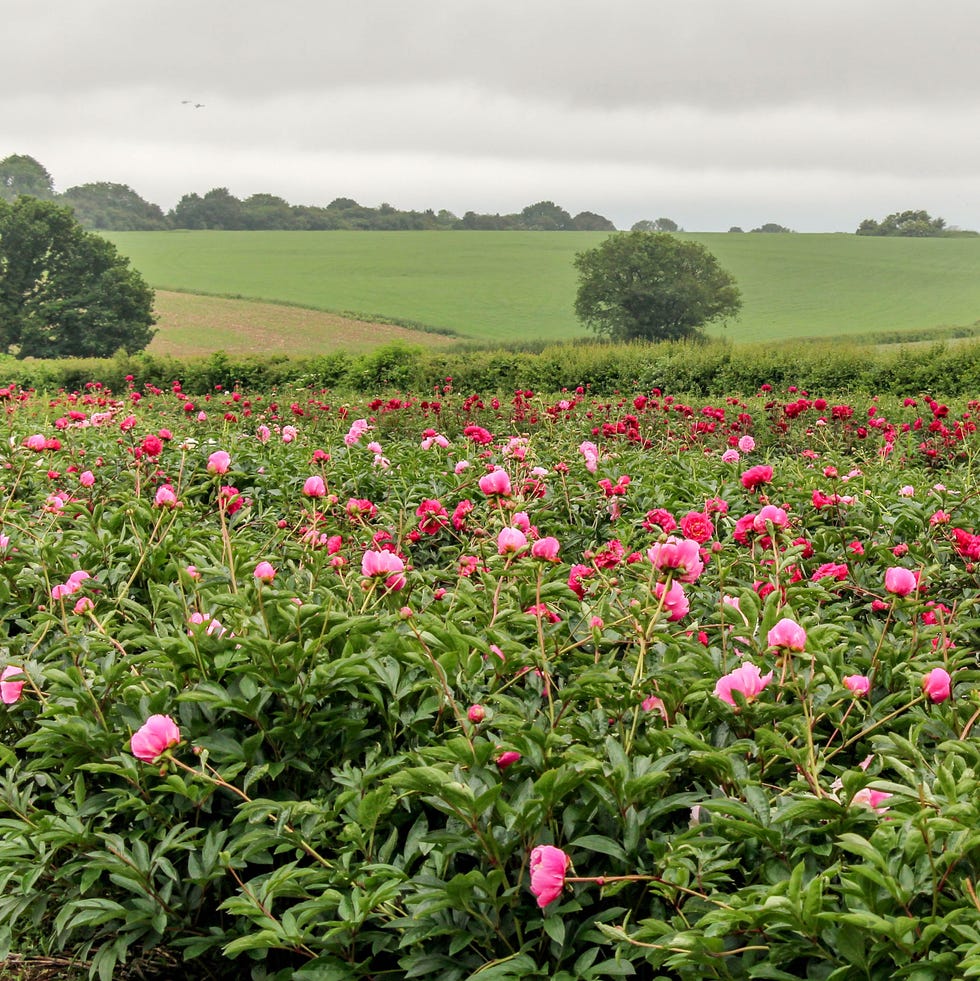
Olga Dobrovolska//Getty Images
Extra peony care tips to encourage more blooms
Peonies are generally low-maintenance. Once one is in the right spot, it asks for very little. Full sun (or light shade) and well-drained soil are non-negotiable — they don’t do well on poor or very wet soils or in shade.
In late winter, when the deep red shoots start pushing through the soil – almost prehistoric in appearance, as Titchmarsh notes in his book – give the plant a feed of rose fertiliser and a mulch of well-rotted manure or garden compost, kept clear of the crown itself. The RHS suggests staking the taller varieties, such as ‘Sarah Bernhardt’, as growth emerges, before the flopping starts, rather than after.
And when the flowers do come, they’re worth every bit of the wait.
Gardening must-haves Filberts of Dorset Gardeners Hand Salve
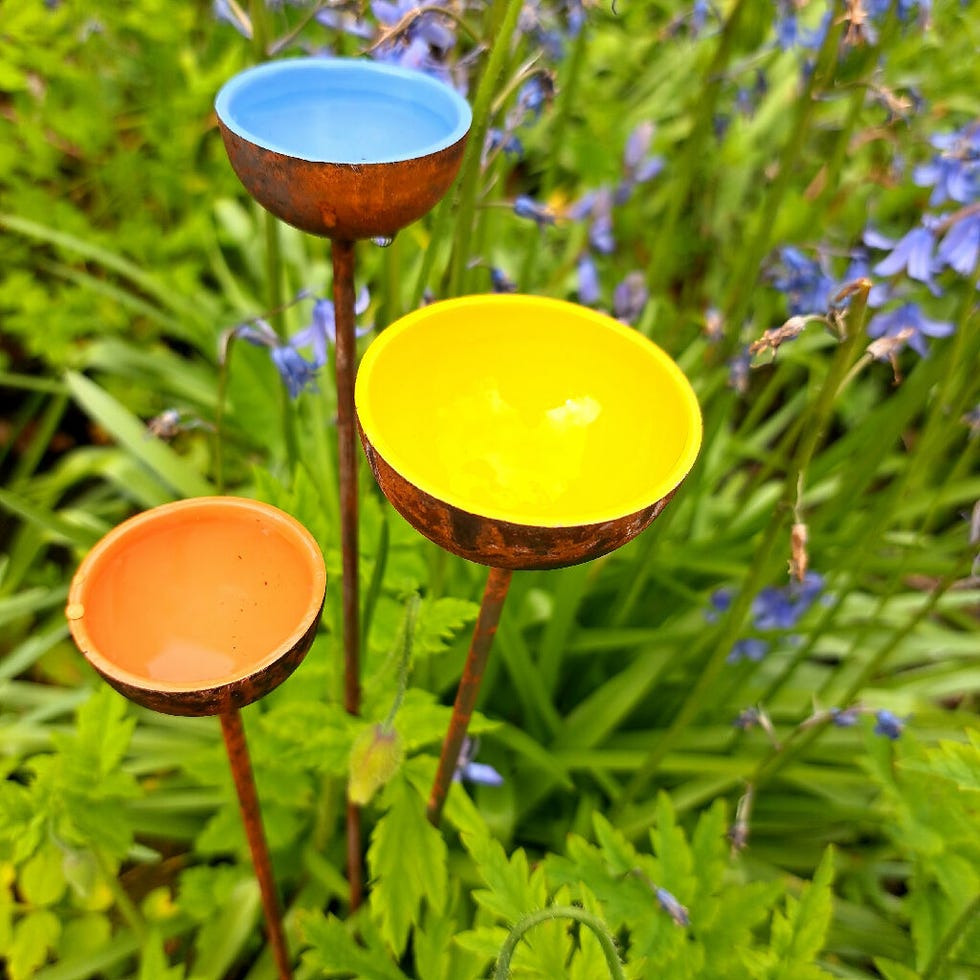 Haywards Garden Bee and Butterfly Water Stations, Garden Décor, set of three colourful bee water cups .
Now 17% Off
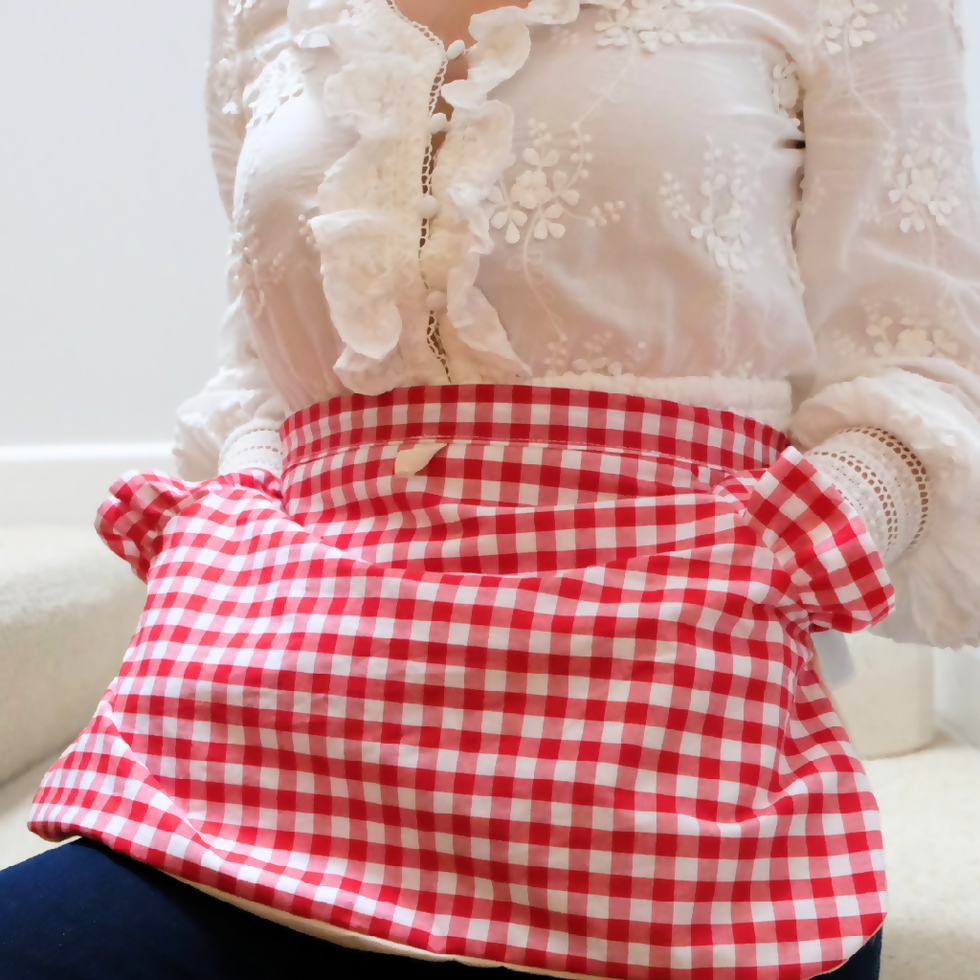 Home Sussex Handmade Peg Apron
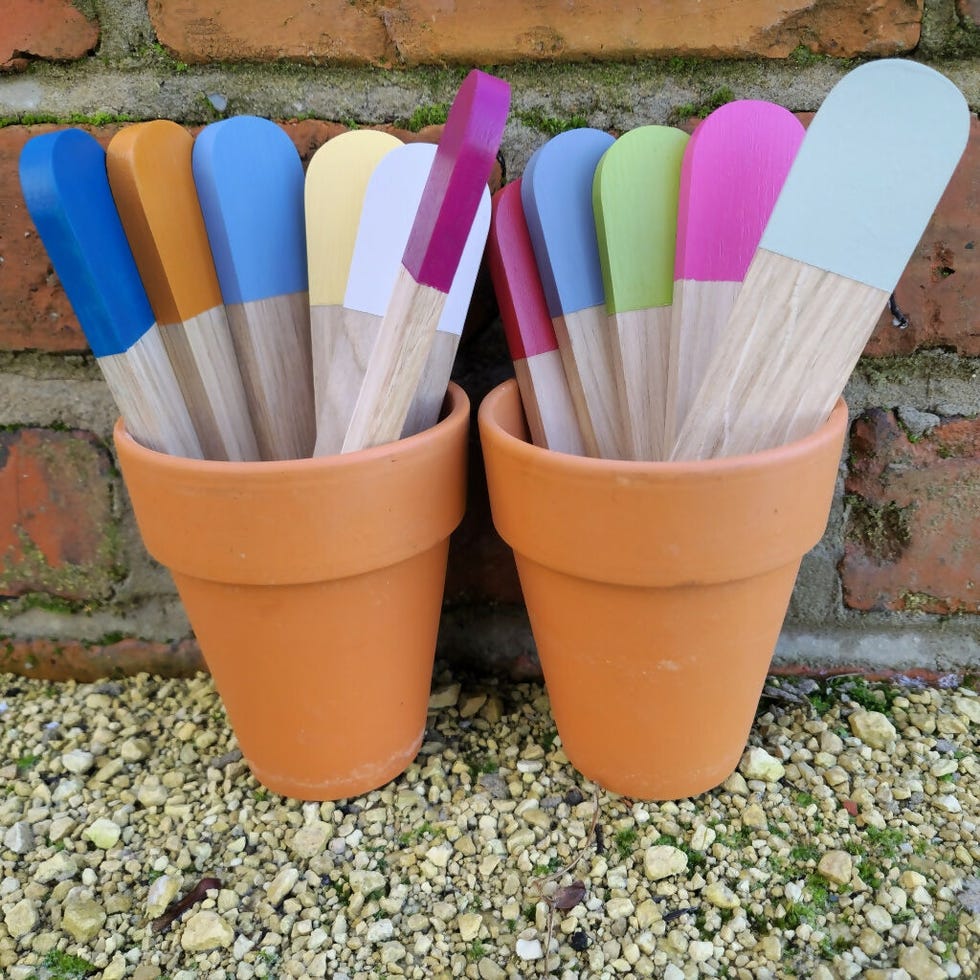 Painted Garden Label/Marker
 The Fae Potter Wild Bird Feeder ceramic hanging
 WhinnyPoo WhinnyPoo Box of 3 Plant Feed
Comments are closed.