
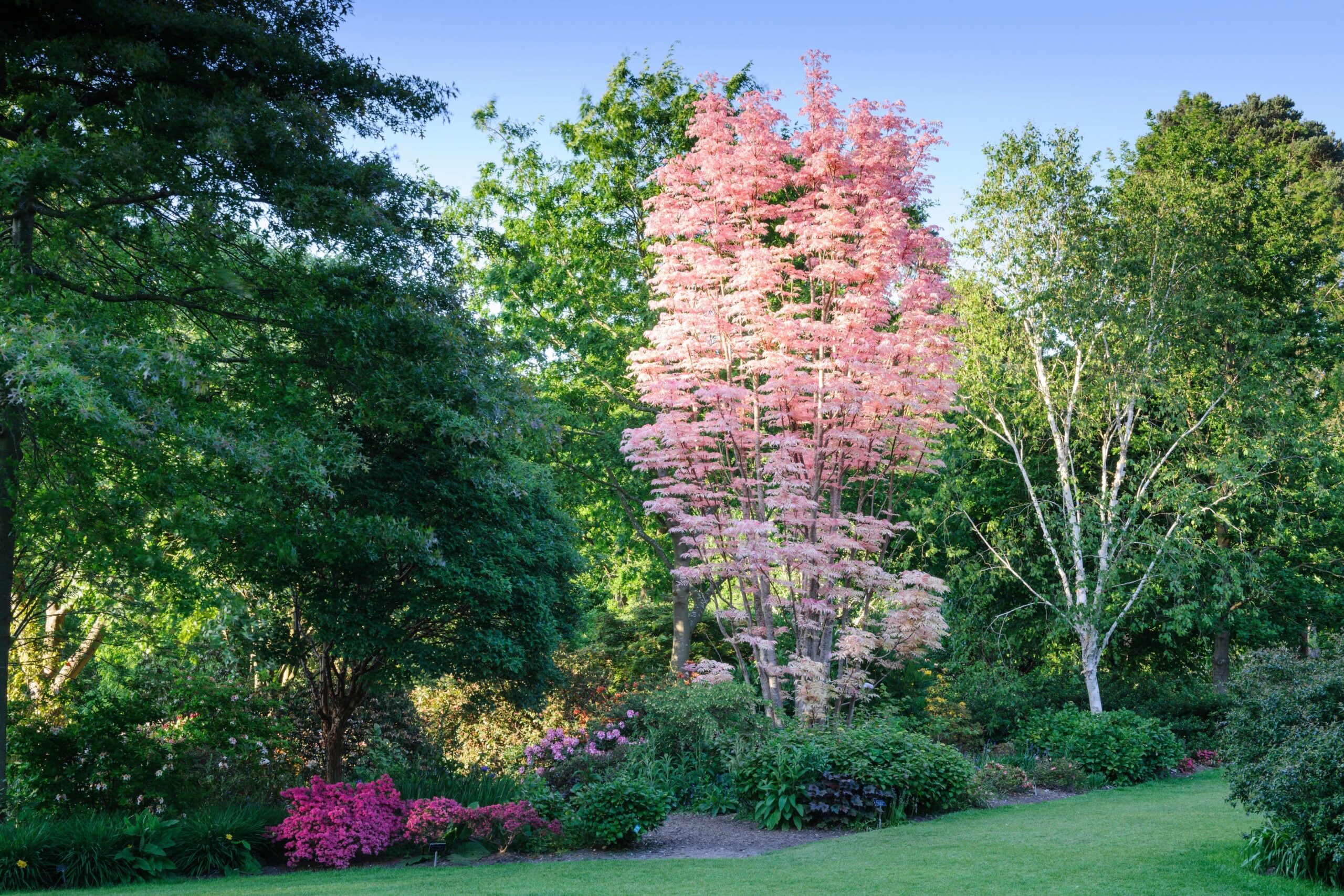
The Royal Horticultural Society (RHS) highlights unusual plants across its gardens during National Gardening Week, encouraging the public to explore plant diversity and adaptation in cultivated and naturalistic settings.
Across the RHS gardens, displays will focus on species with distinctive pollination strategies, growth habits, sensory characteristics and ecological adaptations, illustrating the breadth of plant life in managed landscapes.
At RHS Garden Wisley, the Glasshouse features the jade vine (Strongylodon macrobotrys), known for its striking turquoise flower clusters. Native to the Philippines and typically pollinated by bats, the species is hand-pollinated in cultivation to support flowering. Nearby, Puya chilensis, sometimes referred to as the “sheep-eating plant” is notable for its rigid, hooked leaf margins. While reports suggest small animals can become entangled, this behaviour is not a primary ecological function of the plant. Elsewhere in the garden, foxglove trees (Paulownia tomentosa) are in bloom with lilac, trumpet-shaped flowers. The species is recognised for its rapid growth, with young trees capable of substantial annual extension under favourable conditions. Chain fern (Woodwardia radicans) is also present, reproducing vegetatively through plantlets formed at the tips of arching fronds that root when they reach soil.
At RHS Garden Hyde Hall, Essex prairie dropseed (Sporobolus heterolepis) is noted for its fine-textured form and late-season seed heads, which can produce a light aromatic scent when mature. Seasonal colour change is a key feature in several plantings. Arkansas bluestar (Amsonia hubrichtii) transitions from green foliage and pale blue flowers in spring to bright yellow autumn colour. Dogwood (Cornus sericea ‘Cardinal’) develops red stems during the colder months as pigments intensify.
RHS Garden Bridgewater’s kitchen and forest garden areas include a range of edible and lesser-known crops. Hosta ‘Empress Wu’, among the largest hosta cultivars, produces young shoots that are edible when prepared appropriately. Toona sinensis ‘Flamingo’ is grown for its young pink foliage, which can be eaten and is described as having a strong onion or garlic-like flavour. Other edible species include Szechuan pepper (Zanthoxylum schinifolium), valued for its aromatic husks used as a spice, and skirret (Sium sisarum), a historically cultivated root vegetable that was once more widely grown in Britain.
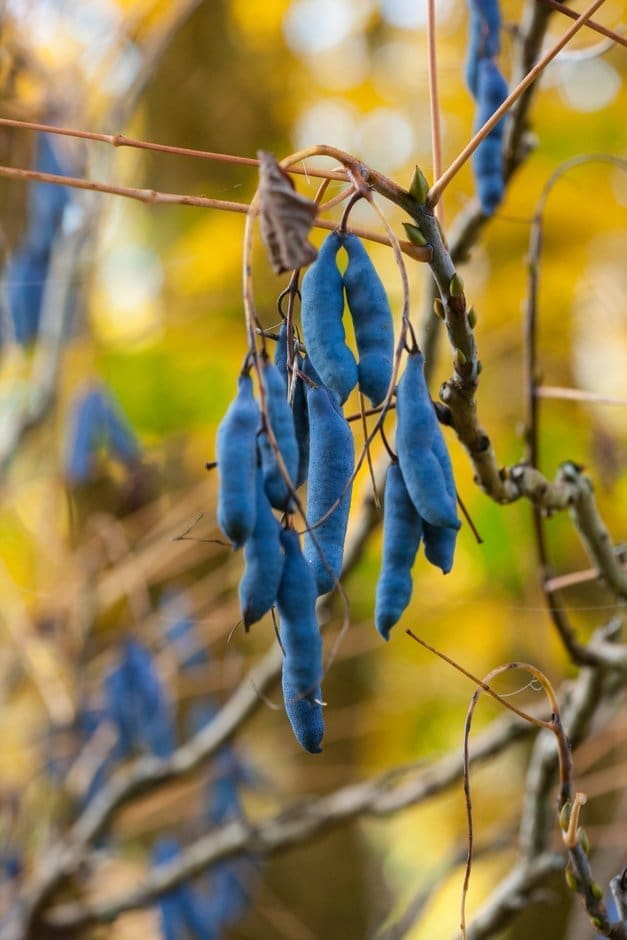
Decaisnea fargesii
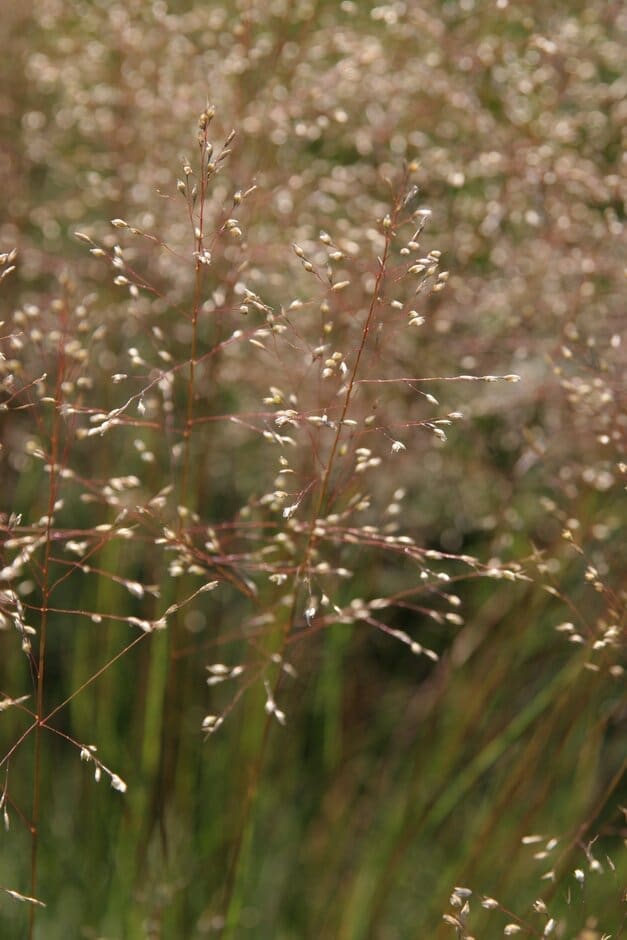
Sporobolus heterolepis
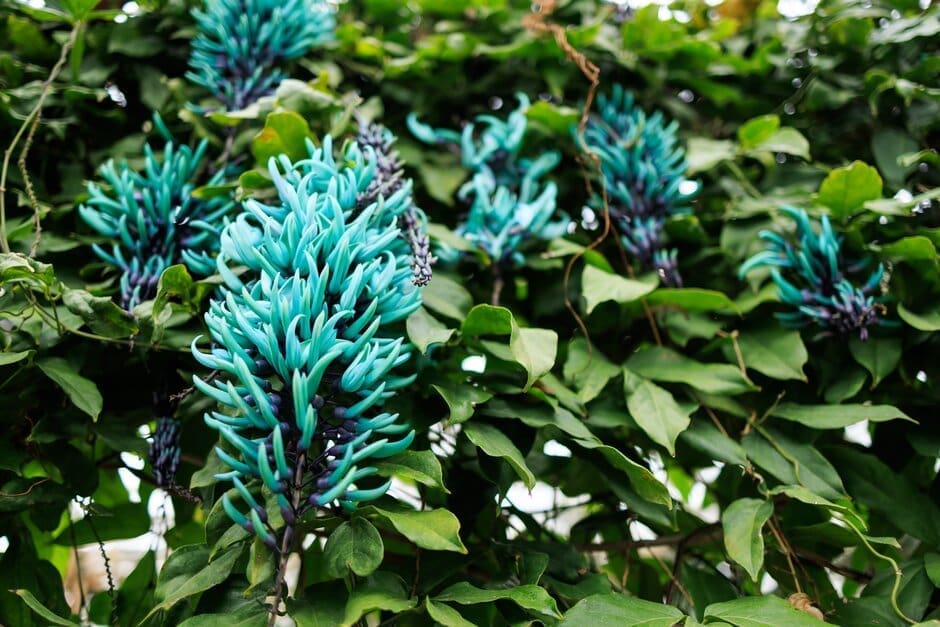
Strongylodon macrobotrys ©RHS
At RHS Garden Harlow Carr in North Yorkshire, chickpeas (Cicer arietinum) are grown as part of trials exploring crop performance in cooler climates. The garden also features blue bean shrub (Decaisnea fargesii), which produces elongated blue fruits containing edible pulp. The parasitic plant purple toothwort (Lathraea clandestina) grows without chlorophyll, obtaining nutrients from host plants. Sweet-scented asarabacca (Asarum europaeum) is included for its unusual pollination strategy, which involves insects associated with ground-level habitats, including snails.
At RHS Rosemoor, Toona sinensis is sometimes referred to as the “roast beef tree” due to the scent of its young leaves when crushed. Citrus trifoliata is included as one of the hardier citrus species and is widely used in horticulture as a rootstock to improve cold tolerance in grafted varieties. Giant redwood (Sequoiadendron giganteum) demonstrates fire-adaptive traits, including thick, insulating bark that contributes to its resilience in its native habitat.
Tim Upson, RHS Director of Gardens and Horticulture, said the gardens demonstrate the diversity of plants that can be found in cultivated landscapes and encourage closer observation of plant characteristics and behaviour.
National Gardening Week 2026 runs from 27 April to 3 May.
Comments are closed.