
“Hearst Magazines and Yahoo may earn commission or revenue on some items through these links.”
Making a small garden feel functional and inviting often comes down to smart design, and “bento zoning” is one of the most effective ways to maximize every inch. Inspired by the bento box, this approach is all about creating distinct areas for different activities, from planting and relaxing to dining and entertaining.
Below, we explain what bento zoning is, why it works so well in compact outdoor spaces, and how to introduce it into your own garden.
What is Bento Zoning?
For anyone looking to make their garden feel calm, organized, and purposeful, bento zoning is a highly effective design approach. “Bento zoning is a garden design that is inspired by the neatly divided compartments of a Japanese bento box,” explains Charlie Barrett, gardening expert at Shedstore. “Instead of treating a compact garden as one open space, the area is broken into a series of ‘mini-zones.’”
Each zone is designed with a specific use in mind, yet still feels cohesive as part of the overall layout. “For example, you might create a place to grow herbs, a corner dedicated to wildlife planting, or a quiet spot to sit and unwind,” Barrett says.
While bento zoning won’t physically increase the size of your garden, it can make a compact space feel noticeably bigger and more usable. By dividing the layout into clearly defined zones, the eye is drawn through the garden in stages rather than taking it in all at once, which creates a sense of depth and structure.
“The design is especially effective in small gardens because it creates structure, reduces clutter, and makes even the tiniest outdoor area feel intentional,” adds Barrett.
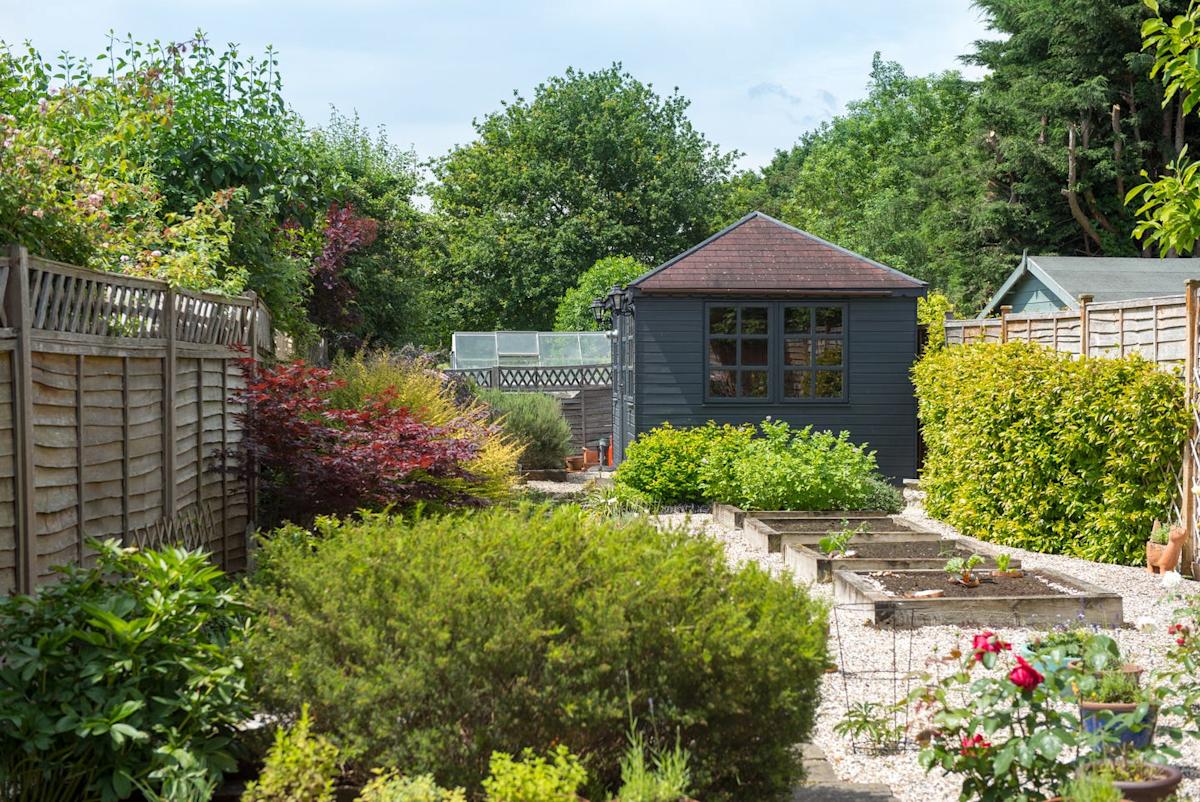
This method also reflects how we naturally use our outdoor spaces. Raised beds, plant pots, storage units, and even compact garden buildings can all help define individual zones, giving each area a clear purpose without overwhelming the space.
How to Use Bento Zoning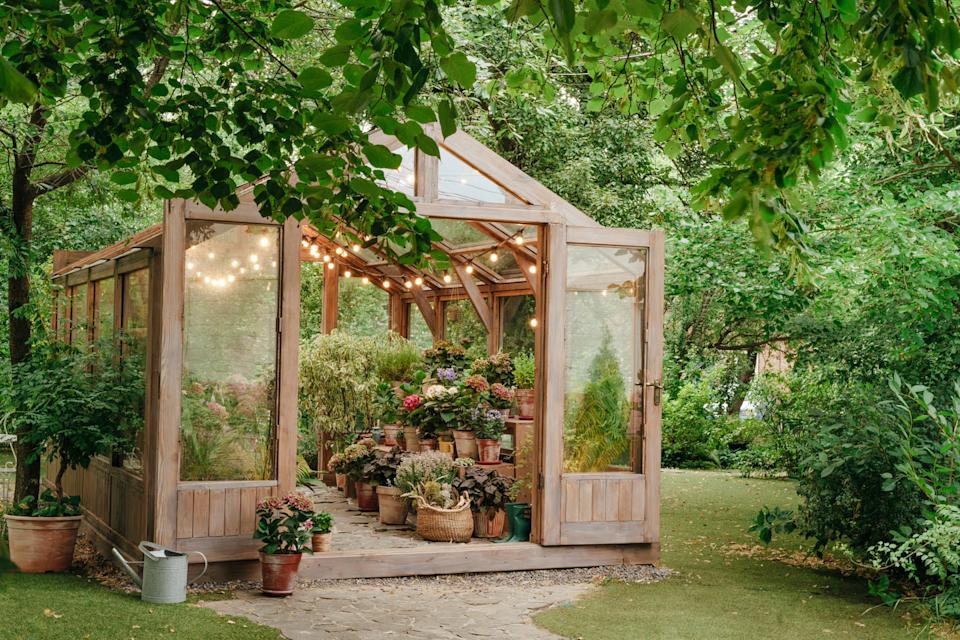
Westend61 – Getty Images
A good place to start with bento zoning is by introducing a shed, decorative fence, or other eye-catching feature. “This creates a natural boundary, adds height, and helps solve the common problem of clutter in small gardens,” says Barrett. “Once tools and accessories are stored away, the rest of the garden feels more open.”
From there, it becomes much easier to shape additional zones, whether that’s a log store framing a fireside nook, or a potting shed or mini greenhouse defining a dedicated growing area.
It’s also important to consider how you move through the space and arrange each zone in a logical sequence. “This could be dining closer to the house, then placing a lounging area, and finally a more private relaxation spot, should you have space for it,” explains Magdalena Gierasinska, head of product and displays at Barker and Stonehouse. “Curved furniture can be particularly effective here, softening transitions and making the layout feel more organic.”
Modular furniture is another smart choice in a compact garden. “You can rearrange it depending on the occasion, and lightweight pieces can easily be moved to adapt the layout,” Gierasinska suggests. Stackable or foldable designs are equally useful, helping to keep the space feeling open and uncluttered when not in use.
Finally, don’t overlook the finishing touches. Cushions, outdoor rugs, and side tables can all help define each zone, making the overall layout feel more intentional while bringing personality and warmth to your outdoor space.
Follow House Beautiful on Instagram and TikTok.
You Might Also Like
Comments are closed.